Trapping and Furbearer Licences
Navigating the world of furbearer licences and trapping regulations in Saskatchewan can feel like deciphering a complex puzzle, especially with varying rules for different species and areas. It's easy to get lost in the details, wondering if you have the right permit or if your practices align with provincial standards. This comprehensive guide is here to untangle that complexity, walking you through everything you need to know about obtaining and adhering to Saskatchewan's trapping and furbearer licence requirements.
Understanding Saskatchewan's Furbearer Landscape
Saskatchewan is a vast province, a mosaic of boreal forest, aspen parkland, and sprawling prairie, each supporting a diverse array of furbearing animals. From the elusive marten in the deep woods to the wily coyote on the open plains, these creatures are an integral part of the ecosystem. Understanding their role, and the regulations surrounding their harvest, is the first step in responsible trapping.
Why Trapping Remains Vital in Saskatchewan
Trapping in Saskatchewan isn't just a historical tradition; it's a vital component of wildlife management and offers economic opportunities for many residents. For generations, trappers have played a crucial role in managing furbearer populations, preventing overpopulation that can lead to disease, habitat degradation, or increased human-wildlife conflict. It's a hands-on method of conservation, providing valuable data to provincial biologists and helping maintain ecological balance. For those who embrace the lifestyle, it's a way to connect with the land, hone wilderness skills, and supplement their income through the sustainable harvest of pelts.
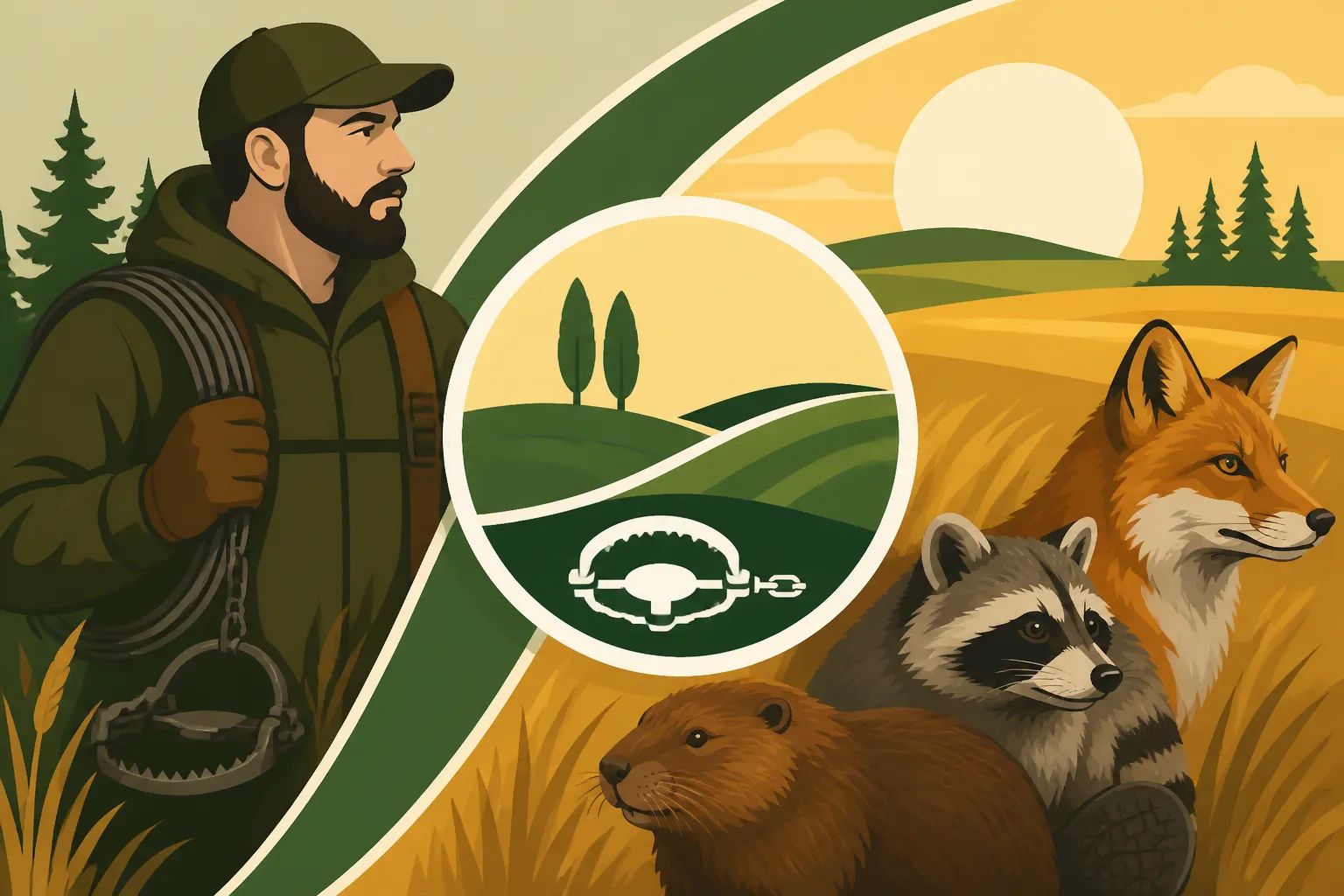
The province is home to a wide variety of furbearers, including beaver, muskrat, mink, weasel, otter, red fox, swift fox, coyote, badger, bobcat, lynx, marten, fisher, and even wolf. Each species plays a unique role in the food web, and trapping helps ensure their populations remain healthy and in sync with their environment. It’s a craft passed down through families, deeply embedded in the cultural fabric of many communities, particularly in northern Saskatchewan.
Who Needs a Furbearer Licence?
Simply put, almost anyone wishing to trap furbearing animals in Saskatchewan needs a licence. This isn't just a suggestion; it's a legal requirement designed to ensure sustainable harvesting and proper management of these valuable resources. Residents of Saskatchewan who intend to trap furbearers for commercial purposes, or simply for subsistence and recreation, must possess a valid Furbearer Licence. There are very limited opportunities for non-residents to trap, and generally, they would need to be part of an outfitting operation that holds specific allocations, which is exceedingly rare for furbearers compared to big game or waterfowl.
It's also important to acknowledge that Indigenous people with Treaty Rights have different parameters for hunting and trapping, which are recognized under the law. However, for the vast majority of recreational or commercial trappers, securing the correct provincial licence is non-negotiable. Without it, you're not only breaking the law but also undermining the integrity of the provincial wildlife management system that aims to protect these animals for future generations.
Types of Furbearer Licences and Permits
Saskatchewan’s system for furbearer licences is designed to manage trapping efforts across different areas and for various purposes. It’s not a one-size-fits-all approach, and understanding the specific licences and permits you might need is crucial before you even think about setting a trap.
Resident Furbearer Licence
For most Saskatchewan residents, the standard Resident Furbearer Licence is the primary permit required to trap designated furbearing animals within the province. This licence covers the trapping of a wide range of species, from beavers and muskrats to coyotes and foxes, using approved methods and within established open seasons. It's a comprehensive licence that acknowledges your intent to participate in this activity. When you secure this licence, you're agreeing to abide by all the provincial regulations outlined in the annual Saskatchewan Hunters' and Trappers' Guide, which specifies season dates, bag limits, and legal trapping methods for each species.
The cost for this licence is typically quite reasonable, especially when you consider it grants you access to a season of trapping opportunities. This licence can be purchased online through your Hunter and Angler Licence (HAL) account, a digital platform that centralizes all your hunting, trapping, and fishing licences. Ensuring your HAL account is up-to-date and accurately reflects your residency is critical. This is where you would typically begin when you're looking into buying a licence the same day or planning your season ahead of time.
Trapping Area Permits
Beyond the general furbearer licence, Saskatchewan operates a system of designated trapping areas, which add another layer of permitting. These primarily fall into two categories: Registered Trapping Areas (RTAs) and Open Trapping Areas.
Registered Trapping Areas, or RTAs, are specific geographic blocks of Crown land that are allocated to individual trappers for long-term management. These areas provide trappers with exclusive rights to harvest furbearers within their boundaries, fostering a sense of stewardship and encouraging sustainable practices. Applying for an RTA is a more involved process, often requiring a commitment to managing the area responsibly and potentially involving a waiting list. These permits are typically renewable and can even be transferred under certain conditions, representing a significant investment for a trapper. The trapper holding an RTA is responsible for reporting harvests, maintaining trails, and often ensuring other wildlife and habitat considerations within their allocated area.
Open Trapping Areas, conversely, are general areas of Crown land where any licensed furbearer trapper can operate, provided they adhere to the provincial regulations and don't infringe on private property or active RTAs. These areas are more accessible for new trappers or those without a specific RTA. Understanding the boundaries of these areas is critical, and tools like the GoHunt app or provincial mapping resources can be invaluable for identifying where you can legally set traps without interfering with an RTA or private land.
Special Permits and Exemptions
While the Resident Furbearer Licence and RTA permits cover most trapping activities, there are specific situations that might require special permits or fall under exemptions. For instance, if beavers are causing significant damage to private property, such as flooding agricultural land or blocking culverts, a landowner might be eligible for a special permit to remove these nuisance animals outside of the regular trapping season or with specific methods. These permits are issued by the Ministry of Environment and are aimed at mitigating damage rather than commercial harvesting.
Another common exemption applies to landowners dealing with depredation on their own land. For example, a farmer might not need a full furbearer licence to deal with coyotes preying on their livestock on their own property. However, the scope of these exemptions is usually quite narrow, often limited to specific species and circumstances, and does not extend to general recreational or commercial trapping. It is always best to check the latest Saskatchewan Hunters' and Trappers' Guide or contact the Ministry of Environment directly if you believe your situation might fall under a special permit or exemption. When considering any activity on your land, it's wise to ensure you're aware of the Saskatchewan Landowner Permission Law as it applies to hunting and trapping alike, even on your own property, to avoid any misunderstandings.
Navigating the Application Process and Costs
Getting your furbearer licence in Saskatchewan is a relatively straightforward process, primarily managed through the province's online system. However, understanding the steps, the associated costs, and the critical deadlines is essential to ensure you're legally prepared for the season.
The HAL Account – Your Gateway to Licencing
The Hunter and Angler Licence (HAL) account is the central hub for all your hunting, trapping, and fishing needs in Saskatchewan. If you're looking to trap furbearers, setting up or updating your HAL account is the very first step. It's a personalized profile where your hunter education status, past licence purchases, and contact information are stored. This system streamlines the process of buying new licences, applying for draws, and even reporting your harvests.
To get started, you'll need to visit the Saskatchewan Ministry of Environment's online HAL system. If you're a first-timer, you'll go through a quick registration process. For existing users, it's a matter of logging in and ensuring all your personal details are current. When purchasing your furbearer licence, the system will prompt you through the various options. It's designed to be user-friendly, but double-checking all selections before finalizing your purchase is always a good idea. This system not only ensures you have the correct licence but also contributes to the provincial database, which helps manage wildlife populations effectively. For more details, you can explore resources like Setting Up a Saskatchewan HAL Account.
Licence Costs and Fees
Understanding the financial commitment is naturally a part of planning any trapping season. The costs for furbearer licences in Saskatchewan are set annually by the Ministry of Environment and are generally quite affordable for residents. Beyond the basic Resident Furbearer Licence, you might also encounter fees for Registered Trapping Area permits, if you hold one.
It's crucial to remember that before you can purchase any hunting, trapping, or fishing licence, you must first acquire a Wildlife Habitat Certificate. This is a mandatory annual purchase that directly contributes to the Wildlife Habitat Protection Act and various conservation initiatives across the province. Think of it as your entry fee into the world of Saskatchewan's outdoor activities, supporting the very habitats that sustain the furbearers you wish to trap. For specific details on this, you might find information on What the Wildlife Habitat Certificate Costs.
Here's a general overview of typical resident costs (note: prices can change, always verify current fees on the official government website):
| Licence Type | Description | Typical Resident Cost (CAD) | Notes |
|---|---|---|---|
| Resident Furbearer | Permits trapping of furbearers in Open Trapping Areas | $30 – $50 | Required for all resident trappers. |
| Wildlife Habitat Cert. | Mandatory annual conservation fee, prerequisite for all licences | $15 – $20 | Funds habitat protection and enhancement. |
| Registered Trapping Area | Exclusive rights to trap in a designated RTA (annual renewal fee) | $50 – $100 | Additional to Furbearer Licence, for RTA holders only. |
| Special Nuisance Permit | For specific damage control (e.g., beavers on private land) | Variable / Free | Issued by Ministry of Environment, specific conditions apply. |
These costs ensure that the wildlife management programs and conservation efforts that keep Saskatchewan’s furbearer populations healthy can continue.
Important Deadlines and Season Dates
Unlike some big game draws, furbearer licences are generally available for purchase throughout the season, but understanding the specific season dates for each species is paramount. Saskatchewan's trapping season dates vary significantly by species and, in some cases, by Wildlife Management Zone (WMZ). For example, beaver and muskrat seasons might open earlier and close later than those for marten or fisher. Failing to adhere to these dates can result in penalties and is a serious violation of wildlife regulations.
Your primary resource for all season dates and regulatory details will always be the current year's Saskatchewan Hunters' and Trappers' Guide. This guide is published annually by the Ministry of Environment and is available online. It's not just a suggestion to read it; it's absolutely vital to review it before you begin trapping, as rules and dates can change from year to year. Make sure you are checking for the specific zone you plan to trap in, as some variations can occur. Staying informed about these dates helps ensure ethical and legal trapping, and protects the furbearer populations. For a more direct overview, check out specific details on Saskatchewan Trapping Season Dates.
Key Regulations and Responsible Trapping Practices
Beyond simply holding a licence, successful and ethical trapping in Saskatchewan demands a deep understanding of the regulations governing specific species, trap types, and land access. These rules are in place not to hinder trappers, but to ensure the sustainability of furbearer populations and promote humane practices.
Species-Specific Regulations and Limits
Saskatchewan's diverse furbearer populations mean that regulations are often tailored to individual species. What's legal for a coyote might not be for a lynx, and the season for beaver will certainly differ from that of a marten. The annual Saskatchewan Hunters' and Trappers' Guide is your definitive source for these species-specific rules. It will detail open and closed seasons for each furbearer, daily and season bag limits (where applicable), and any specific reporting requirements. For example, some species may require pelt sealing by a conservation officer, especially if their populations are more sensitive or if they are traditionally highly valued. This helps the province monitor harvests and prevent illegal trafficking.
Furthermore, there might be restrictions on the areas where certain furbearers can be trapped. For instance, trapping furbearers like bobcats or badgers might be restricted to specific southern zones, while marten and fisher are primarily found in the northern boreal forest. Knowing the range and status of the species you intend to pursue is crucial. Understanding the nuances of Saskatchewan's Furbearers and Trapping Country will help you determine not only where to focus your efforts but also which regulations apply. Always verify these details for the current season to avoid accidental violations.
Trap Standards and Humane Practices
Modern trapping is built on the principles of humane harvest, and Saskatchewan has clear regulations regarding trap standards and setting methods. The goal is to ensure that animals are caught efficiently and, when necessary, dispatched quickly and humanely. This means adherence to specific trap types and sizes for different species, designed to minimize injury and suffering. For example, there are regulations regarding the use of leg-hold traps versus kill-traps, and specific requirements for trap modifications to ensure they meet humane standards.
Many of these standards are aligned with the Agreement on International Humane Trapping Standards (AIHTS) or best management practices (BMPs) developed by trapping organizations. These practices cover everything from the design of the trap itself to how it's set, checked, and maintained. Trappers are often encouraged to participate in courses that teach these humane techniques. Ethical trappers understand that responsible practice not only ensures the welfare of the animals but also upholds the public image and future of trapping as a legitimate wildlife management tool. Knowing and applying these standards is a mark of a skilled and conscientious trapper.
Land Access and Respecting Boundaries
Just like hunting, trapping in Saskatchewan requires you to understand and respect land ownership and access rules. While many trappers operate on Registered Trapping Areas (RTAs) or in designated Open Trapping Areas on Crown land, accessing private land always requires explicit permission from the landowner. This isn't just a courtesy; it's the law. Trapping on private land without permission is trespassing and can lead to significant penalties. Even if you're trapping on Crown land, it's essential to know where these boundaries lie and not encroach upon adjacent private property. Mapping tools, including those available through platforms like GoHunt, can be incredibly helpful for identifying property lines and ensuring you're operating within legal boundaries.
Building good relationships with landowners is vital for trappers, as it can open up access to valuable furbearer habitat and prevent conflicts. Always ask for permission well in advance, clearly state your intentions, and respect any conditions the landowner may set. This also applies to accessing Public Hunting Land in Saskatchewan, where specific rules might govern vehicle use or temporary structures. A responsible trapper always prioritizes respectful land access to maintain the privilege of using Saskatchewan's diverse landscapes.
Reporting, Selling Furs, and CWD Concerns
The act of trapping doesn't end when the furbearer is harvested. There are critical steps that follow, from reporting your take to understanding the market for furs and staying informed about wildlife health issues like Chronic Wasting Disease (CWD). These post-harvest responsibilities are just as important as the act of trapping itself.
Mandatory Reporting and Data Collection
One of the cornerstones of effective wildlife management in Saskatchewan is accurate data, and trappers play a crucial role in providing it. Most furbearer licences come with a mandatory reporting requirement, where trappers must submit details of their harvest by a specified deadline. This includes the species trapped, the number of animals taken, and the general location of the harvest. This information is vital for provincial biologists to monitor population trends, assess the impact of trapping pressure, and make informed decisions about future seasons and bag limits.
Failing to submit your harvest report can not only result in penalties but also compromises the integrity of the data, potentially leading to less accurate management strategies. The process for submitting these reports is typically done through your HAL account, making it convenient and centralized. It’s a small but significant task that helps ensure the long-term sustainability of Saskatchewan's furbearer resources, benefiting both wildlife and the trapping community.
Selling and Exporting Furs
For many trappers, particularly those who pursue furbearers for commercial purposes, understanding the regulations around selling and exporting furs is key. In Saskatchewan, raw furs can generally only be sold to licensed fur buyers. These buyers are regulated to ensure fair trade and compliance with provincial and federal wildlife laws. It's illegal to sell raw furs directly to individuals who are not licensed fur buyers, or to process and sell them without proper permits, as this can undermine regulated markets and conservation efforts.
If you intend to export furs out of Saskatchewan, whether to another province or internationally, there may be additional requirements. This often involves CITES (Convention on International Trade in Endangered Species of Wild Fauna and Flora) permits for certain species, even if they are not endangered globally but are managed provincially. It's crucial to research these requirements thoroughly before attempting to transport pelts, especially across international borders, to avoid legal complications. Reputable fur buyers and the Ministry of Environment can provide guidance on these complex regulations.
CWD and Other Health Considerations for Furbearers
While Chronic Wasting Disease (CWD) is primarily known to affect cervids like deer, moose, and elk, trappers dealing with furbearers, particularly scavengers or predators, should remain vigilant. Animals like coyotes, foxes, and wolves can consume infected carcasses, and while CWD transmission to furbearers is not currently considered a significant issue, responsible wildlife management means staying informed. The Ministry of Environment provides ongoing updates on CWD prevalence and testing requirements. Familiarizing yourself with Saskatchewan's CWD Testing Rules can help you understand the broader context of wildlife health in the province.
Beyond CWD, trappers should also be aware of other potential wildlife diseases and parasites that can affect furbearers and, in some cases, pose a risk to humans. Practicing good hygiene when handling carcasses, wearing gloves, and being able to identify signs of illness in animals are all important safety measures. If you encounter an animal that appears diseased or behaves abnormally, it's best to report it to a conservation officer, rather than harvesting it. This not only protects you but also contributes to the early detection and management of potential disease outbreaks within furbearer populations.
Disclaimer
The information provided in this guide is for general informational purposes only and is not legal advice. Hunting and trapping regulations in Saskatchewan can change frequently. Always consult the official Saskatchewan Hunters' and Trappers' Guide for the current year, and contact the Saskatchewan Ministry of Environment directly for the most accurate and up-to-date information before engaging in any hunting or trapping activities.