Hunting Saskatchewan Late When Roads Drift In
Saskatchewan late season hunting strategies help hunters navigate deep snow drifts and access remote whitetail deer and moose areas.
Close the distance.
Archery, muzzleloader, and firearm techniques — calling, stand placement, still-hunting, spot-and-stalk, and the weapon rules that change at the state line.
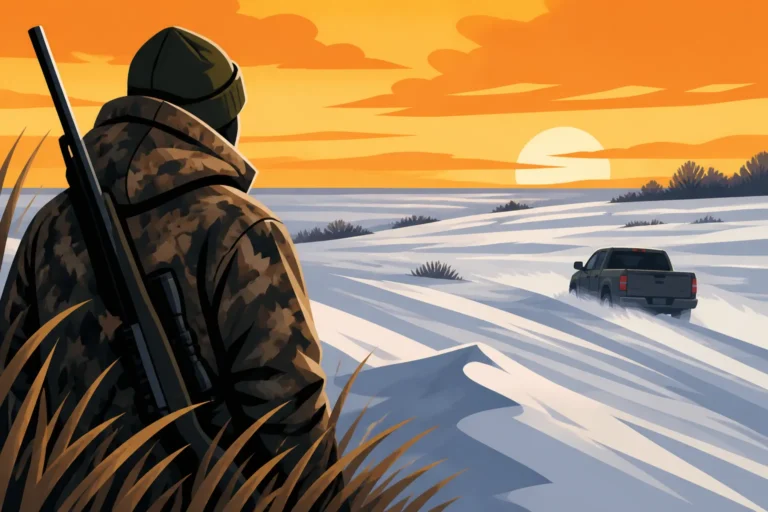
Saskatchewan late season hunting strategies help hunters navigate deep snow drifts and access remote whitetail deer and moose areas.
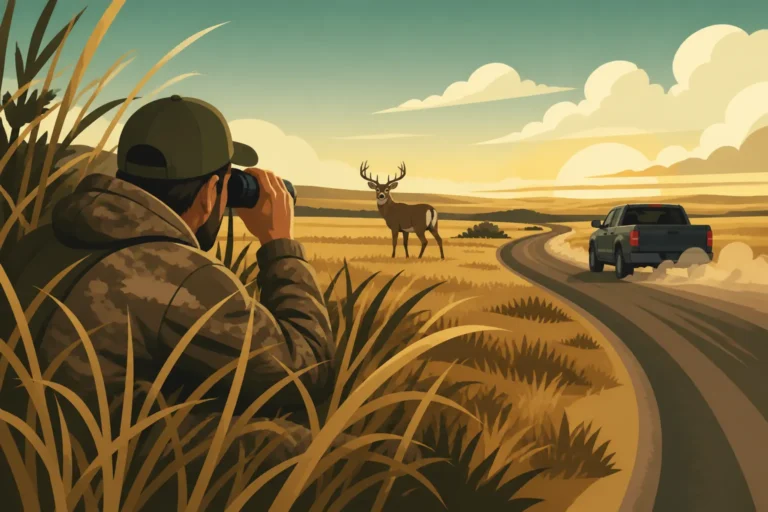
Saskatchewan grid road hunting methods help hunters find overlooked wildlife habitats, hidden cover spots, and low-pressure animal sanctuaries.
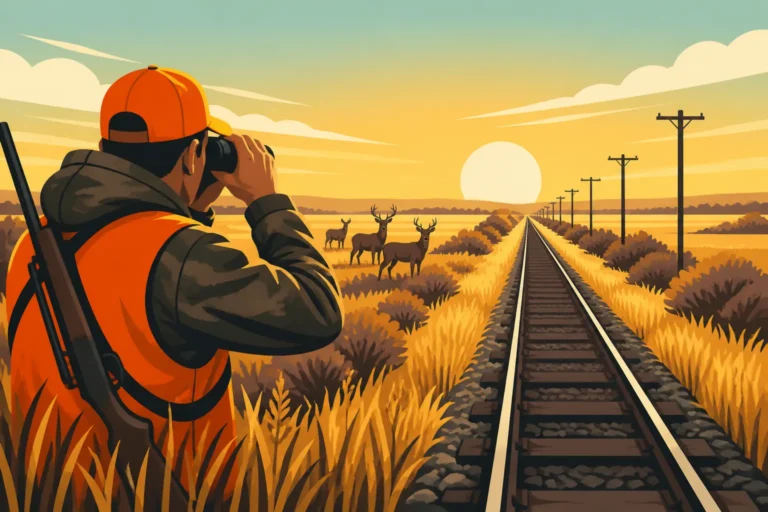
Saskatchewan railway rights-of-way feature complex federal laws, ownership rules, and severe legal restrictions regarding unauthorized hunting access.
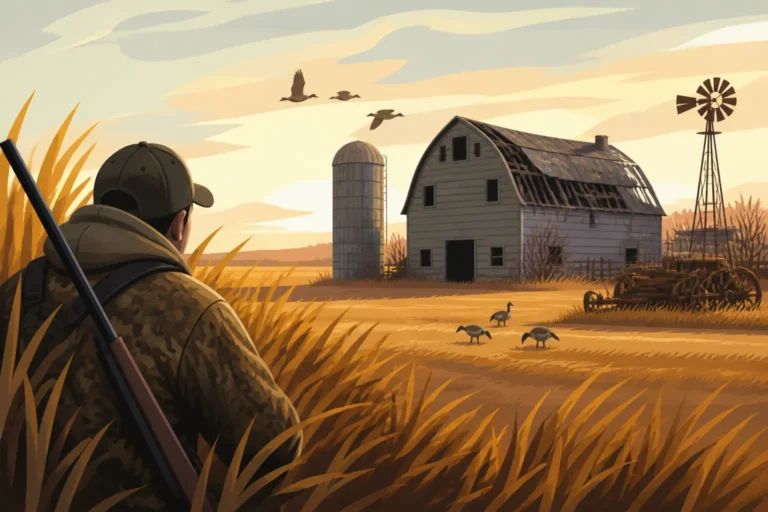
Abandoned Saskatchewan farmyards provide wildlife cover, food, and water, creating natural funnels for deer and other game.
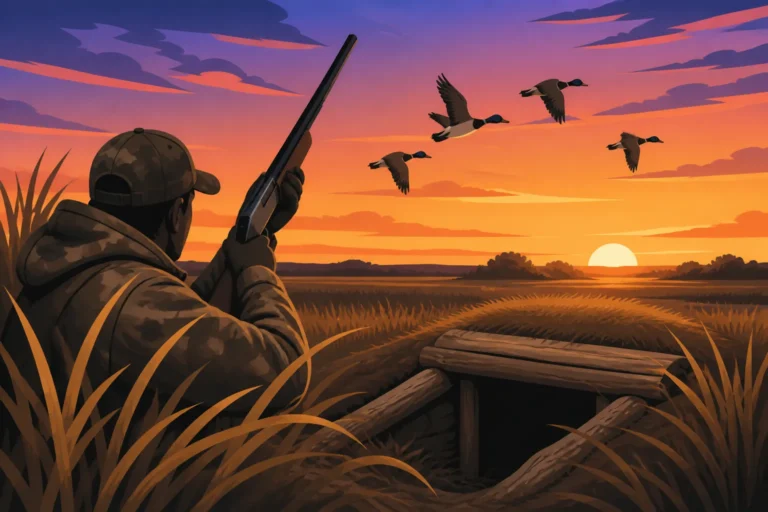
Saskatchewan dugouts serve as vital evening water sources that concentrate deer, moose, and elk for successful twilight hunting.
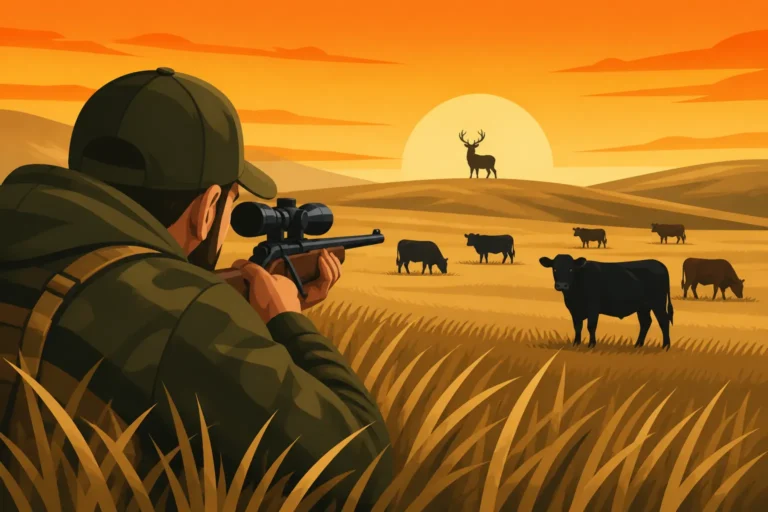
Saskatchewan cattle pastures provide big game food and cover, creating unique challenges for safe and ethical hunting strategies.
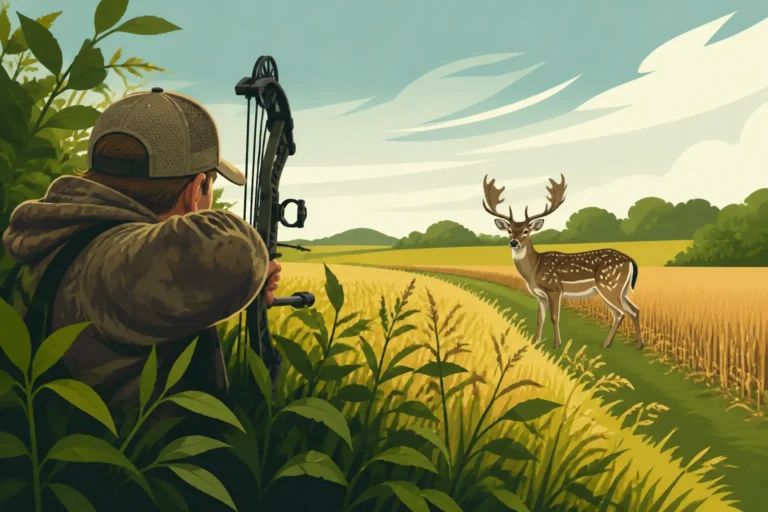
Saskatchewan summerfallow field borders provide whitetail deer security and travel routes, helping hunters locate hidden bucks.
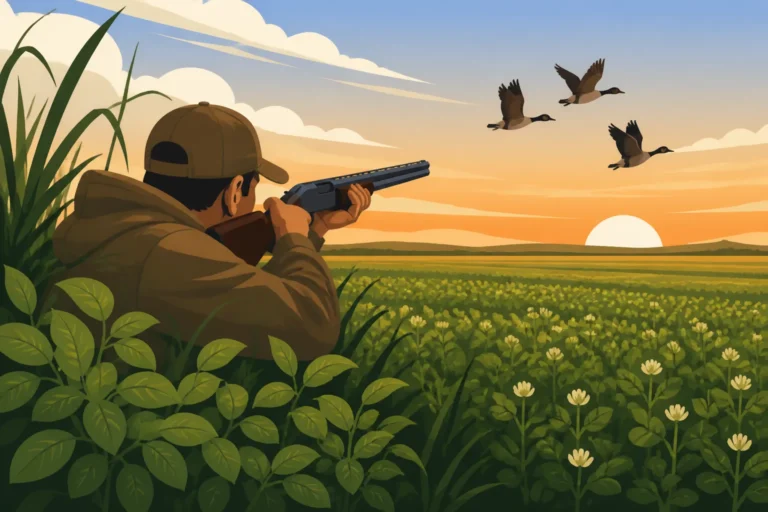
Saskatchewan lentil field edges provide high protein forage and travel corridors where deer and game birds gather to feed.
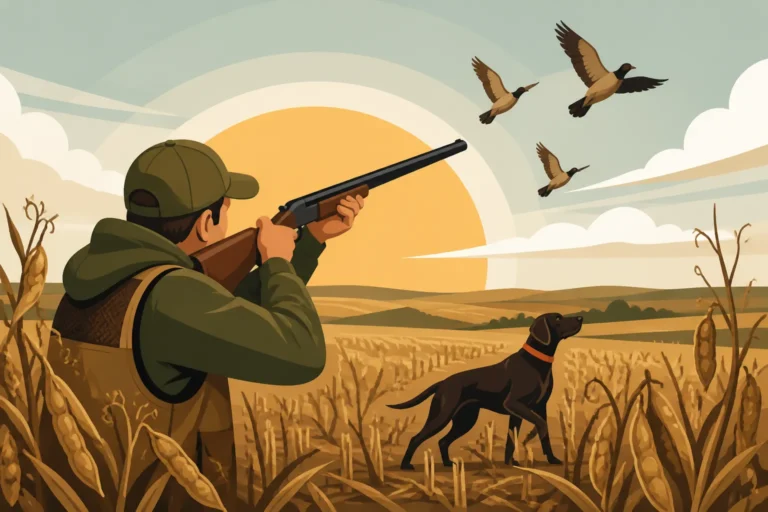
Saskatchewan harvested pea fields attract whitetail deer with leftover protein, serving as prime late season feeding locations.
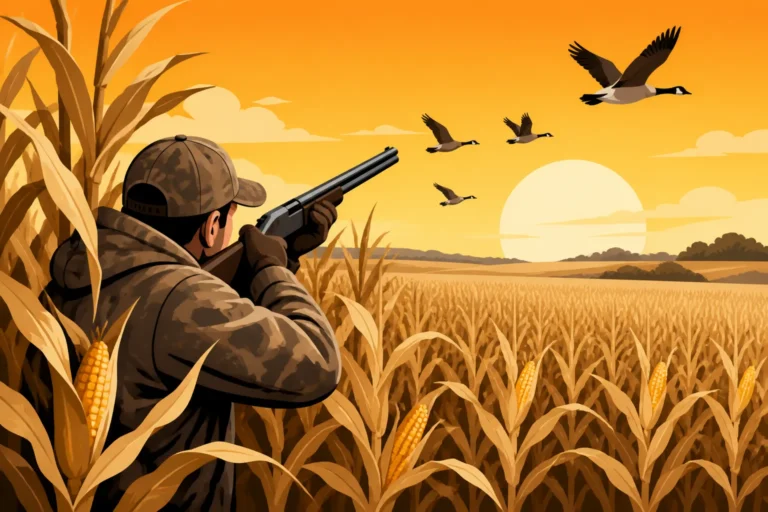
Hunting standing corn in Saskatchewan requires locating deer travel lanes, internal pathways, and bedding zones to succeed.