Hunting Saskatchewan Late When Cold Sets In
Saskatchewan late season hunting in sub zero temperatures requires surviving deep snow and adapting to shifted deer movement.
Find ground you can hunt.
National forest, BLM, and state land — WMAs, walk-in programs, unit boundaries, access rules, and how to get permission on private ground.
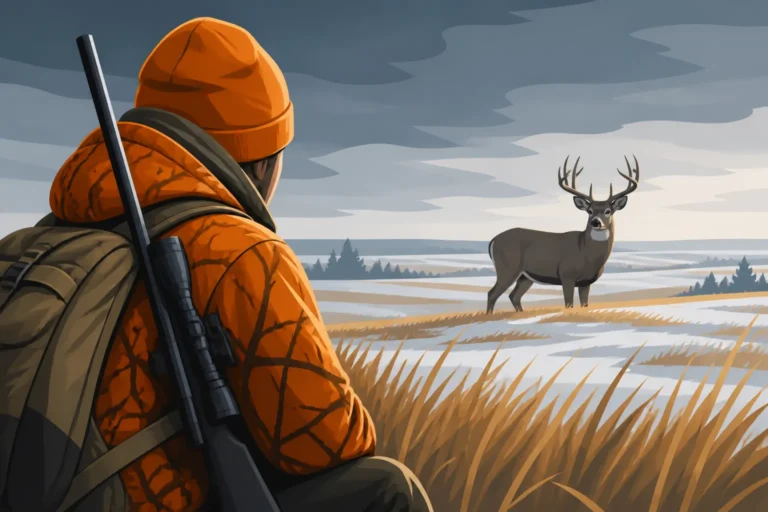
Saskatchewan late season hunting in sub zero temperatures requires surviving deep snow and adapting to shifted deer movement.
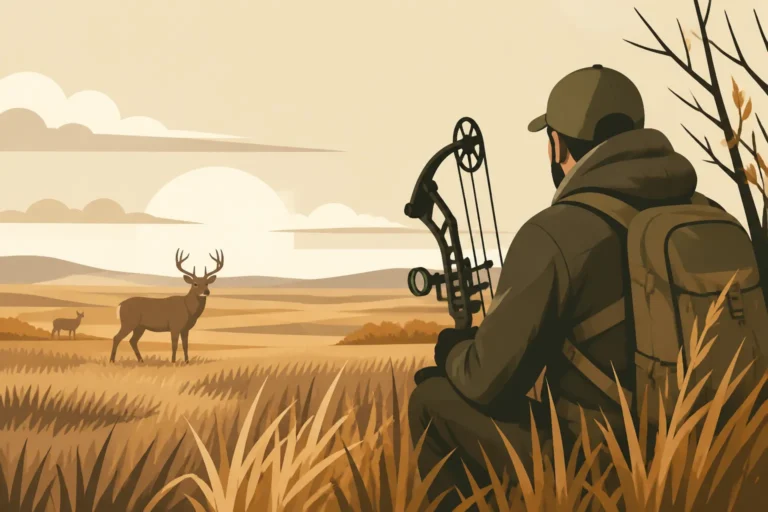
Saskatchewan hunting strategies during dry autumn conditions explain how water scarcity alters game movement, forage access, and quiet stalking.
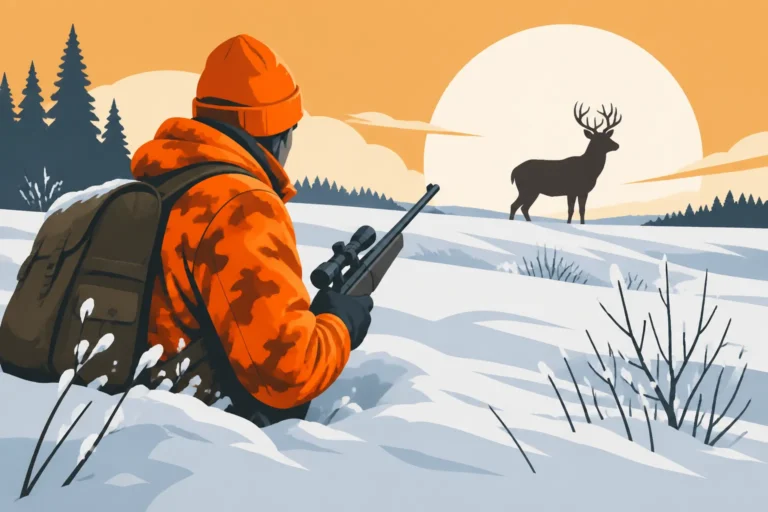
Deep snow changes animal movement and bedding areas in Saskatchewan, forcing game into smaller zones and restricting travel.
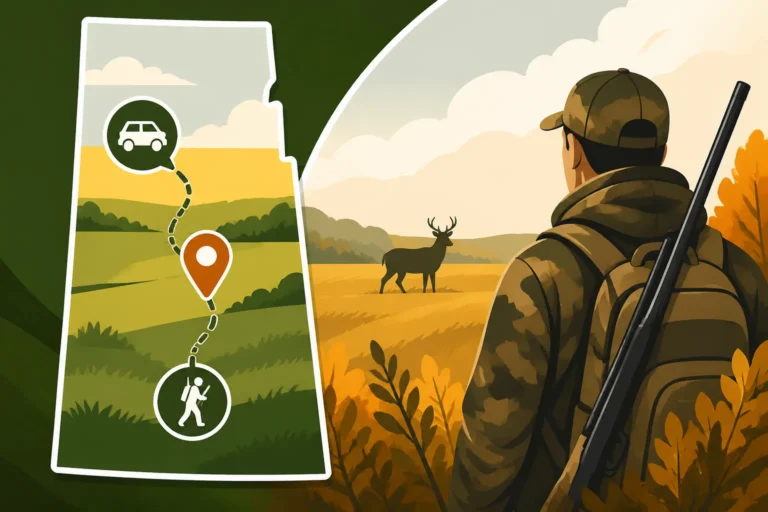
Saskatchewan hunters find legal parking spots, road allowances, and public walk-in access points across private and crown land.
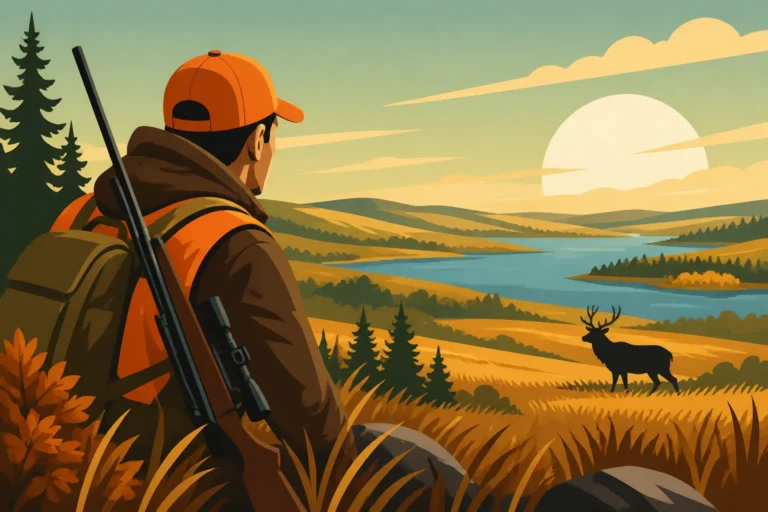
Saskatchewan recreation site regulations dictate where hunters can legally pursue big game species near provincial parks and local refuges.
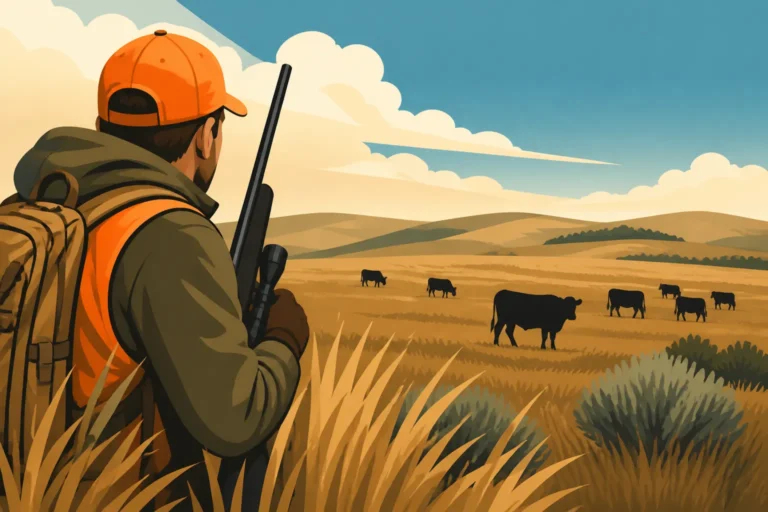
Saskatchewan hunters navigating pastures with grazing cattle learn safety practices, lease terms, and game movement habits.
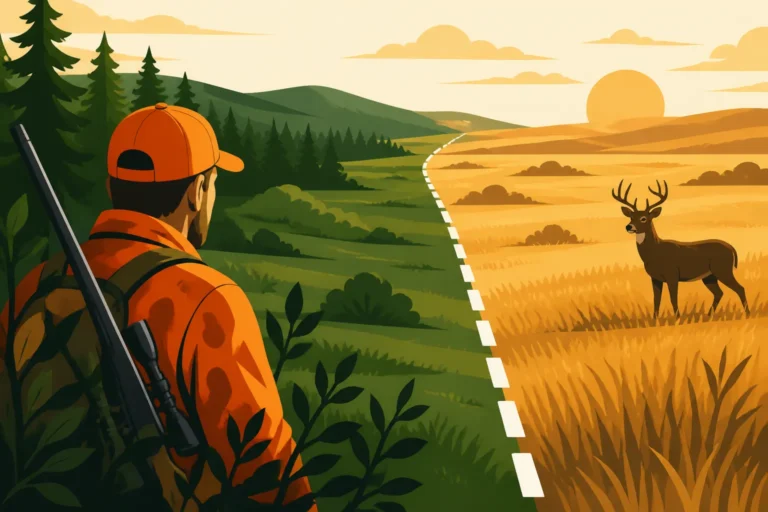
Saskatchewan regional park boundaries create wildlife sanctuaries, allowing hunters to target mature deer along adjacent property lines.
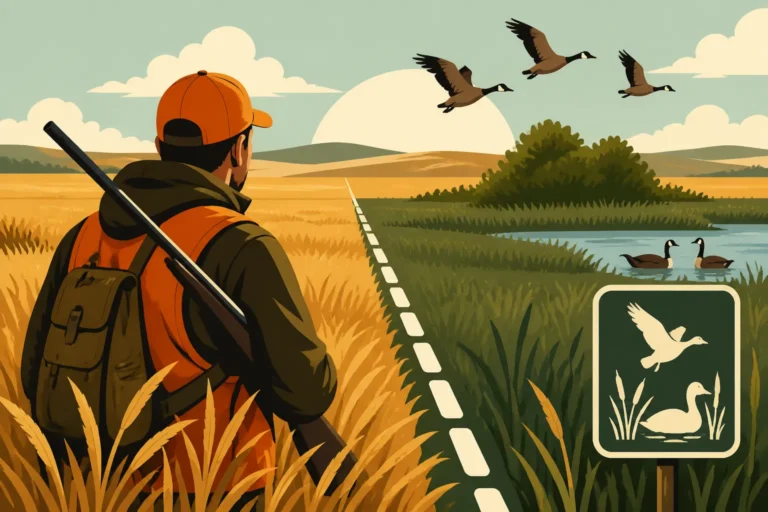
Saskatchewan wildlife refuge boundaries explain restricted hunting zones and how animals move near protected provincial lands.
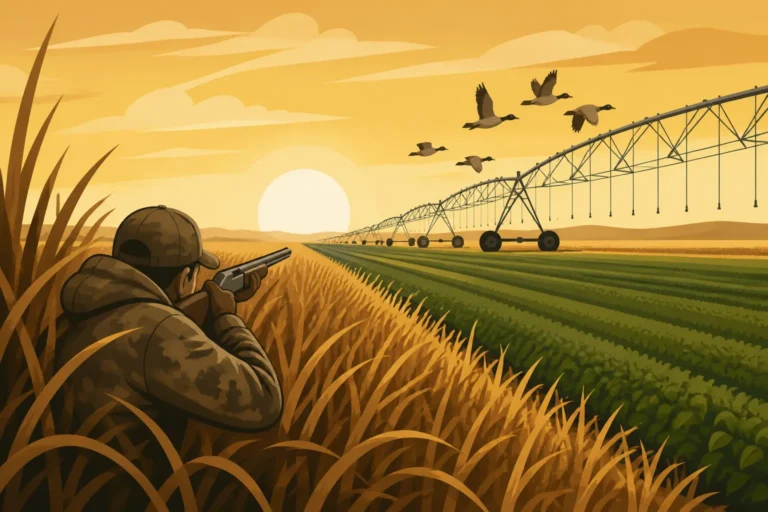
Saskatchewan irrigation district field edges offer hunters reliable big game access through consistent food, water, and dense cover.
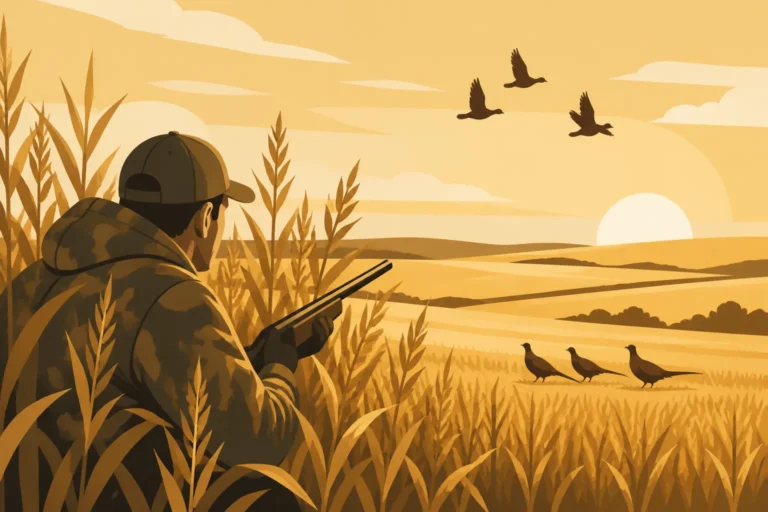
Saskatchewan whitetail and mule deer hiding in unharvested crops require specific hunting tactics for success in tall fields.