Saskatchewan Provincial Park Hunting Rules
It can be incredibly frustrating to scout out what looks like prime habitat only to discover it falls within the boundaries of a provincial park, leaving you wondering if your hunting dreams for that spot are dead in the water. Many hunters assume provincial parks are completely off-limits, but the reality in Saskatchewan is often more nuanced, with specific rules and designated areas that can sometimes allow for hunting. This comprehensive guide will break down Saskatchewan's provincial park hunting rules, clarify where opportunities might exist, and help you navigate the regulations so you can hunt legally and responsibly.
Understanding Saskatchewan's Provincial Park System
Saskatchewan boasts a diverse network of provincial parks and protected areas, each serving distinct purposes, from recreation to conservation. Understanding these different designations is crucial, as the rules for hunting can vary significantly between a bustling campground, a quiet wilderness area, or a natural environment park. The provincial government manages these lands with an emphasis on preserving natural ecosystems and providing public access for various activities, and hunting is sometimes part of that complex equation, albeit with strict conditions.
The Different Types of Parks and Their Purposes
When we talk about "provincial parks" in Saskatchewan, it's not a monolithic term. The system includes several categories, each with its own management objectives and, consequently, different rules for activities like hunting. You have your larger, multi-use Provincial Parks like Meadow Lake or Cypress Hills, which offer everything from camping and hiking to boating and fishing. Then there are smaller Provincial Recreation Sites, often focused around a lake or a specific natural feature, usually with day-use areas or basic campgrounds. Beyond these, you'll find more ecologically sensitive areas like Natural Environment Parks, which prioritize conservation, and even some designated Wilderness Areas.
The primary purpose of most provincial parks is to conserve natural and cultural heritage, while also providing recreational and educational opportunities. This balance often means that activities like hunting, which can impact wildlife populations and potentially conflict with other park users, are tightly controlled. It’s not just about what you can do, but where and how you can do it, respecting the overarching goals of the park system. Knowing which type of land you're looking at is the first step in figuring out if hunting is even a remote possibility.
General Hunting Prohibition in Core Areas
For the vast majority of developed provincial park areas – think campgrounds, picnic sites, hiking trails, interpretive centers, and popular visitor zones – hunting is generally prohibited. This makes perfect sense; you wouldn't want hunters operating in areas where families are camping or hikers are enjoying a peaceful walk. These core areas are designed for passive recreation and wildlife viewing, and introducing firearms or archery equipment would create significant safety concerns and diminish the experience for non-hunting visitors.
This blanket prohibition in developed zones is a standard practice across North America and Saskatchewan is no exception. It’s about ensuring public safety and maintaining the tranquility and recreational value that most park users expect. So, if you're eyeing a deer trail near a well-used boat launch within a provincial park, consider that area a definite no-go. Even if a specific park does have hunting opportunities, these will almost certainly be far removed from any high-traffic visitor areas. Always assume these core areas are off-limits and look for explicit permission or special designations elsewhere.
The Nuance: Where Hunting Might Be Permitted
While the general rule often leans towards no hunting in provincial parks, there are important exceptions and designated areas where it might be permitted. This isn't about arbitrary decisions; it's often a strategic part of wildlife management or a reflection of the park's specific land designation and its integration into the broader provincial landscape.
Designated Hunting Areas and Wildlife Management Zones
This is where the nuances really come into play. Some provincial parks, particularly the larger ones or those with extensive undeveloped sections, may have specific areas designated for hunting. These are not always obvious and require careful research. Often, these areas align with particular Wildlife Management Zones (WMZs) that extend into or border the park. For instance, a portion of a provincial forest that now falls within a provincial park boundary might retain its hunting designation for certain species or seasons.
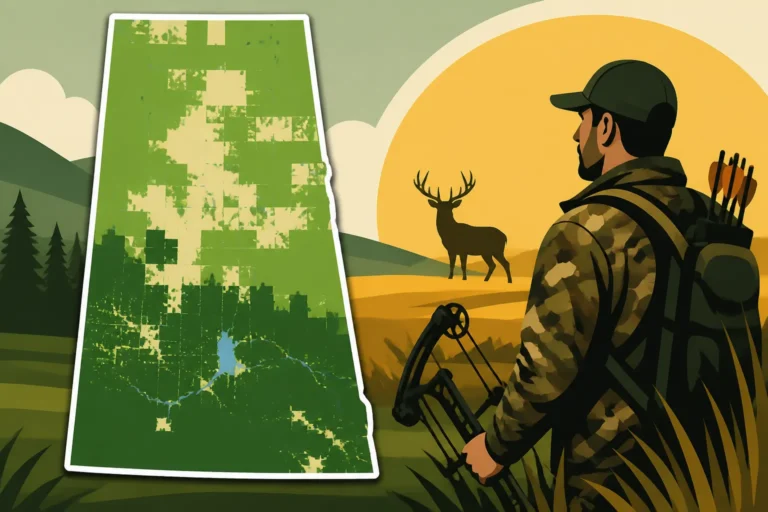
It's absolutely critical to understand that even within a park, these "designated hunting areas" will have very specific rules. They might be open only for certain species (e.g., deer, moose, or bear), during particular seasons, and often by draw only. You won't just wander in with a general licence. Always consult the current Saskatchewan Hunters' and Trappers' Guide, as well as specific park regulations, which can change annually. Tools like onX Hunt can be incredibly valuable here, as they often layer WMZ boundaries and public land data onto topographical maps, helping you visualize where these designated areas might exist relative to park boundaries. You can use these features to understand Reading a Saskatchewan WMZ Map Before You Go.
It's also worth noting that some land adjacent to, but not technically within, a provincial park might be open for hunting. This means scouting the perimeter of a park can sometimes reveal excellent opportunities, especially if that perimeter abuts Crown Land or even private land where you've secured permission. Just be absolutely certain of your location at all times to avoid inadvertently trespassing or hunting in a prohibited area. This boundary hunting can be highly effective, as game often uses the perceived sanctuary of the park during daylight hours and moves into adjacent huntable areas at dawn and dusk.
Special Draw Opportunities or Management Hunts
In even rarer circumstances, Saskatchewan Provincial Parks might offer special draw opportunities or organized management hunts. These are usually implemented for specific wildlife management objectives, such as controlling an overpopulation of a certain species that is impacting park ecosystems or posing a risk to public safety, or to address issues like chronic wasting disease (CWD) management.
These special hunts are typically highly controlled, with a limited number of tags issued through a specific draw process, and often involve strict conditions regarding the area, species, and methods of harvest. You won't find these widely advertised; they're usually communicated through official government channels, such as the HAL (Hunter and Angler Licence) system or the Ministry of Parks, Culture and Sport. An example might be an antlerless elk hunt in a specific part of a park to reduce herd size and mitigate agricultural damage on adjacent lands. These are not general hunting seasons but targeted management initiatives. Keeping an eye on the provincial hunting draw information, available via the HAL system, and staying informed through official government wildlife publications, can sometimes alert you to these unique, infrequent opportunities.
Key Regulations and Considerations for Park-Adjacent Hunting
Even if you find an area where hunting is permitted within or adjacent to a Saskatchewan Provincial Park, your responsibility doesn't end there. There's a whole layer of regulations and ethical considerations to navigate, particularly concerning boundaries, safety, and interactions with other park users.
Boundary Awareness and Spatial Tools
Understanding property lines and park boundaries is paramount. The consequences of accidentally hunting in a prohibited area or trespassing can be severe, ranging from fines to license suspension and equipment confiscation. This isn't just about avoiding trouble; it's about respecting the land, its designation, and the safety of everyone who uses it.
This is where modern technology becomes an indispensable ally. GPS-enabled mapping apps, especially those designed for hunters like onX Hunt or even tools that integrate with GoHunt, are invaluable. These applications typically overlay land ownership, provincial park boundaries, Wildlife Management Zones, and sometimes even specific hunting designations onto satellite imagery and topographical maps. You can see precisely where you are in relation to these critical lines in real-time, even without cell service if you download maps beforehand. This allows you to hunt confidently, knowing you are within legal boundaries. Without such tools, relying on vague descriptions or outdated paper maps can lead to costly mistakes. Always double-check your position, especially if you're approaching a known park boundary from an open hunting area. Knowing Reading Saskatchewan Crown Land Layers on onX can save you a lot of headaches.
Safety Zones and Non-Hunting Zones
Beyond the main developed areas of parks, there are often additional safety zones or non-hunting buffer zones that extend around specific features, even in areas where hunting might generally be allowed. These could include:
- Roadways and Trails: Many regulations prohibit shooting from or across provincial highways, grid roads, or even main park trails. You need to ensure a safe distance and clear line of sight.
- Dwellings and Buildings: There are typically rules against discharging a firearm or bow within a certain distance of occupied dwellings, cabins, or other structures, whether inside or immediately adjacent to a park boundary. This protects residents and visitors alike.
- Developed Recreation Areas: Even if you're in a huntable portion of a park, you cannot shoot towards or within a certain proximity of picnic sites, viewpoints, or other areas where non-hunters might be present.
These safety zones are non-negotiable. They are designed to prevent accidents and ensure that all park users can enjoy the natural environment without fear. It’s your responsibility as a hunter to be fully aware of these specific distances and limitations, which are outlined in the annual Saskatchewan Hunters' and Trappers' Guide. When in doubt, err on the side of caution. A cautious approach demonstrates respect for the rules and for others who share the landscape.
Obtaining Information and Permissions
Navigating the complexities of hunting rules, especially around provincial parks, demands diligent research. You can't just assume anything; you need to verify every detail through official channels to ensure you're compliant and hunting legally.
Consulting Official Sources
The absolute best resource for current hunting regulations in Saskatchewan is the official Saskatchewan Hunters' and Trappers' Guide. This guide is published annually by the Ministry of Environment and outlines all the legal requirements, season dates, limits, and specific rules for various species and Wildlife Management Zones. It will explicitly detail any provincial park areas that are open to hunting and under what conditions. Never rely on hearsay or old information; always consult the latest guide.
Beyond the general hunting guide, you should also check with the specific provincial park office you intend to hunt near or within. Park staff can often provide localized information, clarify boundaries, and inform you of any temporary closures or specific conditions that might not be in the general provincial guide. They are the experts on their particular park's regulations and environmental considerations. You can also consult the Saskatchewan Parks, Culture and Sport website for more park-specific information. Remember that Where to Read the Hunting Guide is always your first stop.
Navigating the Provincial Park System
Once you've done your homework with the official guides, the next step is often to make direct contact. Don't be shy about reaching out to park managers or the Ministry of Environment's regional offices. These individuals are there to help manage wildlife and public land, and they can provide invaluable, up-to-the-minute information.
When you contact them, be prepared with specific questions:
- "Are there any areas within [Park Name] that are open to hunting for [Species] during the upcoming season?"
- "What are the specific boundaries for these areas, and are there any additional restrictions not listed in the general guide?"
- "Do I need any special permits beyond my provincial hunting license and species tag?"
- "Are there any active management hunts scheduled for this area?"
Being polite, clear, and specific in your inquiries will help you get the most accurate information. Building a positive relationship with park staff is also an excellent practice for responsible hunters. They appreciate hunters who are proactive about understanding and following the rules. Moreover, they might be able to guide you to adjacent Crown Lands or even direct you on Hunting Saskatchewan's Crown Land Access if the park itself isn't an option.
Ethical Hunting and Conservation within or Near Parks
Hunting is not just about following the rules; it's about upholding a strong ethical code and contributing to conservation efforts. This is especially true when operating in or around provincial parks, where wildlife is often viewed by a broader public and where the conservation mission is paramount.
Minimizing Impact and Respecting Park Users
When you're hunting in or around a provincial park, you're a representative of the entire hunting community. Your actions reflect on all of us. This means going above and beyond basic regulations to minimize your environmental impact and show respect for all other park users.
Consider these ethical practices:
- Leave No Trace: Pack out everything you pack in. This includes spent shell casings, food wrappers, flagging tape, and any other debris. The goal is to leave the area looking exactly as you found it, if not better.
- Noise Awareness: Be mindful of noise, especially during peak visitor times. While a certain level of noise is unavoidable in hunting, unnecessary shouting, loud music, or excessive ATV use can disturb other park users and wildlife.
- Respecting Non-Hunters: You will likely encounter hikers, bird watchers, photographers, and other outdoor enthusiasts. Be courteous and polite. Understand that their experience of nature is just as valid as yours. Maintain a low profile, avoid confrontations, and if you're carrying a harvested animal, do so discreetly and respectfully. Education and positive interactions can help bridge the gap between different user groups.
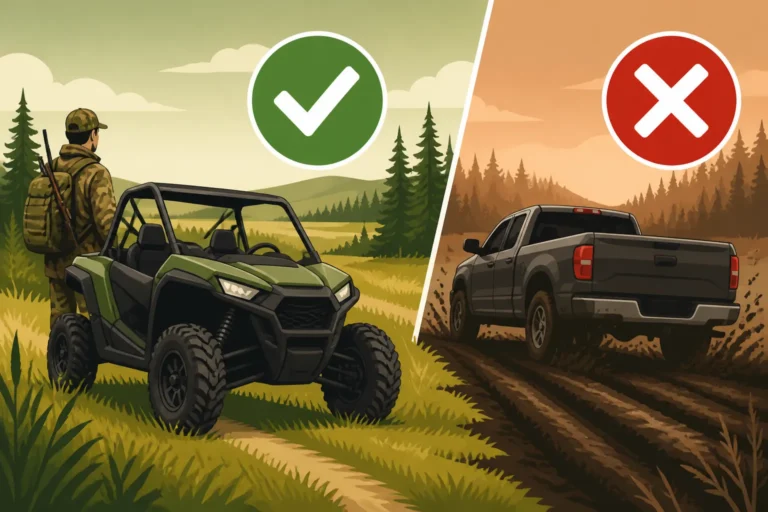
- Vehicle Use: Stick to designated trails and roads. Going off-road can damage sensitive habitats and create new access points that weren't intended. Remember that Quad and Side-by-Side Rules on Crown Land also apply to many adjacent areas.
By adhering to these principles, you not only ensure your hunt is ethical but also help foster a positive image of hunting within a shared natural landscape.
Wildlife Management Goals and Park Integrity
Hunting, when permitted in or around provincial parks, is often integrated into broader wildlife management strategies. It's not just about sport; it's about maintaining healthy wildlife populations and ensuring the ecological integrity of the park and surrounding areas. For example, managed hunts can help prevent overgrazing, reduce disease transmission, or mitigate human-wildlife conflicts.
As a hunter, understanding these larger conservation goals helps you appreciate your role beyond simply harvesting an animal. By participating in regulated hunts, you are contributing to the sustainable management of these valuable resources. This might mean adhering to specific antler point restrictions, participating in mandatory CWD testing (as detailed in Saskatchewan's CWD Testing Rules), or following guidelines that protect sensitive habitats.
Provincial parks are vital to Saskatchewan's natural heritage, serving as sanctuaries and recreational havens. Hunting within or near these areas is a privilege, not a right, and it comes with the responsibility to uphold the highest standards of ethics and conservation. By being well-informed, respectful, and committed to sustainable practices, hunters can be valuable partners in preserving these beautiful lands and their wildlife for generations to come.
| Land Type | General Hunting Allowance | Key Considerations |
|---|---|---|
| Provincial Parks | Generally Prohibited | Specific designated areas or special draws may exist. |
| Provincial Rec Sites | Generally Prohibited | Small, developed sites; very unlikely to allow hunting. |
| Natural Environment Pks | Highly Restricted | Focus on conservation; hunting rare, if ever. |
| Wilderness Areas | Highly Restricted | Primitive areas; hunting extremely limited, if allowed. |
| Crown Land (adjacent) | Generally Permitted | Check WMZ rules, land status; private land permission needed if applicable. |
| FWDF Lands | Generally Permitted | Public access lands for hunting; check specific rules. |
Disclaimer
This article is for general informational purposes only and does not constitute professional advice. Laws, prices and regulations vary by location and change over time. Consult a qualified professional for guidance on your specific situation.