Saskatchewan Rifle Season Dates
Trying to figure out the exact rifle season dates for your dream hunt in Saskatchewan can feel like deciphering an ancient scroll, especially with all the different zones, species, and draw complexities. It's a genuine headache, leaving many hunters anxious about missing key windows or applying for the wrong tags. This comprehensive guide will walk you through the nuances of Saskatchewan's rifle season dates for various big game animals, ensuring you're armed with the knowledge to plan your next successful outing.
Understanding Saskatchewan's Zone System for Rifle Seasons
Saskatchewan isn't a "one-size-fits-all" province when it comes to hunting seasons. The vast and varied landscape, from the southern prairies to the dense boreal forest, necessitates a detailed management approach. This means that rifle seasons, particularly for big game, are meticulously structured around a system of Wildlife Management Zones (WMZs). Ignoring this system is a sure-fire way to end up on the wrong side of regulations, or worse, miss your opportunity entirely.
How Wildlife Management Zones Dictate Seasons
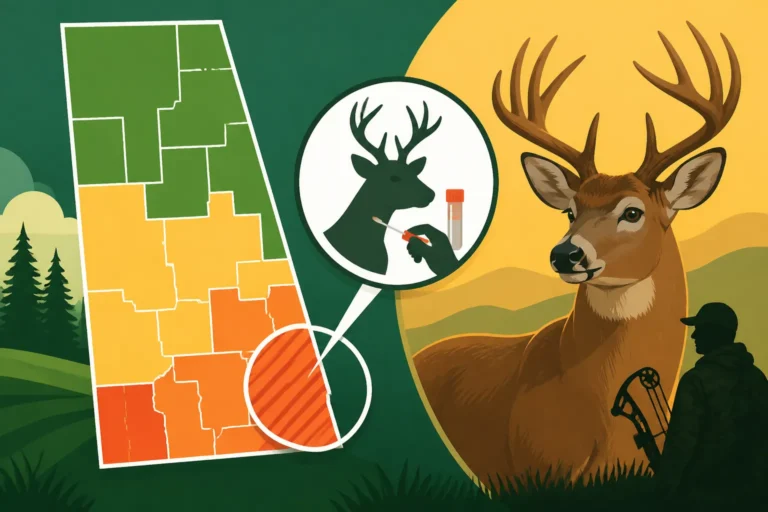
Every corner of Saskatchewan, save for a few protected areas, falls into a specific Wildlife Management Zone. These zones are the backbone of the province's game management strategy. Each WMZ has its own set of rules, including specific season dates, bag limits, and often, which species are available for hunting. The reason for this granular approach is simple: population management. A healthy whitetail population in the parkland region might support a longer rifle season, while a more fragile moose population in a northern forest zone might require a shorter, draw-only season to ensure sustainability. It’s a delicate balance designed to protect the resource while still providing ample opportunity for hunters.
For example, a zone on the edge of the boreal forest might have significantly different deer dates than a zone deep in the agricultural belt, simply because deer behavior, migration, and pressure from predators and humans vary so drastically. If you're researching potential hunting grounds, you absolutely need to start by identifying the WMZ and then cross-referencing it with the current hunting guide. Many seasoned hunters will tell you that the difference between a successful hunt and a frustrating one often boils down to this initial, crucial step. Tools like GoHunt can be invaluable here, offering detailed maps and zone breakdowns that cut through the confusion of official government documents.
Why Zones Vary So Much in Dates
The variation in season dates across Saskatchewan's WMZs isn't arbitrary; it's a reflection of ecological realities, harvest objectives, and even social factors. Think about the rut for whitetail deer. While it generally peaks province-wide in early to mid-November, the availability of rifle seasons around this critical time can differ. Some zones might open their general rifle season just before the rut, allowing hunters to capitalize on pre-rut movement, while others might push it slightly later to focus on post-rut recovery periods for the animals.
Habitat type plays a massive role too. Zones dominated by agricultural land might have longer general seasons to help manage crop damage, whereas zones with more sensitive ecosystems or smaller, isolated populations of certain species, like elk, will have tightly controlled, shorter seasons. These decisions are informed by population surveys, harvest data, and expert biologists who are constantly monitoring the health of Saskatchewan's game animals. It’s not just about when a species is most active, but also about the overall impact hunting has on its long-term viability. Understanding "Why Saskatchewan Bucks Grow So Large" in certain areas, for instance, often ties back to specific habitat and management strategies within those zones.
Locating Your Specific Zone and Its Rules
Before you even think about loading your rifle or packing your gear, you must locate the specific Wildlife Management Zone you plan to hunt in and thoroughly review its regulations. This sounds obvious, but it’s amazing how many hunters overlook this critical step. The provincial hunting guide, available online through the Saskatchewan government website, is your bible. It contains detailed maps and tables for every WMZ, outlining the exact season dates for all huntable species.
However, sometimes those maps can be a bit clunky to navigate, especially if you're not intimately familiar with the region. This is where modern hunting apps and digital mapping services really shine. Platforms like GoHunt provide interactive maps where you can overlay WMZ boundaries directly onto satellite imagery, making it incredibly easy to see where one zone ends and another begins. This is particularly helpful when you're scouting new areas or trying to ensure you're not accidentally crossing into a different zone with different dates and regulations. Always double-check the current year's hunting guide as dates can shift slightly from year to year. Knowing how to read a Saskatchewan WMZ map before you go is fundamental to a lawful and enjoyable hunt.
Key Rifle Season Dates for Saskatchewan's Most Sought-After Big Game
For many hunters, the rifle season is the pinnacle of their year, offering a prime opportunity to pursue big game. Saskatchewan boasts some incredible opportunities, but the dates are highly specific, and knowing them is paramount.
Whitetail Deer Rifle Seasons
Saskatchewan is world-renowned for its whitetail deer hunting, particularly for impressive bucks. The general rifle season for antlered whitetails typically opens in early to mid-November across most of the province, coinciding with the peak of the rut. This timing is deliberate, aiming to give hunters access during a period when mature bucks are most active and vulnerable, actively seeking does. This is precisely why so many hunters target the rut in early to mid-November. The season usually runs for a couple of weeks, with some zones extending into early December.
For antlerless whitetails, opportunities vary. Many zones have a concurrent antlerless season, but these tags are often obtained through the annual big game draw. Some zones might also have extended antlerless seasons or even separate archery and muzzleloader seasons. It's crucial to consult the "Saskatchewan Whitetail Season Dates by Zone" in the current hunting guide, as specific opening and closing dates can differ by a few days from one zone to the next. For instance, northern forest fringe zones might have slightly different dates than those in the open prairie, reflecting population dynamics and hunter access. Always confirm your specific zone and its unique dates.
Mule Deer Rifle Seasons
Mule deer in Saskatchewan are primarily found in the rugged southern prairie and parkland regions. Unlike whitetails, mule deer rifle opportunities are often more restricted, reflecting their more sensitive population dynamics and specific habitat requirements. Most antlered mule deer tags are allocated through the annual big game draw, making them a coveted prize.
The rifle season for drawn antlered mule deer typically runs for a specific period in the fall, often overlapping with or immediately following the general whitetail season, usually in mid-November. There are specific "Where Mule Deer Are Buck Only" regulations, and antlerless mule deer opportunities are even more limited, usually available only through specific draws in certain zones. If you’re lucky enough to draw a mule deer tag, you’ll want to pay extremely close attention to the exact dates for your specific zone. Missing a single day could mean missing your chance. Hunters often find success spotting and stalking mule deer in Saskatchewan, but knowing your season dates is the first step.
Moose and Elk Rifle Seasons
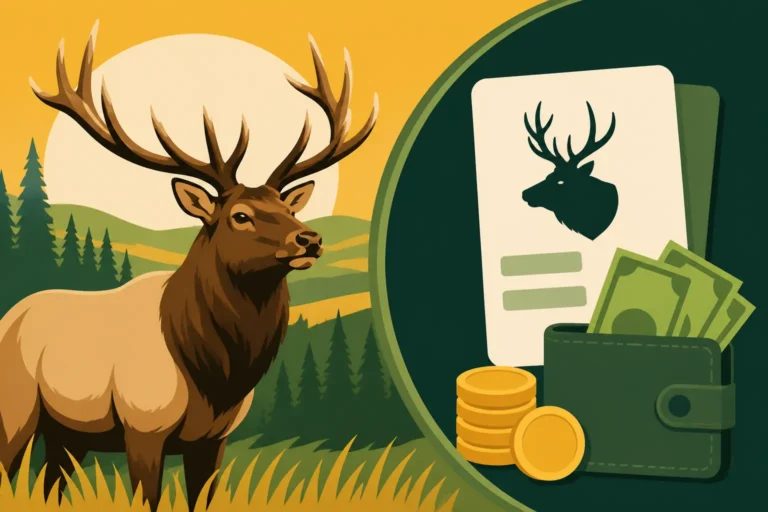
Moose and elk are also popular big game animals in Saskatchewan, offering challenging and rewarding hunts. However, their rifle seasons are almost exclusively draw-only across the province, especially for antlered animals. This is a critical distinction that often catches new hunters off guard. You cannot simply buy an over-the-counter moose or elk tag and go rifle hunting; you must apply through the "Saskatchewan's Big Game Draw" well in advance.
Moose rifle seasons vary widely depending on the WMZ and the type of tag (antlered, antlerless, calf). Some zones may have an early rifle season in October, while others might focus on November or even late November into early December. Elk seasons follow a similar pattern, with dates contingent on the specific WMZ and whether it's an antlered or antlerless draw. The "Saskatchewan Moose Season Dates" and "Saskatchewan Elk Season Dates" sections of the hunting guide are vital resources for drawn hunters. Given the rarity of these tags, ensuring you have the precise dates for your drawn zone is non-negotiable.
Navigating Species-Specific Rifle Seasons and Restrictions
While deer, moose, and elk grab most of the headlines, Saskatchewan offers rifle opportunities for other species as well, each with its own specific season dates and regulations. It’s worth exploring these options to extend your hunting season or try something new.
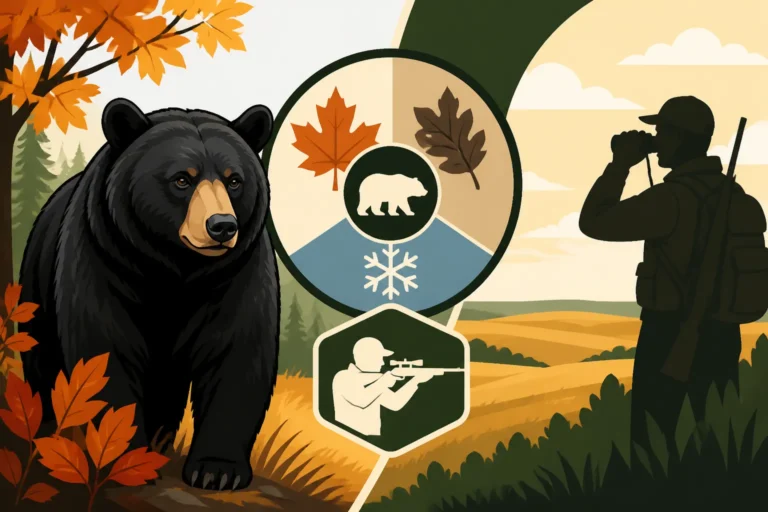
Bear Hunting Rifle Seasons
Black bears are found predominantly in Saskatchewan's central and northern forests. Unlike most big game, black bears have both a spring and a fall rifle season, and often, tags are available over-the-counter or with very high draw odds, making them more accessible.
- Spring Bear Season: Typically opens in mid-April or early May, running through to mid-June. This is a popular time, as bears are emerging from dens, actively feeding, and their coats are in prime condition. "Spring Bear Hunting Saskatchewan's Cutlines" can be a productive method during this period.
- Fall Bear Season: Usually coincides with the general big game seasons, often running from early September through to late October or early November, sometimes even extending into December in certain zones. This season often allows for combination hunts with other species.
Regulations regarding baiting, evidence of sex, and specific zones are crucial for bear hunters. "Saskatchewan Black Bear Season Dates" will provide the definitive calendar for planning your hunt. Keep in mind that some areas might have specific limitations or even closures depending on localized bear populations or land access rules.
Pronghorn Hunting Rifle Seasons
Pronghorn, North America's fastest land animal, offers a unique hunting experience in the open landscapes of southwestern Saskatchewan. Similar to mule deer, pronghorn rifle tags are almost exclusively obtained through a draw system, emphasizing sustainable management of these iconic prairie animals.
The rifle season for pronghorn is typically very short, often just a week or two, usually falling in early October. This brief window is designed to coincide with a period of good weather before the harsh prairie winter sets in, and before the animals disperse widely. If you're fortunate enough to draw a pronghorn tag, you'll need to be extremely prepared to capitalize on this limited timeframe. "Saskatchewan Pronghorn Draw Rules" are essential reading for anyone hoping to pursue these animals. The hunting style for pronghorn is often spot-and-stalk across vast, open ground, making accurate long-range shooting and quick decision-making paramount.
Predator and Upland Bird Rifle Opportunities
Beyond the traditional big game, Saskatchewan offers year-round or extended rifle seasons for certain predators and small game, providing excellent opportunities for skill-building and additional outdoor time.
- Coyotes: Rifle hunting for coyotes is generally open year-round across most of Saskatchewan, with few restrictions on method, outside of urban areas or private land without permission. This provides a fantastic opportunity for calling coyotes in Saskatchewan stubble, especially in winter when their pelts are prime.
- Wolves: Found primarily in the northern forest zones, wolves typically have an extended rifle season, often from September 1st through to March 31st or later. However, specific regulations and zones may apply, and some areas might require specific permits.
- Upland Birds: While shotguns are the traditional tool, rifles (usually rimfire or small-calibre centerfire) can be used for certain upland birds like spruce grouse or ruffed grouse, particularly in specific scenarios or during specific seasons, though this is less common for "walking up sharp-tailed grouse in Saskatchewan" in open country. It's imperative to check the "Saskatchewan Upland Bird Seasons" for legal methods and zones, as rules can vary.
These opportunities are often overlooked but can provide a challenging and rewarding hunting experience, allowing you to practice your marksmanship and learn about different species behavior outside of the main big game seasons.
The Impact of Draw Seasons on Your Rifle Hunting Plans
One of the biggest hurdles for many hunters in Saskatchewan isn't just knowing the season dates, but understanding how the draw system fundamentally shapes access to those seasons. Many of the most coveted big game tags are not "over-the-counter" and require a successful draw application.
Understanding Draw-Only vs. Over-the-Counter Species
This is a critical distinction in Saskatchewan hunting.
- Draw-Only Species: For animals like antlered mule deer, moose, elk, and pronghorn, you must apply for a special licence through the annual big game draw. Success in this draw grants you the right to purchase a tag for a specific species in a specific WMZ for that year's season. This means that even if you know the season dates, you can't hunt these animals with a rifle unless you've successfully drawn a tag. These are often the most difficult tags to get, especially for trophy animals like "Why Trophy Moose Only Clears in Legacy".
- Over-the-Counter (OTC) Species: For resident hunters, general antlered whitetail deer and black bear tags are typically available for purchase without going through a draw. This means if you want to hunt these species with a rifle, you simply purchase your licence and adhere to the general season dates for your chosen WMZ. However, even for whitetails, antlerless tags are often draw-only, and non-residents almost exclusively hunt through outfitters for all big game species.
It's a system designed to manage harvest pressure and ensure sustainable populations. Many first-time Saskatchewan hunters, especially those from outside the province, find this system complex. Familiarizing yourself with "Which Saskatchewan Species Are Draw Only" is the first step in planning your rifle hunt.
Saskatchewan's Big Game Draw Deadlines and Results
The timing of the big game draw is as crucial as the season dates themselves. The draw application period typically opens in May and closes in late May or early June. You apply for your desired species and zone during this window. "Saskatchewan's Big Game Draw Deadlines" are strictly enforced, and missing it means you're out of luck for that year for draw-only species.
Results are usually posted in late June or early July. If you're successful, you then have a window to purchase your drawn licence. Unsuccessful applicants can then look to purchase OTC tags or apply for any remaining antlerless tags that might become available. This timeline means you have to plan your rifle hunt months in advance of the actual season. It's a test of patience, but a necessary part of hunting for certain species in the province. GoHunt's draw odds data can be a real game-changer here, helping you make informed decisions about which zones to apply for, increasing your chances of drawing a tag.
Planning Your Hunt Around Draw Success
The uncertainty of the draw can make planning a rifle hunt a bit of a challenge. Many hunters will have a "Plan A" (if I draw my top choice) and a "Plan B" (if I don't).
- If You Draw: Congratulations! You can now firm up your travel plans, book accommodation, and focus your scouting efforts on your specific drawn WMZ and its rifle season dates. You've secured your opportunity.
- If You Don't Draw: This is where flexibility comes in. You can still pursue OTC species like general whitetail deer or black bear. Many hunters will then pivot to these hunts, focusing on the general rifle season dates. Alternatively, you might decide to shift your focus to upland birds or predators. Some hunters even use their non-draw status to apply for specific "Saskatchewan Antlerless Draw Rules" if they become available in the fall, or explore different hunting methods like "Bowhunting Saskatchewan's September Season" if they have an archery tag.
It’s all about having a backup plan. The draw system often means that a significant portion of your rifle hunting strategy is determined long before the leaves even begin to change colour in the fall.
Important Considerations Beyond Just the Dates
While knowing the rifle season dates is fundamental, a truly prepared hunter understands that dates are just one piece of a much larger puzzle. Many other regulations and practical considerations will shape your hunt.
Blaze Orange Requirements and Safety
Safety is always paramount, and during Saskatchewan's rifle seasons, "Saskatchewan Blaze Orange Rules" are strictly enforced for good reason. All hunters, and accompanying individuals, must wear a minimum amount of blaze orange (often referred to as hunter orange) to be visible to other hunters. This typically means a vest and headwear that are clearly visible from all sides. The specific requirements can be found in the hunting guide, but generally, it's about being seen and staying safe in the field.
Rifle season often coincides with higher hunter densities, especially on public lands or popular hunting areas. Being visible reduces the risk of accidental shootings. Furthermore, understanding the safe handling of firearms, proper target identification, and shooting lanes are critical. Every hunter should have completed "Saskatchewan Hunter Education Requirements" to ensure they understand these vital safety protocols. Never assume you are the only hunter in the area, and always positively identify your target and what lies beyond it before taking a shot.
Land Access and Permission During Rifle Season
Knowing the season dates for your chosen WMZ is useless if you don't have a place to hunt. Land access is a massive consideration in Saskatchewan, where a significant portion of huntable land is privately owned.
- Private Land: For private land, written permission from the landowner is legally required. This isn't just a courtesy; it's the law. Many prime hunting spots are on private farms and ranches, so securing permission beforehand is crucial. The rifle season, especially during the rut, can be a busy time, and landowners appreciate hunters who ask well in advance and respect their property. Understanding "Saskatchewan Landowner Permission Law" is essential to avoid trespassing charges.
- Crown Land: Saskatchewan does offer public hunting opportunities on Crown land, but even here, rules apply. Not all Crown land is accessible by vehicle, and some areas may have specific restrictions. Always refer to maps that clearly delineate Crown land and know "Quad and Side-by-Side Rules on Crown Land" if you plan to use off-road vehicles. "Hunting Saskatchewan's Crown Land" can be very rewarding, but often requires more effort to scout and access.
- FWDF Lands & Community Pastures: The Fish and Wildlife Development Fund (FWDF) lands and certain community pastures also offer hunting opportunities, but again, check the specific rules for each, as some may require permits or permission from the pasture manager.
Always be respectful, leave no trace, and ensure you understand exactly where you are hunting. Many an otherwise successful rifle hunt has been derailed by simple misunderstandings about land access. "Saskatchewan Posted Land Sign Rules" should be reviewed to properly identify whether a piece of land is open or closed to hunting.
Weather and Road Conditions in Late Fall/Early Winter
Saskatchewan's rifle seasons, particularly for big game, fall in late autumn and early winter. This means hunters must be prepared for rapidly changing and often extreme weather conditions. One day could be crisp and sunny, the next could bring a blizzard and plummeting temperatures.
- Temperature Extremes: Expect temperatures to range from mild positives to well below freezing. Layering is key for staying warm and comfortable during long waits in a blind or while tracking through snow. Hunting Whitetails at Thirty Below is a real possibility in late November or December.
- Snow and Ice: Snowfall can begin in October and can become significant by November. This can affect visibility, tracking conditions, and crucially, road access. Many gravel grid roads, especially in remote areas or the forest fringe, can drift shut after heavy snow, stranding hunters. "Hunting Saskatchewan Winter Weather Safely" is not just advice, it's a requirement. A good "Winter Truck Kit for a Saskatchewan Hunt" is non-negotiable.
- Frozen Water Bodies: While frozen sloughs and rivers might offer new crossing points for animals, they can also pose significant hazards for hunters. Always exercise extreme caution around ice, as thickness can vary dramatically.
Being prepared for the elements isn't just about comfort; it's about safety. Hypothermia, frostbite, and getting stuck far from help are serious risks that come with hunting in Saskatchewan's late seasons. Check local weather forecasts diligently and have a contingency plan for unexpected conditions.
Saskatchewan Big Game Rifle Season Summary (Residents)
To give you a quick overview, here's a general summary of common rifle season dates for resident hunters in Saskatchewan. Always, always refer to the current year's official hunting guide for precise and up-to-date information for your specific WMZ, as dates are subject to change.
| Species (Resident) | General Season Dates (Approx.) | Typical WMZs | Licence Type | Notes |
|---|---|---|---|---|
| Whitetail Deer (Antlered) | Mid-November – Early December | Province-wide (excluding specific zones) | Over-the-Counter | Coincides with rut, check specific WMZ for exact dates. |
| Whitetail Deer (Antlerless) | Mid-November – Early December | Varies by zone, often specific WMZs | Draw-Only | Limited availability, often for specific WMZs. |
| Mule Deer (Antlered) | Mid-November | Southern Prairie/Parkland | Draw-Only | Highly coveted, very specific dates by drawn WMZ. |
| Moose (Antlered/Antlerless) | October – December (Varies) | Forest, Forest Fringe, select Farmland | Draw-Only | Dates vary significantly by WMZ and tag type. |
| Elk (Antlered/Antlerless) | October – December (Varies) | Specific ranges like Porcupine Hills, Qu'Appelle Valley | Draw-Only | Dates vary significantly by WMZ and tag type. |
| Black Bear | Mid-April – Mid-June (Spring) | Central & Northern Forest | Over-the-Counter | Baiting often permitted, check specific WMZ for dates. |
| Black Bear | Early Sept – Early Dec (Fall) | Central & Northern Forest | Over-the-Counter | Often combined with other hunts. |
| Pronghorn | Early October (typically 1-2 weeks) | Southwest Prairie | Draw-Only | Very short season, highly specific dates by drawn WMZ. |
| Coyotes | Year-round | Province-wide (outside restricted areas) | No Licence Required (Res.) | Great for off-season practice, check local bylaws. |
| Wolves | Sept – March | Northern Forest Zones | Specific Licence/Permit | Check specific WMZ rules and season extensions. |
This table offers a snapshot, but remember, the devil is always in the details within the official Saskatchewan hunting guide.
Disclaimer
The information provided in this guide is for general informational purposes only and does not constitute legal advice. Hunting regulations, season dates, and licensing requirements in Saskatchewan are subject to change. It is the sole responsibility of every hunter to consult the most current official Saskatchewan hunting guide and applicable provincial and federal regulations before planning or undertaking any hunting activity. Failure to do so may result in fines, penalties, or loss of hunting privileges.