Hunting a Saskatchewan Zone in a Dry Fall
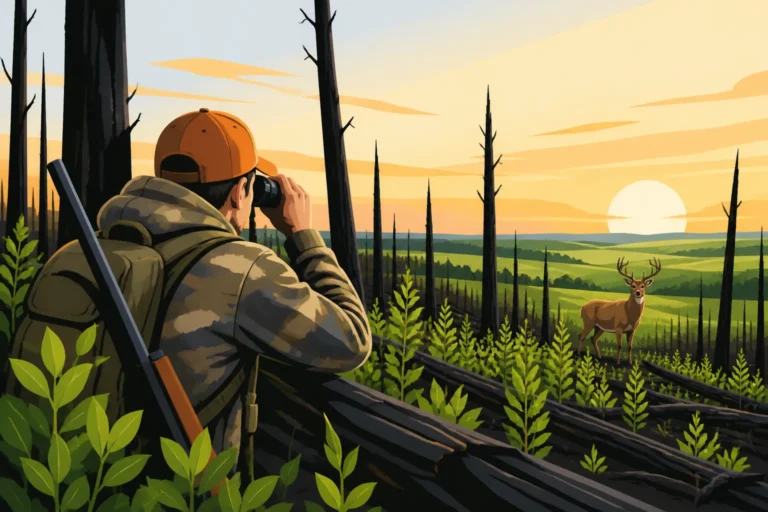
There’s nothing quite like the crisp air of a Saskatchewan fall, but when that crispness comes without the usual moisture – when the ground is hard, the leaves are brittle, and sloughs are nothing but cracked mud – it can throw a serious wrench into your hunting plans. A dry fall changes everything, from where the game eats and drinks to how silently you can move through the bush. This guide will walk you through adapting your strategies, scouting efforts, and hunting techniques to successfully navigate a dry autumn hunt in Saskatchewan.
Understanding the Impact of Dry Conditions on Game
A prolonged dry spell completely reshapes the landscape for wildlife, forcing them to alter their daily routines and preferred habitats. What might be a reliable bedding or feeding area in a normal year can become a barren, noisy trap when things dry out.
Water Scarcity and Game Movement
When the typical prairie potholes, sloughs, and shallow creeks start to shrink or even disappear, water becomes the most critical factor for all game animals. This isn't just about deer needing a drink; it's about the entire ecosystem shifting. Ducks and geese might abandon smaller, dried-up ponds for larger, deeper lakes or rivers. Moose that usually browse near a bog might have to travel further for adequate hydration. Hunting Farmland Moose Around Saskatchewan Sloughs becomes a different game when those sloughs are parched.
For big game like whitetails and mule deer, their movements will revolve heavily around the remaining reliable water sources. Instead of having a choice of many small, scattered watering holes, they'll concentrate around the few deeper sloughs, dugouts, or creeks that haven't dried up. This can make these spots absolute magnets, but it also means increased competition and wariness from the animals. You might find deer traveling much longer distances than usual from their bedding areas to get to water, often under the cover of darkness or during the very dim light of dawn and dusk. Understanding these new travel corridors, often along deeper draws or shelterbelts leading to water, becomes paramount.
Changes in Forage and Cover
Beyond water, dry conditions drastically affect the vegetation that game animals rely on for food and cover. Lush green browse in the bush can quickly turn brittle and unpalatable. Standing crops, while still providing food, might be harder for deer to access without making a lot of noise. Hunting a Field of Standing Corn or Hunting a Pea Field After Harvest becomes a calculation of noise vs. concealment.
Native grasslands might lose their nutritional value, pushing grazers like elk and mule deer to seek out irrigated fields or areas with slightly more moisture retention. In the forest fringe and boreal regions, dry conditions can severely limit the growth of soft mast (berries) and harder mast (acorns), forcing animals to rely more heavily on woody browse that might also be parched and less appealing. Furthermore, dry leaves and grass create an incredibly noisy environment. Every step you take can sound like a cannon shot to wary deer, making silent stalks nearly impossible. This noise factor forces deer to be even more cautious, often moving through denser, quieter cover or restricting their movements to periods of wind or rain (if any comes) to mask their sounds.
Scouting and Strategy Adjustments for a Dry Fall
Successful hunting in a dry fall demands a complete re-evaluation of your scouting methods and strategic planning. What worked last year, or even last month, might be totally ineffective now.
Locating Water Sources
Your number one priority in a dry fall should be identifying and monitoring remaining water sources. Forget about "sign" around dried-up sloughs; focus on what's actually holding water. This means boots-on-the-ground recon, driving backroads, and diligently glassing from high points to spot any visible water. Tools like onX Hunt can be incredibly useful here, not just for property lines, but for identifying depressions and potential water bodies that might still hold moisture, even if they look dry on satellite imagery from a different season. You can often see historical water levels and infer where the deeper pockets might be.
Beyond visible water, consider less obvious sources like dugouts, abandoned homestead wells, or even large puddles in low-lying areas after a brief rain. These temporary sources can be deer magnets for a few days before drying up again. Pay close attention to tracks leading to and from these spots. Fresh tracks are gold, indicating recent activity. Consider setting up trail cameras on the approach trails to these water points, well away from the water itself to avoid spooking game, to learn movement patterns and timing. A detailed mapping tool can help you mark every potential water source, no matter how small, and track their status.
Adapting to Noisier Conditions
The crunch of dry leaves and brittle grass is the bane of still-hunters in a dry fall. Traditional walking routes through the bush become incredibly loud. Your approach needs to change dramatically.
Consider using natural terrain features to your advantage. Walk in ditches, on old logging roads, or along wet marshy edges (if any exist) that might offer quieter footing. Wait for windy days, when the rustling of leaves and trees can help mask your sound. Rainy conditions, while rare in a dry fall, are a gift for still hunting, quieting the forest floor significantly. If hunting from a stand, focus on locations that offer natural sound breaks, like dense spruce stands or areas near flowing water (again, if available). Placing stands closer to bedding areas might become more effective, as deer might not travel as far into noisy feeding zones during daylight. Hunting a bush bluff between two fields might be a quieter option for movement.
Alternatively, embrace stand hunting or ground blind setups more fully. With noisy conditions, minimizing your movement is key. Identify key funnels between bedding and feeding/watering areas and commit to sitting quietly for extended periods. Consider using a hunting app like GoHunt to mark potential stand locations that offer good wind advantage and minimal noise on approach.
Hunting Techniques for a Dry Fall
The typical hunting strategies often need a complete overhaul when dealing with dry fall conditions. Being adaptable and patient will be your greatest assets.
Utilizing Wind and Thermal Dynamics
In dry conditions, the air tends to be very still, especially in the early mornings and late evenings. This means scent control and understanding wind direction are more critical than ever. Without any moisture to help keep your scent down, it can carry for surprising distances.
Always hunt with the wind in your favor. This might mean adjusting your approach path significantly or even foregoing a stand location if the wind isn't right. Pay close attention to thermals. In the mornings, cold air will typically flow downhill, carrying your scent with it. In the evenings, as the ground warms, air will rise, taking your scent upwards. Positioning yourself above game trails in the evening and below them in the morning can be a game-changer. Use a small squeeze bottle with powder or a wind checker to constantly monitor shifting air currents. Hunting Saskatchewan Winter Weather Safely emphasizes the importance of understanding the environment, and while not winter, the principles of air movement remain.
Focusing on Bedding Areas and Transition Zones
Because game animals are likely moving longer distances between their core bedding, feeding, and watering areas, transition zones become prime real estate. These are the strips of cover, draws, or shelterbelts that connect these critical points. In a dry year, these areas might see increased daytime activity as animals move cautiously.
Instead of only focusing on food plots or distant water, consider sitting on the trails leading to these spots, especially if they offer denser cover or a quieter travel route for deer. Look for fresh sign – rubs, scrapes, and tracks – in these transition corridors. A well-placed trail camera here can confirm movement patterns. Reading Whitetail Sign in Saskatchewan Bluffs becomes a vital skill to identify these pathways. Often, deer will use the thickest, nastiest cover available to move through noisier terrain, making those nasty thickets worth investigating.
Low-Impact Approaches and Patience
The phrase "less is more" applies heavily to hunting in a dry fall. Minimize your disturbance in the woods. This means quieter steps, slower movements, and less scent left behind.
Consider still-hunting very slowly, taking a few steps, then pausing and listening intently for five to ten minutes. Use your binoculars to pick apart every piece of cover. Don't be afraid to take a longer route if it means a quieter approach to your stand. Once in your stand or blind, commitment is key. Game animals are on high alert, and any unusual movement or sound will send them packing. Be prepared to sit for extended periods, especially during prime morning and evening hours.
| Condition | Typical Fall Strategy | Dry Fall Strategy |
|---|---|---|
| Water Sources | Hunt plentiful sloughs, creeks | Focus on few remaining dugouts, deep sloughs |
| Ground Noise | Moderate noise tolerance | Extreme noise sensitivity, minimal movement |
| Forage | Wide range of food sources | Concentrated on green browse, standing crops |
| Game Movement | Shorter travel between food/water | Longer travel, concentrated paths to water |
| Scent Dispersal | Variable | Carries far, very sensitive to wind/thermals |
| Hunter Approach | Standard still hunting/stand | Slow, deliberate, wind-dependent, stand focus |
Equipment and Safety Considerations
A dry fall isn't just about strategy; it also impacts your gear choices and safety protocols. Being prepared for these unique challenges can make all the difference.
Footwear and Clothing for Quiet Movement
Your boots and outer layers can either be your best friend or worst enemy in a dry, noisy environment. Opt for soft-soled boots that offer good traction but minimize sound. Think moccasin-style rubber boots or insulated pac boots with quiet outsoles. Avoid stiff, rigid boots that amplify every crunch.
For clothing, prioritize quiet fabrics like fleece, wool, or brushed cotton. Anything that rustles, swishes, or crinkles will be a huge disadvantage. Layering is always smart for Saskatchewan's fluctuating fall temperatures, but ensure each layer is quiet. Your backpack should also be silent – empty pockets of noisy items, wrap anything that rattles. Consider a soft gun sling or bow case that won't clank against branches.
Fire Safety and Outdoor Preparedness
One of the most critical, yet often overlooked, aspects of a dry fall hunt is the heightened risk of wildfire. Dry leaves, grasses, and timber are highly flammable. A single spark from an ATV, a dropped match, or even hot exhaust pipes can ignite a devastating fire.
Always carry a fire extinguisher in your vehicle or on your quad. Be extremely cautious with open flames, campfires, or any heat source. Avoid driving off established trails into dry grass. Check local fire bans and restrictions before you head out. What to Do If You Get Stuck in the Bush is good advice anytime, but even more so when fire risk is high. Beyond fire, ensure you have extra water for yourself, proper emergency communication devices (like a satellite messenger, as cell service can be spotty), and a well-stocked first-aid kit. The dry air can also exacerbate dehydration, so keep sipping water throughout the day.
Enhanced Scent Control
In still, dry air, your scent is a beacon to wary game. Elevate your scent control game significantly. This isn't just about using scent-eliminating sprays (though they can help); it's about a complete regimen.
Wash your hunting clothes in scent-free detergent, store them in airtight containers, and dress at your hunting location. Use scent-free deodorant, soap, and shampoo. Avoid any perfumed products. Pay attention to what you eat and drink, as strong odors can be excreted through your skin. Consider an ozone generator for your clothing before the hunt, or even a portable unit for your blind. Remember, perfect scent elimination is impossible, but minimizing it is crucial. Combine thorough scent control with strict adherence to wind direction, and you give yourself the best possible chance.
Hunting in a dry Saskatchewan fall presents its own unique set of challenges, but with careful planning, adapted strategies, and a keen understanding of how game animals react to these conditions, you can still experience a rewarding and successful hunt. It often means slowing down, observing more, and being even more meticulous in your approach.
Disclaimer
This article is for general informational purposes only and does not constitute professional advice. Laws, prices and regulations vary by location and change over time. Consult a qualified professional for guidance on your specific situation.