Hunting Saskatchewan’s Far Northern Zones
For many hunters, the image of Saskatchewan hunting conjures up vast wheat fields and big whitetails. But head further north, past the agricultural belt and into the sprawling boreal forest, and you'll find a completely different world – one that presents incredible challenges and equally incredible rewards. This guide is for those daring souls who dream of venturing beyond the grid roads, tackling the logistical hurdles, and immersing themselves in the raw, untamed wilderness of Saskatchewan's far northern zones.
The Untamed Expanse: Defining Saskatchewan's Far Northern Zones
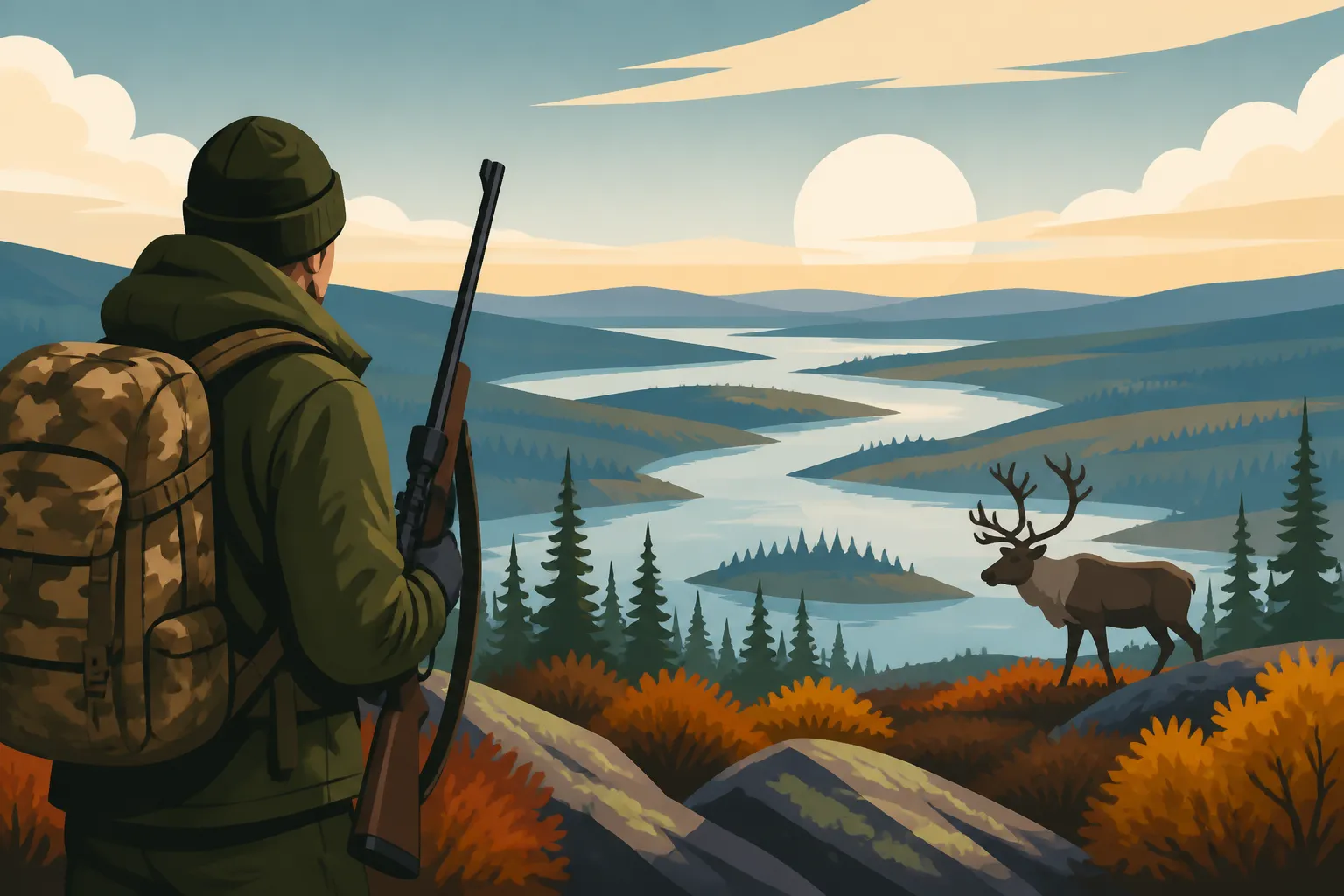
When we talk about Saskatchewan's "far northern zones," we're really stepping into the vastness of the boreal forest and beyond, touching on the Canadian Shield. This isn't your typical farmland hunt with easy road access and cell service around every corner. We're talking about areas where roads become trails, trails become old cutlines, and eventually, the only way forward is by air, water, or sheer grit on foot. These zones are characterized by dense evergreen forests—spruce, pine, and tamarack—interspersed with countless lakes, rivers, muskeg, and rocky outcrops. The landscape itself is a hunter's challenge and a wildlife haven.
Think of zones like 60, 61, 62, 63, 64, 66, 67, 68, and even stretching up into 70 and 72. These are areas with significantly less human population, fewer services, and a much higher proportion of Crown land. Hunting Saskatchewan's Boreal North becomes less about knocking on doors for permission and more about understanding the lay of the land, navigating waterways, and being truly self-sufficient. It's a wilderness experience where the moose reign supreme in the swampy lowlands, black bears roam the vast timber, and wolves are a constant, unseen presence. The sheer scale can be daunting, but that's precisely what draws many dedicated hunters to these remote areas.
This remoteness impacts everything from how you scout to how you retrieve your game. Gone are the days of quick drives; here, a "short walk" might mean miles of bush-bashing through thick cover. It's a place where a good satellite phone or inReach device isn't a luxury, it's a necessity, because cell service vanishes faster than a whitetail buck in a thicket. This is the true North, where nature sets the rules, and you're just a visitor.
Navigating the Challenges of Northern Hunting Logistics
Hunting in Saskatchewan's far northern zones isn't just about finding game; it's about mastering the logistics of remote travel and survival. The infrastructure you're used to in the south simply doesn't exist up here. This means planning needs to be meticulous, and your gear absolutely has to be reliable.
Access and Transportation
Getting into these zones often requires more than just a truck. While some areas have all-weather roads leading to northern communities, access into the hunting grounds themselves can be limited to gravel, old logging roads, or even just winter trails that become impassable mud pits once the snow melts. For many, accessing prime hunting spots means flying in via float plane, taking a boat up a river system, or relying on ATVs and side-by-sides to navigate rugged bush trails. Quad and Side-by-Side Rules on Crown Land are important to understand before you head out, as irresponsible use can damage sensitive ecosystems and lead to fines. Fuel, maintenance, and reliable navigation like onX Hunt or GoHunt mapping apps loaded with offline maps become paramount when you're miles from the nearest service station. You're responsible for bringing everything in and taking everything out, including your garbage.
| Access Method | Advantages | Disadvantages | Best For |
|---|---|---|---|
| Truck/Road | Cost-effective, familiar | Limited reach, rough roads, potential for getting stuck | Areas just beyond paved roads, some cutline hunting |
| ATV/Side-by-Side | Access rugged trails, carry gear | Can get stuck, mechanical issues, limited range, regulations | Deeper into bush from a staging area, retrieving |
| Boat/Canoe | Access water systems, quiet, can carry gear | Weather dependent, portaging difficulty, river hazards | Moose hunting along rivers/lakes, remote camps |
| Float Plane | Fastest, access truly remote areas | Most expensive, weight limits, weather dependent | Deep wilderness, trophy hunts, time-sensitive trips |
| Foot | Ultimate stealth, access thickest cover | Extremely physically demanding, slow, limited gear | Day hunts from camp, stalking specific animals |
Weather and Safety Preparedness
The northern climate is unforgiving, and conditions can change rapidly. Early fall might bring mild days, but overnight frosts and sudden snowfalls aren't uncommon. By late season, you're talking about serious cold, potentially -30°C or colder, with short daylight hours. Hunting Saskatchewan Winter Weather Safely isn't just a suggestion; it's a critical safety measure. Dressing in layers, having proper cold-weather gear, and understanding the signs of hypothermia and frostbite are essential. Beyond the cold, the sheer isolation means self-reliance is key. You're your own first responder. A comprehensive first-aid kit, emergency shelter, fire-starting supplies, and knowing how to use them are non-negotiable. Wildlife encounters, especially with bears, are also a real possibility, so bear spray and knowing how to act are vital. Always let someone know your exact plans and estimated return time.
The biggest challenge isn't just surviving a bad situation, it's preventing one. Double-check your vehicle, your gear, and your physical condition. Hunting here is a marathon, not a sprint.
Pursuing Big Game in the Northern Wilderness
The far northern zones are renowned for their robust populations of certain species, offering a unique hunting experience for those willing to brave the wilderness. While whitetails are present, they tend to be fewer and further between compared to the parkland and farmland regions, though those that survive in this harsh environment often grow impressively large. The real draw here is generally the province's largest game animals.
Moose: Kings of the Boreal
Moose hunting in Saskatchewan's northern bush is an iconic experience. These magnificent animals thrive in the mix of dense forest, willow swamps, and aquatic vegetation found across the boreal landscape. Spotting a moose in thick cover can be incredibly challenging, and still-hunting through their habitat demands patience and keen awareness. Calling can be very effective, particularly during the rut, drawing a bull out of the dense timber. Calling Moose in Saskatchewan's Bush requires skill and understanding of moose behaviour.
Successfully harvesting a moose in the north is only half the battle. The real work often begins with quartering the animal in the field and the monumental task of getting it back to camp. Quartering a Moose Alone in the Bush is a skill every northern moose hunter should possess, and having a solid plan for extraction, whether by ATV, boat, or even backpack, is critical. A mature bull can weigh well over a thousand pounds, and you'll be dealing with that weight in challenging terrain, often miles from any road.
Black Bear: Forest Giants
Saskatchewan's northern forest is prime black bear country, known for producing large animals, including a variety of colour phases from jet black to cinnamon and blonde. Both spring and fall seasons offer excellent opportunities for hunters. Baiting is a popular and highly effective method for bear hunting, allowing hunters to set up stands in strategic locations and wait for bears to visit. Baiting Black Bear in Saskatchewan involves careful planning, consistent maintenance, and adherence to regulations.
For those who prefer a more active hunt, spot-and-stalk can be attempted along cutlines, burns, and natural clearings, particularly in the spring when bears are out feeding. Spring Bear Hunting Saskatchewan's Cutlines requires stealth and keen optics. Judging a bear's size and sex in the field takes practice and patience. Whether you're hunting over bait or stalking, patience is your greatest ally when pursuing bears in these vast northern woods.
Wolves: Elusive Predators
Hunting wolves in Saskatchewan's far northern zones offers a true test of a hunter's skill and perseverance. These intelligent predators are incredibly elusive, and success often comes down to understanding their movements, using calls, and being in the right place at the right time. Wolves are often hunted opportunistically while pursuing other big game, or specifically targeted by calling. Hunting Wolves in the Northern Bush is a challenging endeavour, requiring careful scouting, understanding of wolf behaviour, and often, extremely cold weather fortitude during winter hunts. The reward of encountering such a wild and majestic animal in its natural habitat is an experience few ever forget.
Other species like woodland caribou also exist in these zones, but their populations are often fragile and hunting opportunities are typically highly restricted or entirely closed, reflecting important conservation efforts. Always check the most current regulations for any species before planning a hunt.
Planning Your Northern Hunting Adventure
A successful hunt in Saskatchewan's far northern zones hinges on meticulous planning. You can't just wake up one morning and decide to head north; it requires foresight, research, and often, significant investment.
Licenses and Permits
First and foremost, you need the appropriate licenses and permits. Saskatchewan has specific rules for residents and non-residents, and the big game draw system plays a crucial role for many species like moose and elk. Understand the draw odds and application process well in advance. Saskatchewan Hunting Licences and What They Cost is a good starting point to research the financial aspect. Non-residents, in particular, will find that they almost exclusively need to book through a licensed outfitter for big game, which simplifies some of the logistical heavy lifting but adds to the cost. Even for residents, understanding the specific Wildlife Management Zone (WMZ) regulations is paramount, as seasons and bag limits can vary dramatically even within the broad "northern zones."
Maps and Technology
Detailed mapping is non-negotiable. Paper maps are a good backup, but digital mapping apps are your best friend. Services like onX Hunt or GoHunt offer invaluable tools for understanding terrain, property boundaries (especially Crown vs. private, though private is rare way up north), and finding access points. These apps allow you to mark waypoints for game sign, trails, and potential campsites, and perhaps most importantly, to download maps for offline use, as Where Saskatchewan Cell Coverage Ends is often miles south of where you'll be. A reliable GPS unit, paired with your phone app, creates a redundant system that could literally save your life. Learning to read topo maps and satellite imagery to identify key features like bedding areas, travel corridors, and water sources will give you a significant advantage.
Outfitters vs. DIY Hunts
For non-residents, an outfitter is generally required for big game. Why Non-Residents Must Book an Outfitter boils down to provincial regulations designed to manage game resources and support local businesses. A reputable outfitter will handle logistics like transportation, camp setup, food, and guiding, dramatically simplifying the planning process and increasing your chances of success. They know the territory, the game, and the local regulations.
For residents, a do-it-yourself (DIY) hunt is an option, but it demands a high level of preparedness and self-sufficiency. You become your own guide, cook, camp manager, and emergency responder. This is where experience in remote camping, bush navigation, and game recovery becomes invaluable. If you're considering a DIY northern hunt, start small, perhaps with an area that has slightly better access, and gradually increase your remoteness as your experience grows. Consider taking a wilderness first aid course and ensuring all members of your party are physically capable and properly equipped. Remember that Camping on Saskatchewan Crown Land often means primitive camping with no services, so plan accordingly.
The far northern zones of Saskatchewan offer an unparalleled wilderness hunting experience. It's not for the faint of heart, but for those who yearn for true adventure and the challenge of the wild, it promises memories that will last a lifetime.
Disclaimer
This article is for general informational purposes only and does not constitute professional advice. Laws, prices and regulations vary by location and change over time. Consult a qualified professional for guidance on your specific situation.