Hunting Saskatchewan’s Northern Lake Country
Heading up to Saskatchewan's northern lake country for a hunt can feel like stepping into a whole different world compared to the familiar prairie and parkland. The sheer vastness, the endless mosaic of water and dense forest, and the sheer remoteness can be intimidating, leaving many hunters wondering where to even begin. This guide is here to unravel the mysteries of these wild northern territories, offering practical advice and strategies to help you plan a successful and safe hunting adventure in some of the province's most untouched landscapes.
Understanding the Unique Landscape of Northern Lake Country
Saskatchewan's northern lake country isn't just a geographical descriptor; it's a completely different ecosystem from the agricultural lands to the south. This region, characterized by its Precambrian Shield geology, is a rugged tapestry of granite outcrops, countless lakes, rivers, and dense boreal forest. It’s a place where the moose is king, black bears roam freely, and the sheer wilderness demands respect and thorough preparation.
The Geography and Terrain Challenges
Imagine an endless patchwork of water bodies – from massive, deep lakes like Lac La Ronge, Cree Lake, or Wollaston Lake, to innumerable smaller lakes, beaver ponds, and intricate river systems. This isn't flat, open country where you can glass for miles. Instead, the landscape is dominated by dense stands of black spruce, jack pine, and aspen, broken up by rocky ridges, muskeg bogs, and thick underbrush that can be incredibly challenging to traverse.
The terrain here dictates everything about how you hunt. What might look like a short walk on a map can turn into an all-day bushwhack through boggy ground, across fallen timber, and over rocky ledges. Access points are limited, often consisting of rough logging roads that can become impassable with rain, snow, or fallen trees. This is not a place for light gear or a casual stroll. You'll often find yourself navigating waterways by boat or canoe, or relying on ATVs and side-by-sides to cover ground where traditional trucks simply can't go. The sheer density of the cover means visibility is often limited to mere yards, making tracking and still-hunting very intimate and demanding affairs.
Key Game Species in the North
While the southern parts of Saskatchewan are renowned for big whitetails and mule deer, the northern lake country offers a distinct set of hunting opportunities focused on different species.
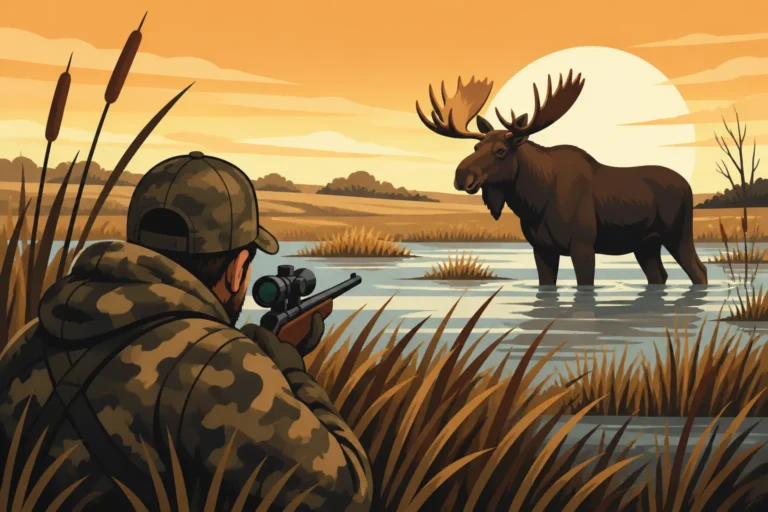
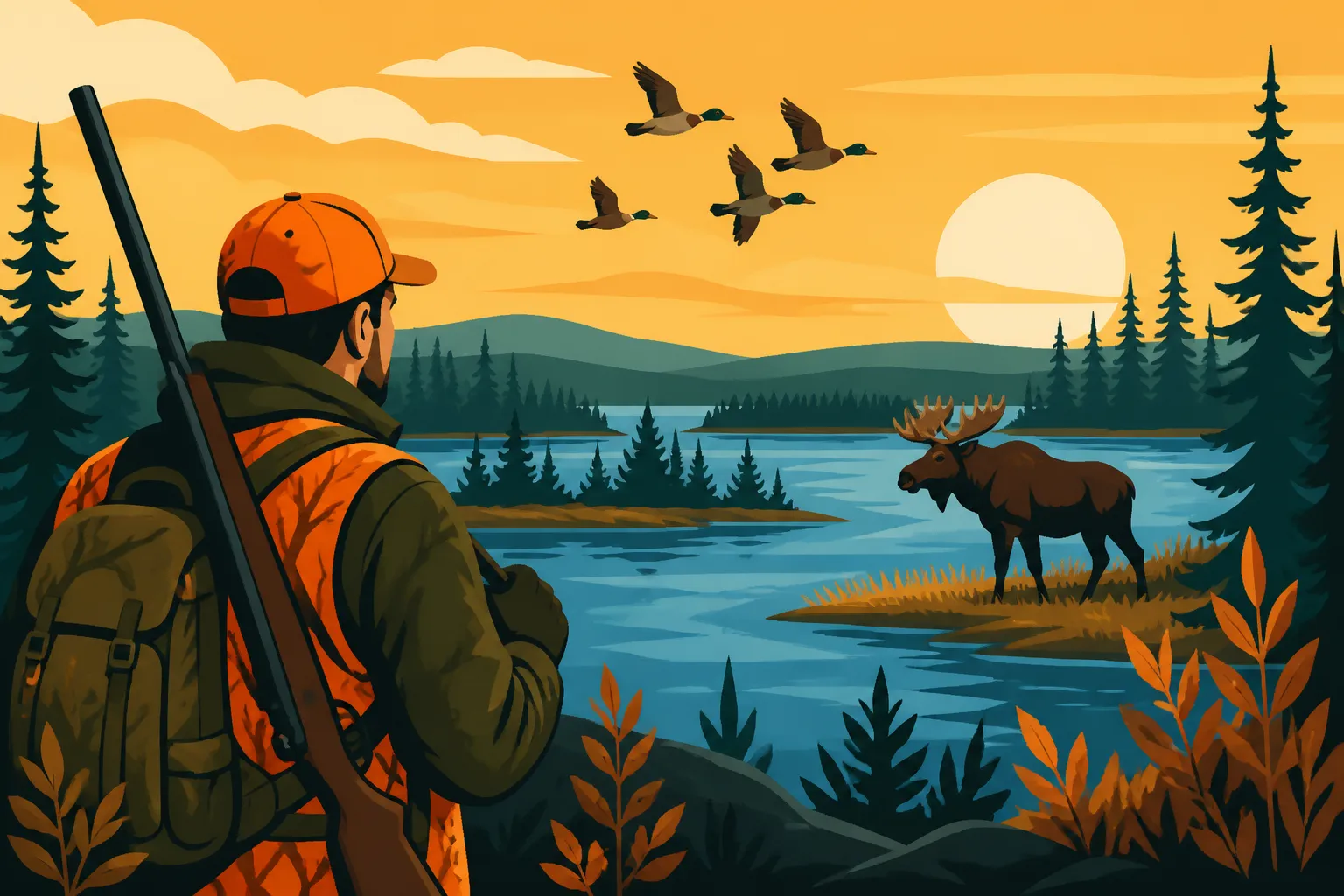
- Moose: This is arguably the prize of the northern bush. Moose thrive in this habitat, with its abundant willows, aquatic vegetation, and dense cover. The deep cold of the north also contributes to "Why Northern Bucks Carry More Body Mass" and why northern moose often grow to impressive sizes. Hunters pursue moose here primarily during the rut in late September and October, using calling techniques to lure bulls, or during the late-season rifle hunts. You'll find yourself searching for them along creek beds, lake edges, and in low-lying willow thickets.
- Black Bear: Saskatchewan's boreal forest is prime black bear country, known for producing large bears, including some stunning colour phases. Spring bear hunting is popular, often done over bait sites established well in advance. These bears use the dense forest for cover and the myriad berry patches and aquatic vegetation for food. Understanding "What Bears Eat in a Boreal Spring" is crucial for successful baiting strategies.
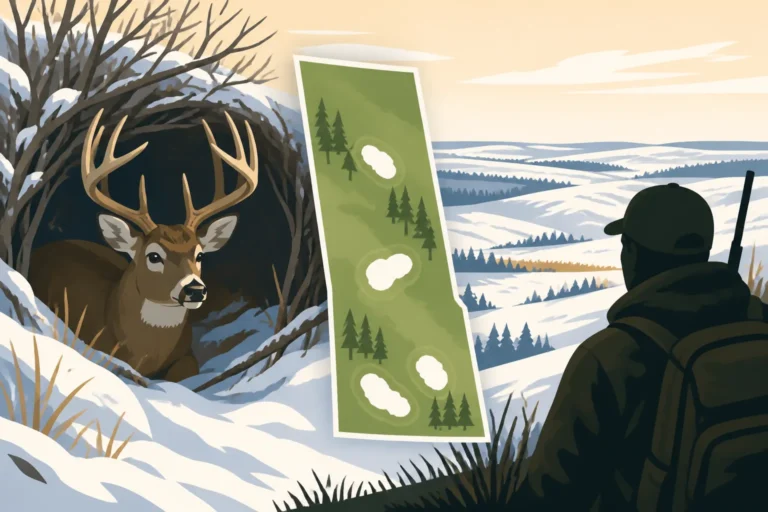
- Whitetail Deer: While not as prolific as in the forest fringe or farmland, whitetails do exist in the more accessible southern fringes of the lake country, particularly in the transition zones where the boreal forest meets aspen parkland. These are often tough, elusive animals accustomed to thick cover.
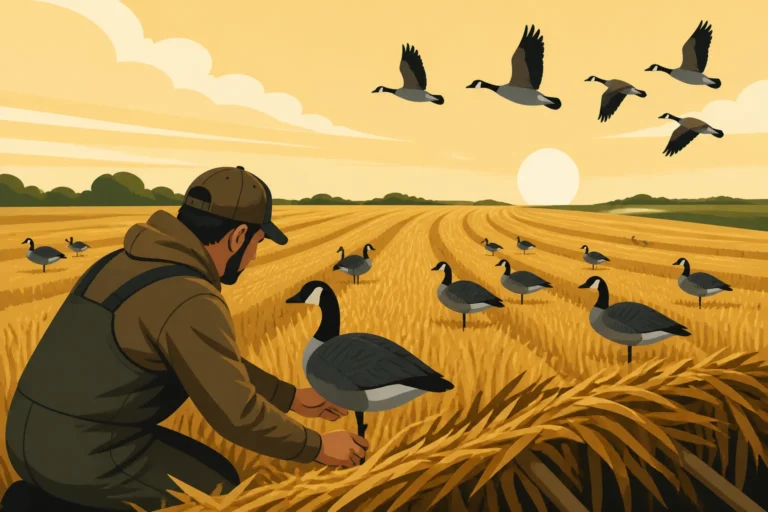
- Waterfowl: Despite the dense forest, the northern lake country still offers excellent opportunities for puddle ducks and diving ducks on its countless lakes and potholes, especially during migration.
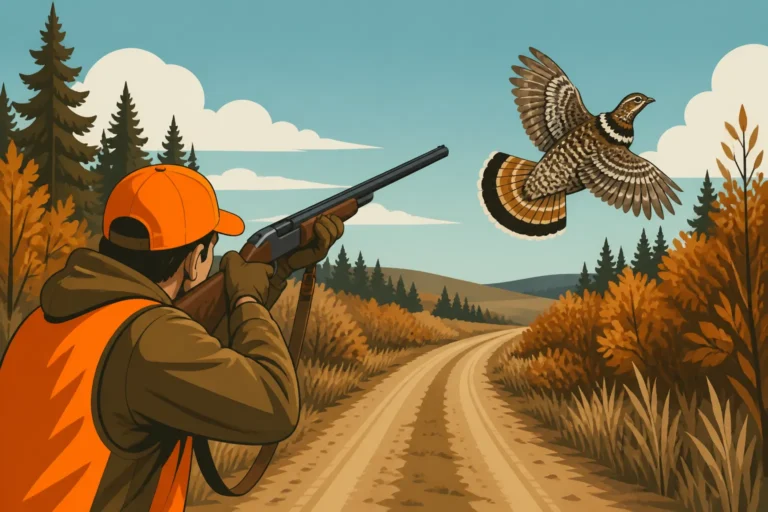
- Upland Birds: Ruffed grouse and spruce grouse are abundant throughout the boreal forest. They provide fantastic opportunities for walking hunts, often along old logging trails or cutlines. For those interested in pursuing "Ruffed Grouse Hunting Saskatchewan's Bush Trails," the north is an excellent destination.
- Furbearers and Predators: Wolves are very much a part of this ecosystem, and calling them can be a thrilling challenge. Lynx, fox, and various other furbearers also inhabit these remote areas, offering unique trapping or hunting opportunities for those with the right licenses.
Seasonal Considerations for Northern Hunts
Hunting in Saskatchewan's northern lake country means confronting a wide range of weather conditions, often within a single season. The transition from fall to winter is particularly dramatic and impactful on hunting strategies.
- Early Season (September): This can be a beautiful time, but also challenging. Bugs (mosquitoes, black flies) are still prevalent, and temperatures can vary wildly from warm afternoons to frosty mornings. Access roads are typically dry, but the foliage is dense, making visibility difficult. Moose are starting to rub and spar, offering early calling opportunities. Black bears are still actively feeding before denning up.
- The Rut (Late September to Mid-October for Moose, Late October/November for Deer): This is prime time for many big game species. Moose calling is at its peak. Temperatures begin to drop significantly, and the first snowfalls might occur. This can clear some underbrush, improve tracking conditions, and push game toward specific feed sources. However, freezing rain can make travel treacherous, and early ice can form on smaller water bodies.
- Late Season (November into December): This is when the north truly becomes a winter wonderland, often with deep snow and brutally cold temperatures. While challenging, it can also be incredibly productive. Snow makes tracking much easier, and game animals are often concentrated in wintering areas or yarding up. However, hunters must be prepared for extreme cold, limited daylight, and roads that can "Winter Truck Kit for a Saskatchewan Hunt" or even drift shut entirely, necessitating robust survival preparations.
Accessing the Wild: Getting Into Northern Saskatchewan's Remote Hunting Grounds
Unlike the southern prairies where grid roads checkerboard the landscape, access in northern Saskatchewan is a whole different ballgame. The vastness and the challenging terrain demand careful planning and often specialized equipment.
Navigating Limited Road Networks and Water Access
The primary means of ground access in the north are provincial highways, which are well-maintained, and then a network of gravel roads and logging trails that branch off. These secondary roads can range from decent gravel to barely-there tracks, often requiring high-clearance 4×4 vehicles. Be warned: heavy rains or early snow can quickly turn these into impassable quagmires, and fallen trees are a constant hazard on active or older logging routes. A chainsaw is not a luxury; it's a necessity for many northern excursions.
Many prime hunting areas, especially for moose and bear, are deep within the bush and only accessible by water. This means launching a boat or canoe and navigating lakes and river systems. For truly remote areas, particularly those further north, fly-in services using float planes are often the only option. When exploring these vast, often unmarked territories, tools like GoHunt become invaluable for identifying navigable waterways, charting courses, and marking potential hunting spots. Before you even load up your gear, spending time with a mapping app like GoHunt to understand the terrain and land ownership is absolutely crucial.
Understanding "Quad and Side-by-Side Rules on Crown Land" is vital if you plan to use off-road vehicles for access. Many trails are multi-use, but some areas may have restrictions or require specific permits. Always check current regulations for the Wildlife Management Zone (WMZ) you plan to hunt. For hunters who enjoy staying immersed in the wilderness, understanding "Camping on Saskatchewan Crown Land" rules will be essential, as many northern WMZs are predominantly Crown land.
Essential Gear for Remote Travel
Packing for a northern hunt is about function and survival. You can't just run to the nearest town if you forget something.
- Navigation: A reliable GPS unit (and backup batteries), paper maps, and a compass are non-negotiable. While smartphone apps are great, cell service is non-existent in many northern areas. Consider a satellite messenger or satellite phone for emergency communication. Remember, "Where Saskatchewan Cell Coverage Ends" is often far sooner than you might think when heading north.
- Survival Gear: A comprehensive first-aid kit, fire-starting supplies, emergency shelter, sufficient food and water, signaling devices (whistle, mirror), and sturdy knife or multi-tool are paramount. Dressing in layers is key, and quality waterproof outerwear is a must.
- Vehicle Preparedness: For road travel, carry extra fuel, a spare tire, a full-size jack, tire repair kit, tow straps, shovel, axe, and a powerful winch. For ATVs/side-by-sides, similar items are needed, plus repair kits for your specific machine.
- Watercraft: If using a boat, ensure it's well-maintained, has enough fuel (plus extra), and carries all required safety equipment (life jackets, bailing bucket, paddle, sound-signaling device, anchor).
| Item Category | Essential Gear | Why It's Crucial |
|---|---|---|
| Navigation | GPS, map, compass, satellite messenger | No cell service, vast wilderness, prevents getting lost |
| Survival | First-aid kit, fire starter, emergency shelter | Accidents happen, hypothermia risk, self-sufficiency in remote areas |
| Travel | Chainsaw, extra fuel, tow rope, winch, axe | Clearing fallen trees, vehicle recovery, self-rescue |
| Clothing | Layered, waterproof, warm | Extreme and unpredictable weather, staying dry is critical |
| Watercraft | Life jackets, extra fuel, paddle, anchor | Safety on unpredictable northern lakes and rivers |
| Misc. | Headlamp, knife, bug spray, cooking gear | Basic needs, personal comfort, efficiency |
Planning Your Logistics
The success of a northern hunting trip often hinges on the quality of your logistical planning.
- Fuel Management: Know your vehicle and boat's fuel consumption rates and the distances between reliable fuel stops. Carrying extra fuel in approved containers is often necessary.
- Food and Water: Plan meals carefully, considering caloric needs for strenuous activity in cold weather. Bring enough non-perishable food for extra days in case of delays or being weathered in. Water purification tablets or a filter are good backups, though northern lake water is often potable after boiling.
- Communication: Even with a satellite device, let someone back home know your detailed itinerary, including your route, expected return time, and contingency plans. Check in regularly if possible.
- Emergency Plans: What will you do if someone gets hurt? What if your vehicle breaks down miles from anywhere? Having a clear, rehearsed emergency plan for various scenarios is critical. This includes knowing basic first aid, how to signal for help, and how to survive until help arrives. This kind of preparation can literally be life-saving.
Strategies for Successful Hunting in Lake-Rich Environments
Hunting in the northern lake country is fundamentally different from hunting prairie or parkland. It requires patience, keen observation, and an understanding of how game uses this unique environment.
Understanding Game Movement Near Water
Water is life in the north, and game animals are intrinsically linked to it. Moose, in particular, spend a great deal of time in and around water, feeding on aquatic vegetation and using the dense cover along shorelines for bedding and travel.
- Crossing Points: Rivers, creeks, and narrow channels between lakes often feature natural crossing points. Identifying these funnels can be key to intercepting moving animals. Look for tracks, rubbed trees, and established trails leading to and from these crossings.
- Bedding Areas: Thick spruce and pine stands, especially on sheltered ridges or islands, provide excellent bedding cover. Moose will often bed down near water for easy access to food and security.
- Travel Corridors: Game, especially moose and bear, will often travel along lake edges, following game trails that skirt the shoreline, or using old logging roads and cutlines that parallel water features. These corridors can act as natural highways through the dense bush. When "Hunting a Frozen Slough Crossing" or a beaver dam, you might find concentrations of game activity.
- Food Sources: Pay attention to areas with abundant willow, aspen saplings, and especially aquatic vegetation in shallower bays or beaver ponds. These are prime feeding zones.
Specific Hunting Techniques for the North
Due to the dense cover and terrain, long-range shooting opportunities are rare. This is often an up-close-and-personal style of hunting.
- Calling Moose in the Rut: The moose rut is a truly magical time in the north. Mastering various calls – cow calls, bull grunts, and raking antlers – can be incredibly effective. Patience is key; a bull might take a long time to respond and approach through the thick bush. Understanding "Calling Moose in Saskatchewan's Bush" involves not just the sounds, but also the nuances of setting up, wind direction, and cover.
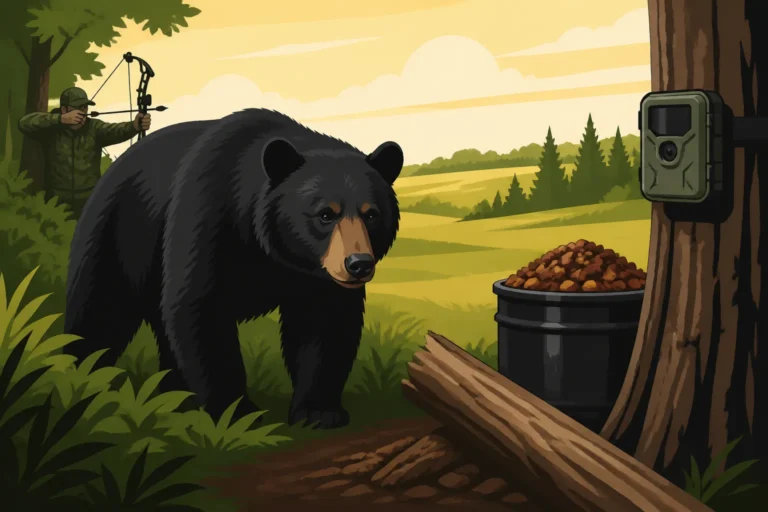
- Baiting Black Bear: For black bears, baiting is a highly effective method, particularly during the spring season. Setting up a bait site well in advance, maintaining it regularly, and setting up a comfortable ground blind or treestand nearby are crucial. Ensure you understand the regulations around "Setting a Bear Bait Site in Saskatchewan," including distances from roads and residential areas.
- Still-Hunting Dense Timber: This is a classic northern hunting technique. It involves moving slowly and deliberately through the bush, pausing frequently to scan, listen, and glass. Look for subtle signs: a flick of an ear, a patch of dark hide, or movement in the shadows. The dense cover often means your first sight of an animal might be at very close range.
- Spot and Stalk (Limited): While not as common as in open country, there are situations, such as along cutlines, pipeline rights-of-way, or open burns, where spotting an animal from a distance and initiating a stalk might be possible. However, the stalk itself will almost certainly involve navigating thick cover.
Dealing with Environmental Challenges
The northern wilderness comes with its own set of challenges beyond just finding game.
- Insects: Bugs can be absolutely relentless, especially in early fall. Head nets, good quality insect repellent (with DEET), and bug-proof clothing are non-negotiable. Don't underestimate their ability to turn an otherwise great hunt into a miserable one.
- Cold and Wet Conditions: Temperatures can drop quickly, and precipitation (rain, freezing rain, snow) is common. Hypothermia is a real threat. Layer your clothing, use waterproof outer shells, and always have dry spare clothes in a waterproof bag. Investing in quality boots that are warm and waterproof is paramount for comfort and safety when hunting "Hunting Saskatchewan Winter Weather Safely."
- Navigation Without Cell Service: The absence of cell service means you cannot rely on your phone for navigation or emergencies. Always carry redundant navigation tools, inform others of your plans, and consider a satellite communication device. Losing your way in dense, featureless bush can quickly become a life-threatening situation. Tools like GoHunt can be pre-loaded with offline maps, providing crucial navigation data when you're off the grid.
- Wildlife Encounters: Beyond the game you're hunting, you're sharing the landscape with wolves, cougars, and other potentially dangerous animals. Be aware of your surroundings, carry bear spray in bear country, and know how to react to different wildlife encounters.
Licensing, Regulations, and Safety in Northern Saskatchewan
Hunting in northern Saskatchewan, especially for species like moose, involves navigating specific licensing requirements and understanding the nuances of vast Crown land. Safety, given the remote nature of the region, must always be your top priority.
Specific Licensing Requirements and Draw Odds for Northern Species
The northern lake country primarily falls within Saskatchewan's boreal forest WMZs, which have specific regulations for big game.
- Moose: Moose hunting in many northern zones is draw-only for residents, and non-residents must hunt with a licensed outfitter. Understanding "Saskatchewan's Big Game Draw" process, including deadlines and priority pools, is crucial for securing a resident moose tag. Draw odds can vary significantly by zone and the type of tag (e.g., antlered vs. antlerless). For non-residents, an outfitter is your gateway to hunting trophy moose.
- Black Bear: Black bear tags are generally over-the-counter for residents and can be purchased with an outfitter for non-residents. Saskatchewan allows for two black bears per hunter in many zones, with both spring and fall seasons.
- White-tailed Deer: While present, whitetail opportunities are often less structured than in the south. Many northern zones have general antlered deer seasons, and some may have antlerless opportunities, but it’s less common to find specific draw zones dedicated solely to whitetails in the deep north.
- Game Birds: Upland birds and waterfowl typically require a general game bird licence (and a federal migratory bird permit for ducks/geese). These are easily purchased and offer ample opportunity.
Always consult the current Saskatchewan Hunters and Trappers Guide, as regulations can change annually. The provincial HAL account system is where you'll manage your licences and draw applications.
Navigating Crown Land and Public Access
One of the great advantages of hunting in northern Saskatchewan is the sheer abundance of Crown land. Unlike the south where private land dominates and permission is constantly sought, vast tracts of the north are publicly owned.
- Hunting on Crown Land: Most of the northern lake country is Crown land, meaning it's generally accessible for hunting. However, it's still essential to know the specific boundaries of WMZs and any restricted areas. Using reliable mapping resources like GoHunt, which displays Crown land layers, is incredibly helpful. These maps can also show you "Reading Saskatchewan Crown Land Layers on onX" and highlight specific areas you can hunt.
- Occupied Crown Land/Leases: Be aware that some Crown land might be under grazing lease or other forms of occupation. While hunting may still be allowed, showing respect to any occupants is essential. Always verify access if there's any doubt.
- No "Posted" Land Issues: You won't typically encounter "posted" private land signs that are common in the agricultural belt. The challenge here isn't getting permission; it's physically accessing and navigating the wild terrain.
- Wildlife Management Zones: Familiarize yourself with the specific WMZ you plan to hunt. Each zone has unique season dates, bag limits, and often species-specific rules. Knowing "How Saskatchewan's Zones Set Your Season" is fundamental to legal hunting.
Prioritizing Safety in Remote Terrain
Safety in Saskatchewan's northern lake country is not just a recommendation; it's a critical component of every trip. The remoteness means help can be hours, or even days, away.
- Hypothermia and Frostbite: These are ever-present dangers in the colder months. Always dress in layers, avoid cotton (which loses insulation when wet), and have dry clothes available. Know the symptoms of hypothermia and how to treat it.
- Getting Lost: This is perhaps the biggest danger. The dense, often monotonous forest can disorient you quickly. Always carry multiple navigation tools, know how to use them, and practice land navigation before your trip. Always tell someone your specific plans and expected return.
- Wildlife Encounters: While typically shy, large animals like moose and especially bears can be dangerous if surprised or if cubs are present. Carry bear spray and know how to use it. Be aware of your surroundings and make noise when moving through thick brush.
- Water Safety: Northern lakes can be vast and unpredictable. Weather can change rapidly, creating dangerous waves. Always wear a life jacket, never overload your boat, and be extra cautious when traveling over unfamiliar waters, especially in early or late season when ice may be present.
- Firearms Safety: The standard rules of firearms safety are even more critical in remote areas where an accident could have catastrophic consequences. Always treat every firearm as if it's loaded, keep the muzzle in a safe direction, keep your finger off the trigger until ready to shoot, and be sure of your target and what is beyond it.
- Emergency Communication: As mentioned, a satellite messenger or phone is highly recommended. These devices can send out distress signals, making the difference between a minor incident and a tragedy. Consider investing in one for your group.
Hunting Saskatchewan's northern lake country offers a truly wild and rewarding experience for those willing to embrace its challenges. It's an opportunity to connect with nature on a deep level, test your skills, and create unforgettable memories in one of North America's last great wildernesses.
Disclaimer
Please remember that hunting regulations, fees, and season dates are subject to change. Always consult the most current Saskatchewan Hunters and Trappers Guide, available from the Saskatchewan Ministry of Environment, before planning any hunting trip. This guide is for informational purposes only and should not be considered a substitute for official regulations.