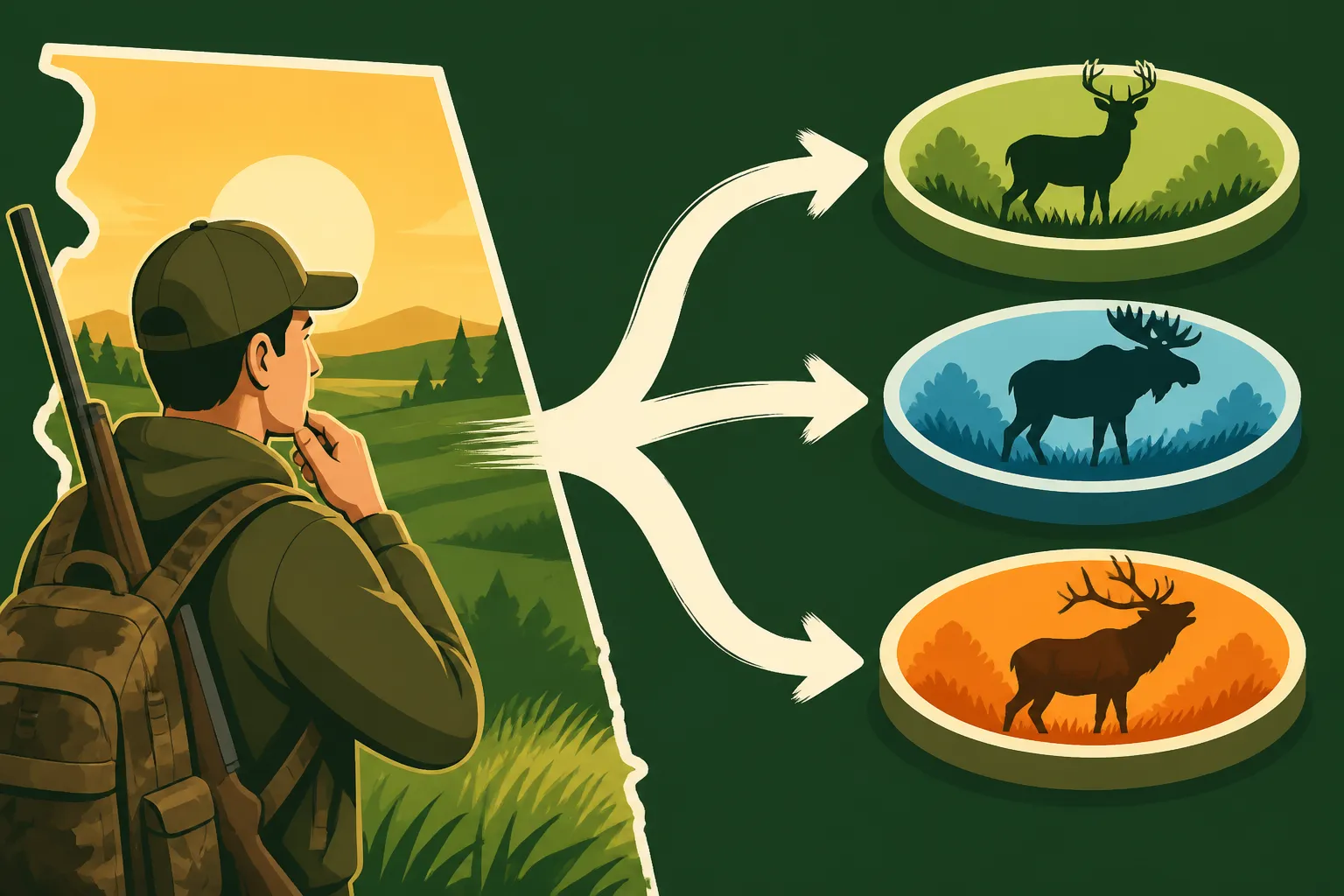
Which Pool a New Applicant Starts In
Navigating Saskatchewan's big game draw system can feel like trying to solve a complicated puzzle, especially if you're a new hunter or new to the province. You log into your HAL account, look at the options, and suddenly you're faced with terms like "Legacy Pool" and "Super A," leaving you wondering where you even begin. This guide is here to demystify the draw process, specifically focusing on which priority pool new applicants enter and how you can strategically start building your way toward those coveted tags.
Understanding Saskatchewan's Big Game Draw System
Let's be honest, the idea of a draw system can be a bit intimidating at first. You might be used to simply walking into a store, buying your licence, and heading out. But in Saskatchewan, for many of our most sought-after big game species like moose, elk, and even some specific deer tags, it's a completely different ballgame. The province implements a draw system to manage wildlife populations, ensure sustainable hunting opportunities, and fairly allocate a limited number of licences among a large pool of enthusiastic hunters. It's all about balancing conservation with hunter access, and it means that not everyone who applies for a specific animal or zone will get a tag every year.
This system is built around your Saskatchewan Hunting, Angling, and Trapping (HAL) account, which is your central hub for all things licensing and draw-related. If you haven't already, setting up a Saskatchewan HAL Account is your very first step. It's where you'll apply, track your priority, and eventually purchase any tags you successfully draw. Think of it as your digital hunter's passport. The draw system operates on an annual cycle, with specific deadlines for application, so keeping an eye on dates like When Saskatchewan's Big Game Draw Opens and Saskatchewan's Big Game Draw Deadline is crucial to avoid missing out on a chance to even enter. It’s a competitive process, but a necessary one to preserve the quality of hunting we enjoy here.
Deciphering the Saskatchewan Draw Priority Pools
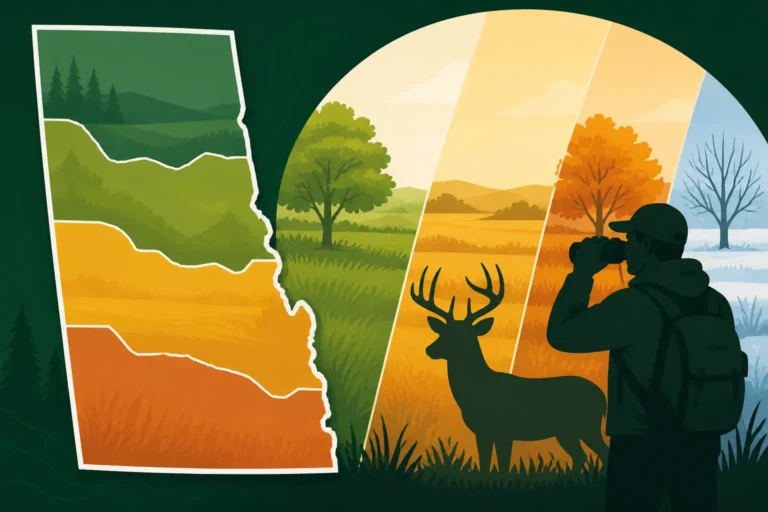
The heart of Saskatchewan's big game draw system lies in its priority pool structure. This is how the system attempts to be fair, giving increasing preference to hunters who have applied consistently over the years without success. It’s designed to reward persistence, recognizing that waiting multiple years for a tag can be frustrating. Many provinces have similar systems, but Saskatchewan's has its own unique flavour, with different pools signifying different levels of accumulated priority. Understanding these pools is absolutely essential if you want to play the long game successfully.
There are four primary pools in the Saskatchewan big game draw:
- Legacy Pool: This is the highest tier of priority, reserved for those who have been consistently applying for a specific species and zone for a very long time, accumulating the maximum number of priority points without drawing. Hunters in the Legacy Pool have the absolute best chance of drawing a tag for the most sought-after species, like a trophy moose or antlered elk in popular zones. It can take many years, sometimes even decades, to reach this level for certain highly contested tags. This pool truly lives up to its name, representing a legacy of dedication to the draw. For example, to draw a coveted Trophy Moose Only tag often means clearing from the Legacy Pool due to the extreme competition and limited tags available.
- Super A Pool: The Super A Pool is the next highest level of priority. Hunters reach this pool after consistently applying and accumulating a significant number of priority points, but not yet enough to enter the Legacy Pool. While not as strong as Legacy, hunters in the Super A Pool still have a very strong chance of drawing a quality tag, often for popular antlered deer or elk hunts. It signifies a serious investment of time in the draw process.
- A Pool: The A Pool is for hunters who have applied for a few years and built up some priority. They haven't been successful yet, but they're definitely moving up the ladder. Hunters in the A Pool have a decent, but not guaranteed, chance of drawing certain tags, especially for less competitive zones or species, or antlerless licences. This is where most hunters find themselves for a good chunk of their draw journey, constantly hoping that this is their year.
- B Pool: This is the starting point for all new applicants, and it's also where you land if you successfully draw a tag and then re-apply in a subsequent year. The B Pool signifies the lowest priority, meaning your chances of drawing a highly competitive tag are slim. However, it's crucial to remember that everyone starts here, and consistent application is the only way to move beyond it.
To help visualize this, let's look at a quick breakdown:
| Priority Pool | Description | Typical Priority Points (Approx.) | Chance of Drawing (Highly Competitive Tag) |
|---|---|---|---|
| Legacy | Highest priority, long-term unsuccessful applicants | 15+ | Very High |
| Super A | Very high priority, consistently unsuccessful applicants | 10-14 | High |
| A | Good priority, some unsuccessful applications | 5-9 | Moderate |
| B | Lowest priority, new applicants or drawn applicants from prior year | 0-4 | Low |
Note: The number of priority points needed for each pool can vary slightly depending on the species and zone, and is ultimately determined by the draw system itself based on accumulated unsuccessful applications.
The system for How Priority Pools Sort Applicants is designed to ensure that those who have waited the longest are given precedence. Every year you apply for a draw and are unsuccessful, you gain a "priority point" for that specific draw category (e.g., antlered whitetail in Zone X). These points accumulate, and as they do, your application moves up through the pools. It's a system of deferred gratification, but it’s what makes those drawn tags so incredibly rewarding when they finally come through.
Where a New Applicant Begins Their Journey
Okay, so let's get to the brass tacks: if you’re a brand-new hunter in Saskatchewan, or perhaps you're an experienced hunter new to the province, the question of "Which Pool a New Applicant Starts In" is probably burning in your mind. The answer is straightforward: every new applicant starts in the B Pool. This isn't a penalty; it's simply the baseline for entry into the priority system. Think of it as joining the queue at the very end. It might feel a bit discouraging, especially if you’re dreaming of a monster bull moose, but it's important to understand that this is the starting line for everyone.
Starting in the B Pool means you have zero priority points for that specific draw category. Your application will be considered alongside all other B Pool applicants. For highly sought-after tags, like some of the prime antlered deer or elk draws, your odds will be significantly lower than someone in the A, Super A, or Legacy Pools. Don't let this deter you, though! It just means your strategy needs to be focused on consistency and smart choices as you embark on your Saskatchewan hunting journey. The key takeaway here is that you're in good company, as every seasoned hunter who eventually landed their dream tag also started right where you are.
The good news is that by simply applying, even unsuccessfully, you begin to build your priority for the following year. Each year you apply for a specific draw and don't get drawn, you accumulate one more priority point for that draw category. These points are invaluable. They steadily move you up through the pools, increasing your chances in subsequent draws. So, while you might not draw that coveted tag in your first year or two, you are laying the groundwork for future success. It's a marathon, not a sprint, and understanding this long-term perspective is crucial for any new applicant.
Strategies for Building Priority and Navigating the Draw
Entering the B Pool doesn't mean you're out of luck. It means you need to be strategic. Here are some actionable steps and considerations for new applicants looking to build priority and increase their chances of drawing a desirable tag in Saskatchewan.
Consistent Application is Key
This cannot be stressed enough: apply every single year, even if you think your chances are slim. Missing a year means you lose the opportunity to accumulate a priority point for that draw category, effectively setting you back. You don’t have to apply for the same thing every year, but if there’s a specific species or zone you truly desire, consistent application is the only way to move up the priority ladder. Remember, it's about building that history of unsuccessful applications that eventually boosts you into a higher pool. The cost to apply is usually minimal, often just What a Draw Application Costs, making it a small investment in your future hunting success.
Consider Less Competitive Zones and Species
While everyone dreams of the biggest bucks or bulls, starting out in the B Pool, it's wise to consider applying for draws that are less competitive. This might mean:
- Antlerless Licences: Many zones offer antlerless deer or elk tags that are much easier to draw, even for B Pool applicants. This can be a great way to gain valuable hunting experience, put meat in the freezer, and stay engaged in the draw system without resetting your priority for an antlered tag.
- Less Popular Zones: Some Wildlife Management Zones (WMZs) simply have less hunting pressure or smaller populations of trophy animals, making their draw odds significantly better. While you might not be hunting in a "destination" zone, you increase your chances of drawing a tag and getting out into the field. Resources like GoHunt, or consulting the official Saskatchewan hunting guide, can provide insights into Which Saskatchewan Zones Draw Fastest for Mule Deer or have better odds for other species.
- "Open" Species: Remember, not all species require a draw. Many Saskatchewan Resident Licence Options for game birds or certain small game are available over-the-counter. While not big game, these hunts are fantastic opportunities to get outdoors and hone your skills while you wait for your big game priority to build.
Understand the Reset Rule
One of the most important rules to grasp is how drawing a tag affects your priority. If you successfully draw a tag for a specific draw category (e.g., antlered whitetail in Zone 55), your priority for that specific category resets to zero, and you'll be back in the B Pool for it the following year. This means you can't just draw a trophy tag every year. However, if you apply for multiple draw categories (e.g., antlered whitetail and antlered mule deer), drawing one does not affect your priority for the other. This allows you to build priority for several different species or zones simultaneously. It's crucial to understand What Happens to Your Pool After a Draw to plan your applications effectively.
Leverage Available Information
The Saskatchewan Ministry of Environment publishes a wealth of information in its annual hunting guide. Pay close attention to sections on Which Saskatchewan Species Are Draw Only, draw odds from previous years, and season dates specific to each zone, such as Saskatchewan Whitetail Season Dates by Zone. This data can help you make informed decisions about where to apply, especially when starting in the B Pool. Look for zones with historically higher success rates or lower application numbers for the tags you're interested in. Don't be afraid to do your homework; it's an investment in your hunting future!
Disclaimer
The information provided in this guide is for general informational purposes only and does not constitute legal advice. Hunting regulations and draw systems can change, and it is the hunter's responsibility to consult the official Saskatchewan hunting regulations and the Ministry of Environment for the most current and accurate information before participating in any hunting activities.