When Saskatchewan’s Archery Deer Season Runs
Hunting in Saskatchewan offers some of the most incredible opportunities for big game, but deciphering the annual hunting regulations, especially when it comes to specific season dates, can sometimes feel like trying to solve a complicated puzzle. It's a common frustration for both seasoned veterans and new hunters alike: you want to be out in the field, not buried in rulebooks, yet knowing precisely when Saskatchewan's archery deer season runs is absolutely crucial for planning a successful and legal hunt. This guide aims to clear up that confusion, offering a comprehensive look at the archery deer season framework, critical dates, and essential considerations so you can spend less time guessing and more time preparing for your next shot.
Understanding Saskatchewan's Archery Deer Season Framework
Saskatchewan's hunting seasons are structured to provide varied opportunities while managing wildlife populations responsibly. For archers, this means a distinct and often early start to deer season, offering a unique hunting experience before the general rifle seasons kick in. This early opener is a huge draw for bowhunters, providing a chance to pursue deer in warmer weather, often before they become fully aware of hunting pressure.
The provincial government organizes hunting opportunities through a system of Wildlife Management Zones (WMZs), and understanding how these zones operate is paramount. Each WMZ might have slightly different rules, opening dates, or species specific regulations. This zonal approach ensures that local deer populations are managed effectively, taking into account habitat, population density, and hunter access. It’s why you can’t simply assume one date applies across the entire province; a little homework here goes a long way.
Furthermore, all hunters in Saskatchewan, residents and non-residents alike, must navigate the online HAL (Hunter and Angler Licensing) account system to purchase licences and apply for draws. This centralized system is where you’ll manage your hunting profile, apply for big game draws, and ultimately acquire the necessary tags that permit you to hunt during the archery season. Getting familiar with this platform before the seasons open is a proactive step that will save you a lot of last-minute headaches.
Early Archery Opener for Whitetails and Mule Deer
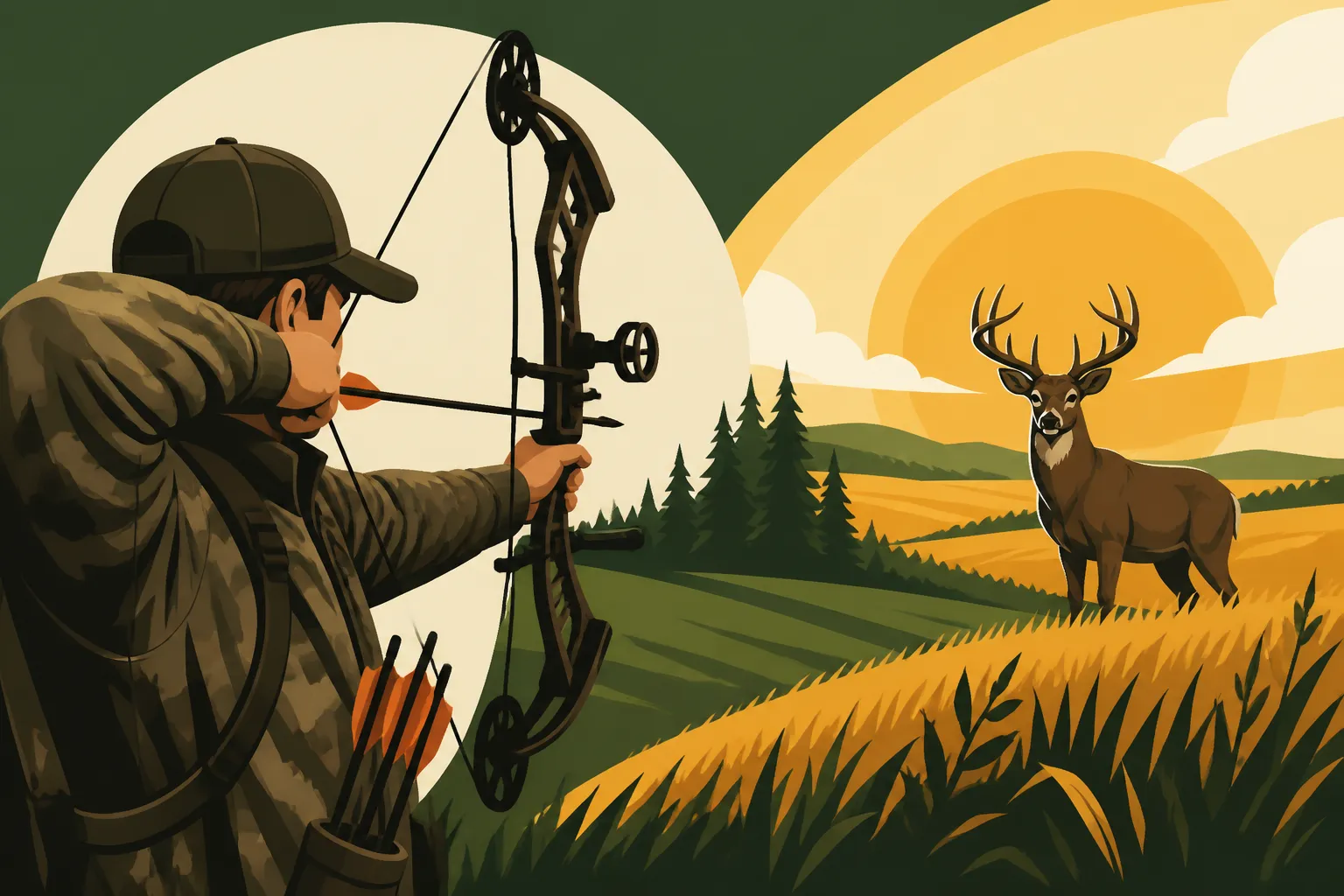
One of the most exciting aspects of Saskatchewan hunting for bowhunters is the early archery-only season. Generally, the archery deer season for both whitetail and mule deer opens in late August or early September, often weeks before any firearm season. This specific window is designated for archery equipment only, meaning no rifles, shotguns, or muzzleloaders are permitted for deer during this time. It’s a dedicated period for bowhunters to get out there and enjoy the peace and quiet of the early fall woods or prairies.
Hunting during this early period presents a fascinating set of circumstances. Deer are often still in their summer patterns, frequently moving from bedding areas to food sources with a predictable rhythm. Whitetail bucks might still be in velvet or just shedding it, offering a unique trophy opportunity. The warmer temperatures, however, mean you'll be contending with more insects like mosquitoes and ticks, and proper meat care becomes even more critical due to the heat. It’s a time when early mornings and late evenings are most productive, and a good understanding of deer summer habits, like their reliance on water sources, can really pay off. For many, this early access, where the landscape is still lush and green, is the purest form of deer hunting. Many hunters use this time to focus on individual deer they've been scouting for months, often through trail cameras or by observing summer patterns from a distance.
How Zone-Specific Dates Affect Your Hunt
While there's a general provincial opening for archery deer, it’s vital to remember that specific Wildlife Management Zones (WMZs) can have nuances. The province is divided into many zones, each with its own population dynamics and management goals. For instance, zones in the northern forest fringe might have slightly different considerations or even different species availability than those in the southern prairie regions. You might find zones where mule deer are buck-only for archery, or where antlerless opportunities might be restricted or more generous.
This zonal variation means that relying on a general idea of "archery season" isn't enough. You absolutely must consult the current year's Saskatchewan Hunters' and Trappers' Guide and verify the dates for the specific WMZ you plan to hunt. Missing a zone boundary by even a few hundred yards could put you outside the legal hunting area or into a different season entirely. Imagine showing up ready to hunt, only to realize the zone you're in doesn't open for another week or has different bag limits – that's a mistake no one wants to make. Digital mapping tools, like those found on the GoHunt app, are incredibly helpful for visualizing these zone boundaries on a map overlaid with satellite imagery, ensuring you're always on the right side of the line. Regularly checking How Saskatchewan's Zones Set Your Season is a smart practice.
Transitioning from Archery-Only to General Seasons
One of the often-overlooked advantages for archers in Saskatchewan is the ability to continue hunting with a bow and arrow well into and even throughout the general firearm seasons. This flexibility means that archers aren't confined to a short, early window; they can continue their pursuit of deer, adapting their strategies as the season progresses and conditions change. This extended opportunity is a significant benefit, especially for those dedicated to bowhunting, as it allows them to experience various phases of the deer season.
For instance, the early archery season provides a chance to hunt deer in their summer patterns, often undisturbed. As the calendar flips, and the general firearm season begins, archers can transition to hunting during the rut, or even into the late season. This continuous opportunity allows archers to capitalize on different deer behaviors and movements, whether it's the predictable feeding patterns of early fall, the frantic activity of the rut, or the cold-weather yarding in deeper snow. The key is understanding how your archery privileges align with the broader Saskatchewan Big Game Season Dates for the species you are pursuing.
Overlap with General Rifle Seasons
Once the general rifle seasons open in many WMZs, typically in late October or early November, archers can continue to hunt, provided they have a valid deer tag for that zone and species. This overlap means you might be in the woods with other hunters carrying firearms, which brings a critical safety consideration: blaze orange requirements. While archers generally don't need blaze orange during the archery-only period, it becomes mandatory during any firearm season where deer hunting is permitted. This is non-negotiable for your safety and the safety of others.
Hunting during this overlap period can be both challenging and rewarding. The increased presence of rifle hunters can alter deer behavior, making them more nocturnal or pushing them into thicker cover. However, it also means deer are often on the move, sometimes pushed by other hunters, creating new opportunities. It's a time when stealth, patience, and adaptability become even more critical for the bowhunter. Knowing when the Saskatchewan Rifle Season Dates are in your specific zone is crucial, even if you’re planning to stick with your bow, as it dictates your safety gear and the general atmosphere in the woods.
Archery Through the Rut and Late Season
The Saskatchewan deer rut, usually peaking in early to mid-November, is a magical time for any deer hunter, and archers get to experience it firsthand. As bucks become more active, chasing does and responding to calls, the chances for a close encounter increase significantly. This period is a prime opportunity to try tactics like rattling and grunting, which can be highly effective with a bow. The thrill of a rutting buck responding to your call, closing the distance, and offering a shot opportunity is unparalleled. For many bowhunters, this is the pinnacle of the season. If you're planning to target this crucial period, delve into Hunting the Rut in Early to Mid November for advanced strategies.
Beyond the rut, some WMZs offer extended archery seasons, sometimes stretching into early December. While challenging due to colder temperatures and potential deep snow, these late-season hunts can still be productive. Deer often group up in wintering areas, focusing on available food sources, which can make them more concentrated, albeit harder to approach due to their heightened awareness. Dressing warmly, using portable heaters in ground blinds, and practicing extreme patience are keys to success in the late season. It's a tough grind, but a late-season deer taken with a bow in the snow is a truly memorable accomplishment.
Essential Archery Season Considerations
Beyond just knowing the dates, there are several crucial elements that every archer must consider to ensure a safe, legal, and successful hunt in Saskatchewan. These range from the practical aspects of licensing to the specific preparation required for an ethical shot. Ignoring any of these details can not only lead to frustration but could also result in legal issues or, worse, an unethical hunt.
The Saskatchewan environment can be unforgiving, especially in the early and late seasons, so having all your ducks in a row well before you step into the field is non-negotiable. Whether you're a resident or a non-resident, the principles of responsible hunting remain the same, emphasizing respect for the animal, the land, and fellow hunters.
Licensing and Tags for Archery Deer
First and foremost, you need the correct licence and tags. In Saskatchewan, there isn't a separate "archery tag." Instead, you purchase a regular deer licence (e.g., resident antlered whitetail deer licence, resident antlerless mule deer licence), and this licence can be filled using archery equipment during any open deer season for which your tag is valid. This means if you have an antlered whitetail tag, you can use your bow during the archery-only season, the general rifle season, or any other open season for antlered whitetails in your chosen zone. The price for these licenses, and the mandatory Wildlife Habitat Certificate, are detailed under Saskatchewan Hunting Licences and What They Cost.
Certain species, particularly mule deer, often require success in a limited draw. This means you must apply months in advance and hope to be drawn for a tag in a specific zone. If you're unsuccessful in the draw, you won't have a mule deer tag for that year, regardless of the archery season dates. Always confirm the species and antler restrictions for your chosen WMZ, as some areas may be "buck-only" or have specific regulations on antler points. After harvesting an animal, remember the critical step of immediately validating your tag. Failure to do so can result in significant penalties.
Equipment and Preparation for Early Season Archery
Hunting deer with a bow demands precision, and that starts long before you ever step foot in the woods. Your equipment needs to be in top shape. Ensure your bow is tuned, your arrows are flying true, and your broadheads are razor-sharp and matched to your setup. Consistent practice, especially from realistic hunting positions and distances, is paramount. Knowing your effective range and sticking to it is an ethical responsibility. Reviewing Bow Draw Weight Rules in Saskatchewan will ensure your equipment is legal.
Early season also brings unique challenges. Temperatures can still be quite warm, so consider lightweight, breathable clothing that offers good camouflage. Mosquitoes and other biting insects can be relentless, so insect repellent (scent-free, if possible) or protective clothing is a must. Scent control is even more critical in warmer weather, as odors can travel further. Always have a plan for swift field dressing and cooling your animal, as meat can spoil quickly in higher temperatures. Many hunters use a quality rangefinder to ensure precise shot placement, and digital scouting tools like the GoHunt app can assist in identifying potential bedding and feeding areas, allowing for more effective stand placement.
Understanding Success Rates and Expectations
It’s important to set realistic expectations for archery hunting. While the early season offers unique advantages, deer hunting with a bow is inherently more challenging than with a firearm. Success rates for bowhunters are generally lower, requiring greater patience, stealth, and skill. Don't measure your hunt solely by whether you fill your tag. The true reward often lies in the challenge, the close encounters, and the deep connection with nature that bowhunting provides. Saskatchewan offers incredible opportunities, but it's not a guaranteed harvest. Enjoy the process, the scouting, the anticipation, and the time spent in the wild.
Navigating Regulations and Resources
Staying informed is perhaps the most important aspect of any hunting trip, especially when regulations can change from year to year. Relying on outdated information or hearsay is a surefire way to run into trouble. Saskatchewan, like all jurisdictions, has official sources for its hunting regulations, and knowing where to find and how to interpret these resources is a key part of responsible hunting. You want to be confident that every decision you make in the field is backed by accurate, up-to-date knowledge.
The sheer volume of information can sometimes feel overwhelming, but thankfully, there are clear, authoritative sources. Beyond the official guides, modern technology also offers powerful tools that can aid in planning and navigation, helping you stay compliant with zone regulations and optimize your hunting efforts.
The Saskatchewan Hunters' and Trappers' Guide
The single most important document for any hunter in Saskatchewan is the Saskatchewan Hunters' and Trappers' Guide. This guide, published annually by the Ministry of Environment, is the definitive source for all hunting regulations, season dates, bag limits, and licensing requirements. It’s available both online and in print at most licence vendors. You absolutely must read the current year's guide cover-to-cover before your hunt, as rules and dates can change. Simply checking a previous year's guide or relying on memory is a dangerous gamble.
The guide will provide detailed tables for each WMZ, outlining the specific opening and closing dates for archery, rifle, and muzzleloader seasons for various species. It also covers crucial information like legal hunting hours, blaze orange requirements, tag validation procedures, and special restrictions. Make it an annual tradition to download and review the guide as soon as it's released. For further details on where to obtain this critical document, refer to Where to Read the Hunting Guide.
Utilizing Digital Tools for Planning
In today's world, hunters have access to an incredible array of digital tools that can greatly assist in planning and executing a hunt. Mapping applications are particularly invaluable. Platforms like the GoHunt app offer detailed satellite imagery, topographic maps, and often include overlays for public vs. private land, and crucially, Wildlife Management Zone boundaries. This allows you to visually confirm your location relative to restricted areas or different zone regulations, directly on your smartphone.
These apps can also help you mark potential stand locations, scout terrain features from afar, and even track your movements in the field. This can be especially useful for identifying willow runs for whitetails or understanding the lay of the land in a prairie coulee system. While digital tools are fantastic aids, they should always be used in conjunction with the official Hunters' and Trappers' Guide. Think of them as complementary resources that enhance your understanding and preparation, making your time in the field more productive and compliant. If you're serious about your scouting game, checking out Scouting With Satellite Imagery in Saskatchewan will provide more context on how to leverage these tools effectively.
Saskatchewan Archery Deer Season Overview
To help visualize the typical archery deer season in Saskatchewan, here's a general overview. Keep in mind that specific dates and regulations can vary by WMZ and year, so always consult the current Saskatchewan Hunters' and Trappers' Guide.
| Season Phase | Typical Start Date | Typical End Date | Key Characteristics | Equipment Allowed (Deer) |
|---|---|---|---|---|
| Archery-Only | Late August/Early Sept | Late October | Warmer weather, deer in summer patterns, low pressure | Archery only |
| General Season Overlap | Late October | Mid-December (varies) | Rifle season begins, rut peaks, increased pressure, colder | Archery and Firearms |
| Late Season Archery | Early December | Mid-December (varies) | Cold weather, deer yarding, challenging conditions | Archery and Firearms |
Note: The "General Season Overlap" refers to the period when archery equipment is still legal to use for deer, but firearm seasons for deer have also commenced in that particular WMZ. During this overlap, blaze orange requirements generally apply to all hunters, including archers.
Disclaimer
Please remember that hunting regulations, season dates, and licensing requirements in Saskatchewan are subject to change annually. While this guide provides a comprehensive overview, it is essential for all hunters to consult the most current Saskatchewan Hunters' and Trappers' Guide directly from the Ministry of Environment before planning or engaging in any hunting activities. This article is for informational purposes only and does not constitute legal advice or a definitive statement of current hunting laws. Always prioritize safety, ethical hunting practices, and compliance with all provincial and federal regulations.