Spring Bear Season Dates and Zones
If you're anything like me, the long, cold Saskatchewan winter leaves you itching for the outdoors, and the thought of spring bear hunting is often what gets us through. There's nothing quite like the crisp air, the budding leaves, and the anticipation of a big black bear emerging from its den. However, pinning down the exact season dates and understanding which zones are open can feel like a moving target, causing real frustration when you're trying to plan that perfect spring adventure. This guide will meticulously break down Saskatchewan's spring bear season dates and open zones, helping you confidently plan your next hunt.
Understanding Saskatchewan's Bear Hunting Seasons
Saskatchewan offers two distinct bear hunting seasons: spring and fall. While both have their unique charm, the spring season holds a special place in the hearts of many hunters, myself included. It’s a time of renewal, and for bear hunters, it's an opportunity to pursue these magnificent animals as they shake off winter's slumber.
Why Spring Bear Hunting is So Popular
There’s an undeniable allure to spring bear hunting that draws people from all over. Bears are just emerging from their dens, often looking for fresh food sources after months of hibernation. This means they can be incredibly active, making them more visible and callable, especially if you're hunting over bait. For many, it's the first big game hunting opportunity of the year, a chance to get back into the bush after the long winter months. Plus, the chance to encounter one of Saskatchewan's beautiful colour phase black bears – from cinnamon to chocolate – adds an extra layer of excitement to the pursuit. It's truly a unique experience to be in the boreal forest as it comes alive, chasing an animal that embodies the wild spirit of the north. You might even find yourself considering combining it with another early season pursuit, though bear is usually the main focus.
General Spring Bear Season Overview
Generally speaking, Saskatchewan's spring bear season kicks off in late April or early May and runs through most of June. This timeframe is strategically chosen to coincide with the bears' emergence from hibernation and their active feeding periods before the heat of summer sets in and thicker foliage makes them harder to spot. However, it’s absolutely critical to understand that these dates are not universal across the province. They vary significantly from one Wildlife Management Zone (WMZ) to another. This is where meticulous planning and consulting the official regulations become paramount. What might be open in one zone could be closed just a few miles away, which can be a real headache if you haven't done your homework.
Navigating Saskatchewan's Spring Bear Zones and Dates
Saskatchewan is a vast province, and its diverse landscapes mean different hunting opportunities in different regions. For black bears, the focus is squarely on the forest and forest fringe regions, where habitat is abundant.
Key Zones for Spring Bear
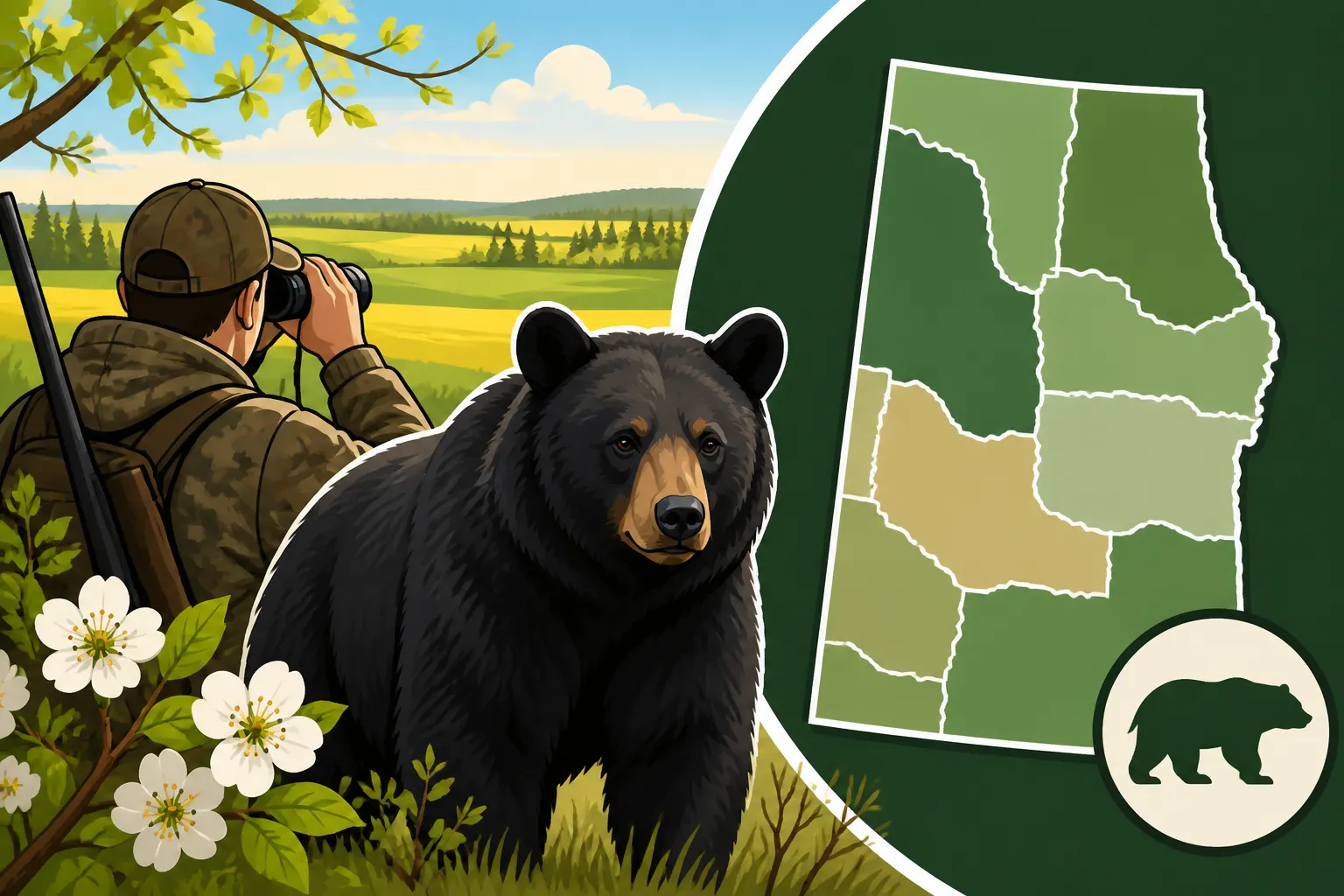
When we talk about spring bear hunting in Saskatchewan, our minds immediately turn to the sprawling boreal forest and the rich forest fringe areas. These are the prime habitats where black bear populations thrive, offering consistent opportunities. You'll find the most concentrated bear hunting activity in the northern WMZs, specifically those that encompass parts of the Nipawin Provincial Forest, the Pasquia Hills, the Porcupine Provincial Forest, and the Meadow Lake Provincial Forest. Areas around Hudson Bay, Carrot River, Prince Albert, and Meadow Lake are historically strongholds for bear populations.
Think of zones like WMZ 49, 50, 51, 52, 53, 54, 55, 56, 57, 58, 59, 60, 61, 62, 63, 64, 65, 66, and 67. These are generally situated in the more forested regions of the province. Even some of the transitional zones, such as those in the Aspen Parkland that border the true boreal forest, can offer excellent opportunities, but the deepest woods are where you’ll typically find the highest densities. It's these zones where the habitat — dense cover, abundant natural food sources, and plenty of water — truly allows bears to flourish, leading to better hunting prospects. When you're Hunting Saskatchewan's Boreal North, you're often in prime bear country.
Typical Opening and Closing Dates
As I mentioned, the exact dates are zone-specific, but there's a general pattern. Most spring bear seasons across the popular zones will open anywhere from April 25th to May 1st. The closing dates typically fall between June 15th and June 30th. This allows for a solid six to eight weeks of hunting, giving hunters ample opportunity to pursue a bear. However, it's absolutely vital to remember that these are not set in stone, and small shifts can occur year to year based on wildlife management decisions. Always, always check the current year's Saskatchewan Hunters' and Trappers' Guide for the most up-to-date and legally binding information. Relying on outdated information can quickly lead to a violation, and nobody wants that.
To give you a clearer picture, here’s a simplified table illustrating typical spring bear season dates for some prominent zones:
| Wildlife Management Zone (WMZ) | General Region | Typical Spring Bear Season Dates |
|---|---|---|
| WMZ 49-59 (Forest Fringe South) | Prince Albert, Nipawin | April 25 – June 30 |
| WMZ 60-61 (Boreal Central) | Hudson Bay, Carrot River | April 25 – June 30 |
| WMZ 62-67 (Boreal North) | Meadow Lake, Big River | May 1 – June 30 |
| WMZ 70-75 (Deep North) | La Ronge, Far North | May 1 – June 30 |
Note: These dates are illustrative and based on common historical patterns. Always consult the most current Saskatchewan Hunters' and Trappers' Guide for precise, up-to-date legal dates.
Essential Considerations for Your Spring Bear Hunt
Once you have a handle on the dates and zones, there are other crucial aspects to consider to ensure your hunt is both legal and enjoyable.
Resident vs. Non-Resident Rules
This is a really important distinction, especially if you're visiting Saskatchewan from outside the province or Canada. If you're a Saskatchewan resident, you have the flexibility to hunt independently, providing you adhere to all licensing and zone regulations. You can go out, scout, set up your own bait sites, and hunt on appropriate land with permission.
However, for non-residents, the rules are significantly different. Saskatchewan law dictates that all non-residents wishing to hunt big game, including black bears, must do so through a licensed outfitter. There are no exceptions to this rule. This means your hunting trip will be arranged and guided by a professional outfitter who holds specific allocations for bear tags in particular zones. It adds a layer of planning and cost, but it also means you'll benefit from their expertise and established hunting grounds. If you're coming from afar, understanding Why Non-Residents Must Book an Outfitter is key to a smooth trip.
Licensing and Regulations
Regardless of whether you're a resident or non-resident, obtaining the correct licenses and adhering to all regulations is non-negotiable. Every hunter in Saskatchewan needs a Wildlife Habitat Certificate, which contributes to conservation efforts. On top of that, you'll need a specific black bear licence. These are all purchased through your Saskatchewan HAL (Hunter and Angler Licensing) account.
I can’t stress this enough: always read the current year's Saskatchewan Hunters' and Trappers' Guide. It’s the definitive source for all rules, regulations, bag limits, and specific zone dates. This guide will also detail requirements like Saskatchewan Hunter Education Requirements, blaze orange rules, legal methods of hunting, and meat transportation guidelines. A common regulation for bear hunting, especially in the spring, is the prohibition of shooting sows with cubs. Ethical hunting dictates that you correctly identify your animal, and this guide provides crucial information on doing so.
What to Expect in the Field
Spring bear hunting typically involves either baiting or spot-and-stalk methods. Baiting is a very popular and often highly successful strategy, allowing hunters to set up in a blind and wait for bears to visit a food source. This method allows for careful observation and identification of the animal, which is crucial for ethical hunting and avoiding sows with cubs. If you're looking into setting up a bait, you'll find helpful information on Setting a Bear Bait Site in Saskatchewan.
Weather in spring Saskatchewan can be incredibly unpredictable. One day it might be warm and sunny, the next you could be facing rain, snow, or biting winds. Being prepared for all conditions is essential. Bears, fresh out of hibernation, are driven by hunger. They’ll be seeking out new vegetation, carrion, and, of course, bait. You'll often find them along cutlines, creek bottoms, and the edges of fields where they can find food and cover. Hunting the Spring Bear Hunting Saskatchewan's Cutlines can be a very effective strategy as bears use these corridors to travel.
Planning Your Hunt and Maximizing Success
With dates and zones in mind, let's talk about turning your spring bear dreams into a successful reality.
Researching Specific Zone Regulations
The key to a successful and legal hunt starts with diligent research into your chosen WMZ. While I’ve given you typical dates, slight variations can mean the difference between a legal harvest and an unfortunate violation. Always download or pick up the latest Saskatchewan Hunters' and Trappers' Guide. This free resource is gold. Pay close attention to the specific rules for your zone, including any special restrictions or mandatory reporting requirements.
Beyond the official guide, modern mapping technologies can be an invaluable asset. While digital mapping tools like GoHunt can be incredibly helpful for visualizing land types, access routes, and public versus private land boundaries, always cross-reference with the official Saskatchewan hunting guide. GoHunt, with its detailed satellite imagery and land ownership layers, allows you to scout potential hunting areas, identify natural travel corridors, and even locate good spots for bait sites from the comfort of your home. However, remember that these are planning tools, and the rules in the official guide are the final word. For a broader look at digital scouting, check out Scouting With Satellite Imagery in Saskatchewan.
Timing Your Hunt for Optimal Activity
Timing within the spring season can significantly impact your success. Early spring, usually the first two weeks of the season, can be fantastic. Bears are just emerging, incredibly hungry, and less wary. They’ll often hit baits aggressively. As the season progresses into late May and early June, the breeding season (the rut) for bears often begins. This can make boars more active during daylight hours as they search for sows, potentially increasing your chances of encountering a large male. However, it also means sows with cubs might be more visible, so careful identification is paramount. Knowing Timing a Saskatchewan Spring Bear Hunt can really make a difference. Always take your time to properly identify your target, especially ensuring it’s not a sow with cubs. Judging a bear's size and sex can be tricky, so educate yourself on the signs. This ensures an ethical and legal harvest, and helps protect future bear populations. Understanding What a Northern Black Bear Weighs might also give you a better idea of what a mature animal looks like.
Gear and Preparation
Being prepared for the unique challenges of a spring bear hunt is crucial. You'll need durable, waterproof clothing, as spring showers are common. Layering is key, as temperatures can fluctuate wildly throughout the day. Sturdy, comfortable boots are a must, especially if you'll be doing any amount of walking or navigating muddy trails. Don't forget bug spray, as mosquitoes and black flies can be relentless in the spring bush. If you're baiting, a comfortable blind chair, good binoculars, and a reliable rifle or bow are essential. Consider a good headlamp for those early morning walks to the stand or late evening retrieves. Your success isn't just about finding the right zone and dates; it's about being comfortable and ready for whatever the Saskatchewan wilderness throws at you.
Disclaimer
Please note: The information provided in this guide is for general informational purposes only and does not constitute legal advice. Hunting regulations in Saskatchewan are subject to change, and it is the hunter's responsibility to consult the most current Saskatchewan Hunters' and Trappers' Guide or the official provincial government website for up-to-date and accurate regulations, season dates, and zone boundaries before planning any hunting activity.