Saskatchewan Whitetail Season Dates by Zone
Trying to pin down the exact dates for whitetail hunting in Saskatchewan can feel like navigating a maze blindfolded. With so many diverse Wildlife Management Zones (WMZs), different weapon types, and regulations that seem to shift slightly year after year, it's easy to get lost in the details. This comprehensive guide is here to untangle that complexity, providing you with a clear roadmap to understanding Saskatchewan's whitetail season dates by zone, ensuring you're always ready when opening day arrives.
Understanding Saskatchewan's Wildlife Management Zones for Whitetails
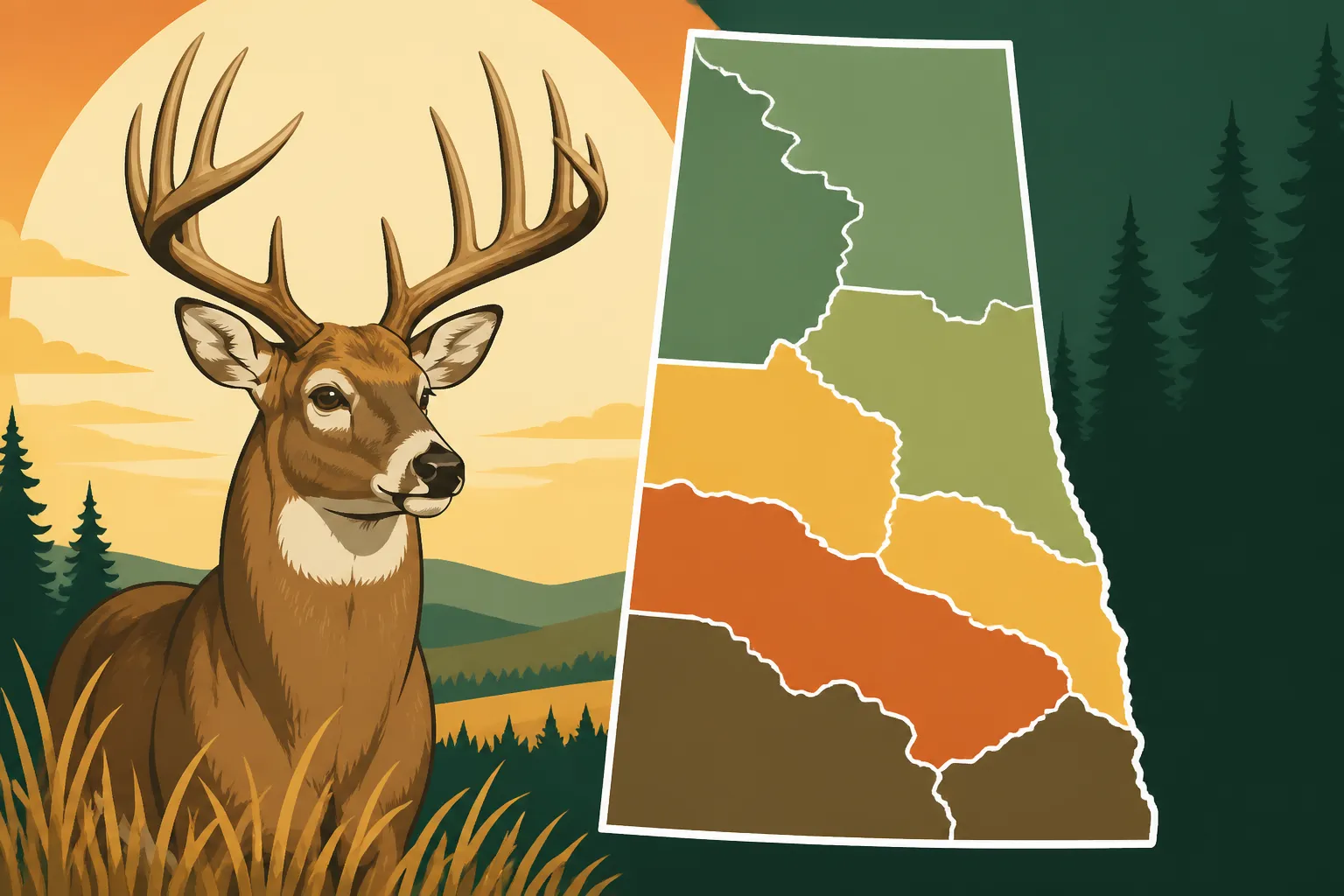
Before we dive into specific dates, it's absolutely crucial to grasp the concept of Wildlife Management Zones (WMZs). Saskatchewan isn't just one big hunting area; it's meticulously divided into these zones, and each one has its own set of rules, including when you can hunt and what you can harvest. Ignoring these boundaries or misunderstanding the regulations for your chosen zone can lead to a heap of trouble, not to mention a ruined hunt.
Why Zones Matter So Much for Hunters
The reason behind Saskatchewan's WMZ system is all about wildlife management. Different areas of the province have vastly different habitats, deer populations, and levels of human activity. Farmland zones, for example, often hold a higher density of whitetails, which can cause agricultural damage, so hunting seasons might be structured to help manage these numbers. In contrast, deep boreal forest zones might have sparser populations, requiring more conservative hunting seasons to ensure sustainability. These zones also help distribute hunting pressure, preventing specific areas from being over-hunted.
Think of it like this: you wouldn't use the same fishing lure in a shallow stream as you would in a deep lake, right? The environment dictates the approach. Similarly, the WMZs dictate the hunting strategy and, most importantly for us, the season dates. Every time you consider a hunting spot, whether it's a small parcel of private land or a vast expanse of Crown land, knowing its WMZ is your very first step. It's the key to unlocking the correct season dates and understanding the local hunting conditions.
Finding Your Zone and What It Means on the Ground
So, how do you figure out which zone you're in or which zone you want to hunt? The Saskatchewan Ministry of Environment publishes an official Hunting and Trapping Guide annually, which includes detailed maps of all the WMZs. You can often find these online, or pick up a hard copy at most licence vendors. For those who want to stay meticulously organized, a digital tool like GoHunt can be a game-changer, allowing you to track specific zone regulations and dates right on your phone, often with overlaid land ownership data.
What your chosen zone means on the ground varies significantly. Zones in the southern agricultural belt, like those in the prairie and parkland regions, are often characterized by open fields, scattered bluffs, and shelterbelts. Here, you'll find plenty of opportunities for Hunting Whitetails on Saskatchewan Farmland. Travel north into the forest fringe or boreal forest, and you'll encounter zones with dense bush, lakes, and muskeg, offering a completely different hunting experience, such as those found in Hunting Saskatchewan's Aspen Parkland Bluffs. Each of these unique landscapes influences deer behaviour, population dynamics, and, of course, the specific legal hunting windows. It's about more than just dates; it's about understanding the entire ecosystem you're stepping into.
General Whitetail Season Dates in Saskatchewan
While specific dates vary by zone, there's a general rhythm to Saskatchewan's whitetail hunting seasons. It typically kicks off with archery, moves into muzzleloader, and then the highly anticipated general rifle season. Understanding these broader patterns helps you plan your year, even before you pinpoint your specific WMZ.
Early Opportunities: Archery Season
For the dedicated bowhunter, archery season is usually the earliest opportunity to pursue whitetails. These seasons often open in late August or early September for residents and continue into mid or late October. Non-residents, when hunting with an outfitter, will typically have specific windows within this period. This early season, while often warmer and buggier, offers a unique challenge and a chance to hunt deer in their summer patterns before the leaves fall and the rut begins. It's a fantastic time for scouting, observing deer movement, and getting familiar with a new area. If you're keen on chasing velvet or hard-antlered bucks before the rifle hunters arrive, you'll want to dive into the specifics of Bowhunting Saskatchewan's September Season.
During this time, deer are still very much focused on food sources, often hitting alfalfa fields, pea fields, or lush green timber pockets. The archery season is also a great chance to hone your stalking skills or sit patiently in a treestand along a well-used trail without the pressure of a crowded rifle season. Always remember to check if your zone has specific antlered or antlerless archery seasons, as some areas might offer opportunities for either, depending on management goals.
The Peak Event: General Rifle Season
For many, the general rifle season is the highlight of the whitetail hunting calendar in Saskatchewan. This is typically when the whitetail rut is in full swing, usually starting in early November and running through to early December. This is when the big bucks are often on the move, less cautious as they search for does, leading to some incredibly exciting encounters. It’s the time of year when hunters are hoping to capitalize on Hunting the Rut in Early to Mid November.
The rifle season dates are often the most standardized across zones, but even here, there can be slight variations, especially in certain northern or southern zones, or for antlerless opportunities. This is the period when Saskatchewan earns its reputation for big bucks, attracting hunters from all over. The weather can be brutally cold, but the potential rewards are significant. Preparing for Hunting Saskatchewan Winter Weather Safely becomes paramount if you plan to be out during these late fall and early winter dates.
Specialized Pursuit: Muzzleloader Season
Muzzleloader season in Saskatchewan often provides a bridge between archery and general rifle seasons, or it might overlap with portions of them. While not as widely participated in as rifle or archery, it offers a distinct challenge and a more traditional hunting experience. These seasons might run from late September through October, or sometimes later, depending on the zone. It’s important to verify if your chosen WMZ offers a muzzleloader specific season or if it falls within the general rifle season dates with specific weapon restrictions.
Hunters who enjoy the slower pace, the added challenge of a single shot, and the historical connection to hunting often gravitate towards muzzleloaders. The appeal lies in the greater test of woodcraft and tracking skills, pushing you to get closer to your quarry. As with all seasons, ensure your equipment meets the legal requirements for muzzleloader hunting in Saskatchewan, as rules regarding bullet type, powder, and ignition systems are specific.
Specific Zone Breakdown for Whitetail Seasons
Getting down to brass tacks, the actual dates you can hunt whitetails are meticulously tied to the specific Wildlife Management Zone you plan to be in. While there are general patterns, the nuances within each zone are what really matter.
Typical Farmland Zone Seasons
Many of Saskatchewan's farmland zones, particularly those in the central and southern portions of the province, offer generous whitetail seasons. These zones (e.g., WMZs 1-40s) typically have the earliest archery openers, sometimes as early as August 25th, and a strong, consistent general rifle season running from November 1st to December 7th. Some zones may also have antlerless seasons that extend even further into December, providing additional opportunities for population management and meat hunters.
The extended seasons in these zones reflect the generally robust whitetail populations found where agricultural crops provide abundant food sources. This is where you'll find fantastic opportunities for Hunting Whitetails on Saskatchewan Farmland. Due to the high deer densities and the open nature of the landscape, these zones often see significant hunting pressure, especially during the peak of the rut. Therefore, having your dates locked in and your scouting done well in advance is essential. When you're trying to figure out which zones to apply for in the draw, especially if you're looking at Why Saskatchewan Bucks Grow So Large, resources like GoHunt often compile historical draw odds and success rates, giving you an edge.
Forest Fringe and Boreal Zone Seasons
Moving north into Saskatchewan's forest fringe and boreal zones (e.g., WMZs 50s-70s), the season dates can sometimes be a bit different. While the general rifle season typically still aligns with the November 1st to December 7th window, some of these zones might have slightly later archery openers or different antlerless regulations. The hunting conditions are also vastly different here, with dense bush, fewer roads, and more challenging terrain.
These zones are renowned for producing mature, heavy-bodied bucks that spend their lives in the timber. It's a different kind of hunt, often requiring more patience and endurance. If you're looking for a true wilderness experience and a chance at a legendary buck, explore Hunting the Forest Fringe for Big Bucks. The challenges of hunting these areas often result in less hunting pressure, especially deeper into the bush, but also demand a higher level of preparedness and wilderness skills. Hunters in these areas also need to be mindful of specific regulations for other species, like moose or elk, that may share the same habitat.
Understanding the Nuances: Key Season Dates
To provide a general overview, here's a table outlining typical season date ranges for whitetail deer in Saskatchewan. Please remember these are general guidelines, and exact dates can change annually. Always consult the current official Saskatchewan Hunting and Trapping Guide.
| Season Type | Typical Start Date (Residents) | Typical End Date (Residents) | Notes |
|---|---|---|---|
| Archery | August 25 | October 31 | Varies by WMZ; some zones may have earlier or later start/end. Antlered/Antlerless specific regulations apply. |
| Muzzleloader | September 1 | October 31 | Varies by WMZ; sometimes overlaps with archery or rifle. |
| General Rifle | November 1 | December 7 | Main season for most zones. Includes the peak of the rut. |
| Antlerless Rifle | November 1 | December 15 (or later) | Specific to certain WMZs for population management; often extended. |
This table provides general reference points. Always confirm specific dates for your chosen WMZ in the official Saskatchewan Hunting and Trapping Guide for the current year.
Planning Your Whitetail Hunt: Beyond Just Dates
Knowing the season dates is just one piece of the puzzle. A successful Saskatchewan whitetail hunt requires understanding the broader regulatory framework, from licensing to land access. Ignoring these crucial details can turn a dream hunt into a frustrating ordeal.
Licences and the Big Game Draw
While some whitetail licences are available over-the-counter, many of the highly sought-after antlered whitetail tags, especially in prime zones, require participation in Saskatchewan's Big Game Draw. This competitive draw allocates a limited number of licences to ensure sustainable harvesting. You need to apply well in advance, typically in May, with results usually announced in June. It's vital to research draw odds for your desired zones and understand the priority pool system. Services such as GoHunt provide valuable reminders and tools to help you navigate these important annual submissions, including historical success rates for specific zones.
Beyond the draw, you'll need a Wildlife Habitat Certificate and your specific deer licence. You must also have a valid Saskatchewan Hunter Education and Firearms Safety certification. Always check the official guide for any specific regulations regarding antler point restrictions or "earn a buck" rules that may apply in certain zones.
Resident vs. Non-Resident Rules
This is a big one, and it causes a lot of confusion. If you're a non-resident of Saskatchewan (meaning from outside the province, or outside Canada), the rules are significantly different. For big game species like whitetails, non-residents are generally required to hunt with a licensed Saskatchewan outfitter. This means you cannot simply purchase a licence and hunt on your own. Your season dates and hunting opportunities will be tied directly to the outfitter's allocations. This requirement is clearly outlined in Rules for Non-Residents Hunting Saskatchewan.
Residents, on the other hand, have broader access to over-the-counter licences and the draw, and can hunt independently (with proper land access permission, of course). The distinction is critical, and failing to understand it can lead to legal complications.
Understanding Your Hunter Number and HAL Account
Every hunter in Saskatchewan needs a Hunter and Trapper Licence (HAL) account. This is your digital portal for all things hunting-related: buying licences, applying for draws, and updating your personal information. If you're new to hunting in Saskatchewan, setting up your Setting Up a Saskatchewan HAL Account is the very first step. Your unique Finding Your Saskatchewan Hunter Number is permanently linked to this account, and you'll need it for every transaction.
It's important to keep your HAL account details up-to-date and ensure you have access to it, especially when critical draw deadlines or licence purchasing windows open. This system streamlines the process for the Ministry of Environment and for you, the hunter, ensuring all your licences and certifications are properly recorded.
Staying Informed and Prepared
The world of hunting regulations can feel like a moving target, with minor adjustments occurring annually. While this guide provides a solid foundation, always make your final checks with the official Saskatchewan Hunting and Trapping Guide for the current season. This comprehensive document is available on the provincial government's website and is your ultimate authority. Additionally, the official Ministry of Environment website will post any emergency closures or significant changes throughout the season.
Always double-check the official Saskatchewan Hunting and Trapping Guide, but for quick reference and cross-referencing information, many hunters find supplemental apps and platforms like GoHunt incredibly useful for on-the-go planning, especially when you're in the field and need to quickly confirm a regulation. Being proactive and informed is the best way to ensure a safe, legal, and successful whitetail hunt in Saskatchewan.
Disclaimer
The information provided in this guide is for general informational purposes only and is subject to change. While we strive for accuracy, hunting regulations, season dates, and zone boundaries in Saskatchewan are set by the provincial government and can be updated annually or on an emergency basis. Always consult the most current official Saskatchewan Hunting and Trapping Guide published by the Ministry of Environment for the definitive and legally binding information before participating in any hunting activities.