Saskatchewan’s Elk Herds and Their Range
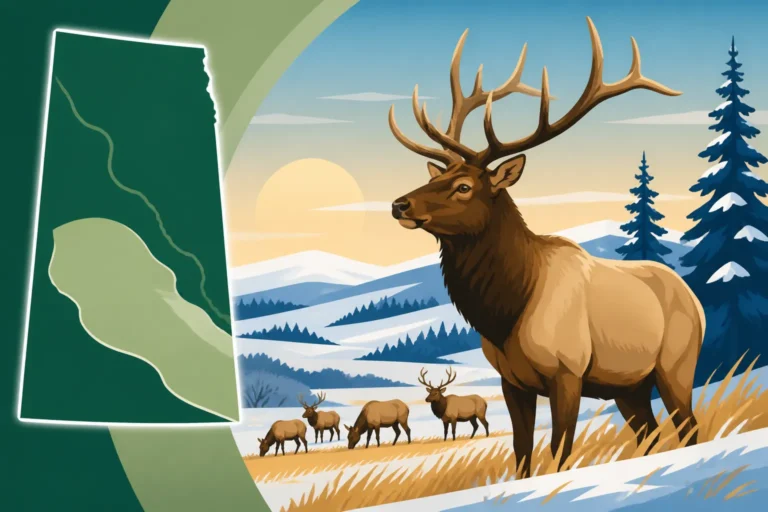
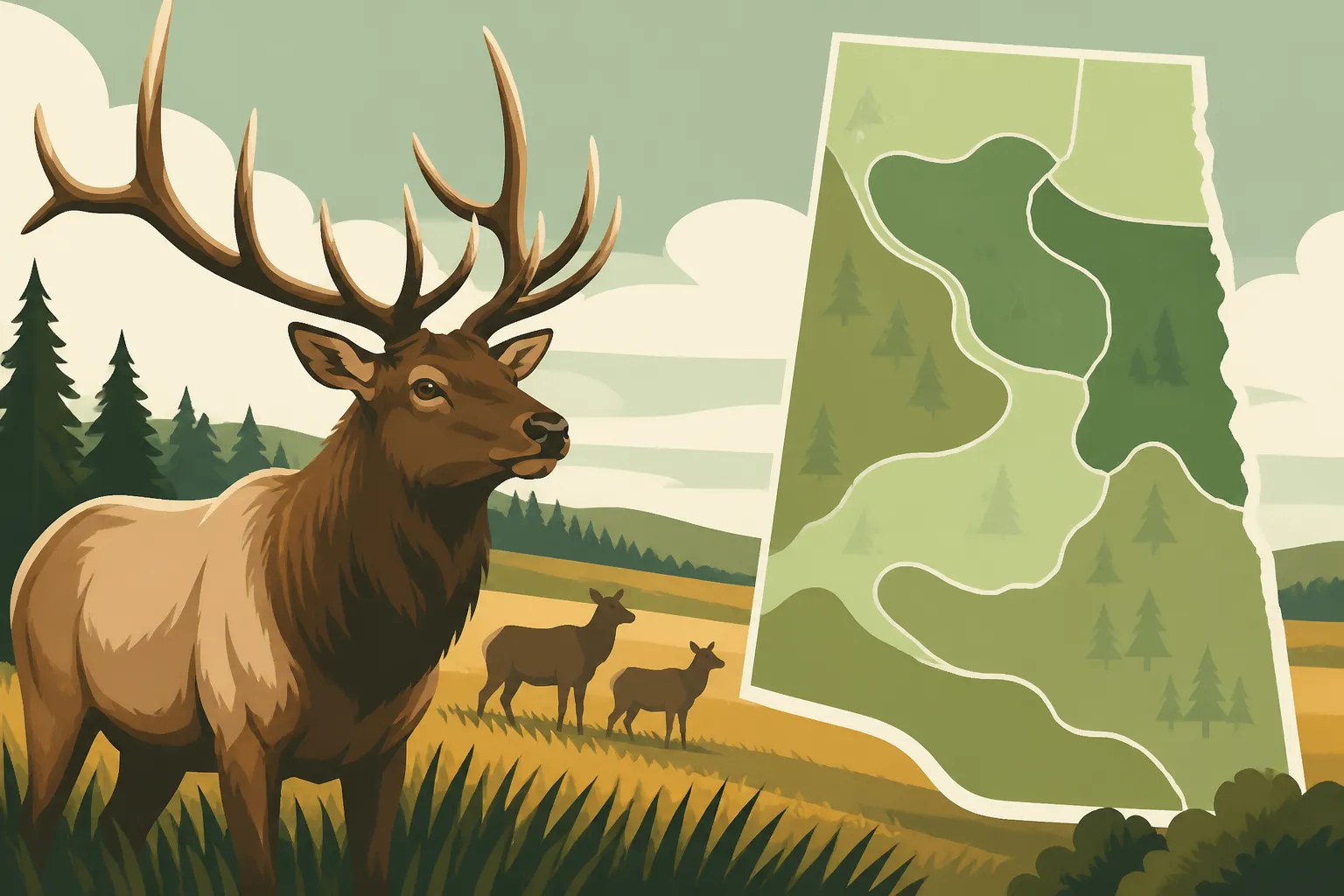
Hunting elk in Saskatchewan can feel like chasing a ghost for many, a beautiful, majestic phantom that you know should be here but is incredibly difficult to pin down. For years, it seemed like these magnificent animals were more legend than reality for the average hunter, tucked away in the deepest bush or causing headaches for a select few farmers. This guide aims to pull back the curtain on Saskatchewan's elk herds, exploring their range, understanding their movements, and offering real-world insights into where these elusive creatures truly thrive across our diverse province.
The Resurgence of Saskatchewan's Elk Herds
It's easy to forget that not so long ago, elk populations in Saskatchewan were facing some pretty dire circumstances. Historical accounts tell of once-thriving herds, but habitat loss, unregulated hunting, and changing land use took a heavy toll. Today, however, we're seeing a fantastic comeback story unfold, though it's not without its own set of challenges.
Historical Decline and Modern Recovery
Cast your mind back a century or more, and you'd find elk scattered across much of Saskatchewan. But as settlement boomed, forests were cleared, and agricultural practices expanded, these wide-ranging animals found their traditional territories shrinking rapidly. They were pushed into isolated pockets, often in the deepest forest or remote river valleys where human disturbance was minimal. It was a tough time for elk, and for many decades, their presence was primarily limited to protected areas or the most northern, rugged landscapes.
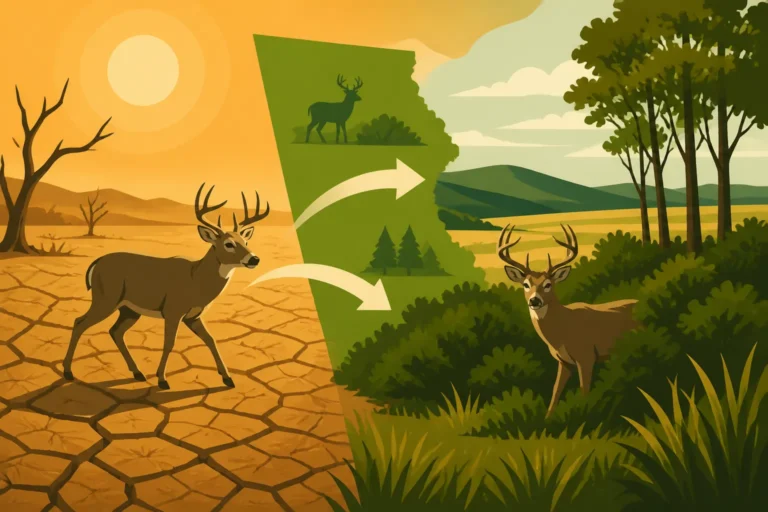
Thankfully, concerted conservation efforts, including strict hunting regulations, habitat protection, and translocation projects, have allowed Saskatchewan's elk to stage a remarkable recovery. It wasn't an overnight fix, but a slow, steady climb, demonstrating what can be achieved when wildlife management is taken seriously. This recovery has brought with it new dynamics, as elk have not only re-established themselves in traditional areas but have also started to explore new territories, including some rather unexpected places.
Current Population Estimates and Trends
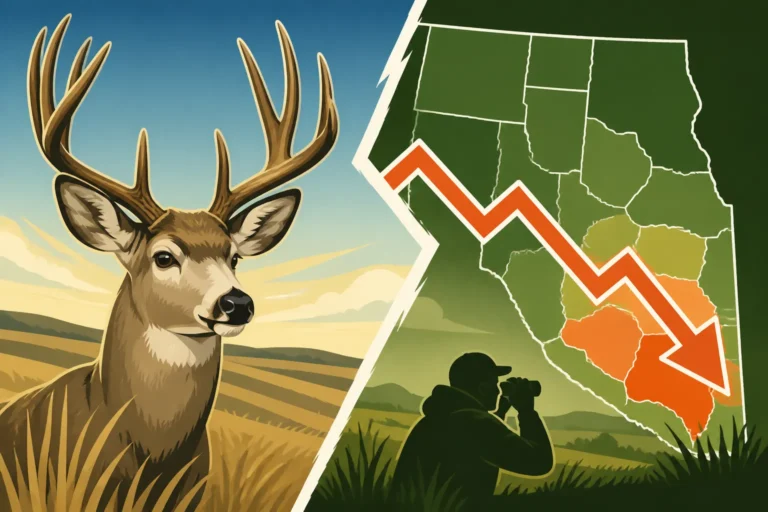
While exact numbers are always a moving target, wildlife biologists generally agree that Saskatchewan's elk population is healthy and, in many areas, growing. The provincial government conducts aerial surveys and relies on hunter harvest data, public sightings, and CWD testing submissions to gauge population health. These surveys often indicate a robust population, particularly in our traditional forest fringe and northern parkland regions. However, it's not a uniform distribution. Some areas see thriving, expanding herds, while others might have smaller, more fragmented groups that are slower to grow.
The overall trend has been positive, especially when compared to the lean years of the mid-20th century. This upward trajectory means more opportunities for hunters, but also increased responsibility to manage these herds sustainably. The challenge now is often about managing localized overpopulation or crop damage, which speaks to a success story in itself, even if it presents new frustrations for landowners and wildlife managers alike.
Factors Contributing to Elk Growth
So, what's behind this incredible resurgence? A few key factors have played a significant role. Firstly, dedicated wildlife management, including careful quota setting and season structures, has been paramount. This ensures that harvest rates are sustainable and allow for population growth. Secondly, habitat availability, particularly in the forest fringe areas, offers ideal cover, food, and water resources. The mosaic of aspen bluffs, boreal forest, and agricultural fields provides a perfect smorgasbord for these adaptable animals.
Another critical factor is the adaptability of elk themselves. Unlike some more finicky species, elk have shown a remarkable ability to adapt to human-altered landscapes, particularly agricultural areas. They've learned to use standing crops, bush edges, and even slough systems for food and cover, often moving between private and public lands. This ability to coexist, albeit sometimes contentiously, with human development has been a major driver in their expansion. We've also seen the benefits of milder winters in some years, reducing winter kill and allowing more calves to survive to adulthood.
Understanding Elk Habitat and Preferences
To find elk, you need to think like an elk. These are intelligent, adaptable animals, but they still have fundamental needs: food, water, and cover. Understanding how they utilize the diverse landscapes of Saskatchewan is key to unlocking their secrets.
Forest Fringe and Parkland Ecosystems
When most people think of prime elk country in Saskatchewan, their minds often drift to the vast, undulating forest fringe and aspen parkland regions. This is the sweet spot where the southern agricultural lands meet the northern boreal forest. Here, you'll find a patchwork of dense bush, poplar bluffs, and scattered clearings that provide everything an elk needs. The cover is crucial for bedding, security, and escaping the elements, while the interspersed clearings and natural browse offer ample food.
These areas provide an incredible amount of edge habitat, which elk absolutely adore. They can graze on grasses and forbs in the open, then quickly duck into the thick woods when they feel threatened. This habitat type, especially in areas like the Porcupine Hills or the fringes of Prince Albert National Park, acts like a magnet for elk, concentrating them in significant numbers. Scouting a Saskatchewan Wildlife Management Zone in these areas often reveals a network of trails and rubs, testament to consistent elk presence.
Agricultural Interfaces: Fields and Cover
While traditionalists might picture elk deep in the wilderness, a significant portion of Saskatchewan's elk population, especially in the central and southern zones, spends a considerable amount of time interacting with agriculture. They've discovered that grain fields, particularly pea, oat, or barley fields, are incredibly rich food sources. A standing canola field edge can also provide both feed and significant cover, making them a complex challenge for hunters.
Elk are masters of using the smallest pockets of cover adjacent to these fields. A narrow bluff, a slough edge, or even a deep coulee can serve as a daytime bedding area, allowing them to slip out into the fields under the cover of darkness or during low-light hours. This means that hunters often need to focus on these transition areas – the interface where agricultural land meets even the smallest remnants of natural cover. Knowing how to read a Saskatchewan WMZ map before you go, and understanding land ownership boundaries, becomes critical in these mixed-use landscapes.
Water Sources and Mineral Licks
Like all large mammals, elk require a consistent source of water. They will often bed within reasonable proximity to creeks, rivers, ponds, or even sloughs, especially during warmer months. During a dry fall, these water sources can become even more critical and act as natural funnels for elk movement.
Beyond just water, elk also seek out mineral licks. These are natural deposits of salts and other minerals that are essential for their health, particularly for antler growth in bulls and during gestation for cows. While not always obvious, active mineral licks can be identified by tracks, disturbed earth, and sometimes even chew marks on trees or logs. If you find a well-used mineral lick, especially one with fresh sign, you've likely found a hub of activity for an elk herd, making it a prime location to set up a trail camera or plan a scouting trip.
Key Elk Strongholds Across the Province
Saskatchewan is a big province with varied landscapes, and elk distribution reflects that diversity. While they can pop up almost anywhere with suitable cover and food, there are definitely regions that stand out as premier elk country.
The Porcupine Hills and Pasquia Hills
When you talk about reliable elk hunting in Saskatchewan, the Porcupine Hills and Pasquia Hills often come up first. These regions, located in east-central Saskatchewan, are characterized by extensive forested areas, rolling terrain, and numerous creeks and rivers. This is classic, rugged elk habitat, offering dense cover for security and a wide variety of forage. The sheer scale of these areas allows elk to disperse and find sanctuary away from human pressure.
Hunters in these zones often face challenges like dense timber, difficult access, and the vastness of the landscape. However, the reward can be significant, with consistent populations and the chance at truly mature bulls. Understanding how to navigate the thick bush, often involving quads or long hikes, is essential here. For anyone dreaming of a genuine wilderness elk experience, places like the Porcupine Provincial Forest offer an incredible opportunity to truly immerse yourself in the hunt.
Moose Mountain Provincial Park and Surrounding Areas
Moving south, the Moose Mountain Provincial Park area, and the agricultural and forest fringe lands surrounding it, also host a significant elk population. This island of aspen forest and rolling hills, surrounded by vast farmland, creates a unique ecosystem where elk thrive. While the park itself has hunting restrictions, the adjacent Crown lands and private properties often offer excellent opportunities.
These elk are accustomed to moving between the park's sanctuary and the rich feeding grounds of the surrounding agricultural fields. Hunting here often involves a blend of tactics, from glassing fields at dawn and dusk to still-hunting smaller bluffs and woodlots during the day. Access often relies on securing permission from local landowners, who might be eager for hunters to help manage elk populations causing crop damage. The Moose Mountain Uplands are a perfect example of elk adapting to a mixed landscape.
Qu'Appelle Valley and River Breaks
Another underrated, yet increasingly productive, elk area is the dramatic Qu'Appelle Valley and its associated river breaks. This deeply carved valley system, stretching across a significant portion of southern Saskatchewan, offers a surprising amount of cover and diverse habitat amidst the surrounding prairie. The steep slopes, heavy timber in some sections, and proximity to water create corridors and pockets where elk can thrive.
These herds tend to be more isolated and can be harder to locate due to the topographical challenges. However, for hunters willing to put in the legwork and learn the intricacies of the valley's terrain, opportunities exist. The elk here often utilize the thick brush along the valley bottom and the heavy timber pockets on the slopes for bedding, only venturing out onto the benches or adjacent fields to feed. Knowing the lay of the land and how to hunt a Qu'Appelle Valley slope is paramount to success here.
Smaller, Isolated Herds and Their Challenges
Beyond these major strongholds, Saskatchewan also has numerous smaller, more isolated elk herds scattered across the province. These might be found in pockets of the Missouri Coteau Hills, along significant river systems like the South Saskatchewan, or in other isolated patches of forest and parkland. These herds often go unnoticed by the broader hunting community and can offer fantastic, albeit challenging, hunting opportunities for those who do their homework.
The challenge with these smaller herds is their sensitivity to pressure and their tendency to be highly nomadic. They might utilize a specific area for a few days or weeks, then move on, covering significant distances. Their survival often depends on staying ahead of human disturbance. For hunters, this means extensive scouting, often utilizing mapping tools like GoHunt to identify suitable habitat and potential travel corridors. These smaller herds often require more dedication and adaptability from the hunter.
Seasonal Elk Movements and How to Adapt
Elk are not static creatures; their behavior and location change dramatically throughout the year, driven by breeding cycles, food availability, and weather patterns. Understanding these shifts is vital for successful hunting.
Summer Patterns: Feeding and Calving
During the summer months, elk generally disperse into smaller cow-calf groups and bachelor bull herds. Their focus is on feeding heavily, rebuilding body condition after the long winter, and for cows, raising their calves. You'll find them in areas with abundant forage, often in lush clearings, meadows, or areas rich in browse. Calving typically occurs in late spring to early summer, and cows will seek out secluded, secure areas with good cover to drop their calves.
In these warmer months, elk movements are often predictable, revolving around feeding in the early morning and late evening, and bedding down in cool, dense cover during the heat of the day. They're less wary than during the hunting season, but still prefer secluded areas. Scouting during this time can be invaluable for identifying prime habitat and potential pinch points they might use later in the year. Using resources like GoHunt to pinpoint natural funnels and bedding cover can give you a significant advantage.
Fall Rut: Calling and Hunting Opportunities
Ah, the fall rut! This is arguably the most anticipated time for elk hunters. As late August transitions into September, the elk rut begins to warm up, often peaking in early to mid-September. The sound of a bugling bull moose or the distinct screams of an elk bull piercing the crisp autumn air is something truly unforgettable. During this period, bulls become highly vocal, territorial, and actively seek out cows, making them more vulnerable to calling.
Hunting during the rut often involves aggressive calling strategies, trying to imitate rival bulls or receptive cows to draw a bull into range. Hunters might try bugling elk on a farm edge, using both cow calls and challenging bugles to elicit a response. However, remember that elk can be incredibly wary; a bad call or poor setup can send them running. Understanding when the elk rut peaks and how to approach a calling situation quietly and effectively is crucial. This is when elk can cover vast distances, driven by their primal urge to breed, making areas like the Meadow Lake region particularly exciting.
Winter Yard-Ups and Survival Strategies
As the colder weather sets in and snow begins to accumulate, elk shift their focus to survival. They often "yard up" in areas that provide deep cover, shelter from the wind, and access to food sources that remain available even under snow. These wintering grounds can be specific bush blocks, heavy timber in river valleys, or even large standing crop fields that offer both food and cover.
Finding where Saskatchewan's elk herds winter can be a game-changer for late-season hunters or for pre-season scouting. They will conserve energy, moving less frequently and often feeding in sheltered spots. Deep snow can push them into areas they wouldn't normally use, concentrating them in specific valleys or timbered parcels. Hunting whitetails at thirty below can be tough, and hunting elk in similar conditions requires careful planning for warmth and access. These winter concentrations highlight the importance of dense cover and accessible browse to their survival, showcasing their remarkable resilience.
Challenges and Conservation Efforts for Elk
While Saskatchewan's elk population is generally thriving, they face ongoing challenges, and their continued success relies heavily on robust conservation efforts and proactive management.
Chronic Wasting Disease (CWD) and Its Impact
One of the most pressing concerns for elk, as with other cervids in North America, is Chronic Wasting Disease (CWD). This fatal neurological disease, which affects deer, elk, and moose, is present in Saskatchewan. While it hasn't decimated elk herds in the same way it has in some deer populations, it remains a serious threat that requires constant monitoring and management.
Saskatchewan has mandatory CWD testing zones for hunters, encouraging the submission of heads for testing to track the disease's prevalence and spread. Knowing Saskatchewan's CWD testing rules and where to drop a head for CWD testing is an important responsibility for all hunters. Continued research into CWD, coupled with responsible carcass disposal and population management strategies, is essential to mitigate its long-term impact on elk herds.
Human-Wildlife Conflict and Crop Damage
The very adaptability that has allowed elk to expand their range also brings them into increased contact with human activity, particularly agriculture. Elk can cause significant crop damage, especially on farms adjacent to prime elk habitat. This leads to understandable frustration for landowners, who can see years of work destroyed in a single night by a hungry herd.
Addressing elk damage on Saskatchewan grain farms is a complex issue. Wildlife agencies work with landowners to implement deterrents, provide special permits for culling problem animals, and in some cases, offer compensation for damages. For hunters, this sometimes translates into opportunities to hunt problem elk on private land with landowner permission, which can be a mutually beneficial arrangement. Balancing the needs of wildlife with the livelihoods of agricultural producers is a continuous effort.
Management Strategies and Future Outlook
The future of Saskatchewan's elk herds looks promising, but it hinges on continued, adaptive management. This involves ongoing population surveys, careful setting of hunting quotas and seasons, and habitat preservation. Collaborative efforts between wildlife agencies, landowners, and hunter organizations are crucial. Organizations like the Saskatchewan Wildlife Federation play a vital role in advocating for habitat protection and ethical hunting practices.
One of the most valuable tools in managing elk is the big game draw system. Species like elk are often draw-only, ensuring that harvest pressure is distributed and controlled across different zones. Understanding Saskatchewan's Big Game Draw, when it opens, and how the priority pools work, is essential for any hunter hoping to pursue elk. The goal is always to maintain healthy, sustainable elk populations that can continue to thrive in our diverse landscapes for generations to come.
Hunting Elk in Saskatchewan: Strategy and Access
So, you've done your homework, you know where the elk should be, and you're ready to hit the field. But finding and successfully harvesting an elk is a monumental task that requires strategy, preparation, and often, a good dose of persistence.
Drawing an Elk Tag and Understanding Zones
First things first: getting an elk tag in Saskatchewan usually means navigating the big game draw system. Unlike deer in many zones, elk often require a successful draw application. This means you need to be familiar with Saskatchewan's HAL Account and Licensing system, applying during the designated draw periods, and understanding the odds. Some zones are highly sought after, while others might offer better draw odds.
It's critical to research the specific wildlife management zones (WMZs) you're interested in. Each zone has its own unique characteristics, elk populations, and hunting season dates. Some might be archery-only, others rifle, and the antler restrictions (antlered vs. antlerless) can vary. For example, some zones might offer a specific season for "Hunting Elk in the Porcupine Hills," while others might be more geared towards "Hunting Elk on Saskatchewan Grain Land." Your choice of WMZ will heavily influence your hunting strategy.
| Region | Primary Habitat Type | Typical Access Method | Challenges | Noteworthy Zones |
|---|---|---|---|---|
| Porcupine/Pasquia Hills | Dense Boreal Forest, Parkland | Quad, Hiking, Boat | Rugged Terrain, Deep Bush, Access | WMZ 49, 53, 54 |
| Moose Mountain & Area | Aspen Forest, Agricultural Fields | Landowner Permission, Vehicle | Private Land Dominance, Pressure | WMZ 01, 02 |
| Qu'Appelle Valley | River Breaks, Heavy Bush, Fields | Hiking, Landowner Permission | Steep Terrain, Dispersed Herds | WMZ 77, 78, 79 |
| Central Parkland | Mixed Woodlots, Farmland | Landowner Permission, Vehicle | Elusive Animals, Small Pockets | WMZ 29, 30, 31 |
| Northern Forest Fringe | Mixed Forest, Clearings | Quad, Hiking, Bush Roads | Vastness, Limited Cell Service | WMZ 60, 61, 62 |
Scouting and Locating Elk Sign
Once you have your tag, the real work begins: scouting. Elk are not always in the same place twice, but they do leave clues. Look for fresh tracks, distinctive rub lines on trees where bulls have polished their antlers, and scat. Wallop sites, where elk have rolled in mud or dust, are also excellent indicators of recent activity, especially during the rut. Using a good mapping app, such as GoHunt, can help you mark these signs, understand terrain features, and plan your approach.
Pre-season scouting is invaluable. Identifying bedding areas, feeding areas, and travel corridors between them will greatly increase your chances. Look for subtle terrain features like draws, ridges, or thick patches of timber that offer security cover. During the hunting season, fresh sign, especially if you're lucky enough to hear a bugle, is the ultimate indicator. Remember, "reading sign after fresh Saskatchewan snow" can be incredibly productive, as new snowfall highlights all recent movements.
Accessing Prime Elk Habitat
Access is often the biggest hurdle for elk hunters, particularly when dealing with the significant amount of private land in Saskatchewan. Many of the most productive elk areas are a mix of Crown land and private property, meaning you'll likely need to "knocking on doors in Saskatchewan farm country" to gain permission. Be polite, respectful, and always offer to share meat or help with crop damage if you're successful.
Even on Crown land, accessing prime habitat can be challenging. Some areas might require a quad or side-by-side to navigate rough trails or logging roads. Others might be "walk-in" only, demanding significant physical effort. Be prepared for long hikes, especially if you're hunting in the Porcupine Hills or other large forested areas. Always be aware of the rules for "Quad and Side-by-Side Rules on Crown Land" and ensure you have all necessary safety gear. Remember, perseverance often pays off more than any other single factor when hunting these magnificent creatures.
Disclaimer
Hunting involves inherent risks. Always prioritize safety, understand and follow all provincial and federal hunting regulations, and respect private property. The information provided is for educational purposes only and should not replace official hunting guides or professional instruction. Ensure you have proper Saskatchewan Hunter Education Requirements before heading into the field.