Saskatchewan Grid Road and Winter Access
Anyone who's spent a fall or winter chasing game across Saskatchewan knows the grid road system is both a blessing and a curse. It offers incredible access to vast hunting grounds, but when the snow flies and the temperatures drop, those seemingly endless straight roads can quickly become impassable traps. Navigating these conditions safely and effectively is paramount to a successful and enjoyable hunt, and this guide will walk you through the realities of winter access and how to prepare for it.
Understanding Saskatchewan's Grid Road System for Hunters
Saskatchewan's grid road system is truly unique, a vast network of gravel roads laid out in a grid pattern across much of the southern and central parts of the province. For hunters, it's often the first point of contact with potential hunting areas, leading to prime habitat for everything from whitetails to waterfowl.
The Layout and Your Access Points
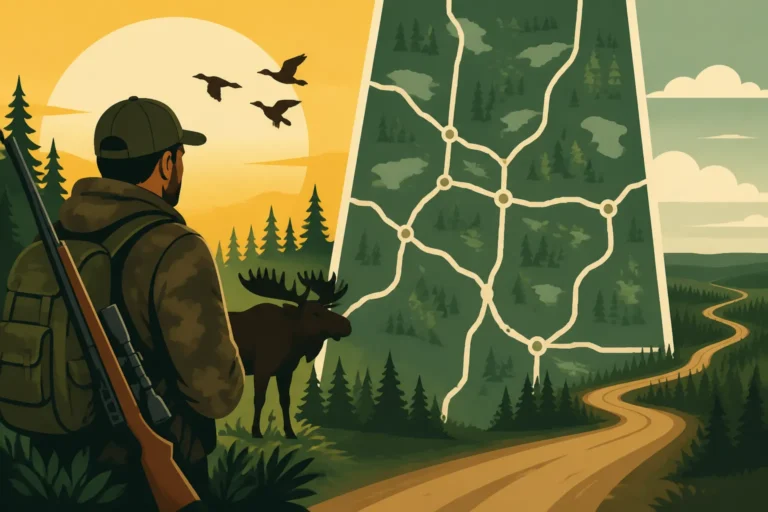
Imagine a giant checkerboard laid over the landscape, and you've got a good mental picture of the grid system. These roads typically run north-south and east-west, often spaced a mile or two apart, providing an incredible density of potential access points to fields, bush pockets, coulees, and sloughs. This layout is fantastic for scouting and getting relatively close to your hunting spot, but it also means that what looks like a straight shot on a map can be a deeply drifted, snow-packed ordeal in reality. You might see a promising bush bluff just a quarter-mile off the main grid, but getting to it means either walking through deep snow or navigating an unplowed approach. Understanding this initial layout is critical, especially when you're Reading a Saskatchewan WMZ Map Before You Go.
Many of these grid roads lead directly to quarter sections of land, some private, some Crown. Identifying your primary access routes and having a backup plan is essential, particularly when you're venturing into less-travelled areas. It's not uncommon to find a decent gravel road that suddenly deteriorates into a two-track trail or simply ends at a field edge, leaving you to figure out the rest on foot or with a different mode of transport.
Identifying Different Road Types
Not all grid roads are created equal, and knowing the differences can save you a lot of grief.
- Maintained Gravel Roads: These are your primary arteries, usually well-graded and regularly maintained by rural municipalities. They might be a bit rough, but they generally offer reliable access, even after light snowfall, as they're often plowed first. These are the roads that connect small towns and usually have some traffic.
- Unmaintained or Low-Priority Gravel Roads: These roads see less traffic and less frequent maintenance. They might be narrower, have more potholes, and during winter, they're the first to become drifted in and unpassable. Often, these are the roads leading to specific farmyards or more remote sections of land. These are the roads where you really need to use your judgment, as what might be passable one day can be completely closed off after a fresh snowfall and a bit of wind.
- Farm Approaches and Field Edges: These aren't always "roads" in the traditional sense but are crucial access points. Farmers often maintain their approaches, but these can quickly fill with snow and ice, especially in winter. Field edges, if you have permission to drive them, can become soft and muddy with thaw-freeze cycles, or treacherous with hidden snow drifts. Always assess these carefully before committing your vehicle.
The Importance of Topographic Maps and Digital Tools
In Saskatchewan, a good map isn't just a suggestion; it's a necessity, especially when planning for grid road and winter access. Topographic maps show elevation changes, which can indicate where snow might drift or collect, or where water might sit and freeze. But in today's world, digital mapping tools are absolute game-changers.
Platforms like onX Hunt or GoHunt provide invaluable layers that show land ownership (Crown vs. private), specific parcel boundaries, and often even different road classifications. This allows you to plan your route, identify potential access points, and understand the terrain long before you ever leave your driveway. You can overlay satellite imagery to see tree lines, sloughs, and potential drifts, and even mark out your intended walking routes from where you'll park your vehicle. This kind of detailed scouting from your couch can save you hours of driving down dead-end roads or getting stuck. When you're looking to understand Reading Saskatchewan Crown Land Layers on onX, these apps are indispensable. They also help immensely when you need to decide if a particular area of Public Hunting Land in Saskatchewan is even accessible given the current conditions.
Winter Challenges on Saskatchewan Grid Roads
Hunting in Saskatchewan in late fall or winter brings incredible opportunities, especially for big whitetail bucks during the rut or late-season moose. But with those opportunities come significant challenges, primarily related to the weather's impact on our access roads.
Snowfall and Drifting: The Great Equalizer
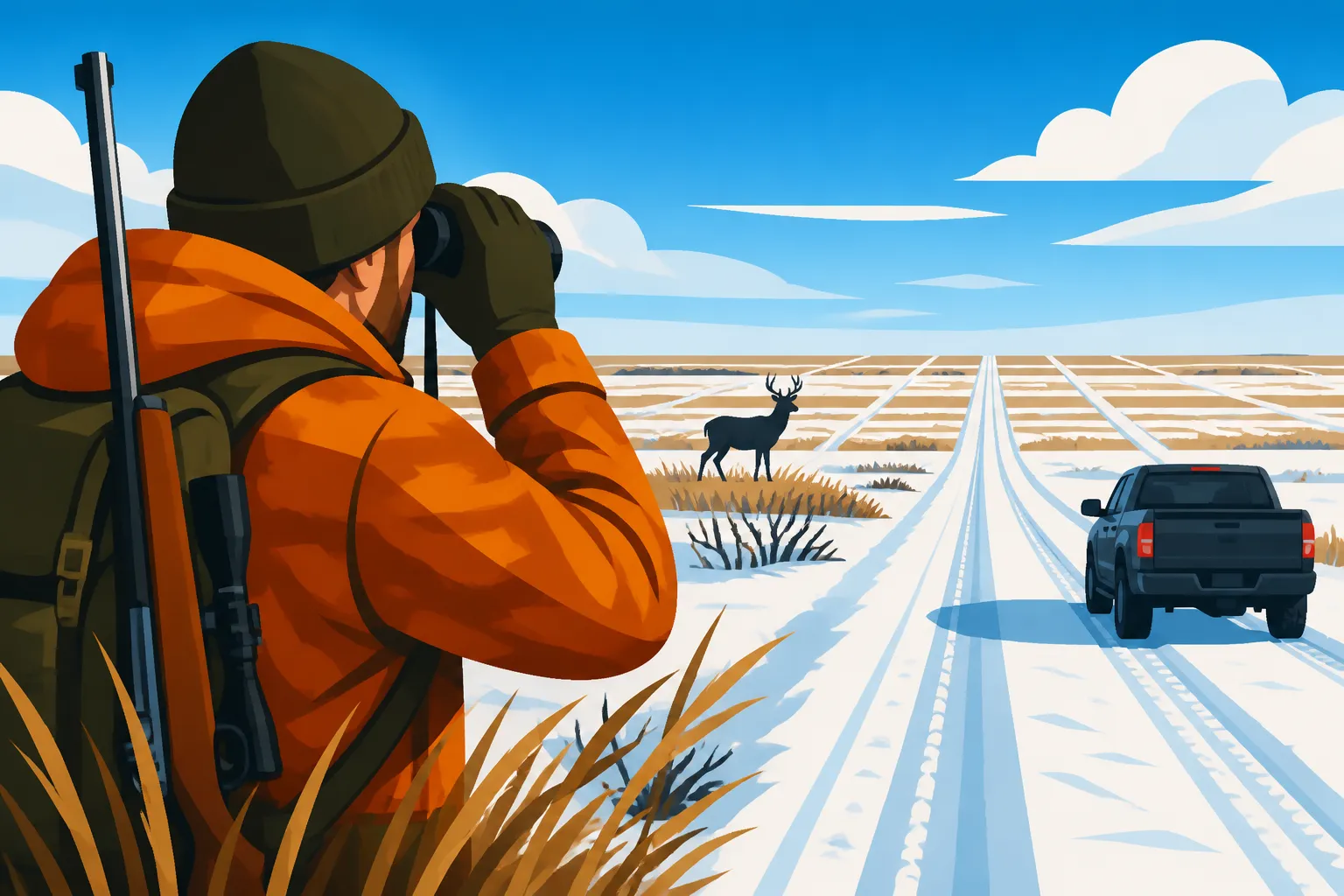
Saskatchewan winters are famous for their snow, but it's often not the amount of snow that's the biggest problem – it's the wind. Even a modest snowfall, when combined with strong prairie winds, can create massive snowdrifts that can swallow a truck whole. What was a clear road in the morning can be a three-foot-deep wall of snow by afternoon. These drifts tend to form in predictable places: on the lee side of shelterbelts, along coulee edges, and where fields meet bush.
Driving into an unknown drift is incredibly risky. You can lose traction, get high-centered, or even damage your vehicle. The frustration of getting stuck miles from anywhere, especially when the temperature is dropping, is a feeling no hunter wants to experience. This is why checking local weather forecasts and recent snowfall reports, and even calling ahead to local rural municipalities or farmers, can be a lifesaver. Keep an eye out for snow fences; they're there for a reason and often indicate areas prone to significant drifting.
Ice Conditions and Hidden Hazards
Beyond the snow, ice is a constant threat. Fluctuating temperatures can lead to melt-freeze cycles that turn gravel roads into skating rinks, especially in shaded areas or low spots where water collects. Black ice is particularly insidious, often invisible until you're on it. Roads that look clear can have sheets of ice underneath, making braking and steering extremely difficult.
Hidden hazards can also lurk beneath the snow or ice. Deep potholes that were annoying in the summer become dangerous craters that can bend a rim or blow a tire in winter. Frozen ruts from earlier traffic can wrench your steering wheel if you hit them at the wrong angle. Slush can hide deeper, softer spots, creating a suction effect that traps vehicles. Always approach unknown road conditions with extreme caution, slow down, and be prepared to turn back if it feels unsafe. A quick scan with binoculars can often reveal changes in snow texture or colour that might indicate ice or deeper drifts ahead.
Remote Areas and Emergency Preparedness
Hunting remote areas in Saskatchewan, especially in winter, demands a serious approach to emergency preparedness. Cell service can be spotty or non-existent once you leave the main highways, meaning a breakdown or getting stuck could leave you stranded without communication. This risk is amplified when temperatures are well below freezing, and exposure becomes a genuine concern.
Your vehicle should be treated as a survival shelter. A comprehensive winter truck kit is not optional; it's mandatory. This includes extra warm clothing, emergency blankets, high-energy food, water, a shovel, a tow strap, a full tank of fuel, a booster pack, and even a satellite communication device like an InReach or Zoleo for true backcountry peace of mind. Always tell someone your exact hunting plan and estimated return time. Being prepared for the worst allows you to confidently explore those less-pressured areas where big game often hides. You never want to be caught unprepared when you're Hunting Saskatchewan Winter Weather Safely.
Strategies for Navigating Winter Grid Roads
Successfully hunting Saskatchewan in winter means not just knowing where to go, but how to get there safely. This involves careful planning and preparation long before you even consider heading out.
Vehicle Preparation: Tires, Recovery Gear, and Fuel
Your vehicle is your lifeline to hunting access in winter. Investing in good winter tires, preferably studded if legal and suitable for your driving needs, is the single most important safety measure you can take. All-season tires simply don't cut it on icy or deeply snow-covered gravel. Ensure your tires are properly inflated for optimal traction.
Beyond tires, a comprehensive recovery kit is non-negotiable. This should include:
- A heavy-duty tow strap: Not a cheap recovery rope, but a strong, properly rated tow strap.
- Shovel: A sturdy, full-size shovel, not a flimsy plastic one.
- Traction aids: Things like traction boards (Maxtrax, TRED Pro) can be lifesavers for minor stuck situations.
- Booster cables/battery pack: Cold weather is brutal on batteries.
- A well-maintained spare tire and jack: Check its pressure regularly.
- Full tank of fuel: Always start with a full tank, and consider carrying extra in approved fuel containers if you're venturing far from services. Running out of gas in deep cold is dangerous.
Regular vehicle maintenance, like checking fluids, battery, and block heater function, becomes critically important in freezing conditions. Don't let a minor mechanical issue become a major ordeal.
Timing Your Travel and Checking Conditions
The timing of your travel can make all the difference in winter hunting. Fresh snowfall can dramatically change road conditions overnight.
- Check forecasts: Pay attention to snowfall amounts, wind speeds, and temperature fluctuations. High winds after snow will almost guarantee drifting.
- Call ahead: If possible, contact local rural municipalities or farmers in the area you plan to hunt. They often have the most up-to-date information on road conditions and what has (or hasn't) been plowed.
- Daylight travel: Whenever possible, travel during daylight hours. Visibility is better, and it's easier to spot drifts, ice, and other hazards. Trying to navigate drifted roads in the dark is a recipe for disaster.
- Flexibility: Be prepared to change your plans. If conditions are too risky, it's always better to stay home or choose a more accessible hunting area than to put yourself or others in danger. Sometimes, waiting a day for plows to clear main routes is the smartest move.
Knowing When to Park and Walk In
One of the most valuable skills for a winter hunter is knowing when to abandon the vehicle and go on foot. Hunters often push their vehicles too far, resulting in getting stuck. There comes a point where the risk of getting high-centered or permanently stuck outweighs the convenience of driving an extra half-mile.
Look for areas where you can safely pull off the main grid road, ideally at a field approach or a wider shoulder, without obstructing traffic (even if traffic is sparse). Ensure your vehicle is on solid ground, not in a hidden ditch or a soft spot that will freeze your tires to the ground overnight. Park strategically, so you're not in the path of potential drifts if the wind picks up. Then, it's time to lace up your winter boots, grab your pack, and start walking. Often, the best hunting spots, especially for whitetails, are those that require a bit of a hike away from readily accessible roads, simply because they see less pressure. This is a critical skill for Hunting Saskatchewan Ground Others Drive Past.
Hunting Access Beyond the Grid: When Roads End
Even with a well-prepared truck and careful navigation, Saskatchewan's winter often means the grid roads will only get you so far. To reach the really prime, unpressured spots, you'll need to consider other modes of transportation.
Utilizing Quads and Side-by-Sides on Approved Trails
Once grid roads become impassable for trucks, or when you want to access specific hunting areas further off the beaten path, ATVs (quads) and UTVs (side-by-sides) become invaluable. They offer increased mobility in snow and rough terrain, allowing you to cover ground that would be exhausting on foot. However, it's crucial to understand the rules and ethical considerations.
- Trail Access: Many areas, particularly Crown land, have designated trails or cutlines where quads and side-by-sides are permitted. Stick to these trails to minimize your impact on the environment and respect existing land use agreements. Driving willy-nilly through fields or bush can damage habitat and leave a negative impression on landowners and other users. Knowing the Quad and Side-by-Side Rules on Crown Land is paramount.
- Deep Snow Capabilities: While more capable than a truck, even quads have their limits in deep, powdery snow. Consider track systems for your ATV/UTV if you plan on consistently venturing into several feet of snow.
- Safety Gear: Helmets, warm clothing, and emergency kits are just as vital on an ATV as in a truck. A winch on your quad or side-by-side can be a lifesaver for self-recovery or helping a buddy.
Snowmobiles: A Lifeline in Deep Snow
When the snow gets truly deep – often several feet or more – and roads are completely buried, snowmobiles become the ultimate tool for winter access. They can glide over drifts that would trap any wheeled vehicle, opening up vast tracts of otherwise inaccessible hunting ground. This is especially true in Saskatchewan's northern forest fringe and boreal regions.
- Boreal Access: In areas like the Hunting Saskatchewan's Boreal North or Hunting Saskatchewan's Forest Fringe, old logging roads, cutlines, and seismic lines become snowmobile highways in winter. These routes can lead to remote lakes, clearings, and mature timber stands where moose and big whitetails often winter.
- Safety First: Snowmobiling in the backcountry carries inherent risks. Always travel with a buddy, carry emergency supplies (including a satellite communication device), and be aware of avalanche risks (though less common in much of Saskatchewan, they can occur in some hilly areas like the Cypress Hills or steep river valleys). Inform someone of your route and expected return time.
- Respectful Use: Like ATVs, stick to established trails and lines where permitted. Be mindful of trappers who might have sets out along trails, and always operate responsibly.
Foot Access and Winter Hiking Gear
Ultimately, there will be times when all mechanical assistance ends, and your own two feet are your only option. Embracing foot access in winter can lead to some of the most rewarding hunting experiences, as you'll often find game in areas untouched by vehicles.
- Layered Clothing: Proper layering is critical for staying warm and managing perspiration. Start with a moisture-wicking base layer, add insulating mid-layers (fleece, down, synthetic), and finish with a waterproof/windproof outer shell. Adjust as your activity level changes.
- Insulated Boots: High-quality, insulated winter boots are non-negotiable. Look for boots rated for extreme cold and ensure they are waterproof. Keeping your feet warm and dry is paramount.
- Snowshoes: For moderate snow depths that are too deep for just boots but not deep enough for a snowmobile, snowshoes are incredibly efficient. They distribute your weight, allowing you to float over the snow and conserve energy.
- Skis: Cross-country skis can be excellent for covering long distances efficiently, especially on relatively flat terrain or old logging roads with consistent snow depth.
- Navigation: Even on foot, always carry reliable navigation tools. A GPS unit or your phone with a loaded mapping app (and extra battery packs) is essential. It's easy to get disoriented in featureless snowy terrain or dense bush. When you're Reading Sign After Fresh Saskatchewan Snow, tracking on foot also becomes a much more viable option.
| Vehicle Type | Best Use Case | Winter Limitations | Recovery Gear Essentials |
|---|---|---|---|
| 4×4 Truck/SUV | Maintained gravel, plowed grid roads, light drifts | Deep drifts, unplowed roads, icy hills, narrow approaches | Tow strap, shovel, traction boards, booster pack, extra fuel |
| ATV/Side-by-Side | Unplowed two-tracks, designated trails, moderate snow | Very deep powder snow, extreme ice, long distances at high speeds | Winch, tow strap, shovel, emergency kit, extra fuel |
| Snowmobile | Deep snow, remote bush trails, lakes and open fields | Bare ground, extremely icy conditions, thin ice, mechanical issues far from access | Spare belt, tools, emergency kit, communication device, extra fuel |
| On Foot | Last mile access, stealth hunting, tracking | Long distances, deep soft snow, extreme cold without proper gear | Proper layering, insulated boots, snowshoes/skis, navigation aids, emergency kit |
Respecting Land and Maintaining Access
Saskatchewan is a hunter's paradise, largely due to the vast amount of accessible land and the generally positive relationship between landowners and hunters. Maintaining this access, especially in winter, requires diligence and respect for the land and those who own or manage it.
Private Land Boundaries and Access Etiquette
The majority of huntable land in Saskatchewan is privately owned, typically farmland. While grid roads often run along the edges of these properties, driving onto private land or even parking on a private approach without permission is trespassing. This can quickly lead to strained relationships and closed-off hunting opportunities for everyone.
- Get Permission: Always, always secure explicit permission from the landowner before driving onto their property, even if it's just to park in their approach or turn around. Knocking on Doors in Saskatchewan Farm Country is still the best way to do this. Be specific about your intentions and where you plan to hunt.
- Respect Posted Land: If land is posted with "No Hunting" or "No Trespassing" signs, respect them, even if you had previous permission. Circumstances change. Understanding Saskatchewan Posted Land Sign Rules is crucial.
- Stay on Designated Routes: If a landowner grants you permission to drive on their property, stick to the routes they specify. Don't create new trails, especially in soft or snow-covered fields.
- Leave Gates as You Found Them: If a gate is closed, close it behind you. If it's open, leave it open. This is a fundamental rule of rural etiquette.
- Report Issues: If you notice damage to fences or roads on private land, inform the landowner. It shows you care.
Crown Land Access and Regulations
Saskatchewan boasts significant amounts of Crown land, particularly in the northern half of the province and scattered throughout the agricultural zone. While generally open for hunting, Crown land also has specific rules and nuances, especially regarding vehicle access.
- Maps and Zones: Use accurate maps (digital or paper) to positively identify Crown land boundaries within your chosen Wildlife Management Zone (WMZ). Finding Saskatchewan Public Land Boundaries is simpler with modern mapping apps.
- Restricted Access Areas: Not all Crown land is open to vehicle traffic. Some areas might be restricted to foot access only to protect sensitive habitats or manage wildlife. Always check regulations for the specific WMZ you're in.
- Minimize Impact: Even on Crown land, operate vehicles responsibly. Avoid damaging trails, wet areas, or vegetation. Don't litter. Leave no trace of your presence other than footprints (or ski/snowmobile tracks).
- Wildlife Habitat Protection Act (WHPA) Lands: These are specific parcels of Crown land managed for wildlife habitat. While hunting is generally permitted, vehicle access might be more restricted to protect the integrity of these critical areas. Familiarize yourself with Saskatchewan's FWDF Land Access Rules.
Minimizing Impact and Leaving No Trace
Responsible hunting isn't just about following the law; it's about being a good steward of the land. Our actions directly influence public perception of hunting and whether access will remain open for future generations.
- Tread Lightly: Whether in a truck, on a quad, or on foot, try to minimize your impact on roads, trails, and the environment. Avoid creating deep ruts, driving over fragile vegetation, or disturbing wildlife unnecessarily.
- Pack It In, Pack It Out: Everything you bring into the field must leave with you. This includes spent shell casings, food wrappers, and anything else you generate.
- Ethical Harvest: Adhere to all tagging and reporting requirements. Ensure a clean, ethical harvest and proper meat care, especially in cold weather.
- Respect Other Users: Remember that hunters are not the only ones using rural roads and lands. Farmers, trappers, snowmobilers, and cross-country skiers may also be out there. Share the space respectfully. A simple wave and a friendly nod go a long way in building positive relationships.
By being prepared for the realities of Saskatchewan's winter grid roads, using common sense, and always acting with respect for the land and its owners, we can all continue to enjoy the incredible hunting opportunities this province offers, even when the snow piles up.
Disclaimer
This article is for general informational purposes only and does not constitute professional advice. Laws, prices and regulations vary by location and change over time. Consult a qualified professional for guidance on your specific situation.