Hunting an FWDF Parcel Without Permission
It's incredibly frustrating when you've done your homework, found what looks like a promising chunk of public hunting land on a map, perhaps an FWDF parcel, only to arrive and realize that access isn't as straightforward as you thought. Many hunters assume these lands are free-for-all public access, but the reality can be far more complex, potentially landing you in hot water if you're not careful. This guide aims to clear up the confusion around hunting Saskatchewan's Fish and Wildlife Development Fund (FWDF) parcels and explain why "without permission" is almost never the right approach.
Understanding FWDF Lands and Their Purpose
Let's dive into what FWDF lands actually are and why they exist. For many hunters, these parcels represent a glimmer of hope in a province dominated by private agricultural land.
What is FWDF land, really?
The Fish and Wildlife Development Fund (FWDF) in Saskatchewan is a critical initiative, primarily funded by hunting and fishing licence sales, that aims to secure, develop, and manage wildlife habitat. These funds are used to acquire tracts of land, often marginal agricultural land or significant habitat areas, and manage them specifically for fish and wildlife. The goal is to provide crucial habitat for a variety of species, from deer and moose to upland birds and waterfowl, and in turn, often create opportunities for public recreation, including hunting. These lands are technically "Crown land," meaning they are publicly owned, but they are specifically managed for conservation and public access. It's a fantastic program that invests directly back into the resources we love to pursue.
However, the "public land" designation can sometimes be a bit of a misnomer, or at least, it comes with caveats that aren't always immediately obvious. While the overarching goal is habitat improvement and providing access, the specifics of that access can vary greatly depending on the individual parcel and how it's currently being managed. It’s not simply a free pass in every single instance, and that’s where many hunters, myself included at times, can get confused or even run into trouble. Knowing how to correctly identify and access these areas is key to a successful and legal hunt. For general information, you might want to review Public Hunting Land in Saskatchewan to understand the broader context.
The Common Misconception About "Public" Land
The biggest hurdle for hunters looking at FWDF parcels on a map is the pervasive misconception that "public land" automatically means "open access, no questions asked." We see the green or shaded areas on our digital maps, like those offered by onX Hunt, and our minds immediately jump to trekking through without a second thought. This isn't entirely wrong, but it's also not entirely right when it comes to all FWDF properties. The intent behind FWDF is indeed to provide public benefit, including hunting, but the practicalities of land management, especially in an agricultural province like Saskatchewan, often mean that certain restrictions or requirements are still in place.
Imagine you're hunting an area where an FWDF parcel is nestled right in the middle of cultivated fields. While the habitat on the FWDF land is designated for wildlife, the surrounding private land is crucial for accessing it. Even if the FWDF parcel itself could be accessed without specific permission, getting to it might mean crossing private property, which definitely requires permission. This is where the lines blur, and where assumptions can quickly lead to misunderstandings with landowners or even run afoul of the law. It’s why it’s never safe to assume and always better to verify. You'll often see these issues clarified if you review Saskatchewan Landowner Permission Law.
Why You Might Still Need Permission on FWDF Land
So, why would you need permission on land that's been specifically set aside for fish and wildlife, often with hunter dollars? It boils down to a few key factors that acknowledge the realities of land management in an agricultural landscape.
Land Tenure and Leases
This is often the biggest point of confusion. While the Ministry of Environment manages FWDF lands, many of these parcels, especially those with some agricultural capability (like native hayland or pasture), are often leased out to local farmers or ranchers. These are called "grazing leases" or "agricultural leases." Even though the Crown still owns the land, the lessee holds certain rights and responsibilities over that land for the duration of their lease. This means they often have control over access.
If an FWDF parcel is under a grazing lease, the lessee is responsible for the care and management of livestock on that land. Uncontrolled public access, particularly from vehicles, could interfere with their operations, damage fences, or pose risks to their animals. Therefore, to manage these concerns, the Ministry often requires hunters to obtain permission from the lessee before entering to hunt. This isn't about the lessee owning the land; it's about respecting their operational rights and ensuring responsible land use. It's crucial to find out if the land you're looking at is under such a lease. Sometimes, you can find information on specific properties by looking up Hunting an FWDF Property Near You.
Proximity to Private Land and Safety Zones
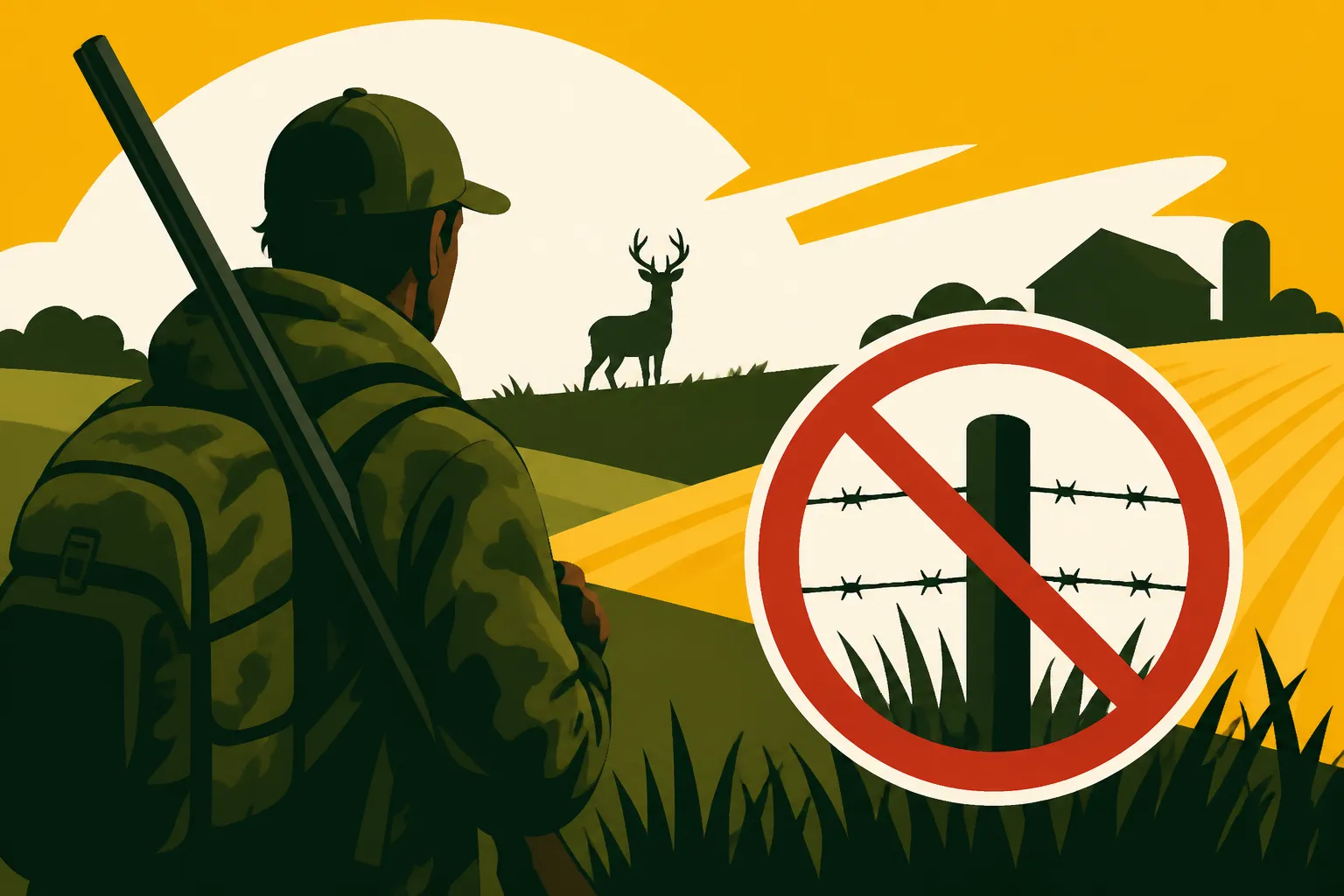
Another common scenario involves FWDF parcels that are either small or completely surrounded by private agricultural land. Even if the FWDF parcel itself isn't leased, the only practical way to access it might be by crossing private property. As any hunter knows, Knocking on Doors in Saskatchewan Farm Country is an essential part of hunting here. In these cases, you absolutely need permission from the private landowner to cross their property to reach the FWDF parcel. Failure to do so is clear trespass.
Beyond access, there are also significant safety considerations. If an FWDF parcel is small and directly adjacent to a farmyard, residences, or active farm operations, the private landowner might have very legitimate concerns about hunting activity near their home or livestock. While legal shooting distances from buildings exist, many landowners prefer to know who is in the vicinity and what their intentions are for safety and peace of mind. Seeking permission shows respect for their property and their family's safety. It's a simple courtesy that goes a long way in maintaining good hunter-landowner relations in the province, which are vital for future hunting access everywhere.
The Risks of Hunting an FWDF Parcel Without Permission
Thinking you can just hop out and hunt an FWDF parcel because it's "public" without confirming access can lead to a world of trouble. The risks are substantial, ranging from legal penalties to damaging the very fabric of hunter access in Saskatchewan.
Potential for Trespass Charges
Let's be blunt: if you hunt on an FWDF parcel that is under lease without obtaining permission from the lessee, you could be charged with trespass. This isn't theoretical; it happens. Saskatchewan has strict trespass laws, and ignorance is not a valid defense. Penalties can include significant fines, and potentially even the suspension or revocation of your hunting licence, depending on the severity and frequency of the offense. Imagine driving hundreds of miles, spending money on gear, only to have your hunt end with a ticket, your firearms seized, and your licence in jeopardy. It's simply not worth the risk.
Furthermore, if you cross private land to access an FWDF parcel without permission, that's immediate trespass. It doesn't matter if you eventually get to the public land; the act of crossing without consent is illegal. Law enforcement and conservation officers take these matters seriously, and landowners are often quick to report suspicious or unauthorized activity. It's essential to understand the rules outlined in Saskatchewan Trespass Penalties for Hunters before you head out. Your entire hunting season, and potentially future seasons, could be at stake for one poor decision.
Damage to Hunter-Landowner Relations
Beyond the legal ramifications for you personally, hunting without permission on any land, including leased FWDF parcels, erodes the trust between hunters and landowners. Saskatchewan relies heavily on the goodwill of private landowners for hunting access. When hunters disregard permission requirements, it fuels negative perceptions of all hunters. Landowners become more wary, more likely to post their land, and less willing to grant access even to those who ask politely.
This is a collective problem. One hunter's disrespectful action can close off access for dozens, even hundreds, of responsible hunters in the future. We often talk about hunters being conservationists; part of that responsibility is being good stewards of the land and respectful neighbours. Ignoring permission requirements undermines this fundamental principle and makes it harder for everyone else to enjoy the privilege of hunting in Saskatchewan. This can be particularly frustrating for those trying to figure out Reading a Saskatchewan WMZ Map Before You Go and trying to find legitimate access points.
Ethical Considerations and Respect
At its core, hunting without permission on a leased FWDF parcel, or any land, is an ethical lapse. As hunters, we have a responsibility to conduct ourselves with integrity and respect for the land, wildlife, and fellow citizens. This includes respecting property rights, even when those rights are held by a lessee on Crown land. The lessee is operating a legitimate business, often grazing livestock, and they have a right to manage their operations without undue interference or risk.
Showing respect means taking the time to understand the access rules for a specific parcel. It means making the effort to contact the appropriate party, whether it's a private landowner or an FWDF lessee, to obtain permission. It shows that you value their operations, their property, and their peace of mind. In turn, this positive interaction can open doors (literally!) to future hunting opportunities and foster a stronger, more positive relationship between the hunting community and the agricultural community that stewards so much of Saskatchewan's wildlife habitat.
How to Legally and Ethically Hunt FWDF Parcels
Navigating FWDF lands doesn't have to be a minefield of anxiety. With the right tools and a respectful approach, you can successfully and ethically hunt these valuable parcels.
Identifying FWDF Lands and Their Status
The first step is always to properly identify the land you're interested in. Gone are the days of relying solely on paper maps that might not be updated. Modern technology has made this infinitely easier. Apps like onX Hunt and GoHunt are invaluable resources. These platforms use GPS and overlay property boundary data, including Crown land designations and often even FWDF parcels. When you zoom in, you can often see specific parcel numbers and owner information. This is where you'll start your detective work. Finding Saskatchewan Public Land Boundaries can be simplified significantly with these tools.
Once you've identified an FWDF parcel, look for any indications of leases. Sometimes, mapping apps might include this information or link to publicly available land tenure records. If not, your next step is to consult the Saskatchewan Ministry of Environment's regional office for that area. They can provide clarification on the specific status of the FWDF parcel, including whether it's under a grazing or agricultural lease and who the lessee is. This critical step ensures you know exactly who to contact for permission, if required.
Seeking Permission When Required
If you've determined that an FWDF parcel is under a lease and requires permission, the process is very similar to seeking permission on private land.
- Identify the Lessee: Get the contact information for the lessee from the Ministry of Environment. If that's not possible, sometimes local municipal offices or even local word-of-mouth can help.
- Make Contact: Approach the lessee well in advance of your hunt, ideally in person if feasible, or by phone. Never just show up with your gear and expect immediate access.
- Be Respectful and Clear: Introduce yourself, state your intentions (e.g., "I'd like to bowhunt for whitetail on the FWDF parcel you lease,"), and be clear about your proposed dates and areas.
- Offer Assurance: Let them know you will respect their property, close gates, avoid driving on wet fields, respect livestock, and take all reasonable safety precautions. Inquire about any specific areas to avoid or concerns they might have.
- Accept "No" Gracefully: If they deny permission, thank them for their time and move on. Do not argue or press the issue. A polite "no" today might turn into a "yes" next year if you leave a good impression.
- Get Details: If permission is granted, confirm the specifics: where you can park, what routes to use, if ATVs are allowed, and any other conditions. This clarity prevents misunderstandings.
Remember, the goal is to build a positive relationship. A little effort here goes a very long way.
Alternative Public Access Options
While FWDF parcels are fantastic, they are not the only form of public hunting land in Saskatchewan. If securing permission for an FWDF parcel proves too challenging or isn't possible, don't despair! There are other options:
- Undesignated Crown Land: Saskatchewan has vast tracts of Crown land that are not under lease or specific management agreements, particularly in the northern boreal forest zones. These lands are generally open for public hunting. You'll want to study maps, like those on onX Hunt or GoHunt, carefully to identify these areas. Learn more about accessing these areas by reading Saskatchewan's Crown Land Access.
- Fish and Wildlife Development Fund (FWDF) Lands with Explicit Open Access: Some FWDF parcels are managed as habitat sites with no agricultural leases and are explicitly designated as walk-in public hunting areas. These will often be clearly marked on site or indicated in Ministry resources. Always look for these specific designations.
- Community Pastures: Certain Community Pastures, especially those managed federally, often allow hunting during specific seasons, though you generally need to contact the pasture manager for specific rules and access points.
- Provincial Forests and Parks: While Provincial Parks generally prohibit hunting, certain Provincial Forests allow it. Always check the specific regulations for the area you are interested in.
Always verify the rules for any public land you plan to hunt. The time invested in understanding the nuances of land access in Saskatchewan is always time well spent. A good resource for understanding general regulations is the Saskatchewan Hunter Education Requirements.
| Type of Land | General Access Rules | Permission Required? | Common Challenges | Best Practice for Access |
|---|---|---|---|---|
| FWDF Parcel (Leased) | Crown land, but lessee has operational rights. | Yes, from the lessee. | Finding lessee contact, conflicting with operations. | Contact Ministry for lessee info, then approach respectfully. |
| FWDF Parcel (Open Access) | Crown land, managed purely for habitat/public use. | No, generally open. | Identifying these specific parcels, limited numbers. | Confirm explicit open access designation, use mapping tools. |
| Undesignated Crown Land | Managed by province, no specific lease. | No, generally open. | Accessing remote areas, navigating large tracts. | Use satellite imagery, plan routes, understand land use rules. |
| Private Land | Owned by individuals/corporations. | Yes, from the landowner. | Building trust, finding willing landowners. | Knock on doors, build relationships, offer help. |
| Community Pastures | Managed for grazing, varying rules. | Yes, from pasture manager. | Specific seasonal restrictions, potential livestock. | Contact manager well in advance for rules and dates. |
This article has, hopefully, made it clear that while FWDF lands are a fantastic resource for hunting in Saskatchewan, they aren't always a free-for-all. Doing your homework, understanding the nuances of land tenure, and always erring on the side of seeking permission will save you headaches, protect your hunting privileges, and ensure you're contributing positively to the hunting legacy in our great province. Respect for the land and those who manage it is paramount.
Disclaimer
This article is for general informational purposes only and does not constitute professional advice. Laws, prices and regulations vary by location and change over time. Consult a qualified professional for guidance on your specific situation.