Hunting a Reclaimed Potash Site Edge
Hunters in Saskatchewan often drive right past what could be some surprisingly productive hunting ground: the edges of reclaimed potash sites. It's easy to dismiss these areas as industrial, or assume they're off-limits, but by understanding how these landscapes evolve and what regulations apply, you can uncover hidden pockets of game. This guide will help you decipher these unique environments and show you how to effectively scout, access, and hunt the fringes of reclaimed potash sites, turning overlooked ground into potential success.
Understanding Reclaimed Potash Sites as Habitat
When we think of prime hunting habitat, images of dense boreal forest, rolling prairie coulees, or vast stubble fields often come to mind. Reclaimed industrial sites, particularly potash sites, are rarely on that list. But they should be. The process of reclamation transforms former mining or processing areas into something new, often creating a mosaic of landscapes that can be highly attractive to various game species. It's not the same as pristine wilderness, but it offers unique advantages.
The Landscape of a Reclaimed Site
Reclamation isn't just about covering things up; it's a carefully planned process to stabilize the land, prevent erosion, and promote ecological recovery. This often involves re-contouring terrain, spreading topsoil, and planting native grasses, shrubs, and trees. Over time, what was once a stark industrial footprint can become a surprisingly diverse ecosystem. You might find areas of dense, young shrubbery, patches of perennial grasses, man-made wetlands (often storm ponds or runoff collection areas), and even strategically planted tree lines. These varying features create edge habitats – places where different types of cover meet – which are incredibly valuable for wildlife.
The key is to look beyond the immediate impression and see the potential. A berm covered in thick caragana might not look like much at first glance, but it provides excellent thermal and escape cover for deer, especially during harsh winters. A low-lying area that collects water, even if artificial, can become a magnet for ducks and geese, or a reliable water source for big game. The disturbed nature of the soil during reclamation can sometimes lead to different plant communities taking hold, offering unique browse or forage opportunities that might not be as common in adjacent, undisturbed farmland or bush. These sites are a testament to nature's resilience and the careful hand of reclamation efforts, ultimately benefiting the local wildlife populations.
Why Game Animals Use These Edges
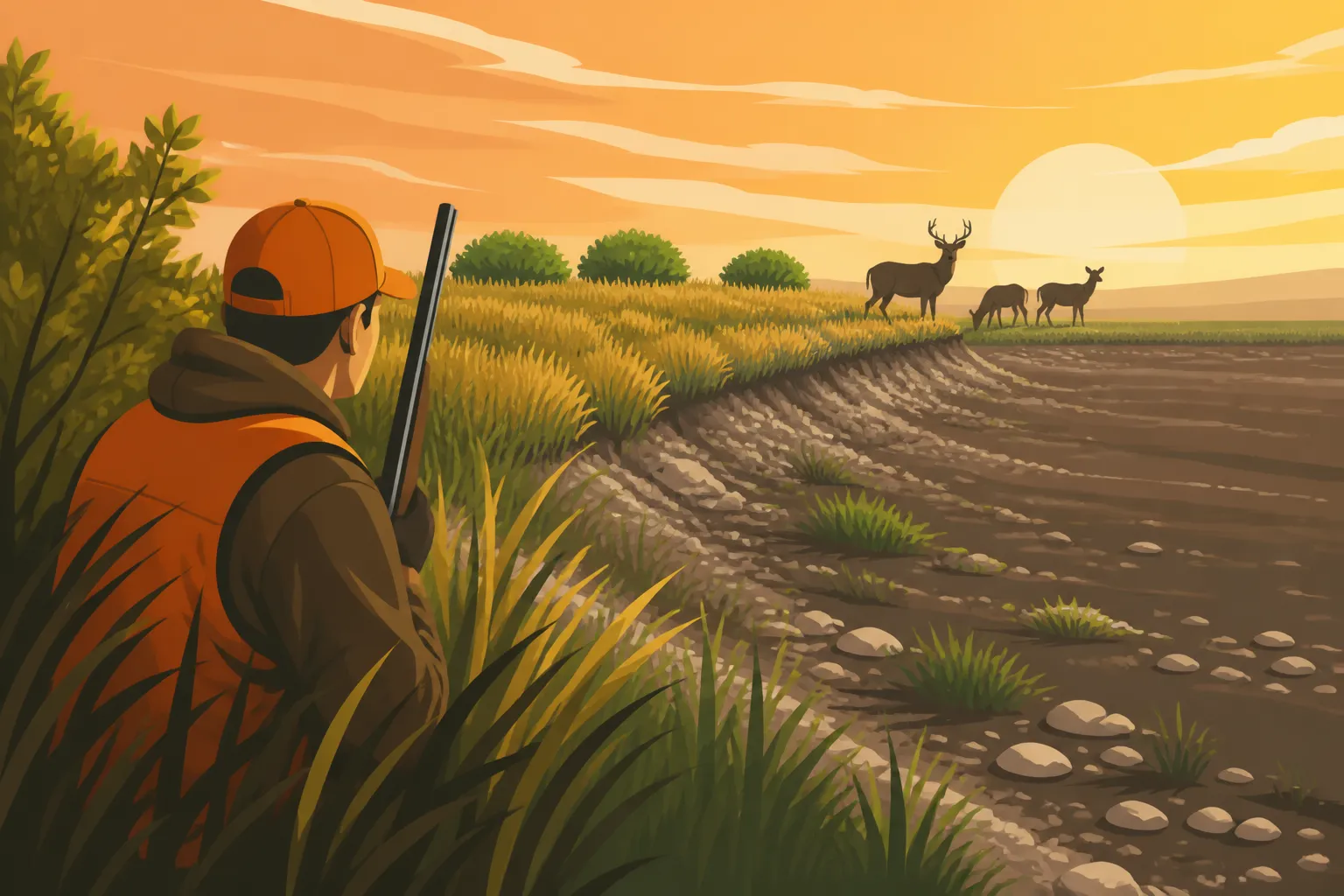
Game animals, especially deer, thrive on variety and edges. Reclaimed potash sites often offer exactly that. The juxtaposition of new growth, established shelterbelts, and sometimes even residual structures or fences creates a complex environment. Whitetail deer, in particular, are drawn to the dense cover provided by young tree and shrub plantings, using them as bedding areas during the day. They'll venture out into adjacent fields or natural bush to feed, but the security of the reclaimed site's edge can be a crucial factor in their daily patterns. Imagine a strip of dense, reclaimed bush acting as a secure travel corridor between two large agricultural fields – it's a natural funnel.
Mule deer might also utilize these areas, especially if the site abuts prairie coulees or rough pastureland. The varied topography created by earthmoving during reclamation can mimic natural draws and rises, offering excellent vantage points and hiding spots for these animals. Upland birds like Hungarian partridge and sharp-tailed grouse will often seek out the tall, thick grasses and brush for nesting and winter cover, especially if there's a good food source nearby. And let's not forget waterfowl; any water retention ponds or wetland features can become attractive stopovers for ducks and geese, particularly during migration. The edges act as thermal cover in winter, shade in summer, and escape cover year-round, making them incredibly valuable, especially in areas with otherwise limited natural habitat. It's a prime example of how even human-altered landscapes can become vital wildlife corridors and refuges.
Scouting Strategies for Potash Site Edges
Effective scouting is paramount for hunting any location, but it takes on an even greater importance when you're dealing with less conventional spots like reclaimed potash site edges. You're not just looking for game sign; you're trying to understand how animals integrate these unique habitats into their daily routines. It's a puzzle, and the more pieces you can gather, the clearer the picture becomes.
Digital Scouting with Mapping Tools
Before you even set foot on the ground, digital scouting is your best friend. Tools like onX Hunt or GoHunt are invaluable for understanding the layout of a reclaimed potash site. Start by identifying the boundaries of the actual reclaimed area and any adjacent agricultural fields, natural bush, or water bodies. Look for contrasting vegetation types – areas of dense trees or shrubs next to open grass or crop fields stand out. These are your prime "edge" zones. You can often see the distinct patterns of reclamation, like long berms, planted rows, or the shapes of former excavations now revegetated.
Pay close attention to subtle topographical changes. Even slight depressions or rises can concentrate game movement. Look for pinch points where game might be funneled, such as narrow strips of cover between a reclaimed area and a field, or where a fence line creates a natural barrier. Identify any water sources, even small ones, as these are critical attractants. Many of these sites will be visible with good satellite imagery, allowing you to map out potential bedding, feeding, and travel routes. Drop pins on interesting features, potential stand locations, or access points. This initial digital reconnaissance will save you countless hours on the ground and help you focus your efforts precisely.
On-the-Ground Reconnaissance
Once you've done your digital homework, it's time to hit the ground. On-the-ground scouting validates your digital observations and reveals the fresh, real-time intelligence you need. When walking the perimeter or permitted access routes, focus on reading the sign. Look for well-used game trails entering and exiting the reclaimed area, especially where dense cover meets open feeding grounds. Pay attention to rubs and scrapes, which indicate buck activity, especially during the pre-rut and rut. Check for droppings and tracks to determine what species are present and how recently they've been using the area. Reading Whitetail Sign in Saskatchewan Bluffs can give you a good idea of what to look for, even if the habitat is different.
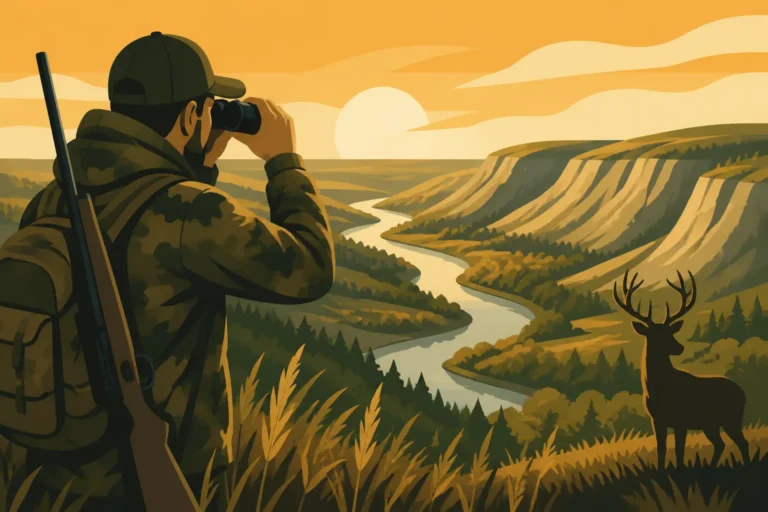
Another critical aspect of on-the-ground scouting is observing the animals themselves, if possible. Binoculars are essential. Try glassing the edges during low-light conditions – dawn and dusk – from a safe, discreet distance. You might spot deer moving in or out of the cover, or even see upland birds feeding. Note prevailing wind directions and sun angles; these will be crucial for stand placement later. Take photos of key areas, especially anything that isn't clear from satellite imagery, like specific entry points or unique cover features. Talk to local landowners if you have permission to hunt their adjacent property; they often have invaluable insights into local game patterns. Remember, the more time you spend scouting, the higher your chances of success will be when it's time to hunt.
Hunting Techniques for Reclaimed Potash Site Edges
Hunting these unique edges requires a blend of traditional hunting wisdom and an adaptability to the specific characteristics of a reclaimed landscape. It's about leveraging the security these sites offer game and playing the wind and terrain to your advantage.
Stand Placement and Approach
Proper stand placement around a reclaimed potash site edge is critical, much like Hanging a Stand on a Saskatchewan Bush Edge. You want to be positioned to intercept game moving between the secure cover of the reclaimed area and their feeding or watering locations. Look for funnels: natural constrictions in the terrain, fence lines, or dense linear cover that forces animals into predictable travel paths. A good spot might be where a game trail crosses a low dip in a berm, or where a thicket of young trees thins out into an open field. Consider prevailing winds; always try to approach and set up with the wind in your face or quartering. Scent control is paramount here, as game animals will be on high alert entering and exiting these areas.
If you're using a treestand, look for suitable trees along the edge that offer good concealment and a clear shooting lane into the expected travel corridors. For ground blinds, utilize existing brush, large rocks, or subtle rises in the reclaimed terrain for maximum concealment. Pop-up blinds can be effective, but ensure they've been brushed in well and ideally left out for a few days to allow game to get used to their presence. Your approach and exit routes should be carefully planned to minimize disturbance. Avoid walking through bedding areas, and always approach your stand in the dark if hunting mornings, or in the middle of the day for afternoon hunts, allowing minimal impact on the animals' routines.
Still-Hunting and Stalking Tactics
Beyond static stand hunting, the varied terrain of reclaimed potash site edges can be excellent for still-hunting and stalking, especially for deer or upland birds. Still-hunting involves moving very slowly and deliberately, pausing frequently to observe your surroundings. The dense, irregular cover often found on these sites provides excellent opportunities to break up your silhouette and move undetected. Focus on moving into the wind or with a slight crosswind, scanning ahead for any movement or tell-tale flick of an ear. The irregular contours of the land can hide animals surprisingly well, so take your time and use your binoculars.
Stalking might be an option if you spot an animal from a distance in a more open portion of the reclaimed site or adjacent field. This requires extreme patience, quiet movement, and an intimate knowledge of the terrain. Use any available cover – a rise in the ground, a patch of thick brush, or even a small ditch – to close the distance. This is where your detailed scouting with tools like onX Hunt can pay off, as you'll know the subtle terrain features that can aid your approach. For upland birds like Hunting Hungarian Partridge on Saskatchewan Farms, flushing them from thick cover along the edge can be productive, and a good bird dog would be an invaluable asset here. Both still-hunting and stalking demand a hunter's full attention to detail and an ability to adapt to the moment.
Navigating Access and Regulations
Hunting a reclaimed potash site edge isn't just about understanding the wildlife; it's also about understanding the rules and obtaining proper access. These sites are typically industrial properties, even after reclamation, and treating them with respect and following all protocols is non-negotiable.
Identifying Ownership and Seeking Permission
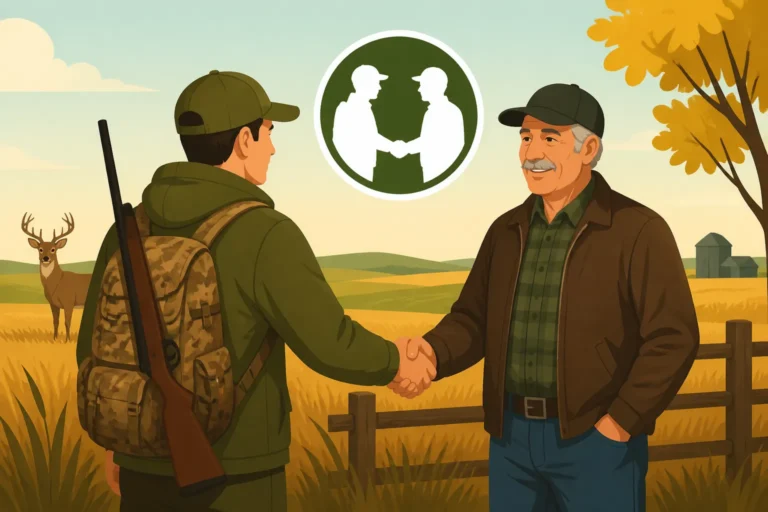
The most critical step is determining who owns the land and securing explicit permission. Reclaimed potash sites are usually privately owned by the mining company that operated them, or by a subsequent land management entity. You absolutely cannot assume access, even if the area appears wild or unkempt. Trespassing on industrial land carries serious legal ramifications and could permanently jeopardize hunting access for everyone in the future. Your digital mapping tools, such as onX Hunt, can sometimes show land ownership layers, which is a great starting point. Failing that, a call to the local Rural Municipality (RM) office or the provincial land titles office might help you identify the owner.
Once you identify the owner, initiate contact respectfully. Explain that you are interested in hunting the reclaimed edges of the site, not necessarily the active industrial areas, and that you understand the need for safety and adherence to rules. Be prepared to provide your name, contact information, and perhaps even proof of hunter education and insurance. Some companies may have existing policies for hunting access, while others might be open to considering it on a case-by-case basis. Always get permission in writing if possible, detailing the specific areas you're allowed to hunt and any restrictions (e.g., foot traffic only, specific dates). Remember, permission is a privilege, not a right, and a polite, professional approach is key to success. This is similar to Getting Private Land Permission in Saskatchewan for farmland, but with a corporate entity rather than an individual farmer.
Safety Considerations Around Industrial Areas
Even after reclamation, these sites might retain certain hazards that hunters need to be aware of. While active operations will have clear fencing and signage, reclaimed areas could still have hidden dangers. This might include unstable ground, old equipment, buried infrastructure, or potential contaminants, though modern reclamation practices aim to mitigate these risks. Always be vigilant for warning signs, fences, or changes in terrain that indicate a hazard. Wearing blaze orange is an absolute must, even if it's not strictly required by law for the species you're hunting, simply due to the nature of the surroundings and potential for other activities nearby. Saskatchewan Blaze Orange Rules detail the legal requirements, but common sense dictates extra visibility here.
Beyond physical hazards, there's the consideration of other users. While these aren't public parks, there might be environmental monitoring crews, security personnel, or other authorized individuals on site. Always be visible and identify yourself as a hunter with permission. Carry a reliable communication device, like a satellite messenger or cell phone (where service is available), and inform someone of your hunting plans and expected return time. Be extra cautious with firearms, always knowing your target and what is beyond it, as you are likely in an area that isn't solely wilderness. Hunting a reclaimed potash site edge can be productive, but it demands an elevated sense of awareness and responsibility to ensure your safety and the safety of others.
Here's a quick comparison of how different game might utilize these unique areas:
| Game Species | Primary Use of Reclaimed Site Edge | Key Scouting Sign | Recommended Hunting Method |
|---|---|---|---|
| Whitetail Deer | Bedding, escape cover, travel corridors between feeding | Trails, rubs, scrapes, droppings, tracks | Stand hunting, still-hunting |
| Mule Deer | Cover in broken terrain, travel between coulees/pastures | Tracks, droppings, distinct beds | Spot & stalk, still-hunting |
| Upland Birds | Nesting, roosting, winter cover, insect foraging | Dust baths, tracks, droppings, flush points | Still-hunting, walking with a dog |
| Waterfowl (Ducks/Geese) | Roosting, staging, feeding (if water/crop nearby) | Droppings, feathers, vocalizations, tracks | Blind hunting (over water), field blinds |
| Coyotes | Travel, denning (in thick cover), hunting small game | Tracks, droppings, howls, dens (rarely seen) | Calling, incidental encounters |
Remember, these are general guidelines, and local conditions will always dictate specific animal behavior. Always prioritize safety and legal access. Hunting Saskatchewan's Crown Land Access rules often differ significantly from private or industrial land, so always know what type of property you're on.
Disclaimer
This article is for general informational purposes only and does not constitute professional advice. Laws, prices and regulations vary by location and change over time. Consult a qualified professional for guidance on your specific situation.