Hunting Hungarian Partridge on Saskatchewan Farms
There’s a special kind of challenge that comes with pursuing Hungarian Partridge on Saskatchewan farms. These birds, often affectionately called Huns, are small, fast, and notoriously clever, capable of disappearing into thin air right before your eyes. You’ve probably experienced the frustration of walking up on a covey only for them to explode into flight, leaving you with little more than a fleeting glimpse and a rapid heartbeat. But for all their elusiveness, the reward of a successful hunt, whether it’s a full game bag or simply the memory of a spectacular flush, makes every effort worthwhile. This comprehensive guide is designed to help you unravel the mysteries of Hun hunting, from understanding their habits to mastering the techniques needed to put these wily birds in your sights on Saskatchewan’s vast agricultural landscapes.
Understanding the Elusive Hun: Biology and Behavior
Hungarian Partridge, or grey partridge as they’re also known, are true gems of the Saskatchewan prairie. They thrive in agricultural landscapes, finding sustenance and cover in ways that make them both fascinating and incredibly frustrating for hunters. Their survival instincts are finely tuned, making them masters of camouflage and sudden escape, which is precisely what draws so many upland hunters to their pursuit year after year.
What Makes Hungarian Partridge So Challenging?
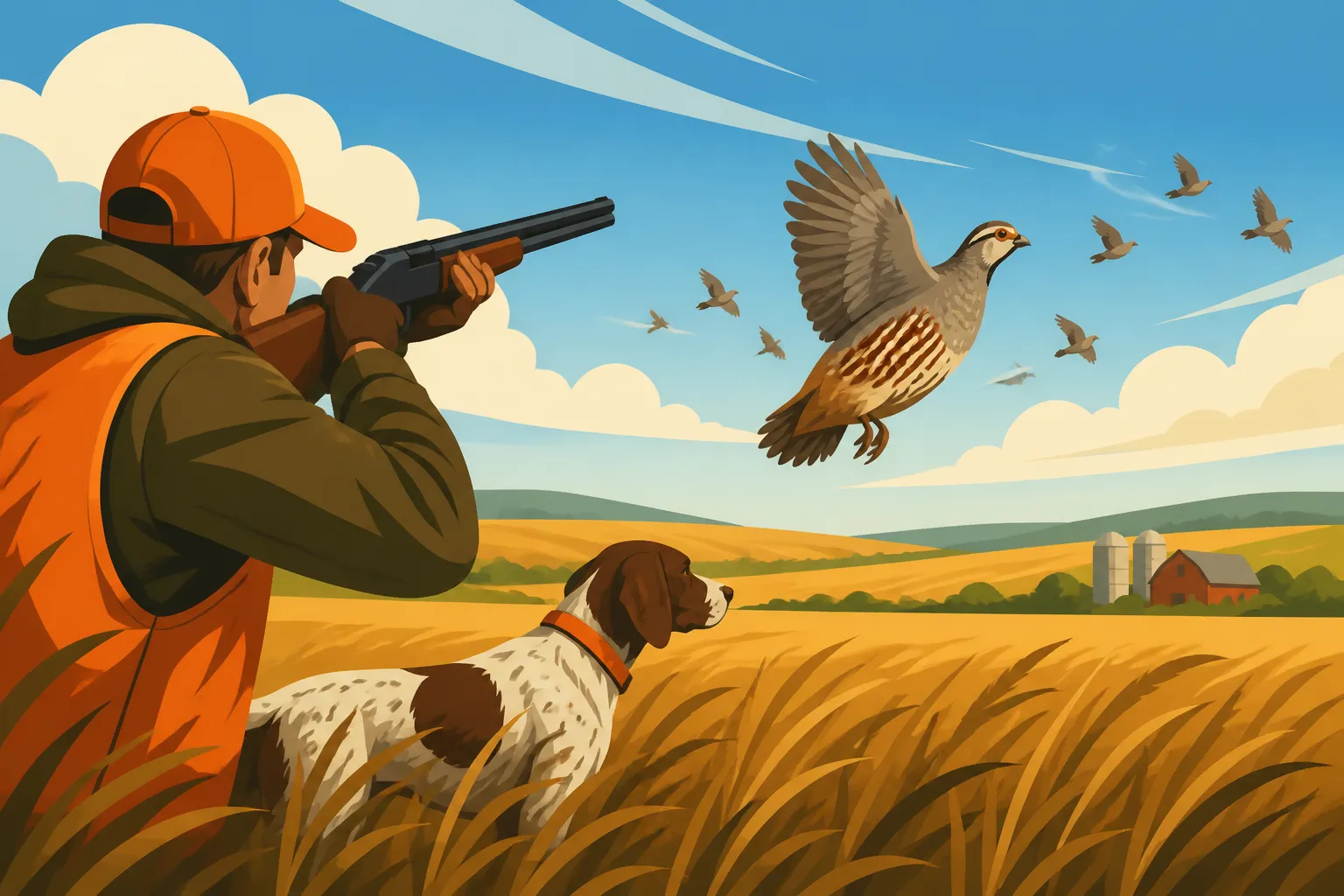
These aren't your slow-flying pheasants. Huns are pint-sized rockets, known for their explosive, rapid flush and erratic flight patterns that can leave even seasoned shooters feeling a bit flustered. They often hold tight, relying on their mottled brown and grey plumage to blend seamlessly with stubble fields, fence rows, and grassy ditches until you're almost on top of them. Then, with a sudden burst of wings, the entire covey will erupt, scattering in all directions.
Beyond their flight, their communication is also part of the challenge. Huns are vocal birds, using a distinctive "kee-yak" call to keep in contact within the covey. When one bird alerts, the entire group is often already aware of your presence before you even see them. This collective awareness means you rarely get a jump on just one bird; it’s usually an entire flock deciding to vacate the premises simultaneously. Successfully getting a shot off requires quick reflexes, smooth gun mounting, and an understanding of how they’ll react to pressure.
Preferred Habitat and Food Sources on Farms
Saskatchewan’s agricultural heartland is tailor-made for Hungarian Partridge. They absolutely thrive in a mosaic of cropland, stubble fields, natural grasslands, and shelterbelts. You’ll often find them utilizing the edges of pea, lentil, wheat, or barley fields, particularly after harvest when spilled grain provides an abundant food source.
Beyond the fields themselves, they depend heavily on linear features like grassed waterways, fence lines, and especially shelterbelts between two fields. These strips of trees and shrubs provide critical cover from predators and harsh weather, offering safe havens for roosting and loafing throughout the day. In areas where you find a good mix of these elements—say, a stubble field bordered by a thick shelterbelt and a patch of ungrazed grass—you’ve likely found prime Hun habitat. They also appreciate patches of weeds or brushy draws where they can dust bath and find insects, especially for chicks.
The Covey Dynamics: Flocking and Survival
Hungarian Partridge are highly social birds, living in family groups called coveys for most of the year. A typical covey might consist of a breeding pair and their offspring, often numbering anywhere from 8 to 20 birds, sometimes even more. These coveys are incredibly tight-knit, a strategy that offers enhanced protection from predators. More eyes mean more chances to spot danger, and a sudden, unified flush can disorient a predator.
During the hunting season, especially as temperatures drop, these coveys tend to grow larger as multiple family groups might consolidate. This makes them easier to locate, but also means a larger, more impressive flush when you do find them. If you manage to break up a covey, the individual birds will often try to regroup later, using their distinctive calls. This behavior can be exploited by patient hunters, as scattered birds are generally less wary than a full covey, sometimes offering a second chance if you can track where they landed. Understanding these dynamics is key to planning your approach and maximizing your opportunities.
Scouting Saskatchewan Farmland for Partridge Hotspots
Finding Hungarian Partridge isn't about aimlessly wandering; it's about smart scouting. Saskatchewan’s vast agricultural landscape can be overwhelming, but with a keen eye for habitat and the right tools, you can significantly narrow down your search and focus on areas where Huns are most likely to be present.
Reading the Landscape: Shelterbelts, Field Edges, and Fallow Ground
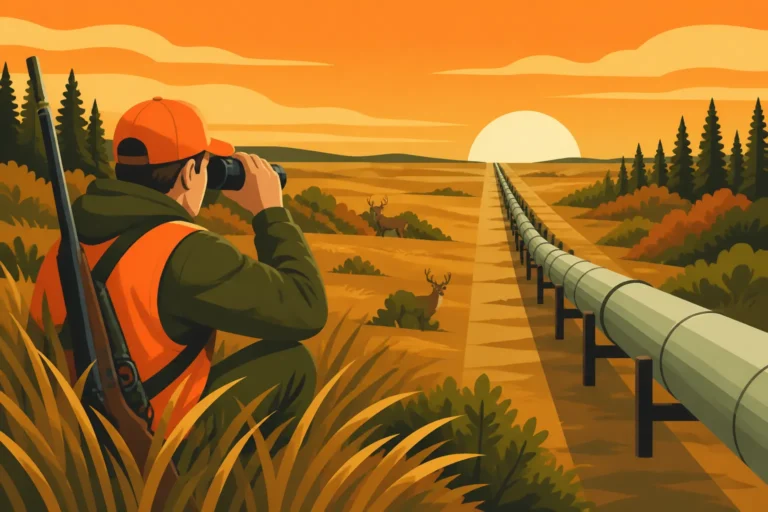
When you're out driving the grid roads, don't just look at the fields, look for the features that break them up. Hungarian Partridge love edges. Think about the transition zones between different types of cover and food sources. A key spot to focus your attention is a shelterbelt between two fields. These tree lines, often planted decades ago, offer vital thermal cover, roosting sites, and protection from aerial predators. Drive slowly and scan these areas, especially where they meet a stubble field.
Similarly, pay close attention to the very edges of standing crop fields, particularly those with peas or lentils that might still have spilled grain, or harvested fields with plenty of stubble. Huns will often feed right at these field perimeters. Don't overlook fallow ground or fields that have been left uncultivated for a season. These areas often grow up with weeds and grasses, providing excellent cover and a bounty of seeds and insects. Look for signs of bird activity—small tracks in the dust or snow, or even droppings—though these can be hard to spot for such small birds. A slight rise in the land, a brushy coulee, or a grassy ditch can also be magnets for these birds, offering both food and escape routes.
Utilizing Technology: Satellite Imagery and Mapping Apps
In today’s hunting world, technology is your best friend for efficient scouting. Before you even leave the house, spend some time pouring over satellite imagery. Tools like GoHunt (and other mapping apps like OnX Hunt, for example) allow you to view detailed satellite images of Saskatchewan’s farmlands from the comfort of your home. You can identify potential hotspots, like those shelterbelts, uncultivated corners, slough edges, or areas where different field types converge, long before you burn a drop of gas.
What you're looking for on these maps are the "breaks" in the monotonous agricultural grid. Zoom in on areas with a good mix of harvested fields, dense linear cover, and perhaps some unworked land. You can also trace old fence lines, abandoned farmyards, and the margins of a summerfallow field border. Plot out potential walking routes, mark access points, and identify areas that might provide strategic advantage. This virtual scouting lets you cover hundreds of square miles in minutes, greatly reducing the amount of time you need to spend driving and maximizing your time in the field.
The Art of "Knocking on Doors": Gaining Access
Perhaps the most crucial, and often overlooked, aspect of hunting on Saskatchewan farms is securing landowner permission. Saskatchewan’s private land is just that—private. You must have permission to hunt on it. This is where the old-school art of "knocking on doors in Saskatchewan farm country" comes into play. It can feel intimidating, but most landowners are reasonable people who appreciate the respect shown by asking.
Dress neatly, be polite, introduce yourself, and clearly state your intentions. Ask about hunting Hungarian Partridge, specify which areas you're interested in, and offer to share contact information. It’s a good idea to have a map (perhaps one you marked up using your GoHunt app) to show them exactly where you plan to hunt. Be prepared for a "no," but also be ready for a "yes," which can unlock vast new opportunities. Building a good relationship with a landowner can lead to access for years to come, and a reputation for being respectful and responsible will go a long way in this tight-knit agricultural community. Never take access for granted, and always respect any specific rules or areas the landowner designates.
Hunting Techniques: Walking, Flushing, and Pointing
Once you’ve done your scouting and secured permission, it’s time to hit the field. Hungarian Partridge demand a blend of stealth, speed, and sometimes, a good bit of luck. How you approach them depends heavily on whether you’re hunting solo, with a small group, or with the invaluable assistance of a well-trained bird dog.
The Walk-Up: Strategic Approaches for Solo Hunters or Small Groups
For many hunters, the "walk-up" hunt is the essence of partridge hunting. This involves slowly and methodically walking through prime cover, hoping to flush birds within shooting range. If you’re hunting alone, focus on covering ground thoroughly but not so quickly that you push birds out ahead of you without realizing it. Walk in a zigzag pattern through stubble fields or along the edges of shelterbelts, paying close attention to any changes in terrain or cover that might hold birds.
When hunting with a small group, you can implement more strategic maneuvers. Spreading out in a line, about 20-30 yards apart, allows you to cover a wider swath of ground and prevent birds from simply running around you. Make sure everyone knows their safe shooting zones. Communication is key; call out "bird!" or "flush!" to alert others. A common strategy is to "pincer" a promising piece of cover, like a narrow willow run for whitetails or a patch of heavy grass, with hunters approaching from two or three sides to limit the birds' escape routes. Huns are notorious for running before flushing, so a steady, persistent advance is often more effective than a fast, noisy one.
Working With Dogs: The Unmatched Advantage of a Good Bird Dog
If there's one thing that truly transforms a Hungarian Partridge hunt, it's a good bird dog. Whether you're using a pointing dog or a flushing dog, their superior sense of smell and instinct for birds will exponentially increase your success rate and enjoyment. A pointing dog, like a German Shorthaired Pointer or an English Setter, will lock up when they scent birds, holding them in place and allowing you to walk in for the flush. This takes much of the guesswork out of finding these camouflaged birds and makes for thrilling, deliberate flushes.
For a flushing dog, such as a Labrador Retriever or a Springer Spaniel, the goal is different. These dogs work to push birds out of cover, often excitedly. While you might not get the classic point, a good flusher will ensure that fewer birds are left behind and will diligently retrieve downed game, which is crucial for these small birds that can be hard to find in dense cover. Regardless of the breed, a well-trained dog that works within gun range, responds to commands, and has a soft mouth for retrieval is an invaluable asset. Their ability to scent birds that you’d walk right past is unparalleled, making a world of difference when pursuing such elusive quarry. If you’re considering a new hunting companion, read up on Using a Pointing Dog on Saskatchewan Prairie.
Dealing with the Flush: Quick Shots and Follow-Up
The Hun flush is nothing short of electrifying, and it’s over in a blink. When a covey erupts, your primary goal is to remain calm, mount your shotgun smoothly, and pick a single bird. Resist the urge to "flock shoot," which almost always results in a miss. Focus on one bird, swing through it, and pull the trigger. Because Huns are so fast and their flight path can be erratic, quick target acquisition and a fluid swing are paramount.
Often, you’ll have a second or even a third opportunity as the birds scatter, but these shots need to be even quicker. Pay attention to which direction the birds flew. If they split up and land in different areas, marking where a few singles went can provide valuable follow-up opportunities. Scattered birds tend to hold tighter than the original covey, offering a better chance for a cleaner shot. However, they can also run further after scattering, so a dog is incredibly helpful here. Remember, safety first: always be aware of your hunting partners, property boundaries, and anything beyond your target.
Gear and Preparation for a Successful Hun Hunt
Being properly equipped for a day of chasing Hungarian Partridge on Saskatchewan farms isn't just about comfort; it's about efficiency, safety, and ultimately, success. From your choice of firearm to the layers of clothing you wear, every piece of gear plays a role in enhancing your experience.
Shotguns and Ammunition: Fast-Handling for Fast Birds
For a bird as quick and agile as the Hungarian Partridge, your shotgun choice matters. Many hunters prefer a fast-handling 12 or 20 gauge shotgun, often a semi-automatic or an over-under, for quick follow-up shots. The ability to swing smoothly and rapidly acquire a target is more important than sheer hitting power. Barrel length is a personal preference, but many upland hunters opt for shorter barrels (26-28 inches) for ease of maneuverability in brush and quick pointing.
Ammunition-wise, smaller shot sizes are generally recommended. #6 or #7.5 lead shot are common choices, offering a dense pattern suitable for these small birds without excessive pellet count. Make sure you're using appropriate non-toxic shot if you're hunting in areas requiring it, though for upland birds on private land, lead is generally permissible. Choke selection typically ranges from Improved Cylinder to Modified, striking a balance between a wide enough pattern for fast, close-range flushes and enough density for slightly longer shots. Experiment with different loads and chokes at the trap range to see what patterns best with your chosen firearm.
Essential Apparel for Prairie Hunting
Saskatchewan weather can be notoriously unpredictable, swinging from mild to bone-chilling cold, sometimes all in the same day. Layering is your best friend when hunting Huns. Start with a moisture-wicking base layer, add insulating layers like fleece or wool, and top it off with a durable, windproof, and water-resistant outer shell. Your outer layer should also be snag-resistant, as you'll be pushing through brush and stubble.
Don't forget the extremities. A good pair of waterproof, insulated hunting boots is essential for comfort and support, especially if you're putting in miles across varied terrain. Good quality socks (wool or synthetic) will prevent blisters and keep your feet warm and dry. Gloves are crucial for keeping your hands warm while still allowing for dexterity to operate your firearm. A blaze orange vest or hat is not only a safety requirement in many zones but also a wise choice for visibility, particularly when hunting with partners or when others are in the area. For those colder hunts, review tips on Hunting Saskatchewan Winter Weather Safely.
Safety and Field Etiquette on Private Land
Hunting safety extends beyond just firearm handling. When hunting Hungarian Partridge on private agricultural land, being a responsible and ethical hunter is paramount. Always, always treat your firearm as if it's loaded, keep the muzzle pointed in a safe direction, keep your finger off the trigger until ready to shoot, and be absolutely sure of your target and what's beyond it. These are fundamental rules that must never be broken.
Beyond firearm safety, field etiquette is critical, especially since you’re likely hunting on someone else’s property. Close all gates you open, drive only on established trails, and avoid driving or walking through standing crops or areas the landowner has asked you to avoid. Pick up all your spent shell casings; leaving litter is a surefire way to lose hunting privileges. Be mindful of livestock; keep your dog under control and away from any cattle or horses. If you harvest birds, process them cleanly and respectfully. Showing respect for the land and the landowner's property ensures a positive relationship and helps preserve hunting opportunities for everyone. Remember the importance of Saskatchewan Hunter Education Requirements for all hunters.
Seasonal Considerations and Best Practices
The timing of your hunt in the season can significantly impact how and where you find Hungarian Partridge. These birds adapt their behavior to changing weather patterns and food availability, requiring hunters to adjust their strategies accordingly.
Early Season vs. Late Season Strategies
Early Season (September/October): When the season first opens, usually in September, the weather is typically mild, and cover is still relatively abundant. Birds are often in smaller coveys, consisting primarily of family units. They might be found in taller stubble, thicker grass, or even the edges of still-standing crops like canola or flax. This is a great time to work edges and focus on areas with thick, green cover. The birds might be a bit less wary, having not faced much hunting pressure yet, but they still flush hard. Early season hunting often means more walking, but also more opportunities to break up coveys and work singles. Don't overlook a Hunting a Standing Canola Field Edge or a Hunting a Swathed Grain Field at Dusk in the early weeks.
Late Season (November/December): As temperatures drop and snow begins to fall, Hungarian Partridge behavior shifts dramatically. Coveys tend to consolidate and become much larger, offering impressive flushes. Food sources become scarcer, driving birds to concentrate in areas where spilled grain is still accessible. Thermal cover becomes paramount, so Huns will often gravitate towards the densest shelterbelts, brushy coulees, or willow rings around a pothole. These birds will be much warier, having encountered hunters and predators for weeks. You'll need to approach very cautiously, using terrain to your advantage, and be prepared for longer shots as they might flush further out. A good dog is even more critical in late-season, helping to push birds out of heavy cover and find them after the shot, especially in snow. For late season, tactics for Hunting the December Late Season Cold can offer helpful insights, as can Where Saskatchewan Whitetails Bed in Snow, which highlights similar cover.
Weather's Impact on Partridge Behavior
Weather is a huge factor in Hungarian Partridge hunting. A crisp, calm, sunny day can be ideal, as birds tend to be active and feed openly, making them easier to locate. However, calm days can also mean birds flush wild and run more, as there's no wind to mask your approach.
Windy days are a mixed bag. A strong wind can make birds nervous, keeping them tucked into heavy cover. However, a moderate wind can actually be your friend, masking your sound and scent (especially if you have a dog), allowing for closer approaches. Birds might also fly lower and more predictably into the wind. Snowfall completely changes the game. Fresh snow makes tracking easier, revealing where birds are feeding and roosting. On very cold days, Huns will conserve energy by staying put in dense cover, offering tighter holds but potentially fewer flushes. Conversely, after a period of intense cold, they might be more willing to feed out in the open during a warmer spell. Always check the forecast and adjust your plans accordingly.
Meat Care and Preservation in the Field
After a successful flush and retrieve, proper meat care is essential to ensure your hard-earned birds are table-ready. Hungarian Partridge are small, delicate birds, and their meat can spoil quickly if not handled correctly. As soon as possible after the shot, field dress the bird. This involves removing the entrails, which helps the carcass cool down rapidly. You can carry a small game shears or a sharp knife for this.
Once field dressed, get the birds cooled down. In cooler weather, you can hang them in a game bag to allow air circulation. In warmer early-season conditions, consider carrying a cooler with ice packs in your vehicle to immediately place the birds inside once you’re done hunting for a particular area. When you get home, plan to pluck or breast out the birds fairly quickly. Don't leave them uncooled in a warm vehicle for extended periods. Proper cooling and quick processing will ensure the delicate flavor of these prairie delicacies is preserved. For general advice applicable to all game, consult Meat Care in Saskatchewan's Cold Snaps.
| Season | Typical Weather | Covey Size | Preferred Cover | Hunter Approach | Dog Advantage |
|---|---|---|---|---|---|
| Early Season | Mild, sunny | Smaller (8-15) | Tall stubble, standing crop edges, thick grass | Steady walk-up, working edges | Good for finding scattered birds |
| Mid-Season | Cooler, mixed conditions | Medium (10-20) | Shelterbelts, field edges, brushy draws | Systematic grid, strategic pushes | Essential for consistent flushes |
| Late Season | Cold, snow likely | Larger (15-30+) | Dense shelterbelts, thick coulees, willow rings | Cautious approach, using terrain, follow-up singles | Critical for finding, retrieving in snow |
Disclaimer
Hunting is an inherently dangerous activity. Always prioritize safety, follow all local and federal regulations, and be respectful of wildlife and private property. This guide is for informational purposes only and should not replace proper hunter education and training. Check current Saskatchewan hunting regulations before heading afield, as rules and seasons can change.