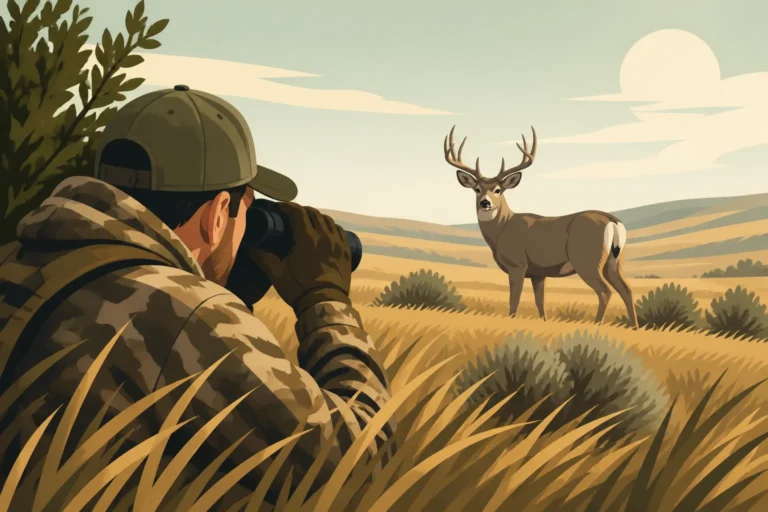
Reading Whitetail Sign in Saskatchewan Bluffs
It’s a familiar feeling, isn’t it? You’re walking through a promising patch of Saskatchewan bluffs, full of hope, only to feel utterly lost when it comes to deciphering the subtle clues left by whitetails. It can feel like you’re trying to read a foreign language, and without a clear understanding of what you’re seeing, those big bucks remain elusive. This guide is designed to cut through that confusion, giving you the practical knowledge to effectively read and interpret whitetail sign in Saskatchewan bluffs, turning those frustrating walks into informed hunts.
Understanding the Saskatchewan Bluff Ecosystem for Whitetails
Saskatchewan is blessed with a diverse landscape, and the bluffs are a critical component, especially for whitetail deer. These aren't just random clumps of trees; they are intricate ecosystems that provide everything a whitetail needs to thrive, often acting as magnets for big bucks looking for security and resources.
What Defines a Saskatchewan Bluff and Its Appeal to Whitetails
In Saskatchewan, when we talk about bluffs, we’re typically referring to the pockets of deciduous trees, often aspen or poplar, mixed with willow, saskatoon bushes, and other underbrush, that dot the prairie and parkland landscape. They might be isolated islands of cover in a sea of agriculture, or they could be larger, more interconnected systems along a river valley or a change in elevation.
The appeal for whitetails is multifaceted. Firstly, bluffs offer incredible thermal cover. Those dense stands of poplars, even without leaves, break the biting prairie wind and can be several degrees warmer than the open fields. In winter, this is crucial for survival, allowing deer to conserve energy. Secondly, they provide unparalleled security. Hunters often overlook the sheer density of these bluffs because they look impenetrable from a distance. But inside, there are natural clearings, heavy brush, and elevation changes that allow deer to move unseen and bed down with excellent scent control and multiple escape routes. Finally, bluffs are often rich in food sources. The browse from saskatoon bushes, young aspens, and various forbs within or along the edges provides consistent nutrition, especially when combined with the adjacent agricultural fields of canola, wheat, and peas that deer readily raid. Bluffs also provide transition areas between open feeding grounds and secure bedding.
How Whitetails Utilize Bluffs Throughout the Seasons
Whitetails are creatures of habit, but their use of bluffs changes with the seasons, driven by their needs for food, safety, and reproduction. In the spring and summer, bluffs offer excellent fawning cover. Does seek out dense, secluded spots to drop their fawns, knowing the thick undergrowth provides camouflage from predators. Bucks will often bed deep inside these same bluffs during the day, emerging at dusk to feed on lush vegetation in nearby fields. This is also when antler growth is in full swing, and bucks need consistent, high-quality forage.
As fall approaches, leading into the hunting seasons, bluffs become even more critical. During early archery season, deer are still mostly in their summer patterns, using bluffs for bedding during the heat of the day. But as the rut approaches, these bluffs transform into arenas of activity. Bucks will cruise the edges and interiors, leaving sign to communicate their presence. During the intense period of Hunting Saskatchewan's November Rut, the security and cover of bluffs are irresistible to both bucks seeking does and does seeking refuge. When the Rifle Hunting Saskatchewan's Whitetail Rut is in full swing, you’ll find whitetails moving between bluffs and fields constantly, sometimes even bedding deep within them to escape hunting pressure.
In the winter, when snow blankets the landscape, bluffs truly shine as survival sanctuaries. They become critical for thermal regulation, and deer will often yard up in larger, denser bluff systems. Knowing Where Saskatchewan Whitetails Bed in Snow can drastically increase your late-season success, and bluffs are often the answer. They provide a vital refuge from predators and severe weather.
Common Whitetail Travel Corridors Within Bluff Systems
Understanding how deer move through bluffs is paramount to reading their sign effectively. They aren't just randomly wandering. Whitetails are incredibly efficient and will take the path of least resistance while maximizing cover and scent advantage.
Look for natural funnels and pinch points within bluff systems. These might be narrow strips of trees connecting two larger blocks, a subtle depression in the topography that offers a sheltered path, or even just a worn trail along the base of a rise. Edges are always key – the transition zone where the dense cover of the bluff meets open field, or where one type of vegetation transitions to another. Deer will frequently travel these edges, feeling secure with the bluff at their back, but still able to quickly access feeding areas. Well-worn trails that disappear into the bluff and emerge on the other side are clear indications of a travel corridor. These paths are often most visible where they cross over subtle rises or dips in the terrain, indicating a preferred route for daily movements between bedding and feeding.
Key Whitetail Sign to Look For in Bluffs
Learning to read whitetail sign is about more than just spotting a track; it's about understanding the story each piece of evidence tells. In the dynamic environment of Saskatchewan bluffs, specific signs stand out, revealing the presence, habits, and even the mood of the deer.
Deciphering Tracks and Trails
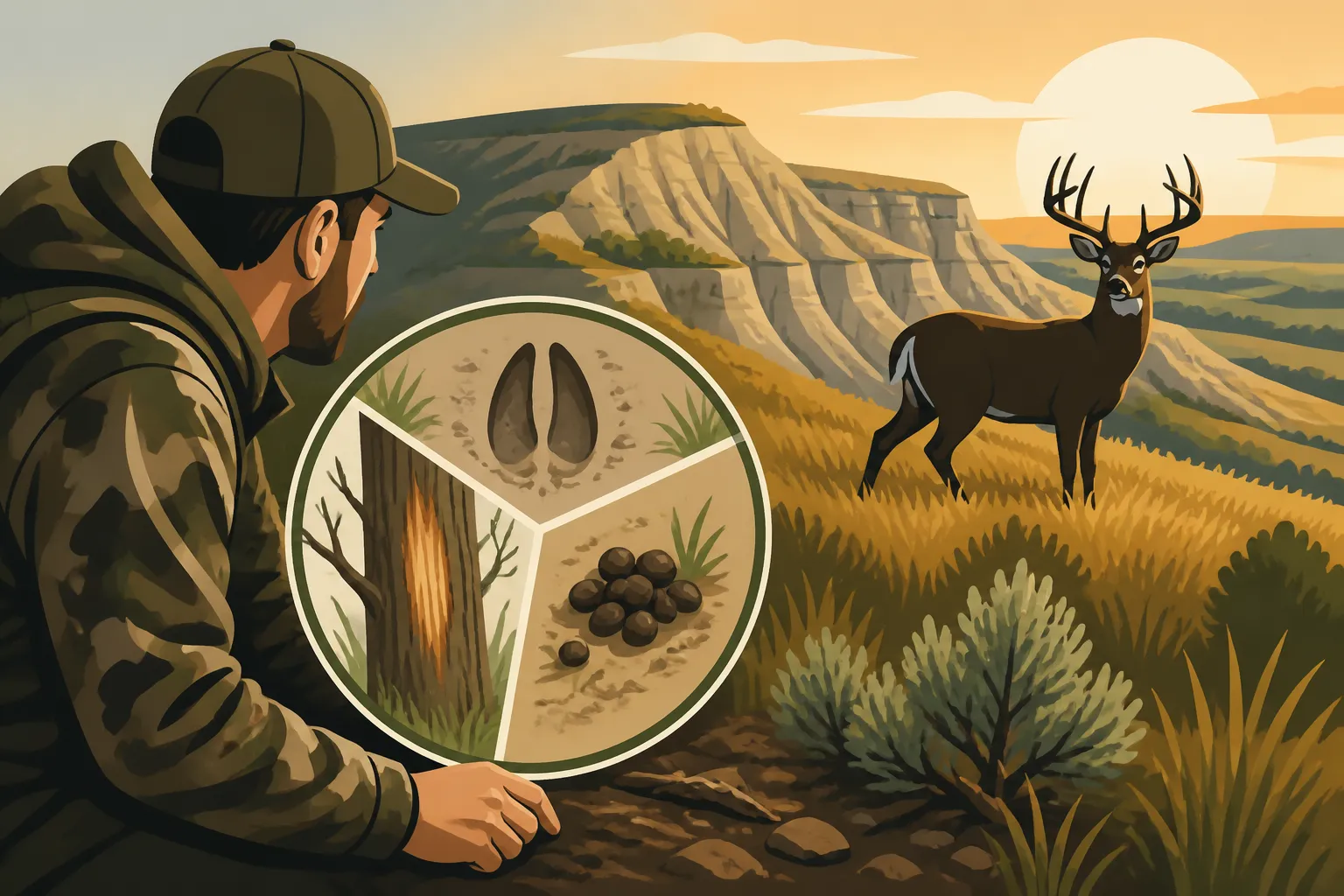
Tracks are arguably the most common sign you'll encounter, and they hold a wealth of information. The first thing to consider is the size. Larger tracks usually indicate a bigger deer, and while it's not foolproof, consistently large tracks in a bluff suggest a mature buck might be using the area. Look closely at the depth and definition of the track; a deep, clear print indicates fresh sign, especially in soft soil or light snow. The gait, or stride length, can also tell you if the deer was walking, trotting, or bounding.
Trails, on the other hand, are the highways deer use. In bluffs, these can range from faint impressions in the leaf litter to deeply worn paths. Focus on identifying trails that show consistent, heavy use. These main travel routes often connect bedding areas within the bluff to feeding grounds outside, or serve as corridors between different sections of cover. Pay attention to crossing points – where a trail crosses a fence line, a small creek, or a subtle saddle in the terrain. These are natural bottlenecks where deer are concentrated. If you find multiple trails converging, you've likely found a major deer thoroughfare. When you're scouting, tools like GoHunt can really help you visualize the topography and potential travel corridors from above, giving you a huge head start before you even put boots on the ground.
Interpreting Rubs and Scrapes
Rubs and scrapes are the calling cards of bucks, primarily during the pre-rut and rut phases. They are a form of communication, letting other deer know who’s in the area and when they’re ready to breed.
Rubs are created when a buck rubs his antlers against a small tree or sapling, stripping the bark. The height of the rub can give you a rough idea of the buck's size, with higher rubs often indicating a more mature deer. The diameter of the tree can also be a clue; bigger bucks often prefer to rub larger diameter trees. Look for clusters of rubs, or rub lines, which show a buck's travel route through a bluff. The freshness is key: light-coloured wood under the bark indicates a very recent rub. Older rubs will be darker and more weathered. Finding fresh rubs close together is a powerful indicator that a buck is actively working that part of the bluff.
Scrapes are patches of bare earth pawed out by bucks, usually under an overhanging branch (the "licking branch"). Bucks will urinate in the scrape and rub their preorbital glands on the licking branch, leaving behind scent. These are essentially bulletin boards for deer. Active scrapes will appear moist, often with fresh tracks in the soft earth. While less common deep within the densest parts of a bluff, primary scrapes are often found on bluff edges, connecting lines, or at strategic points where deer funnel through. A very active scrape is like a neon sign for a dominant buck. Remember, does and other bucks will visit scrapes, making them prime spots for a stand, especially during Hunting the Rut in Early to Mid November.
Locating Bedding Areas and Feeding Evidence
Finding where deer sleep and eat is crucial to understanding their daily patterns.
Bedding areas within bluffs are usually characterized by dense cover and often a slight rise or depression in the terrain that offers a good vantage point or protection from the wind. Look for flattened spots in the grass or leaves, often oval-shaped. In cold weather, beds might be matted down in snow. Deer tend to bed with the wind at their back, allowing them to scent anything approaching from behind, and visually scan ahead. A "day bed" might be in thicker cover, providing security during daylight hours, while a "night bed" might be closer to a feeding area. The size of the bed and the presence of urine or droppings nearby can indicate freshness and the size of the deer. In winter, knowing Where Saskatchewan Whitetails Bed in Snow is vital, and bluffs are often the answer, offering critical thermal shelter.
Feeding evidence in bluffs is often subtle but important. Look for browsed vegetation – clipped twigs, stripped leaves, or bark damage on certain trees. Saskatoon bushes are a common target. If the tips of branches appear cleanly clipped, it's often a deer. Broken branches or pulled-up roots can indicate more vigorous feeding. Also, keep an eye out for droppings. Fresh droppings are typically moist and dark, while older droppings will be dry, faded, and scattered. The shape and size can sometimes give an indication of the deer's size and diet. Finding a concentration of fresh droppings, especially if they’re still warm, is a clear sign that deer have been actively feeding or bedding in the immediate vicinity very recently.
Interpreting Sign Patterns and Freshness
Reading individual pieces of sign is a good start, but the real art of scouting in Saskatchewan bluffs lies in piecing these clues together to form a coherent narrative. It's like being a detective, looking for connections and understanding the timeline of events.
Judging the Age of Sign
Determining how old a piece of sign is incredibly important, as old sign means old news. Here's how to gauge freshness:
- Tracks: In soft soil, fresh tracks will have crisp edges and sharp details. If the edges are rounded or crumbly, or if the track is filled with dust, leaves, or snow, it's older. After a rain or snow, any tracks found are very fresh.
- Rubs: A fresh rub will expose light-coloured, moist wood. The sap might still be sticky. As it ages, the wood will darken, dry out, and begin to weather. If the rub is dark brown or grey, it’s old.
- Scrapes: A freshly pawed scrape will have disturbed, dark, moist earth. The licking branch above it might have fresh rubs from the buck's forehead. Old scrapes will be dry, potentially overgrown with weeds, and the earth will have settled.
- Droppings: Fresh droppings are usually dark, shiny, and soft. As they age, they become dull, hard, and eventually dry and crumbly. The colour will also fade.
Weather plays a huge role. A fresh snowfall or heavy rain can erase old sign, making any new sign you find incredibly valuable. Always consider the last significant weather event when judging freshness.
Piecing Together the Whitetail Story
This is where all your observations come together. You're not just looking for a single rub; you're looking for a rub connected to a fresh trail, leading towards a feeding area, with fresh tracks and droppings indicating recent activity.
Imagine finding a well-used trail entering a bluff. As you follow it, you notice several fresh rubs along the path, getting progressively larger. Further in, you find a couple of fresh scrapes near a prominent overhanging branch. Deeper still, you discover a cluster of fresh beds, strategically placed to catch the wind and offer good visibility. This isn't just scattered sign; this is a story: a buck is actively using this bluff, traveling these trails, communicating his presence, and bedding in a specific spot. You've identified his core area and likely his daily routine.
This "storytelling" approach helps you anticipate deer movement. For example, if you find fresh feeding sign in a field adjacent to a bluff, and then fresh trails leading into that bluff, you can reasonably assume those deer are bedding in the bluff during daylight hours and emerging to feed in the field at night or dusk. This knowledge can help you decide where to place a stand or how to approach your hunt, whether you're trying Hunting a Bluff Between Two Fields or setting up an ambush.
Recognizing High-Traffic Areas and Core Sanctuaries
Within any bluff, there will be areas that see more activity than others. High-traffic areas are those major travel corridors, funnel points, and edges where multiple deer frequently pass. These are prime locations for ambushing deer, as your chances of encountering one are much higher. These are excellent spots to consider Hanging a Stand on a Saskatchewan Bush Edge.
Core sanctuaries, on the other hand, are the thickest, most secluded parts of the bluff where deer feel absolutely safe. These are often bedding areas that receive minimal human intrusion. You might find some sign here, but it won’t be the frantic rut sign you see on the edges. Instead, you'll find beds, occasional droppings, and very subtle trails that disappear into the densest cover. These areas are usually best left undisturbed, as pressuring them can push deer out of the bluff entirely. Knowing where these sanctuaries are allows you to hunt around them, catching deer as they enter or exit, rather than blowing them out. Understanding these patterns is key to Whitetail Hunting in Saskatchewan.
| Type of Sign | What it Tells You | How to Judge Freshness |
|---|---|---|
| Tracks | Presence, size, direction, speed of travel | Crisp edges, depth, moisture (soft ground/snow) |
| Trails | Frequent travel routes, core paths | Deeply worn, clear of debris, continuous use |
| Rubs | Buck presence, antler size, aggression, travel | Light, moist wood exposed; sap present |
| Scrapes | Buck communication, breeding readiness | Disturbed, dark, moist earth; active licking branch |
| Beds | Bedding location, size of deer, wind direction | Freshly flattened grass/leaves, warmth (in cold), droppings nearby |
| Droppings | Presence, recent activity, diet | Moist, dark, shiny (fresh); dry, faded, crumbly (old) |
| Browse | Feeding habits, preferred food sources | Cleanly clipped twigs, fresh tears on leaves/bark |
Leveraging Technology and Scouting for Bluff Hunting
Even with a keen eye for sign, modern tools and persistent scouting can dramatically enhance your understanding of whitetail movements in Saskatchewan bluffs. Combining traditional woodsmanship with technology creates a powerful advantage.
Using Mapping Tools for Pre-Season Scouting
Before you even step foot in a bluff, mapping applications can be your best friend. Platforms like GoHunt provide satellite imagery and topographic maps that are invaluable for identifying potential whitetail hotspots. You can zoom in and locate isolated bluffs, determine their size and density, and see how they connect to agricultural fields, drainages, or other cover.
Look for subtle elevation changes, natural funnels formed by topography, and the distinct shapes of bluff edges. You can mark potential bedding areas (dense, dark timber), travel corridors (narrow strips of cover), and likely feeding grounds (adjacent fields). GoHunt allows you to overlay different map layers, helping you understand land ownership (Crown vs. private), which is critical for legal access. By doing this homework from your couch, you can pinpoint specific areas to focus on during your physical scouting trips, saving you precious time and effort in the field. This also helps plan your approach routes to avoid disturbing core areas.
Integrating Trail Cameras for Real-Time Insights
Once you've identified promising bluffs and potential travel routes through your mapping, trail cameras become the ultimate verification tool. Placing cameras strategically can provide real-time intelligence on deer activity, letting you know exactly which deer are using the bluff, when they're using it, and how frequently.
Consider placing cameras on well-used trails leading into or out of a bluff, near fresh rubs or scrapes, or overlooking a natural pinch point. Use a mix of cellular and traditional cameras, depending on cell service and your budget. Cellular cameras, though more expensive, allow you to receive photos directly to your phone, giving you immediate updates without disturbing the area. When reviewing photos, don't just look for big bucks. Pay attention to patterns: What time are deer moving? Are they using the bluff primarily at night, or are there daylight photos? What is the buck-to-doe ratio? Consistent daylight pictures of a mature buck in a specific part of a bluff are worth their weight in gold and can inform where to set up your stand for Hunting a Poplar Bluff at First Light.
Hands-on Scouting and Evolving Strategies
While technology is fantastic, nothing replaces boots-on-the-ground scouting. The maps and camera intel give you a starting point, but the real nuances of a bluff hunt reveal themselves when you're physically there. This is where you confirm the trails, feel the wind, and get a sense of the escape routes.
Scout smart, especially closer to the season. Minimize your intrusion. Walk the edges of bluffs, or move through them on windy or rainy days when your scent is less likely to linger. Pay attention to how the wind swirls within the bluff itself, as this can affect stand placement. As the season progresses, be prepared to evolve your strategies. If hunting pressure pushes deer deeper into bluffs, you might need to adjust your approach or focus on less accessible areas. If a new food source becomes available (like a freshly cut pea field), deer patterns might shift.
Persistence is key. The more time you spend in and around Saskatchewan bluffs, meticulously reading sign, observing, and adapting, the better you’ll become at unlocking their whitetail secrets. Understanding how deer utilize their environment is the most important lesson you can learn.
Disclaimer
Hunting is an inherently dangerous activity. Always prioritize safety, understand and follow all Saskatchewan hunting regulations, and respect private land. This guide is for informational purposes only and does not substitute for proper hunter education, safety courses, or professional guidance. Ensure you have all necessary licenses and permissions before hunting.