Hunting Saskatchewan Ground With Cattle On It
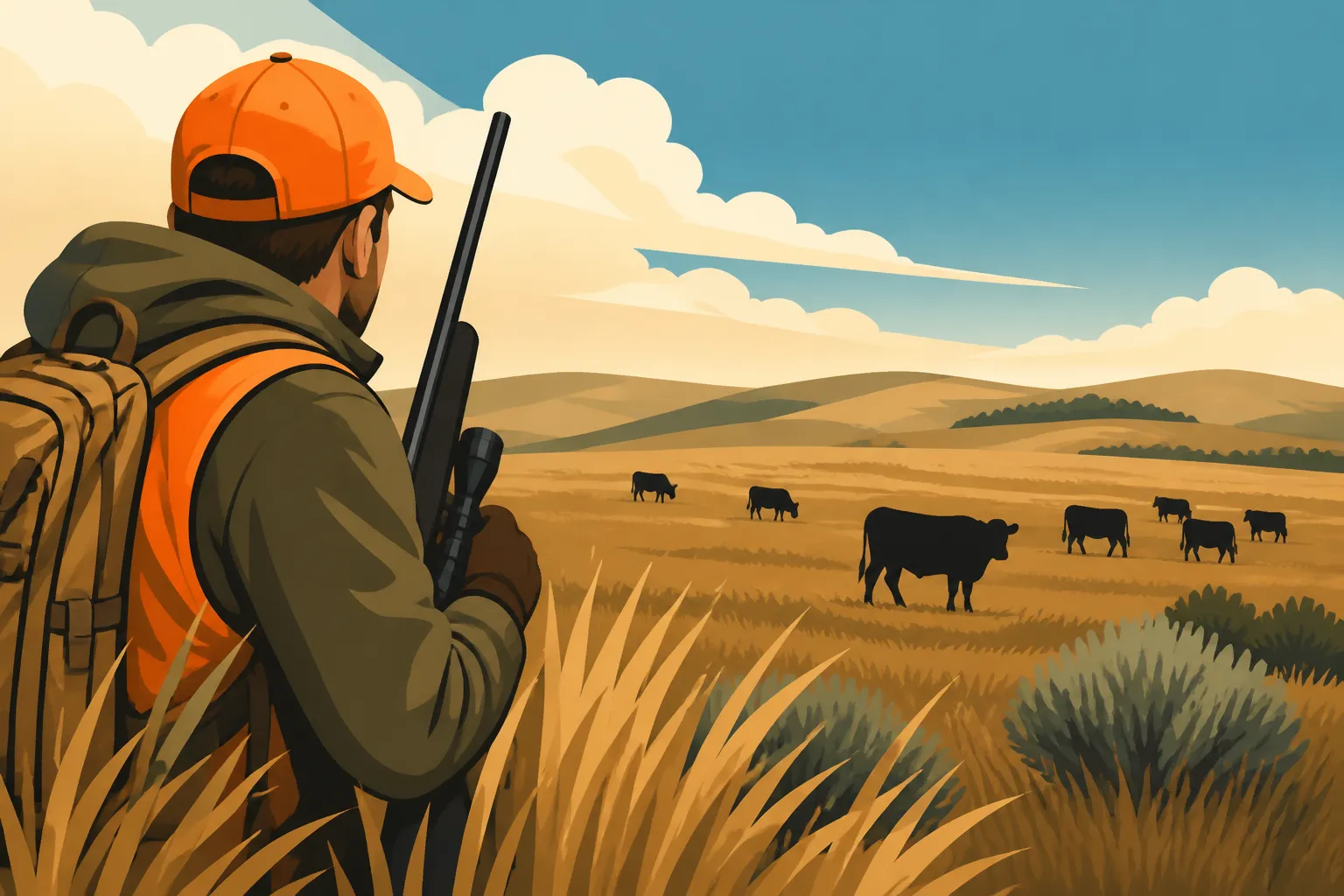
It’s a scenario many Saskatchewan hunters face: you’ve scouted a promising quarter, full of cover and prime habitat, only to pull up and see a herd of cattle quietly grazing. Suddenly, that ideal spot feels a lot more complicated. Hunting ground with cattle on it can be incredibly productive, but it also comes with a unique set of challenges and responsibilities. This guide is all about helping you understand how to navigate these situations safely, ethically, and successfully, ensuring a good hunt for you and respecting the rancher's livelihood.
Understanding Why Cattle Are There and Why It Matters
When you’re out scouting or hunting, encountering livestock, particularly cattle, is a common occurrence in many parts of Saskatchewan. It’s not just a random thing; these animals are usually there for a very specific purpose, tied to agricultural operations that form the backbone of our province. Understanding why they're there is the first step to hunting these areas effectively and respectfully.
Common Land Types with Grazing Leases
Saskatchewan has vast tracts of land, and much of it is used for agriculture. This includes both privately owned land and various forms of Crown land that are leased out for grazing. For instance, large portions of provincial pasture land or even areas designated as Wildlife Management Zones (WMZs) might be under grazing leases. These leases mean that a farmer or rancher has legal rights to graze their livestock on that land. They've often paid for that privilege, and their livelihood depends on those animals.
Think of it this way: while you might see a beautiful willow bluff that screams "deer bed!", the rancher sees a vital grazing area for their cattle. These leases often come with specific terms, and hunters need to be aware that even if it's "public" land, there's a private use element at play. It's not uncommon to find cattle on what looks like excellent habitat, because good game habitat often overlaps with good forage for livestock. Water sources, sheltered coulees, and productive grasslands attract both. This overlap means that hunters must exercise extra diligence and respect.
The Impact of Livestock on Game Movement
Cattle aren't just obstacles; their presence actually influences how game animals, especially deer, behave. Sometimes, cattle can inadvertently act as a disturbance, pushing deer or elk into thicker cover. Other times, game animals become quite habituated to the cattle, almost using them for cover themselves. I’ve seen whitetails bedded down in the same draw as a herd of cattle, seemingly undisturbed by their presence, almost as if the cattle provide a sense of security from predators like coyotes, who would also be wary of a large, protective bovine herd.
The scent of cattle can also be a factor. While deer have incredible noses, the strong scent of livestock might mask or blend with human scent in some situations, or conversely, create a "busy" scent profile that makes it harder to pick out a specific deer. Their constant grazing and movement can also impact game trails, sometimes creating shared pathways that can be confusing to interpret, or simply trampling smaller game trails, making sign harder to read. If you're Reading Sign After Fresh Saskatchewan Snow, remember to distinguish between cattle tracks and game tracks. It's a dance between domestic and wild animals, and understanding that dynamic is key to predicting game movement.
Essential Preparations Before Hunting Cattle Ground
Stepping onto land where cattle roam means you've got a little extra homework to do before you ever shoulder your rifle or nock an arrow. Proper preparation isn't just about finding game; it's about respecting property, ensuring safety for all, and maintaining positive relationships with landowners and leaseholders.
Securing Permission and Understanding Lease Terms
This cannot be stressed enough: permission is paramount. Even if you believe the land is Crown land open to hunting, if there are cattle on it, it's almost certainly under a grazing lease. This means you must seek permission from the leaseholder, or in the case of community pastures, the pasture manager. Simply thinking "it's Crown land, I can hunt" is a recipe for trouble, leading to potential confrontations and damaging the reputation of all hunters.
Start by identifying the specific quarter section or legal land description. Mapping apps like onX Hunt are invaluable here, as they often show land ownership and can indicate Crown land, often with notations for grazing leases. Once you know who manages the land, a polite phone call or in-person visit is the way to go. Explain what you want to hunt, when, and ask about the cattle. Key questions include: Are there any specific areas the cattle tend to congregate? Are they being moved soon? Are there any sensitive areas to avoid? This conversation also gives you a chance to understand their specific expectations, like leaving gates as you found them or avoiding certain water sources. Always confirm if you can access Hunting a Grazing Lease Quarter or a community pasture. Respecting these terms fosters goodwill, which is vital for future hunting access.
Scouting for Both Game and Livestock Patterns
When scouting ground with cattle, you're doing a dual reconnaissance mission. Not only are you looking for deer, elk, or moose sign, but you're also observing the patterns of the livestock. This dual focus is critical. Use your mapping tools, like the public land layers on onX Hunt, to pinpoint potential bottlenecks, water sources, and cover areas that might attract both game and cattle. Look for distinct cattle trails versus game trails – cattle trails are typically wider, heavily worn, and often lead directly to water or mineral licks. Game trails might be more subtle, weaving through thicker cover.
Observe where the cattle spend their time. Do they prefer open pasture, or do they push into the treed bluffs during midday heat? Knowing this helps you understand when and where deer might feel more comfortable moving through. If cattle consistently occupy a certain area, game might shift their patterns to avoid those times or locations. Conversely, sometimes game will move right through a herd, especially in low light. Pay attention to water sources and feed areas; both cattle and game need these, and they often lead to concentrations of animals. When Scouting With Satellite Imagery in Saskatchewan, look for these features before you even set foot on the ground. Understanding these intertwined patterns will help you plan your approach and increase your chances of finding game without disturbing livestock.
Strategies for Hunting Effectively and Ethically
Successfully hunting ground with cattle requires a blend of keen hunting skills and an unwavering commitment to safety and ethics. It's not just about bagging an animal; it's about being a responsible land user and ensuring that you leave the area in the same or better condition than you found it, with minimal impact on the rancher's operation.
Approaching the Hunt Safely and Respectfully
When you're out there, safety is your top priority, especially when cattle are in the mix. Your movements need to be deliberate and quiet. Avoid spooking the cattle; a stampeding herd can not only be dangerous but can also push game out of the area for miles. Walk slowly, talk softly, and give them a wide berth. If they see you, they might be curious, but generally, they'll just watch you or slowly move away. Never try to "haze" or move cattle yourself; that's the rancher's job.
Crucially, never, ever take a shot if there's any chance of hitting a domestic animal. This means having an absolutely clear shot at your target, with a solid, identifiable backstop, and no cattle anywhere near your line of fire. It sounds obvious, but in the heat of the moment, with a big buck appearing, mistakes can happen. Take that extra second to confirm, and if there's any doubt, let the animal walk. Remember, you're a guest on this land. Being visible to others, especially ranchers, can also be a good idea. Wear appropriate blaze orange as required by law, not just for safety from other hunters, but so a rancher checking on their herd knows you're there and can identify you as a hunter, not a threat.
Utilizing Cover and Terrain Around Grazing Areas
Game animals, particularly whitetails and mule deer, are masters at using the landscape to their advantage, and this includes navigating areas with livestock. Instead of trying to hunt directly in the open pasture where cattle are grazing, focus your efforts on the transition zones and natural cover adjacent to these areas. Think about the shelterbelts, the deep coulees, the poplar bluffs, and the willow runs that border a pasture. These are prime locations where deer will stage before entering a field, bed during the day, or travel between food and bedding areas.
For example, a whitetail buck might hold tight in a thick willow run along the edge of a pasture all day, only venturing out into the open field to feed once the sun begins to set and the cattle are bedded down or moved to another section. Mule deer often use the breaks and draws in Hunting a Prairie Coulee System that weave through grazing land. Consider hunting the wind along these edges, setting up a stand or ground blind where you have good visibility of both the field and the cover. Often, the best time to catch game moving in these areas is during the low-light hours of dawn and dusk, when livestock activity might be minimal. If you're looking for Hunting a Shelterbelt Row in Open Prairie, this can be an excellent spot. These edges allow game to feel secure while still being close to a food source.
Handling a Harvest When Cattle Are Nearby
Okay, you’ve made a clean shot, and your animal is down. Now what? The presence of cattle adds another layer to your recovery process. First, try to field dress your animal away from watering holes, mineral licks, or primary cattle congregation areas. You want to minimize any impact on their grazing patterns or water quality. This might mean dragging your animal a bit further than you normally would, but it's a small price to pay for being respectful.
Be prepared to work efficiently. Having a partner can be a huge help for field dressing and getting the animal out. If you're Field Dressing in Saskatchewan's Deep Cold, you'll appreciate the speed even more. If the cattle are particularly curious, you might need to try and shoo them away gently, or simply wait for them to lose interest. Again, don't be aggressive or try to "herd" them. The goal is to retrieve your game as quickly and cleanly as possible, causing the least amount of disturbance to the rancher’s livestock and land. Always consider your exit plan before you even pull the trigger.
Common Challenges and Solutions
Hunting on ground shared with cattle presents some unique challenges that you won't typically encounter on pristine wilderness lands. Knowing these potential issues beforehand and having a plan to address them can save you a lot of headache and ensure a more enjoyable, stress-free hunt.
Dealing with Curious or Protective Cattle
Cattle are, by nature, curious creatures. You might find them slowly approaching you, especially if you're sitting still for an extended period. Generally, this curiosity is harmless. The best approach is to remain calm, avoid sudden movements, and speak in a low, even tone. They will usually eventually lose interest and wander off. However, there are times when caution is needed. Cows with young calves can be protective, much like any mother animal. If you find yourself near a cow and her calf, give them a wide berth. Do not get between them. Move slowly and deliberately away from them, creating distance.
It's vital to remember that these are someone's animals, and they are not yours to harass or move. Never yell, throw objects, or try to run them off forcefully. This can stress the animals, potentially cause injury to them or to you, and will certainly lead to a negative interaction with the leaseholder. Your role is to be a respectful guest. If cattle are truly impeding your hunt or recovery and won't move on their own, the most ethical solution is to contact the leaseholder or pasture manager. They know their animals best and can advise you or even move the herd if necessary.
Navigating Fences and Gates
Fences are a reality of hunting agricultural lands, and they're particularly prevalent on grazing leases. These fences are there to keep livestock contained, and they represent a significant investment and daily maintenance task for the rancher. Your cardinal rule here is: always leave gates as you found them. If a gate is closed, close it behind you. If it's open, leave it open. This is not a suggestion; it's a fundamental aspect of land etiquette. Leaving a gate open when it should be closed can lead to cattle getting out, mixing with other herds, or wandering onto roads, potentially causing huge problems and financial losses for the rancher.
When crossing fences, do so carefully to avoid damaging the wire or posts. Don't climb directly over wire strands, especially barbed wire. Look for designated fence crossings, or if none exist, find the sturdiest post or saggiest spot to cross with minimal impact. Consider carrying a small section of rubber hose or an old coat to drape over the top wire to protect it (and yourself) while crossing. Knowing your exact boundaries, perhaps using a reliable GPS app like onX Hunt or GoHunt that displays property lines, helps ensure you don't inadvertently damage a fence that isn't even on the property you have permission for. Properly navigating Hunting a Fence Line Between Quarters is a skill every hunter needs.
Understanding Liability and Regulations
When you step onto someone else's property, whether private or leased Crown land, you assume certain responsibilities and liabilities. This is why securing explicit permission is so crucial. If you injure livestock, damage property, or cause a problem for the rancher, you could be held liable. This is a serious consideration and underscores the importance of exercising extreme caution and good judgment.
Always be familiar with Saskatchewan Landowner Permission Law and the Saskatchewan Trespass Penalties for Hunters. These laws are in place to protect landowners and their operations. Understanding them means you know your rights and responsibilities, which ultimately protects you. Beyond the legal aspects, there's the moral obligation to be a good steward of the land and a good neighbor. A hunter who respects the land, the livestock, and the leaseholder is far more likely to be welcomed back than one who causes problems. Common sense and courtesy go a long way in ensuring continued access to these valuable hunting grounds.
| Aspect | Hunting Ground Without Cattle | Hunting Ground With Cattle |
|---|---|---|
| Permission | Often implied on certain Crown lands; direct if private. | Always explicit from leaseholder/landowner, even on Crown. |
| Safety Concerns | Other hunters, natural hazards, terrain. | Livestock (curiosity, protection), fences, rancher activity. |
| Game Movement | Influenced by food, cover, pressure, weather. | Also influenced by cattle presence, movement, and habituation. |
| Shot Selection | Clear target, clear backstop. | Clear target, clear backstop, no cattle in vicinity. |
| Post-Harvest | Focus on field dressing and extraction. | Field dressing away from cattle areas, minimal disturbance. |
| Infrastructure | Natural terrain, maybe old fences. | Active fences, gates, water troughs, mineral licks. |
| Key Mindset | Focus on game and surroundings. | Focus on game, surroundings, AND livestock/rancher needs. |
Disclaimer
This article is for general informational purposes only and does not constitute professional advice. Laws, prices and regulations vary by location and change over time. Consult a qualified professional for guidance on your specific situation.