Hunting the Allan Hills Country
When you're looking at a map of Saskatchewan, there are always those spots that just look like they should hold game, even if they're not the classic 'forest fringe' or 'deep boreal'. The Allan Hills Country is one of those places – a beautiful, often overlooked expanse that can be incredibly rewarding for the hunter willing to put in the effort. It's a landscape of subtle contours and hidden pockets, where success often comes down to keen observation and respectful interaction with landowners. This guide is all about peeling back the layers of this unique hunting region, offering insights into its geography, the game you'll find, and how to approach hunting it responsibly.
Exploring the Unique Landscape of the Allan Hills Country
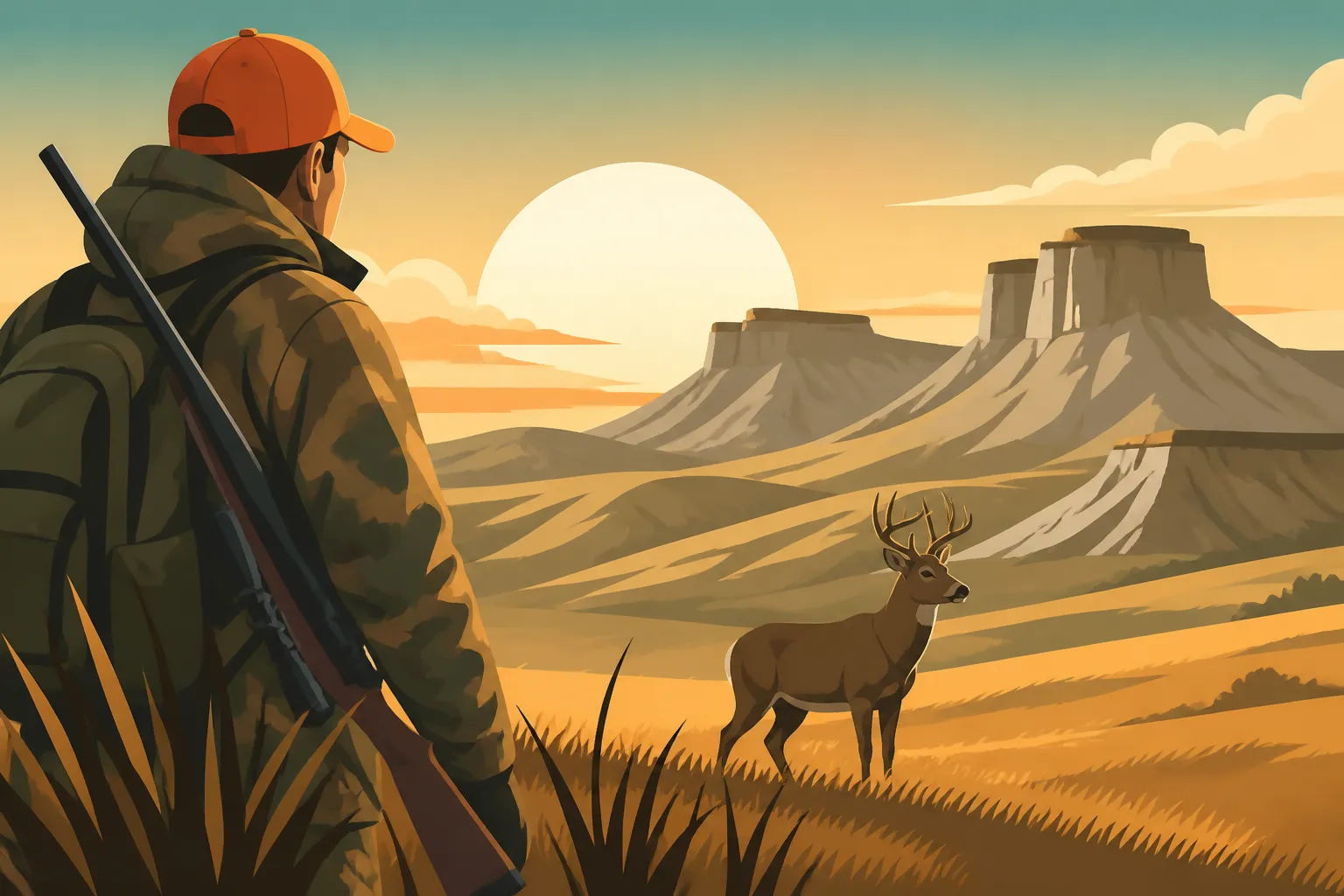
The Allan Hills aren't a towering mountain range, but rather a system of rolling hills, deep coulees, and aspen bluffs that break up the vast agricultural fields of central Saskatchewan. This region offers a fascinating blend of habitats, making it a compelling destination for a variety of game species. Understanding this unique topography is the first step to unlocking its hunting potential.
Geography and Habitat: A Hunter's Hidden Gem
Imagine driving through endless flat prairie, then suddenly, the land begins to undulate. That's the Allan Hills in a nutshell. Here, glacial deposits have created a landscape of gentle slopes, steep-sided draws, and isolated pockets of deciduous forest – primarily aspen and poplar, with willow thickets nestled in low-lying areas and along waterways. These tree lines and bluffs provide crucial cover, thermal protection, and bedding areas for game, especially when winter winds start to whip across the open fields. The interspersed agricultural land, with its crops of wheat, canola, and barley, acts as a massive food pantry, drawing deer and other wildlife out of the cover. This mosaic of habitat is what makes the Allan Hills so special; it's a constant interplay between food sources and refuge, creating a dynamic environment for hunters.
The coulees, or river valleys, that cut through the hills are particularly important. These natural corridors often contain denser brush, water sources, and more consistent cover than the surrounding uplands. They serve as travel routes, bedding areas, and safe havens, especially during hunting pressure or harsh weather. Exploring these coulee bottoms and their associated slopes can reveal incredible sign, from well-used deer trails to rub lines and scrapes. They also offer natural funnels and pinch points that can be strategically used for stand placement or ambushes. Furthermore, the sheer scale of some of these coulee systems means that game can retreat deep into them, remaining unpressured for extended periods.
Beyond the major coulees, you'll also find numerous smaller draws and shallow depressions that might not look like much on a map, but can hold surprising pockets of game. These often contain denser stands of willows or low-lying shrubs that provide excellent bedding, especially for whitetails looking for an escape from the wind. These smaller features are often overlooked by hunters who stick to the more obvious cover, making them prime spots for those willing to venture a little further. Pay close attention to how deer use these features to move between feeding areas in the fields and more secure bedding in the larger bluffs or coulees. It's often in these subtle transitions that you find success.
Primary Game Species: What You'll Find Here
The Allan Hills are perhaps best known for their white-tailed deer, which thrive in this mix of agricultural abundance and dense cover. You'll find healthy populations, and with the right strategy, the potential for mature bucks is definitely there. These deer utilize the standing crops and harvested fields for food, then retreat into the security of the aspen bluffs, willow draws, and deeper coulees for bedding. Their patterns often revolve around these transitions, making mornings and evenings prime hunting times as they move to and from feeding grounds. Don't underestimate the size and resilience of these deer; a mature Allan Hills buck can be a formidable challenge, especially when he knows the country.
While whitetails are the stars, the Allan Hills also host a respectable population of mule deer, particularly in the rougher, more open coulee systems of the western edges of the region. Unlike their whitetail cousins who prefer dense cover, mule deer often prefer the more open, broken terrain where they can use their exceptional eyesight to spot threats from a distance. Look for them on south-facing slopes, soaking up the sun, or moving along the ridges and benches within the coulees. Spot-and-stalk tactics often shine when Hunting Mule Deer in Prairie Coulees. It's not uncommon to glass a herd of mulies enjoying a sunny afternoon in a sheltered draw, completely oblivious to what might be approaching from above.
Beyond big game, the Allan Hills offer excellent opportunities for upland birds like sharp-tailed grouse and Hungarian partridge. The "Huns," as they're affectionately known, are particularly abundant in this mixed agricultural landscape, often found along field edges, shelterbelts, and abandoned farmyards. Hunting Hungarian Partridge on Saskatchewan Farms can be a fast-paced and exciting experience, often involving walking up coveys that explode from cover. Sharp-tailed grouse prefer the native grasslands and brushy hillsides, particularly where there's good quality cover for roosting. And of course, coyotes are ever-present, offering year-round hunting opportunities for those interested in predator calling. This diversity means you can often combine several types of hunting into a single trip, making the most of your time in the field.
Navigating Access in the Allan Hills: Public, Private, and Permission
Hunting in Saskatchewan, especially in regions like the Allan Hills, requires a solid understanding of land ownership and the importance of permission. While there is Crown land available, much of the most productive habitat is privately owned, making landowner relations absolutely paramount for a successful and ethical hunt.
Understanding Land Ownership: The Crucial First Step
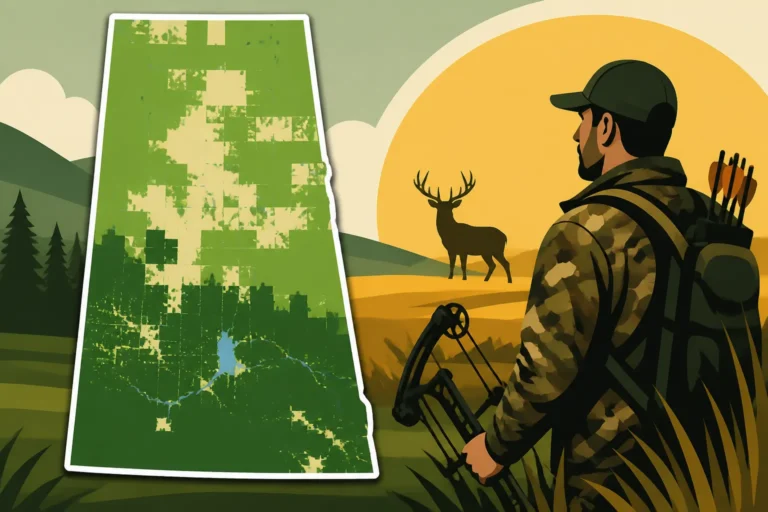
Saskatchewan has a mix of private land, provincial Crown land, and federal lands. In the Allan Hills area, a significant portion of the land is privately owned farmland or pasture, often with interspersed blocks of Crown land. It’s a checkerboard pattern that can be confusing if you don’t do your homework. Hunting on private land without explicit permission is not only illegal but also damages the reputation of all hunters, making it harder for everyone to gain access in the future. The simple fact is that ignoring "No Hunting" signs or assuming access will quickly get you into trouble and close doors permanently. Always verify land status before you even step foot on a property.
Crown land, also known as public land, is generally open to hunting, but even here, there can be specific rules or restrictions. For example, some Crown land might be leased to ranchers for grazing, and while hunting is usually permitted, vehicle access might be restricted to prevent damage to pastures or to respect livestock. Some areas might also be part of Wildlife Management Zones (WMZs) with specific regulations. Always check the current Saskatchewan Hunting Guide for details on the specific WMZ you plan to hunt. Using mapping tools like onX Hunt can be incredibly helpful for identifying public land boundaries and distinguishing them from private holdings, literally showing you property lines in real-time on your phone.
Tools for Scouting and Securing Permission
Before you even leave your driveway, you should be doing extensive digital scouting. Satellite imagery, available through tools like onX Hunt or GoHunt, allows you to identify potential bedding areas, travel corridors, water sources, and pinch points from the comfort of your home. You can mark potential access points, identify areas of thick cover, and even get a sense of crop rotations in agricultural fields. This virtual reconnaissance saves countless hours of aimless wandering in the field. Once you've identified promising areas, you can overlay property boundaries to determine who owns the land. Scouting With Satellite Imagery in Saskatchewan is a game-changer for modern hunters.
Once you know who owns the land, the next step is to secure permission. This is where your interpersonal skills come into play. Many hunters find success by Knocking on Doors in Saskatchewan Farm Country well in advance of the season. Dress respectfully, be polite, and introduce yourself. Explain what you're hoping to hunt and where. Offer to share some of your harvest or help with chores if they're agreeable. It's about building a relationship, not just getting a "yes." A simple phone call can also work, but meeting face-to-face often builds more trust. Always get clear instructions on where you can hunt, where you can park, and any specific areas to avoid (e.g., around farm buildings or livestock). Carry a written permission slip with you; it protects both you and the landowner.
Strategic Hunting Approaches for Allan Hills Game
Hunting the Allan Hills requires adaptable strategies, blending tactics typically used in prairie settings with those more suited for mixed forest and parkland. The key is to understand how deer and other game use the diverse habitats.
Whitetail Deer: Adapting to the Parkland Blend
For whitetail deer in the Allan Hills, understanding their movements between cover and food is crucial. During the early season, when crops are still standing, deer will often bed deep within the fields themselves, or in adjacent bluffs and dense willow thickets. As crops come off, they rely more heavily on the aspen bluffs and coulee systems for daytime cover. Hunting Whitetails on Saskatchewan Farmland often means focusing on the edges of standing crops, shelterbelts, and wooded draws at dawn and dusk. Setting up a treestand or ground blind along a well-used trail leading from a dense bluff to a field can be incredibly effective.
When the rut kicks in, typically in early to mid-November, the dynamics change. Bucks become far more active, cruising through cover in search of does. This is an excellent time to try rattling or grunt calling, especially in areas with good buck sign. The rolling terrain and numerous bluffs in the Allan Hills lend themselves well to these tactics. Find a vantage point that overlooks a series of bluffs and draws, and periodically try a rattling sequence. Bucks might come in cautiously, circling downwind, so be prepared for a shot from any direction. Sitting all day in a blind, especially during the peak rut, can pay off with a big buck. Hunting the Rut in Early to Mid November is a prime time to be in the Allan Hills.
Later in the season, when snow covers the ground, whitetails will seek out the thickest thermal cover they can find. South-facing slopes in deep coulees, dense spruce or pine pockets (where they exist), and the leeward side of large aspen bluffs become key bedding areas. Snow also helps reveal fresh tracks, making still-hunting or tracking a viable option. Focus on these heavy cover areas during the mid-day, as deer will often be bedded down to conserve energy. Pay attention to changes in wind direction and hunt accordingly. Where Saskatchewan Whitetails Bed in Snow will be crucial knowledge.
Mule Deer: Glassing the Draws and Breaks
Mule deer in the Allan Hills typically prefer the more open, broken country, especially the larger, intricate coulee systems. They rely on their keen eyesight and the undulating terrain to evade predators. The most effective strategy for mule deer here is often spot-and-stalk. This involves using high-quality optics to systematically glass distant hillsides, coulee bottoms, and ridge lines, searching for deer. A good pair of binoculars and a spotting scope are indispensable. Climb to a vantage point at first light and spend considerable time picking apart the landscape, looking for even the smallest hint of a deer – an ear, a patch of hide, or the tell-tale horizontal line of a deer’s back.
Once you’ve spotted a buck, the real challenge begins: planning and executing a stalk. The terrain, while offering cover, can also be tricky, with swirling winds and loose footing. Take your time, use all available cover, and constantly check the wind. Mule deer often bed on benches or ledges within the coulees, where they can watch their backtrail and the terrain below. Approaching from above and keeping the wind in your face are often the best tactics. Remember that mule deer are less prone to bolt than whitetails, often pausing to look back, which can give you a second chance if your first approach isn't perfect. Glassing a Saskatchewan Coulee for Mule Deer is an art form you'll want to master here.
Upland Birds and Predators: Opportunity Awaits
For sharp-tailed grouse and Hungarian partridge, the Allan Hills offer fantastic walk-up hunting. Sharptails will be found on the native grassland hillsides and in brushy areas bordering fields. Walk these areas slowly, paying attention to any movement. A flushing dog can be a huge asset for locating birds and retrieving downed ones in thicker cover. Huns, as mentioned, love agricultural fields, especially those with some cover like shelterbelts, fence lines, or stubble fields. Walk along these linear features, and be ready for coveys to erupt. These birds hold tight, so you might be right on top of them before they flush. Hunting a Shelterbelt Between Two Fields is a classic Hun tactic in this country.
Coyote hunting in the Allan Hills is a year-round pursuit, but it's especially productive in the winter when they stand out against the snow and are often concentrated around available food sources, like deer carcasses or farmyards. Calling is the primary method, using distress calls or coyote vocalizations to draw them in. Set up with a good backdrop to break up your silhouette, ensure you have clear shooting lanes, and pay careful attention to the wind. Coyotes have an incredible sense of smell and will circle downwind to get your scent. Setting up quickly and quietly is essential. The rolling terrain provides good opportunities for ambushes, as you can often set up just below the skyline, making your approach undetected.
Seasonal Considerations and Respectful Hunting Practices
Hunting in the Allan Hills, like anywhere in Saskatchewan, means being prepared for whatever Mother Nature throws your way. It also means upholding the highest standards of ethics and respect for the land and its people.
Adapting to the Saskatchewan Seasons
The hunting season in the Allan Hills spans from late summer/early fall through the frigid depths of winter, and each period presents its own challenges and opportunities. Early archery seasons (often starting in late August or early September) can be hot, buggy, and frustrating, as deer patterns are often tied to specific crop fields that provide both food and cover. Later, as fall progresses and rifle seasons open, the weather cools, crops come off, and deer patterns become more predictable, moving between secure cover and remaining food sources. Hunting Saskatchewan's September Archery Opener can be very different from Hunting the December Late Season Cold.
The late season, especially November and December, often brings snow and significantly colder temperatures. While challenging, this can be incredibly rewarding. Snow makes tracking easier, and deer are often concentrated in prime wintering areas, seeking thermal cover. However, access can become an issue as secondary roads and field approaches can drift in with snow. Always ensure your vehicle is well-equipped for winter travel, and let someone know your plans. Being prepared for extreme cold, with appropriate layering and emergency gear, is non-negotiable. Winter Truck Kit for a Saskatchewan Hunt should be on every hunter's checklist for these late-season adventures.
Ethical Hunting and Community Engagement
As I've said before, securing permission is just the beginning of a good relationship with landowners. Always hunt ethically, following all regulations, and leave no trace behind. Pack out everything you pack in, and if you see any trash left by others, consider picking it up. A good hunter is a steward of the land. If you've been granted permission, a thank-you gift, whether it's a card, a box of chocolates, or some fresh game meat, can go a long way in fostering goodwill for future seasons. Remember, landowners are granting you a privilege, not an entitlement.
Saskatchewan has clear rules regarding posted land and trespass, and it's essential to understand them. Saskatchewan Posted Land Sign Rules are designed to communicate the landowner's wishes clearly. Always look for signs and respect their message. If you are unsure whether a piece of land is private or Crown, or if you require permission, default to seeking permission. It's always better to ask than to assume. By respecting private property and being a responsible hunter, you contribute positively to the overall perception of hunting in the Allan Hills and across Saskatchewan.
Ultimately, hunting the Allan Hills is a journey into a unique corner of Saskatchewan, demanding preparation, patience, and a deep respect for the land and its owners. It's not always easy, but the rewards—a challenging hunt, beautiful scenery, and the chance to connect with local landowners—are well worth the effort.
| Species | Typical Allan Hills Habitat | Common Hunting Method | Best Season for Success |
|---|---|---|---|
| Whitetail Deer | Aspen bluffs, willow draws, crop field edges | Stand/Blind hunting, rattling | Mid-October to Mid-November |
| Mule Deer | Deep coulees, open slopes, broken terrain | Spot-and-stalk, glassing | Late September to Mid-October |
| Hungarian Partridge | Field edges, shelterbelts, farmyards | Walk-up, flushing dog | September to October |
| Sharp-Tailed Grouse | Native grasslands, brushy hillsides | Walk-up, flushing dog | September to October |
| Coyote | All habitats, especially near farms | Calling, still-hunting | Year-round, best in winter |
Disclaimer
This article is for general informational purposes only and does not constitute professional advice. Laws, prices and regulations vary by location and change over time. Consult a qualified professional for guidance on your specific situation.