Ammunition Rules at the Border
Crossing the border into Canada, especially with firearms and ammunition for a hunting trip, can feel like navigating a minefield of regulations. It's a completely understandable anxiety; no one wants to run into trouble with border services, especially when you've got a fantastic Saskatchewan hunting adventure planned. This guide is here to untangle the complexities of ammunition rules at the border, ensuring your entry is as smooth as a fresh fall of snow.
Understanding Canadian Ammunition Regulations for Hunters
When you're gearing up for a hunting trip to Saskatchewan, knowing the ins and outs of Canadian ammunition laws is just as crucial as having the right calibre for your quarry. The rules are designed for public safety and control, and while they might seem a bit different from what you're used to, they’re fairly straightforward once you understand them. It’s not about making things difficult; it’s about maintaining a secure environment.
General Principles of Ammunition Import
First and foremost, any ammunition you bring into Canada must be for a non-restricted firearm that you are legally importing. This is a critical point. You cannot bring ammunition for handguns (restricted firearms) or any prohibited firearms, as non-residents generally cannot import these for hunting purposes. Shotgun shells, rifle cartridges, and rimfire ammunition all fall under specific regulations. The key is to remember that Canadian law differentiates between the firearm type, and this distinction directly impacts what ammunition is permissible. If you’re carrying a rifle for Whitetail Hunting in Saskatchewan or a shotgun for Waterfowl Hunting Saskatchewan's Grain Fields, the ammunition for those specific, legally imported firearms is what you need to focus on.
What is Considered Ammunition?
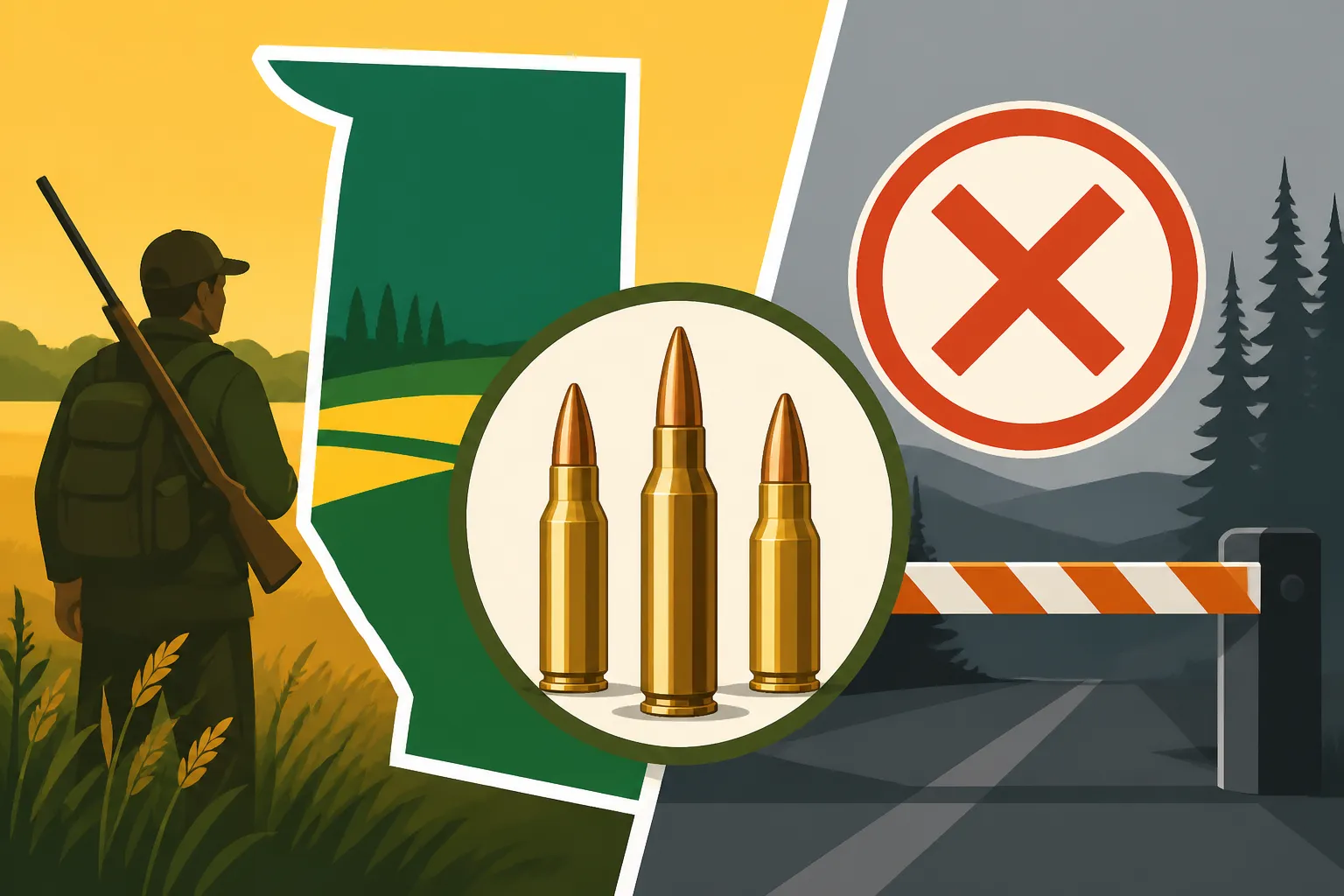
For border purposes, "ammunition" generally refers to loaded cartridges or shotshells. This means the complete, ready-to-fire round. Components like primers, empty cases, bullets, or propellant (gunpowder) are also regulated, but loaded ammunition has the most immediate impact on hunters crossing the border. While you might reload your own rounds at home, for your hunting trip, it's generally recommended to bring factory-loaded ammunition in its original packaging. This makes identification easy for border officials and reduces any potential confusion or delays.
Specific Rules for Hunting Ammunition
Now, let's get into the nitty-gritty of what you can actually bring for your hunt in Saskatchewan. These specifics are vital to avoid any unwelcome surprises at the port of entry.
Quantity Limits and Calibre Restrictions
For non-residents, you can generally import up to 5,000 rounds of ammunition per person, provided it is for the specific non-restricted firearms you are declaring and importing. This quantity is usually far more than any hunter would need for a single trip, so for most, it's not a limiting factor. The ammunition must match the calibre or gauge of the firearms you are bringing. For example, if you declare a .30-06 rifle, you can bring .30-06 ammunition. If you're bringing a 12-gauge shotgun, then 12-gauge shells are what you need. Mixing and matching calibres for firearms you aren't bringing, or bringing ammunition for a firearm type you cannot legally import, will cause significant issues. For hunters researching various trip options, platforms like BookYourHunt often connect you with outfitters who can provide advice on these practicalities specific to their hunts, ensuring you're well-prepared.
Storage and Packaging Requirements
Proper storage and packaging are not just good practice; they are legally mandated. All ammunition must be securely packaged and transported. The best and simplest approach is to keep it in its original manufacturer's box. This clearly indicates the calibre, type, and quantity. When travelling, ammunition should be stored separately from firearms and locked away. This usually means in a separate, locked hard-sided case that cannot be easily accessed. Never just toss loose rounds into a duffel bag or leave them exposed in your vehicle. Border agents will be looking for safe and secure transportation. This meticulous attention to detail is something seasoned hunters appreciate, often discussed in forums and resources found on sites like GoHunt, where hunters plan every aspect of their expeditions.
Here's a quick overview of ammunition types and common transport requirements:
| Ammunition Type | General Quantity Limit (per person) | Packaging Recommendation | Storage Recommendation |
|---|---|---|---|
| Rifle Cartridges | Up to 5,000 rounds | Original factory boxes | Locked, hard-sided case, separate from firearm |
| Shotgun Shells | Up to 5,000 rounds | Original factory boxes | Locked, hard-sided case, separate from firearm |
| Rimfire Ammunition | Up to 5,000 rounds | Original factory boxes | Locked, hard-sided case, separate from firearm |
| Components (e.g., Powder, Primers) | Specific permits/restrictions | Manufacturer's containers | Highly restricted, generally not for non-residents |
It's important to note that specific components for reloading, like bulk gunpowder or primers, have much stricter import rules, often requiring special permits. For the vast majority of non-resident hunters, bringing factory-loaded ammunition is the only practical and permissible option.
Navigating the Border Crossing Process
The actual border crossing is where all your preparation comes together. Honesty, clarity, and patience are your best friends here.
The Non-Resident Firearm Declaration Form
This form is your primary document for importing firearms and, by extension, your ammunition. When you complete The Non-Resident Firearm Declaration form, you'll declare not only your firearms but also your intent to bring ammunition. The form itself doesn't detail the number of rounds, but it's part of the overall declaration process. You fill this out in triplicate, present it to a Canada Border Services Agency (CBSA) officer, and pay a fee. Once confirmed, it acts as a temporary licence for your firearms and an implicit approval for reasonable amounts of matching ammunition. It’s absolutely crucial to declare all firearms and ammunition. Failing to declare these items is a serious offense with severe penalties.
What to Expect During Inspection
When you arrive at the border, you will be asked about what you are bringing into Canada. Clearly and honestly state that you are importing firearms and ammunition for hunting. Have your completed Non-Resident Firearm Declaration form ready, along with any relevant hunting licences you might have already purchased or plan to purchase upon arrival. Saskatchewan Hunting Licences and What They Cost is a good resource to review beforehand. The CBSA officer will likely inspect your firearms and ammunition to ensure they match your declaration and comply with all Canadian laws. They will check calibre, type, and secure storage. They might ask about your destination (your outfitter or hunting area) and your planned activities. Be polite, cooperative, and answer all questions truthfully. Remember, they are simply doing their job to ensure public safety and compliance with the law.
Transporting Ammunition Within Saskatchewan
Once you've successfully crossed the border, the rules for transporting ammunition within Saskatchewan are still important. When driving to your hunting destination or moving between hunting areas, your ammunition should remain stored securely and separately from your firearms. While specific federal transport regulations still apply, generally, keeping it locked and out of sight is the safest bet. This also ties into good firearm safety practices, which are paramount in any hunting scenario. Always consult the official Saskatchewan hunting guide for the most current provincial rules regarding transport and possession once you are in the province.
Avoiding Common Pitfalls and Staying Compliant
Nobody wants their hunting trip derailed by an oversight at the border. Being prepared and understanding common mistakes can save you a lot of grief.
Prohibited Ammunition Types
Beyond ammunition for restricted or prohibited firearms, certain types of ammunition themselves are prohibited in Canada, regardless of the firearm. This includes:
- Incendiary, tracer, or exploding ammunition: These are absolutely not allowed.
- Armour-piercing ammunition: Also prohibited.
- Certain types of military surplus ammunition: While some military calibres are common for hunting, specific surplus loads might be an issue. Stick to commercial hunting ammunition.
When packing, double-check that none of your ammunition falls into these categories. If there’s any doubt, leave it at home and purchase suitable ammunition in Canada, or choose a different brand or type.
The Importance of Current Information
Border regulations can change, even subtly. It is always, always best to check the official Canada Border Services Agency (CBSA) website and the Canadian Firearms Program (CFP) website before your trip. These are the definitive sources for the most up-to-date information. While articles like this provide a great overview, nothing beats confirming with the official government bodies. This diligence is part of Planning a Saskatchewan Hunting Trip effectively. Many outfitters, especially those listed on platforms like BookYourHunt, will also provide guidance on these matters to their clients, knowing that smooth border crossings are crucial for a successful hunt.
What if You Make a Mistake?
If you inadvertently bring something prohibited or exceed a limit, the best course of action is immediate and honest declaration. Explain the situation to the CBSA officer. While there might still be consequences, being upfront is always better than having an undeclared item discovered. Undeclared firearms or ammunition can lead to seizure, fines, criminal charges, and being denied entry to Canada (and potentially future entry). It's a risk simply not worth taking. For this reason, many non-residents utilize services to prepare thoroughly, akin to how hunters might use GoHunt for detailed scouting reports and gear reviews, to ensure everything is accounted for.
Final Preparations for Your Saskatchewan Hunting Adventure
Beyond the strict ammunition rules, remember the broader context of your trip. Ensure you meet all requirements for Rules for Non-Residents Hunting Saskatchewan, including any necessary outfitter bookings, as many species require non-residents to hunt with a licensed outfitter. Understanding your Saskatchewan Big Game Season Dates and having the appropriate Saskatchewan's HAL Account and Licensing set up will make your trip seamless.
Taking the time to understand and adhere to Canada's ammunition rules isn't just about avoiding trouble; it’s about respecting the laws of the country you're visiting and ensuring a safe, enjoyable hunting experience. A little homework goes a long way toward a worry-free border crossing and an unforgettable hunt in the Saskatchewan wilderness.
Disclaimer
This article is for general informational purposes only and does not constitute professional advice. Laws, prices and regulations vary by location and change over time. Consult a qualified professional for guidance on your specific situation.