Becoming a Licensed Guide in Saskatchewan
Saskatchewan hunting guides need age and residency qualifications, background checks, hunter education certification, and emergency first aid skills.
Book the hunt, not the brochure.
Guided, semi-guided, and drop-camp options, which outfitters work which units, guide licensing requirements, booking timelines, and what a deposit actually covers.
Saskatchewan hunting guides need age and residency qualifications, background checks, hunter education certification, and emergency first aid skills.

Saskatchewan farm lease costs for hunting depend on geographic location, game density, and private land access terms.
Saskatchewan hunting leases secured through brokers help hunters access private land for whitetail, waterfowl, and upland birds.
Booking a return hunt with a Saskatchewan outfitter lets you leverage past success, familiarity, and established trust for success.
Saskatchewan hunting regulations and proper field dressing procedures explain how to handle your harvest after filling your tag.

Tipping etiquette for Saskatchewan hunting camp cooks and staff explains how to show appreciation for their hard work.
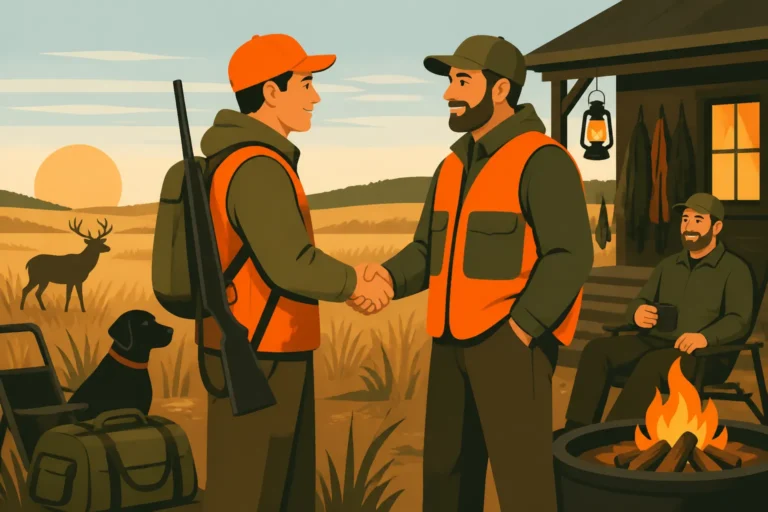
Saskatchewan hunting camp etiquette explains how to respect guide authority, share common spaces, and follow schedules.
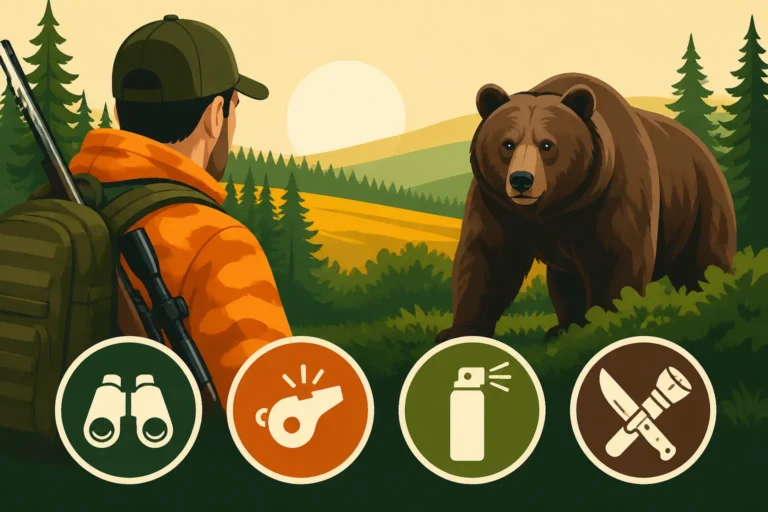
Saskatchewan bear country wildlife safety details black bear, moose, and wolf habitats, behaviors, and backcountry hunting precautions.
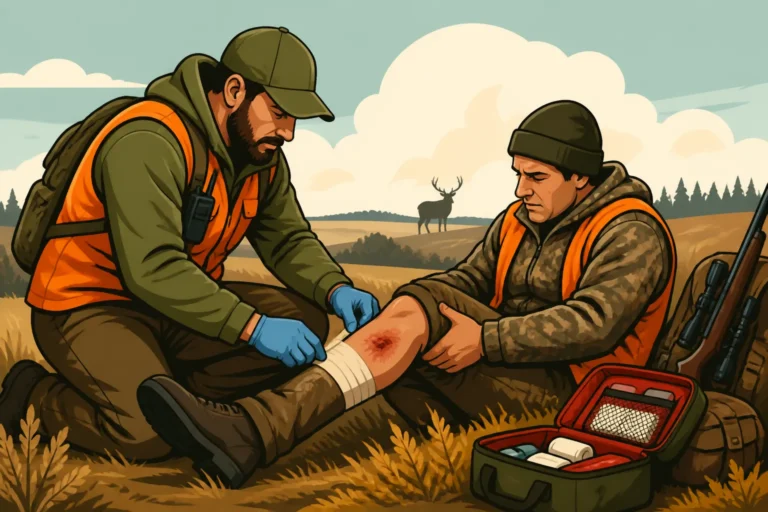
Saskatchewan hunting guides assess wilderness injuries, secure unsafe scenes, provide first aid, and coordinate emergency medical evacuations.
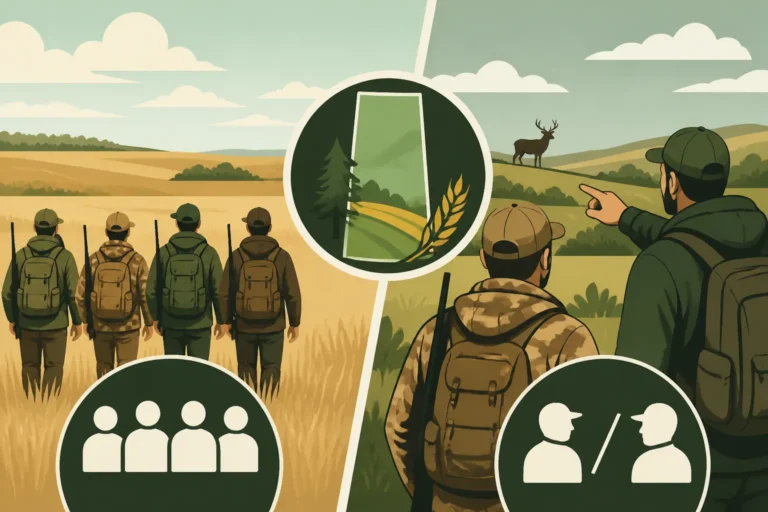
Hunter-to-guide ratios in Saskatchewan dictate personal attention, hunt flexibility, and pricing across group sizes.