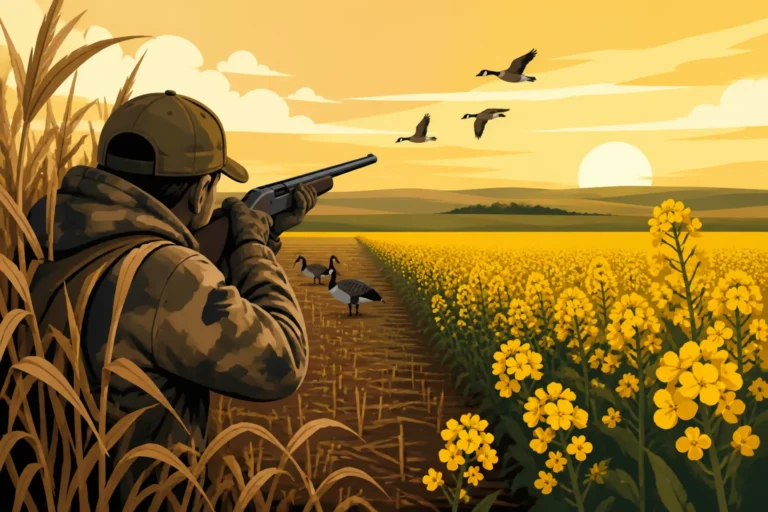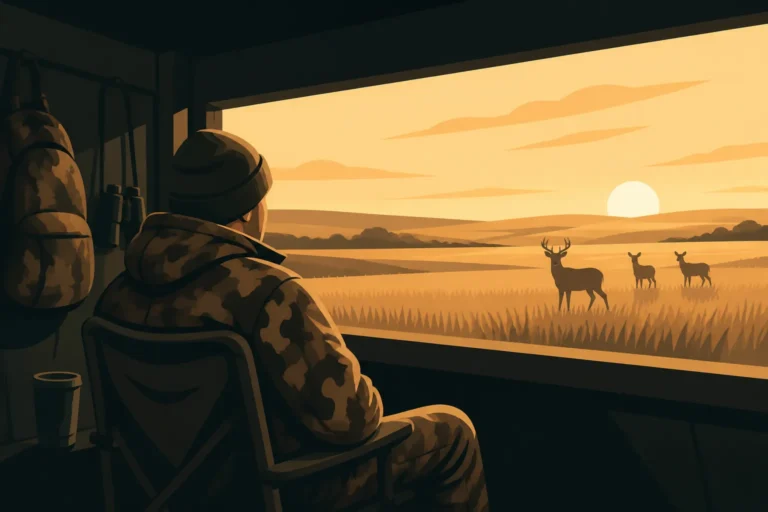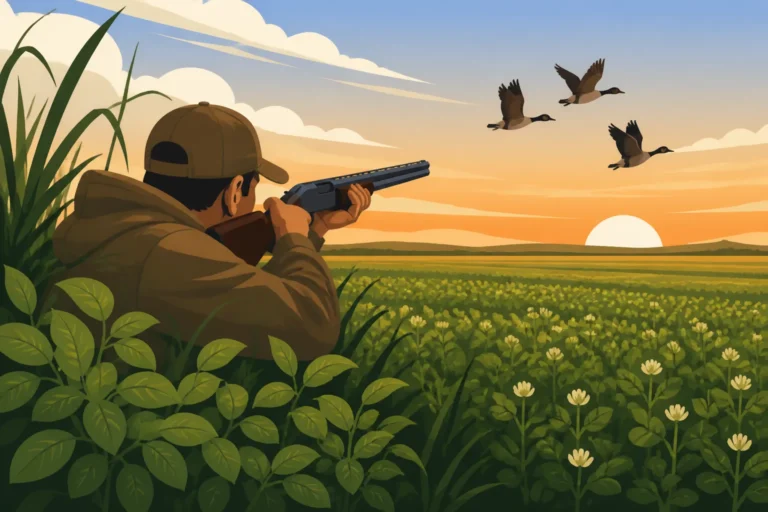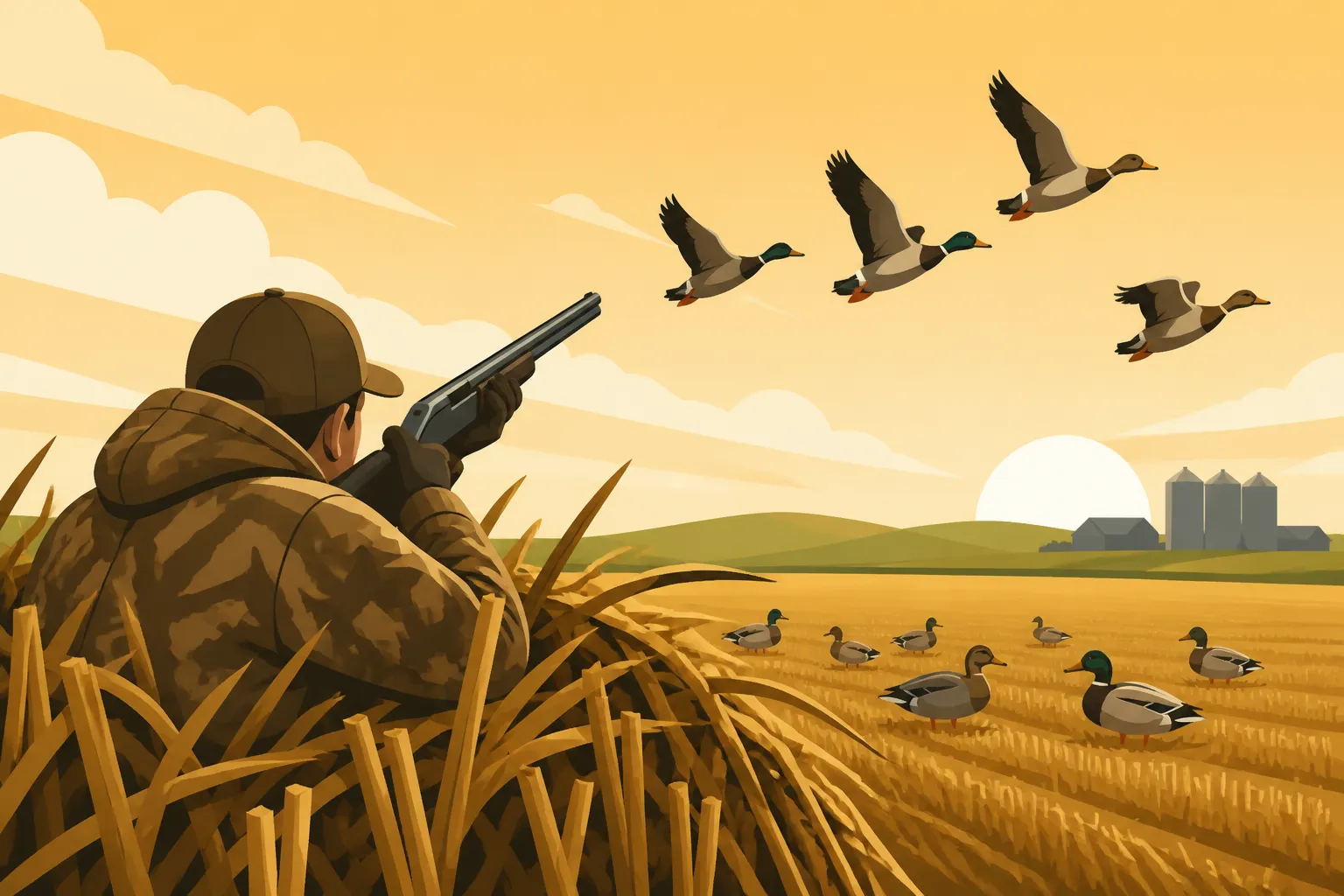
Waterfowl Hunting Saskatchewan’s Grain Fields
There's nothing quite like the heartbreak of watching wave after wave of ducks and geese buzz right over your perfectly set decoys, heading straight for the next field over, leaving you wondering what in the world you did wrong. It's a common frustration for even seasoned waterfowl hunters, especially in a place as dynamic and abundant as Saskatchewan. This guide is all about cutting through that confusion, helping you understand the unique challenges and incredible opportunities of waterfowl hunting Saskatchewan's vast grain fields, ensuring your next outing is filled with feathered success and memories that last a lifetime.
Understanding Saskatchewan's Waterfowl Bonanza
Saskatchewan, for many, is the undisputed Mecca of waterfowl hunting, and for good reason. The province sits smack dab in the middle of the Central and Mississippi Flyways, making it a critical staging area for millions of migratory birds each fall. Hunters from all over North America flock here, drawn by the promise of immense numbers of ducks and geese. But what exactly makes this prairie province such a powerhouse for waterfowl?
Why Saskatchewan is a Waterfowl Magnet
The answer lies in a perfect storm of geography, agriculture, and an abundance of water. Saskatchewan's landscape is a patchwork of vast grain fields—wheat, barley, peas, lentils, and canola—which become an all-you-can-eat buffet for migrating birds after harvest. These fields provide the crucial high-energy food sources birds need to fuel their long journeys south. Coupled with this agricultural bounty are countless potholes, sloughs, and larger lakes that serve as vital roosting and resting areas. Birds will spend their nights safely on water, then fly out to the grain fields at dawn to feed, returning to water at midday and again at dusk. This predictable roost-to-feed pattern is the foundation of successful field hunting. The sheer scale of these migrations and the abundance of resources means that, at peak times, the sky can literally be dark with birds, offering an unparalleled hunting experience.
Key Waterfowl Species in the Grain Belt
While Saskatchewan sees a wide variety of migratory birds, specific species tend to dominate the grain fields. Canada geese, from giant resident birds to smaller "cacklers," are perhaps the most iconic. They are intelligent, wary, and often require a precise setup and calling. Equally popular are the Greater White-fronted Geese, affectionately known as "Specklebellies" or "Specks." These birds are known for their distinctive high-pitched calling and are a highly prized trophy for many hunters. Then there are the Snow Geese and Ross's Geese, which often travel in massive, undulating flocks, creating a spectacle all their own.
Beyond the geese, ducks are an integral part of the Saskatchewan field hunting experience. Mallards are king, their vibrant green heads and iridescent speculums a common sight over decoys. Pintails, with their elegant long necks and distinctive tail feathers, are another popular species. You'll also encounter Northern Shovelers, Gadwall, Wigeon, and various teal species, particularly the lightning-fast Green-winged Teal. Each species has its own quirks, flight patterns, and responses to calling and decoys, making every hunt a unique challenge.
Navigating Season Dates and Bag Limits
Understanding the legal framework is paramount before you even think about setting foot in a field. Waterfowl hunting in Saskatchewan is governed by both federal and provincial regulations. You'll need to be aware of the specific Saskatchewan Duck Season Dates and Saskatchewan Goose Season Dates, which can vary by zone and species. These dates are meticulously set to ensure sustainable harvest and protect breeding populations.
Beyond just knowing the dates, every waterfowl hunter, resident or non-resident, must possess a valid provincial hunting licence along with a Federal Migratory Game Bird Permit. This federal permit is crucial for hunting all migratory game birds in Canada. Additionally, a Wildlife Habitat Certificate is required for all hunters. It's a small administrative step, but missing it can lead to serious legal issues. Furthermore, be keenly aware of the Duck Daily Bag Limit by Species and overall possession limits. These limits are in place for a reason – to ensure the long-term health of our migratory bird populations. Don't forget the cardinal rule of waterfowl hunting: only Non-Toxic Shot Requirements for Waterfowl are allowed for all migratory bird hunting. Steel, bismuth, or tungsten are your friends here, lead shot is a definite no-go. Familiarizing yourself with these regulations before your hunt saves a lot of headaches later on and ensures you're hunting ethically and legally.
Essential Scouting Strategies for Grain Field Waterfowl
Alright, you've got your licenses and know your species. Now comes the real work: finding the birds. In Saskatchewan, you don't just pick a field and hope for the best. Successful field hunting is built on diligent, respectful, and often exhausting scouting. It's an art form, a chess match where the birds are always one step ahead.
The Art of the Daily Roost-to-Feed Pattern
Waterfowl are creatures of habit, especially when it comes to their feeding and roosting patterns. They'll spend their nights on large, undisturbed bodies of water—lakes, big sloughs, or even rivers—where they feel safe from predators. As dawn breaks, often long before the sun cracks the horizon, they'll lift off en masse and head to their chosen feeding grounds: the grain fields. They'll gorge themselves, digest, and often return to water mid-morning for a rest and a drink, only to head back to the fields in the late afternoon to feed again until dusk. Your mission, should you choose to accept it, is to find that specific field, or "the X," where they are actively feeding on a given day.
This means putting in windshield time. You need to be out at first light, watching flight lines, paying attention to the direction massive flocks are heading. Is that flock of Canada geese flying low and purposeful towards that barley stubble? Are those pintails dropping into that standing pea field? These observations are gold. Then, you spend the day (or at least part of it) monitoring that field. Watch where they land, how long they stay, and when they leave. Note the wind direction, as birds almost always land and take off into the wind. This critical observation informs your decoy placement later. Don't just watch one field, either. Birds can change their feeding preference overnight, so having a few potential "Xs" lined up is always a smart move. Think of it as detective work, gathering clues to predict their next move.
Tools and Techniques for Effective Scouting
Scouting isn't just about driving around aimlessly; it's about being methodical and using the right tools. A good set of binoculars (10×42 or 10×50 are ideal) and a high-quality spotting scope are your best friends. These allow you to observe birds from a distance, without disturbing them, and identify species. You'll spend hours watching, so comfort is key. When you're out there, always try to be inconspicuous. Drive slowly, pull over safely, and don't make sudden movements that might spook birds in neighboring fields.
In today's world, technology plays a huge role. Satellite imagery, available through mapping apps like GoHunt, is invaluable. You can pre-scout areas from your couch, identifying potential roosting sloughs, access roads, and types of fields (e.g., cut stubble vs. standing crop). These apps allow you to mark potential feeding spots, permission contacts, and even obstacles like power lines or shelterbelts. They're a game-changer for navigating the vast Saskatchewan landscape. But remember, satellite imagery shows you what was there; you still need boots on the ground (or eyes from the road) to confirm what's currently happening. It's a powerful one-two punch: digital reconnaissance followed by physical verification. For more detailed guidance on this crucial step, check out Scouting Fields for Saskatchewan Waterfowl.
Securing Permission and Respecting Landowners
This cannot be stressed enough: permission is absolutely non-negotiable in Saskatchewan. The vast majority of prime grain fields are privately owned, and hunting without explicit permission is trespassing, a serious offense that can damage the reputation of all hunters. This is where your people skills are as important as your hunting skills. Approach landowners respectfully, introduce yourself, explain what you're hoping to do, and be prepared to take "no" for an answer. Often, a polite "no" today might turn into a "yes" next year if you leave a good impression.
It's best to knock on doors well in advance of the season or at least the day before you plan to hunt. Don't wait until the last minute. Bring a small token of appreciation, like a gift card for coffee or a bottle of local jam (if appropriate for the landowner), but never offer cash directly for access—it can be misconstrued. Offer to share some of your harvest if successful. Always leave the property exactly as you found it, picking up all spent shells, trash, and leaving gates as you found them. A good relationship with landowners is the golden ticket to consistent success year after year. Understanding Saskatchewan Landowner Permission Law is vital, and always respect Saskatchewan Posted Land Sign Rules, which clearly indicate if land is private and requires permission. Remember, a courteous hunter is an invited hunter, and you are an ambassador for the entire hunting community. For deeper insights on navigating this, read Getting Permission for a Goose Field.
Setting Up Your Spread for Success
Once you've secured permission and located the elusive "X," it's time to transform a barren stubble field into an irresistible magnet for passing birds. Your decoy spread isn't just a random collection of plastic; it's a carefully crafted illusion designed to replicate a confident, feeding flock, signaling safety and abundance.
Decoy Selection for Different Species
The type and number of decoys you deploy significantly impact your success, and it often varies depending on the species you're targeting. For Canada geese, full-body decoys are generally considered the gold standard. Their lifelike appearance, especially in various feeding and sentry poses, convinces wary geese. If full bodies aren't an option, high-quality shells or even "stuffers" (actual birds mounted on stakes) can work well, especially when combined with a few full bodies to add dimension. For Specklebellies, smaller full bodies designed specifically for them are best, or you can mix them in with your Canada goose spread to mimic a mixed flock.
Snow geese are a different beast entirely. Their massive flocks often require massive spreads—hundreds, sometimes thousands, of decoys. White plastic bags (sleeve decoys), white rags, or silhouette decoys are commonly used to create the sheer volume needed to attract these birds. Full bodies for Snows are great, but the cost and logistics of deploying hundreds can be prohibitive for many. For ducks, especially mallards and pintails, a smaller spread of full-body duck decoys, often placed closer to your hide, is effective. You might consider adding a few motion decoys (spinners or wobblers) to your duck spread to create movement and draw attention. The key is to create a believable, inviting scene.
Placement Strategies: The J, The Blob, and The Landing Zone
Decoy placement is where artistry meets strategy. There are several popular patterns, each with its own advantages, but the goal is always the same: to funnel birds into your optimal shooting zone, often called the "kill hole" or "landing zone." The "J" pattern is a classic for geese: a long line of decoys forming the upright of the 'J' pointing into the wind, with the hook of the 'J' creating an open landing strip downwind from your blind. Birds will naturally fly into the wind to land, often following the curve of the 'J' right into your lap.
Another popular setup is "The Blob" or "loose blob," where decoys are clustered somewhat randomly in a large mass, mimicking a feeding flock. Crucially, a clear, open space—your landing zone—is left upwind or crosswind from your blind, where you expect the birds to commit. The landing zone should be free of decoys and large enough for a flock to comfortably land. Remember, birds want to join other birds, so make your spread look like a safe, food-rich spot where they won't be crowded. Pay attention to wind direction; birds will always approach into the wind. Ensure your landing zone is positioned so that incoming birds are presenting broadside or slightly quartering shots when they cup their wings to land. If you really want to dive deep into effective layouts, give Setting a Goose Spread in Swathed Barley a read.
Hiding in Plain Sight: Blinds and Concealment
Even the most perfect decoy spread will fail if the birds spot you. Concealment is paramount. Layout blinds are the go-to for field hunting; they allow you to lie flat and emerge only when it's time to shoot. The crucial step is brushing them in thoroughly. Don't just toss a layout blind in the middle of a field; gather stubble, straw, or whatever natural vegetation is in the immediate vicinity and completely cover your blind. Break up its outline, making it disappear into the field.
A-frame blinds or panel blinds can also be effective, especially in taller stubble or along field edges where there might be some natural cover to blend with. Again, brushing them in is key. If using natural cover like a willow run or a bush bluff, ensure your camouflage blends perfectly with the surroundings. Avoid wearing anything shiny that can reflect sunlight, like watch faces or glasses. Minimize movement in the blind; a sudden shift can spook birds from hundreds of yards away. Patience and discipline in your hide will pay off handsomely when those birds finally commit.
Calling Techniques to Bring Them In
So, you've got your "X," your permission, and your perfectly brushed-in spread. Now, how do you convince those high-flying flocks to ignore all the other fields and commit to yours? This is where calling comes in. Calling is about communication, building confidence, and mimicking the sounds of a happy, contented flock already on the ground.
Mastering the Goose Calls
Goose calling is an art that takes practice, but mastering a few basic sounds can dramatically increase your success. For Canada geese, the foundation is the "cluck" – a short, sharp burst of sound, often used when birds are close and curious. The "honk" is a longer, deeper sound, used to get attention from distant birds or to communicate a sense of security. The "moan" or "groan" is a deeper, rolling sound, often indicating contentment. Learning to string these together, mimicking a conversation, is key.
When birds are far out, use louder, more aggressive "hail calls" to get their attention. As they turn and approach, lighten your calling, using softer clucks and moans to coax them closer. When they're circling directly overhead, you might "kill" your call completely, letting the decoys do the work, only to bring it back with soft contented clucks if they start to drift. Specklebellies have a distinct "laughing" call – a high-pitched, almost yodeling sound. Mastering this unique call can be deadly. Snow geese, on the other hand, are less responsive to calling and more to flagging and the sheer volume of your spread. While you can mimic their high-pitched "kows," aggressive flagging is often more effective for these large, noisy flocks.
Duck Calling for Field Mallards and Pintails
Don't underestimate the power of duck calling in the grain fields. Mallards are particularly susceptible to good calling. The basic "quack" is your starting point, but it's the "feeding chuckle" that really sells the illusion of a happy, feeding flock. This rapid, guttural series of short quacks tells incoming birds, "Hey, we found the good stuff!" A "greeting call" – a series of 5-7 descending quacks – can grab the attention of distant birds.
As with geese, vary your intensity. Use louder hail calls for birds far out, then soften it up to more seductive feeding chuckles and single quacks as they get closer. Pintails, while often responding to mallard calls, have a unique high-pitched whistle, which can be replicated with a specialized pintail whistle or even vocally. Don't overcall; let the birds work, listen to their responses, and adjust accordingly. Often, less is more once birds are committed and within range.
Flagging and Motion Decoys: The Visual Appeal
Calling is crucial, but visual cues are equally, if not more, important, especially for geese. This is where flagging comes in. A goose flag, essentially a stick with fabric wings designed to mimic a landing or flapping goose, can be incredibly effective. A single flag worked skillfully can draw the attention of distant birds, making them believe there's movement and life in your spread. As birds get closer, a few subtle flaps can convince them to commit. For Snow geese, aggressive flagging, often by several hunters simultaneously, can be the key to pulling down a big flock. The sight of hundreds of white birds flapping their wings in unison is often what breaks them off their flight path.
Motion decoys, such as spinning-wing decoys (like Mojo Decoys) for ducks or even some motorized full-body goose decoys, add another layer of realism. The movement catches the eye of birds from afar and mimics the activity of live birds. Place duck spinners strategically within your duck spread, especially on calm days when natural decoy movement is minimal. Combine your calling with appropriate flagging and motion; synchronize your efforts to create the most realistic and inviting scene possible. When a flock locks onto your spread and starts to drop, the combination of sound and motion is truly magical.
Shot Selection and Shooting Tips for Field Hunting
You've done the work, the birds are locked, wings cupped, and feet out. Now, it's time for the moment of truth. Ethical shooting and proper ammunition selection are key to clean kills and maximizing your harvest. This isn't just about pulling the trigger; it's about making every shot count.
Choosing the Right Ammunition for Waterfowl
As mentioned earlier, Non-Toxic Shot for Saskatchewan Waterfowl is a legal requirement. This isn't just a rule; it's an environmental imperative designed to protect both the birds and the ecosystems they inhabit. The most common non-toxic option is steel shot, which is affordable and effective. However, steel is lighter than lead, so you often need to go up a shot size or two to get equivalent knockdown power. For instance, if you'd normally shoot #4 lead for ducks, you might consider #2 or #3 steel. For geese, BB or BBB steel is standard.
Alternatives like bismuth and tungsten alloys are denser than steel, offering better energy retention and tighter patterns, often allowing you to use smaller shot sizes closer to what you'd use for lead. Brands like Kent Cartridge and Federal Premium offer excellent non-toxic options. While these are more expensive, they can provide a performance edge, especially for wary geese at the outer edges of your effective range. No matter your choice, ensure you're using high-quality shells appropriate for your firearm and the species you're pursuing. Always match your shot size to the target: larger, heavier shot for big geese, smaller shot for ducks.
Choke Selection and Effective Range
Your shotgun choke dictates how tightly your shot pattern holds together. For field hunting, especially over decoys, you'll often be taking shots at varying ranges. A modified choke is a versatile choice, offering a good balance of spread for close-in birds and density for those stretching out a bit. For tighter patterns and longer shots at geese, a full choke might be preferred, but be aware that it will be very tight on close birds. If you're primarily hunting ducks over decoys, an improved cylinder or light modified choke can be excellent, providing a wider, more forgiving pattern.
Crucially, you need to understand your effective range. For most hunters, with standard non-toxic loads, this is typically within 40-50 yards. Pushing shots beyond this often leads to wounded birds and clean misses, which is unethical. Pattern your shotgun with your chosen ammunition and choke combination before the season. Shoot at large paper targets at 30, 40, and 50 yards to see how your pattern looks. This practice will show you exactly how many pellets hit a typical bird's kill zone at different distances, giving you a clear understanding of your personal limitations. Knowing your gun and your load is fundamental to being a responsible hunter.
Field Etiquette and Shot Discipline
When the birds are coming in, excitement can easily take over, but maintaining discipline is vital for safety and success. First, agree on a "call the shot" person. This designated hunter (often the most experienced) will announce when it's time to rise and shoot, ensuring everyone is on the same page. This prevents hunters from jumping up prematurely and spooking the flock, or from getting in each other's way.
Once the shot is called, wait for birds to fully commit and be within effective range. Resist the urge to sky-bust at distant birds. Pick a single bird, swing through it, and follow through with your shot. Don't randomly blast into a flock; that often results in multiple wounded birds rather than clean kills. Always be aware of your shooting lanes and ensure you're not swinging your barrel towards another hunter. Safety always comes first. After the shot, be prepared for follow-up shots on wounded birds to ensure a humane retrieve. This attention to detail not only makes for a more successful hunt but also ensures you're upholding the highest standards of sportsmanship.
Logistics and Gear for a Saskatchewan Waterfowl Hunt
Hunting Saskatchewan's grain fields isn't just about decoys and calls; it's an exercise in logistics, preparedness, and having the right gear to tackle whatever Mother Nature throws your way. Being prepared can make the difference between a memorable hunt and a miserable one.
Essential Gear Beyond the Decoys and Calls
Saskatchewan weather can be notoriously fickle, especially during the fall migration. You might start your day in crisp autumn sunshine and end it battling a biting wind and snow squalls. Layering is your best friend. Invest in quality, waterproof, and windproof outer layers, as well as insulated mid-layers and moisture-wicking base layers. Good thermal socks and waterproof, insulated boots are non-negotiable for sitting motionless in a cold, damp field. Referencing Hunting Saskatchewan Winter Weather Safely will highlight just how quickly conditions can change. Don't forget a warm hat, gloves (with finger dexterity for calling and shooting), and a neck gaiter.
Beyond clothing, a sturdy thermos filled with hot coffee or soup is a morale booster on a frigid morning. Snacks are always a good idea. Consider bringing a small first-aid kit, a headlamp, and a fully charged cell phone (though service can be spotty in remote areas). A shovel, tow strap, and traction aids (like sandbags or specialized mats) should always be in your vehicle, as getting stuck in a muddy field is a rite of passage for many Saskatchewan hunters. The vastness of the prairie means you can be a long way from help, so self-reliance is key.
Vehicle Considerations and Field Access
Your vehicle is more than just transportation; it's a crucial piece of hunting gear. A reliable 4×4 truck or SUV is highly recommended, especially if you plan to access fields off main roads or venture into areas where mud or light snow might be present. Roads can quickly turn to impassable soup after a rain, and getting stuck far from help is a serious problem. Always assess field conditions before driving onto cultivated land. If it looks soft, it probably is. Park on the edge of the field and walk in, even if it means a longer haul for decoys.
Be mindful of field approaches and gate access. Always leave gates as you found them (open if open, closed if closed). Respect standing crops and never drive through them, even if it seems like a shortcut. Using mapping apps like GoHunt can help you identify established field approaches and avoid low-lying areas prone to mud. Remember, maintaining a good relationship with landowners means treating their land, and your access to it, with the utmost respect.
Post-Hunt Procedures: Game Care and Regulations
Once the shooting is done and the birds are retrieved, the work isn't over. Proper game care is essential to ensure you're taking home high-quality table fare. Field dressing your birds promptly, especially ducks, helps to cool them down and prevents spoilage, particularly on warmer days. Carry a cooler with ice to store your birds immediately after the hunt. This is where the guidance in Meat Care in Saskatchewan's Cold Snaps can be particularly useful, even in milder weather, as swift cooling is always best.
Beyond care, adherence to regulations continues after the hunt. You must keep "evidence of sex" (a feathered wing attached to the bird) for most species until the birds are transported to your primary residence or processed. This helps wildlife officers identify species and ensures compliance with bag limits. Understand the Duck Daily Bag Limit by Species and other regulations, including possession limits. Always ensure your licence and permit are easily accessible if requested by enforcement officers. Ethical hunting extends beyond the shot, encompassing respectful game handling and strict adherence to all legal requirements.
Overcoming Common Challenges in Saskatchewan Grain Fields
Even in a place as target-rich as Saskatchewan, waterfowl hunting isn't without its challenges. From unpredictable weather to wary birds, success often hinges on your ability to adapt and overcome. Understanding these common hurdles can help you prepare and stay positive, even on tough days.
Dealing with Changing Weather and Migratory Patterns
Saskatchewan weather is legendary for its unpredictability. A warm, bluebird day can turn into a blizzard overnight. This constant flux directly impacts waterfowl behavior. Strong winds can push birds off their traditional flight lines, while a sudden cold front can trigger a mass exodus of birds heading south, leaving your carefully scouted fields empty. Conversely, a major weather system can bring in a fresh push of northern birds, revitalizing a slow hunt.
The key here is adaptability. Continually check weather forecasts, not just for temperature and precipitation, but also for wind direction and speed. High winds might mean birds fly lower and commit harder to decoys, but it also makes calling and hiding more challenging. On calm days, birds can be warier and spot movement or glare more easily. If a cold front is coming, be prepared for a surge of new birds, and if a major warm spell lingers, birds might stage longer or spread out more. Don't get fixated on one plan; be ready to change your setup, your calling intensity, or even your hunting location based on the conditions. Patience, above all, is a virtue when waiting for the weather or migration to break in your favor.
Hunting Pressure and Educated Birds
Saskatchewan's reputation as a waterfowl paradise means it attracts a lot of hunters. This hunting pressure can, over time, make birds incredibly wary and "educated." Birds that have been shot at multiple times in a week will become less likely to commit to even the most perfect spread. They might circle high, unwilling to drop into range, or simply fly past altogether. This is a common frustration, especially later in the season.
To combat educated birds, you need to elevate your game. This might mean using more realistic full-body decoys, increasing the size of your spread, or employing less common patterns. Pay even closer attention to your concealment, making sure your blind is perfectly brushed in and there's absolutely no visible movement. Sometimes, silence is golden; reducing your calling or using softer, more subtle calls can make your spread seem more natural and less threatening. Avoiding popular access points and working harder to find less-pressured fields can also pay dividends. This is where thorough, discreet scouting away from the main roads can be a huge advantage. Thinking outside the box and being hyper-vigilant about details are your best defense against wary, pressured birds.
The Elusive Sandhill Cranes: A Unique Challenge
While geese and ducks dominate the conversation, many hunters also pursue Sandhill Cranes in Saskatchewan's grain fields. These majestic birds offer a truly unique hunting experience, but they are incredibly wary and present their own set of challenges. Their distinctive, rattling call is unmistakable, and seeing a flock of them decoying can be breathtaking. For those interested in pursuing these magnificent birds, Hunting Saskatchewan's Sandhill Crane Fields offers dedicated advice.
Hunting cranes typically requires large spreads of crane-specific decoys, often full-body silhouettes or large shells. They are extremely sharp-eyed, so concealment is even more critical than for geese. Calling is usually done with specialized crane calls that mimic their unique vocalizations. Cranes are also very sensitive to pressure, so finding unmolested fields is paramount. They often prefer pea or barley fields. Success with cranes demands patience, meticulous scouting, and often a willingness to try unconventional tactics. It's a challenging but highly rewarding pursuit that adds another dimension to Saskatchewan's incredible waterfowl hunting opportunities.
Disclaimer
Hunting is an inherently dangerous activity. The information provided in this guide is for informational purposes only and should not replace professional training or local regulations. Always prioritize safety, respect wildlife and landowners, and adhere to all federal, provincial, and local hunting laws and regulations. It is your responsibility to know and understand all applicable laws before engaging in any hunting activities.