Rules for Non-Residents Hunting Saskatchewan
Thinking about venturing north to hunt Saskatchewan? It's a dream for so many, with our reputation for big game and incredible bird hunting, but the rules for non-residents can feel like navigating a maze. It’s not just about booking a trip; it's about understanding a distinct set of regulations that often differ significantly from what you might be used to at home. This guide will meticulously break down everything you need to know, from licenses and draws to outfitter requirements and firearms, ensuring your hunting adventure is smooth and above board.
Why Non-Residents Face Unique Regulations in Saskatchewan
It can feel a bit daunting when you first start looking into hunting in Saskatchewan as someone from outside the province, or even outside of Canada. You might wonder why there are so many extra layers of bureaucracy. The truth is, Saskatchewan, like many prime hunting jurisdictions, has a responsibility to manage its wildlife resources sustainably for both its resident population and future generations. This often means prioritizing resident hunters and ensuring that the allocation of valuable tags for species like moose, elk, and trophy whitetails is carefully controlled.
The Rationale Behind Residency Rules
Saskatchewan's wildlife management philosophy often gives preference to its residents, a common practice across North America. This isn't meant to be exclusionary, but rather a reflection of the significant investment residents make through their taxes and licence fees into wildlife conservation, habitat preservation, and enforcement efforts within the province. Non-residents, while contributing significantly to the economy through their hunts, are generally viewed as participating in a recreational activity that draws on a resource primarily stewarded by residents. This tiered system helps balance access with the conservation goals and societal expectations of local communities.
Beyond resource allocation, these rules also help in monitoring harvest data and controlling overall hunting pressure. By having clear distinctions and requirements for non-residents, the province can better track who is hunting, what they are harvesting, and ensure that limits are adhered to. It's a complex balancing act, but one that ultimately aims to maintain healthy wildlife populations for everyone. You might find the detailed explanations in Rules for Non-Residents Hunting Saskatchewan helpful in understanding the framework.
The Non-Resident Alien vs. Non-Resident Canadian Distinction
When you delve into Saskatchewan's hunting regulations, you'll quickly notice a distinction made between "Non-Resident Canadian" and "Non-Resident Alien" (which typically refers to hunters from outside Canada, primarily the United States). While both groups are non-residents, there are subtle but important differences in their licensing processes and eligibility for certain hunts. For instance, a Non-Resident Canadian might have slightly different options for certain game bird licences compared to a Non-Resident Alien.
Generally, hunters from the United States and other international destinations face stricter requirements, particularly concerning big game hunting. This often includes mandatory outfitter use, which we'll dive into shortly. Non-Resident Canadians, while still needing to follow specific non-resident rules, might find certain aspects of the licensing process or access slightly less restrictive than their international counterparts. It’s always critical to identify which category applies to you right from the start, as it dictates the path you'll need to follow to secure your hunting opportunities.
Licensing and Your HAL Account
Every hunter in Saskatchewan, resident or non-resident, operates through the province’s Hunter and Angler Licensing (HAL) system. This online portal is your gateway to everything from buying licences to applying for draws. It can be a bit intimidating if it's your first time, but once you set up your profile, it becomes much more straightforward. Think of it as your personalized hunting dashboard for the province.
Setting Up Your Saskatchewan HAL Account
Before you can even dream about purchasing a licence or applying for a draw, you absolutely must create a HAL account. This is step one, and it's something you can do from the comfort of your home well in advance of your trip. The process involves providing personal information, proving your identity, and linking any prior hunter education certifications. For non-residents, this usually means having your government-issued ID ready, and if you're a Canadian non-resident, your provincial hunter education card will be required.
Sometimes, the system might have a slight hiccup in verifying out-of-province hunter education, so it's always a good idea to start this process early. Don't wait until the week before your hunt, as any issues could delay your ability to get the necessary tags. A call to the provincial Ministry of Environment's licencing department can often clear up any verification problems. They’re generally quite helpful, understanding that hunters sometimes encounter technical glitches or need clarification on specific documentation requirements. Getting your HAL account in order is a foundational step, and you can find detailed instructions on Setting Up a Saskatchewan HAL Account to walk you through it.
Required Licences and Fees for Non-Residents
Once your HAL account is active, you'll need to acquire the appropriate licences. For big game, this almost always involves a draw, which we'll discuss next. For game birds, it's generally an over-the-counter purchase. Crucially, all non-residents, whether Canadian or Alien, must purchase a Wildlife Habitat Certificate (WHC) before purchasing any hunting licence. This certificate is a base requirement and contributes directly to habitat conservation efforts in the province.
Here’s a general breakdown of what you might expect to pay for licences as a non-resident. Please note that these are approximate costs and can change annually, so always check the most current regulations on the Saskatchewan Ministry of Environment website or consult your outfitter:
| Licence Type | Non-Resident Canadian (Approx. CAD) | Non-Resident Alien (Approx. CAD) | Notes |
|---|---|---|---|
| Wildlife Habitat Certificate | $20 | $20 | Mandatory for all hunters, resident and non-resident. |
| Antlered Whitetail Deer | $290 | $300 | Generally draw-only, or through outfitter for Non-Resident Alien. |
| Black Bear | $180 | $180 | Available directly or through outfitter. Often two bear tags. |
| Game Bird Licence (5-day) | $100 | $100 | Specific terms for non-residents; see below. |
| Migratory Bird Permit (Federal) | $17.85 | $17.85 | Required for ducks, geese, cranes (separate federal permit). |
| Export Permit (if required) | Varies | Varies | For transporting game/trophies out of Canada. |
It’s important to budget for these costs well in advance, as they add up. Outfitters typically bundle the hunting portion into their package prices, but you will still be responsible for your own licences and permits directly through the HAL system or sometimes with the outfitter's assistance. Always confirm with your chosen outfitter what is and isn't included in their package price regarding licensing.
The Big Game Draw for Non-Residents
Saskatchewan is famous for its exceptional big game, particularly trophy whitetail deer. This popularity means that many of our most sought-after species are allocated through a draw system, ensuring fair access and managing harvest pressure. For non-residents, this system works a little differently, and it’s critical to understand these nuances.
Species Only Available Through the Draw for Non-Residents
The vast majority of big game hunting opportunities for non-resident hunters, especially for coveted species like whitetail deer, mule deer, moose, and elk, are only accessible through the provincial draw system. This isn't an over-the-counter purchase. If you're hoping to hunt one of these species, you'll need to apply, cross your fingers, and hope your draw odds are in your favour.
For Non-Resident Aliens, the situation is even more specific: you are required to book with a licensed outfitter to hunt big game. Your outfitter will then often manage your draw application or provide you with a specific allocation number that allows you to apply for a tag. This means you can't just apply for a deer tag on your own and show up; you need to have your outfitter arrangements in place first. This regulation ensures that non-resident hunting is managed and supported by a professional, licensed service provider, contributing to a controlled and high-quality hunting experience. For more on the draw itself, check out Saskatchewan's Big Game Draw.
Understanding Draw Deadlines and Priority
Applying for the big game draw involves strict deadlines, and missing them means missing out on the opportunity for that year. The draw usually opens in May and closes in late May or early June. Results are typically released in July. These dates are firm, so mark your calendar or, better yet, let your outfitter handle the timing. You can find the exact dates for the upcoming season in Saskatchewan Big Game Draw Deadlines.
Unlike some jurisdictions, Saskatchewan's draw system doesn't operate on a traditional "preference point" system for non-residents that accrues year after year in the same way it does for residents. While there are "priority pools" (Legacy, SuperA, Regular, etc.) for residents that affect draw success, non-resident draws are often allocated on a more limited basis, tied directly to outfitter quotas. This means that even with several years of applying, your chances as a non-resident don't necessarily increase in the same linear fashion as a resident’s might. Your best bet is always to work closely with your outfitter, as they are intimately familiar with the quotas and the best strategy for their allocated zones.
Understanding Outfitter Requirements for Non-Residents
This is probably the single most important rule for any non-resident hunter, particularly those from outside Canada, planning a big game hunt in Saskatchewan. The province mandates that non-resident alien hunters must engage the services of a licensed outfitter for all big game species. This isn't merely a suggestion; it's a legal requirement.
Why Outfitters Are Mandatory for Big Game
The requirement for non-resident alien hunters to book with a licensed outfitter is rooted in several factors. Firstly, it's a mechanism for controlled access. Outfitters are allocated a specific number of tags for various species in particular Wildlife Management Zones (WMZs). This helps the Ministry of Environment manage the overall harvest pressure from non-resident hunters. Without this system, there could be an uncontrolled influx, potentially straining wildlife populations and local resources.
Secondly, it ensures a level of accountability and professional management. Licensed outfitters operate under strict provincial guidelines, covering everything from ethical hunting practices to client safety and animal welfare. They are local experts who understand the terrain, game movements, and regulatory framework, offering a guided experience that often leads to higher success rates and a deeper appreciation for the Saskatchewan wilderness. They also act as a point of contact for the province, streamlining communication and compliance. Thinking about who to choose? Check out Hunting Guides and Outfitters in Saskatchewan for more insight.
The Role of Your Outfitter in Your Hunt
Your outfitter is much more than just a guide; they are your primary point of contact and facilitator for your entire Saskatchewan big game hunt. Their responsibilities typically include:
- Securing Tags: Your outfitter is often responsible for applying for or securing your big game tag through their allocation, specifically for non-resident alien hunters. This is a critical service, as individual non-residents cannot simply apply for these tags on their own.
- Logistics and Accommodation: From lodging in a comfortable camp or lodge to providing meals, transportation to hunting areas, and sometimes even airport pick-up, your outfitter manages the practical elements of your trip.
- Guiding and Expertise: They provide experienced guides who know the local area, understand animal behaviour, and can help you locate and stalk game. Their knowledge is invaluable in increasing your chances of success.
- Meat and Trophy Care: After a successful harvest, outfitters often assist with field dressing, caping, quartering, and transporting your animal to a local processor or cold storage. They can also connect you with taxidermists for trophy preparation and shipping.
- Regulatory Compliance: Your outfitter ensures that your hunt adheres to all provincial regulations, including shooting hours, blaze orange requirements (which are very important – see Saskatchewan Blaze Orange Rules), and proper tagging procedures. They are there to answer questions and ensure you are always hunting legally and ethically.
When selecting an outfitter, communication is key. Ask detailed questions about what's included in the package, their success rates, references, and their approach to hunting. Platforms like GoHunt can be useful for researching different outfitters and their offerings, comparing services, and reading reviews from past clients. A reputable outfitter will be transparent and eager to provide all the information you need to feel confident in your booking.
Game Bird Hunting for Non-Residents
Saskatchewan isn't just big game country; it's a mecca for waterfowl and upland bird hunters. The vast grain fields and abundant potholes create world-class opportunities. While the outfitter requirement doesn't apply to bird hunting in the same way as big game for non-resident aliens, there are still specific rules you need to follow.
Waterfowl and Upland Bird Licence Requirements
For non-resident Canadian and non-resident alien bird hunters, the process is generally simpler than big game, but still requires careful attention to detail. First and foremost, you'll still need that Wildlife Habitat Certificate. On top of that, you'll need to purchase a Saskatchewan Game Bird Licence.
One critical point for non-resident bird hunters, particularly those from the United States, is the specific terms of the game bird licence. Unlike residents who purchase an annual licence, non-residents are typically limited to a specific number of hunting days within their licence purchase. Historically, this has been a five-day licence, with strict regulations around its use. It's crucial to understand these terms to ensure you don't accidentally overstay your allowed hunting period. Keep an eye on Non-Resident Game Bird Licence Changes for the latest updates, as rules can occasionally be adjusted.
For migratory birds (ducks, geese, sandhill cranes), an additional federal Migratory Game Bird Hunting Permit and Canadian Wildlife Habitat Conservation Stamp are required. These are purchased separately from your provincial licence. You can often buy them online or at most Canada Post outlets. Without this federal permit, you cannot legally hunt migratory birds, regardless of your provincial licence. Learn more about it here: Saskatchewan Migratory Bird Permits.
Engaging a Bird Outfitter (Optional, but Recommended)
While not legally mandatory for non-resident alien bird hunters in the way it is for big game, booking with a licensed waterfowl outfitter is highly recommended, especially if it's your first time hunting the province's vast fields. These outfitters specialize in scouting, decoy setup, blind concealment, and often have established relationships with local landowners for access to prime hunting fields.
Hunting Saskatchewan's waterfowl can be incredibly productive, but it also requires a lot of logistical effort. Think about setting up hundreds of decoys in a massive stubble field, identifying flight patterns, and getting permission to hunt private land. A good outfitter takes care of all this, allowing you to focus solely on the hunt. They often have sophisticated equipment, from large decoy spreads to specialized blinds, that would be impractical for an individual hunter to transport and manage. If you're looking for the full experience and want to maximize your chances, an outfitter is an excellent investment. When researching, GoHunt can provide resources and connections to reputable waterfowl outfitters in Saskatchewan.
Firearms, Safety, and Transport Regulations
Bringing firearms into a foreign country, even one as friendly as Canada, always requires careful planning and strict adherence to regulations. It's not something you want to get wrong, as penalties can be severe.
Importing Firearms and Ammunition into Canada
If you're a non-resident bringing your own firearm into Canada for hunting, you must complete a Non-Resident Firearm Declaration (form RCMP 5589) in triplicate. This form acts as a temporary firearm licence and registration certificate for your non-restricted firearms (e.g., most common hunting rifles and shotguns). You'll need to present this form to a Canadian Border Services Agency (CBSA) officer upon entry. There is a fee associated with this declaration, which is valid for up to 60 days.
It is absolutely crucial that you declare all firearms and ammunition at the border. Failure to declare can lead to confiscation of your firearms, fines, and even a ban from entering Canada. Be prepared to show proof of ownership (e.g., registration papers, purchase receipts) if requested. Your firearms must be unloaded and stored securely in a locked container or case, separate from your ammunition, during transport. Ammunition limits also apply, usually a maximum of 200 rounds per firearm, or 1500 rounds if specified for a target shooting competition (which doesn't apply to hunting). For comprehensive details, review Bringing Firearms Into Saskatchewan.
Legal Firearm Types and Calibers for Hunting
Saskatchewan has specific regulations regarding the types of firearms and calibers that can be used for hunting big game and game birds.
- Rifles: For big game, most common hunting calibers are legal. Minimum energy requirements at the muzzle are often in place, but standard calibers like .243, .270, .30-06, .308, and Magnum calibers are perfectly fine. Generally, fully automatic firearms are prohibited, and semi-automatic rifles have magazine capacity restrictions (usually limited to 5 rounds).
- Shotguns: Shotguns are legal for game birds and can also be used for big game with appropriate slugs (check specific zone regulations). For birds, non-toxic shot is mandatory when hunting migratory game birds and in many upland bird hunting areas, especially on federal lands or near water bodies. Always check the current regulations for non-toxic shot requirements.
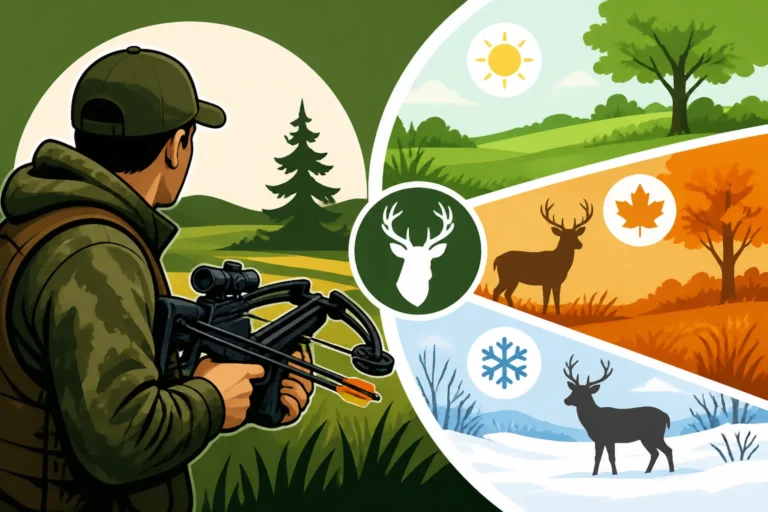
- Bows and Crossbows: Archery hunting is a popular method. There are minimum draw weight requirements for bows (typically 40 lbs for deer/bear) and specific rules for arrow broadheads. Crossbows are legal, but also have draw weight and bolt specifications.
Before your trip, always consult the most current Saskatchewan Hunting and Trapping Guide or your outfitter to confirm that your specific firearm meets provincial requirements. You can also review Legal Firearms and Bows for Big Game for more general guidance.
Blaze Orange Requirements
Saskatchewan takes hunter safety seriously, and wearing blaze orange is a non-negotiable rule during certain seasons. All hunters (including non-residents) must wear blaze orange clothing when hunting big game during an open rifle season, or when accompanying someone who is. This includes a minimum of 400 square inches above the waist, visible from all sides, and a blaze orange head covering. This rule is designed to make hunters more visible to each other and reduce the risk of accidents. Even if you're not rifle hunting but are out during a rifle season, it's wise to wear blaze orange.
Carcass and Trophy Export Rules
After a successful hunt, the excitement of getting your game home might be tempered by the need to navigate export regulations. This is where attention to detail is paramount to avoid any issues at the border.
Transporting Game Meat Out of Saskatchewan
When you harvest an animal in Saskatchewan, the meat is yours to keep, but transporting it across provincial or international borders requires proper documentation. For domestic travel within Canada, you generally need to have your hunting licence and tag validated correctly on the carcass.
For international travel (e.g., back to the United States), specific rules apply. If you're bringing uncooked meat, you'll need to comply with import regulations from your home country, which can sometimes include restrictions on certain cuts or processed products due to disease concerns (like Chronic Wasting Disease, CWD). It's always best to contact the U.S. Fish and Wildlife Service and the U.S. Customs and Border Protection well in advance of your trip to understand their latest requirements. Many hunters choose to have their meat processed and frozen by a local Saskatchewan butcher, making transport easier. Your outfitter can often arrange this for you. Detailed information can be found in Transporting Game Meat in Saskatchewan.
Exporting Antlers and Other Trophies
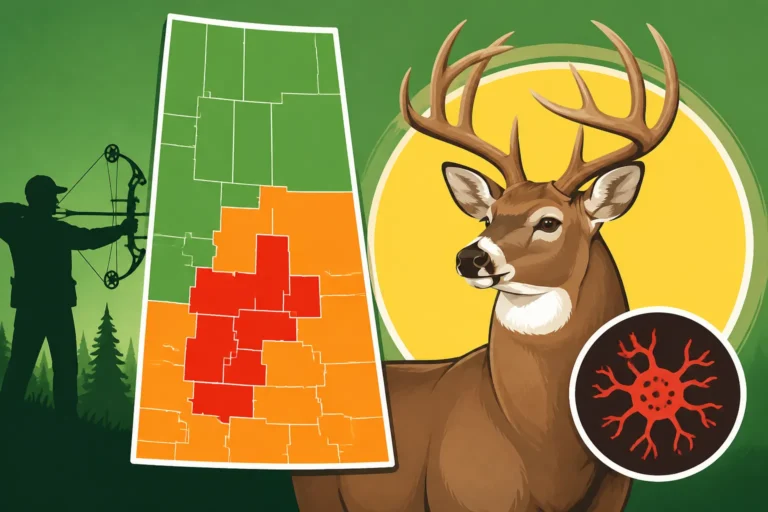
Bringing antlers, capes, or skulls across the border also comes with its own set of rules, largely due to concerns about CWD. For deer, elk, and moose, certain parts are restricted from being imported into the U.S. from Canada, particularly from areas where CWD is present. These "high-risk" parts typically include the brain, spinal cord, eyes, spleen, tonsils, and lymph nodes.
What this generally means for hunters is that only deboned meat, clean skull plates (antlers attached to a skull plate with all brain tissue removed), capes (without skull or spinal tissue), and teeth are usually allowed. Whole carcasses or heads are often prohibited unless they have been thoroughly cleaned and processed to remove all high-risk material. Many hunters opt for a European mount or full taxidermy services from a Canadian taxidermist, who will ensure the trophy meets all export and import requirements. Again, coordinate closely with your outfitter and taxidermist, and always verify current regulations with the relevant border agencies.
Respecting Saskatchewan's Land and Culture
Hunting in Saskatchewan is not just about tags and trophies; it's about being a respectful guest in a province with a rich history of land use and a strong connection to its natural resources. Understanding and respecting local customs, particularly regarding land access, is vital for a positive experience and for ensuring hunting opportunities continue for generations to come.
Navigating Private vs. Public Land Access
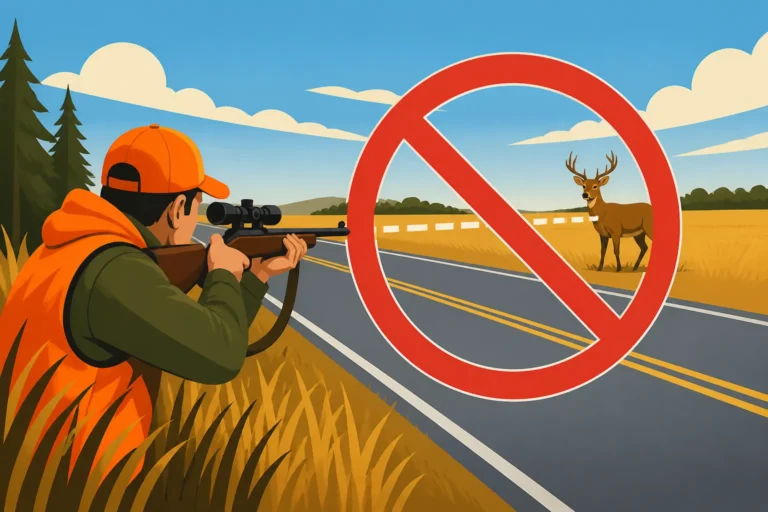
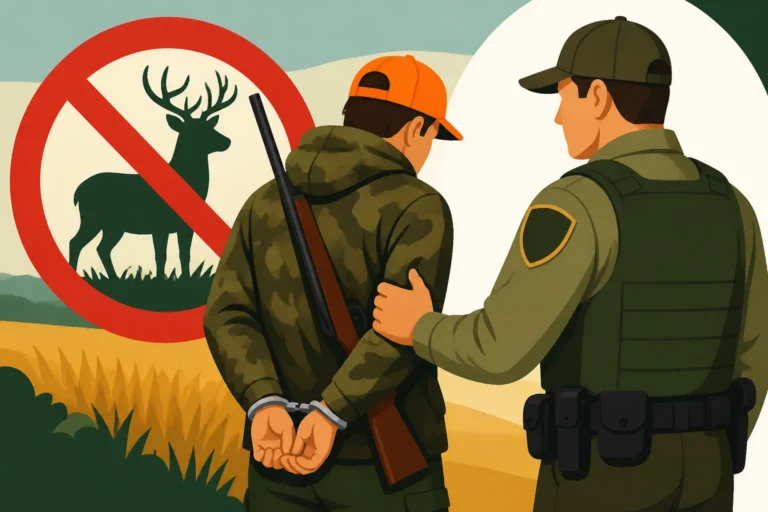
Saskatchewan has a mix of private and public (Crown) lands, and the rules for accessing each are distinct. The majority of hunting in the productive agricultural belts occurs on private land. This means that you must obtain permission from the landowner or occupant before hunting on their property. This is not merely a courtesy; it is the law. Hunting on private land without permission is considered trespassing and can result in significant fines and penalties.
- Private Land: Always knock on doors, be polite, and respect a landowner's decision if they deny access. Many landowners are receptive to hunters who ask respectfully, especially if they are trying to manage local game populations or if you have an outfitter who has established relationships.
- Crown Land: While public, Crown land still has rules regarding vehicle access, camping, and treestand placement. You can find maps and resources (like GoHunt's mapping tools) that show Crown land boundaries. Even on Crown land, be aware of adjacent private properties and respect their boundaries. Learn more about landowner rules here: Saskatchewan Landowner Permission Law.
Understanding these distinctions is crucial, as mistakenly trespassing can not only ruin your hunt but also damage the reputation of hunters in general.
Environmental Stewardship and Ethical Hunting
As a guest in Saskatchewan's outdoors, it's every hunter's responsibility to practice ethical hunting and good environmental stewardship. This means:
- Clean Harvests: Strive for clean, humane shots. Practice regularly to ensure you can make an ethical kill.
- No Waste: Saskatchewan has strict rules against wasting game meat. Ensure you retrieve all edible portions of your harvested animal.
- Leave No Trace: Pack out everything you pack in, and leave the land cleaner than you found it. This includes spent casings, food wrappers, and any other garbage.
- Respect Wildlife: Understand and respect wildlife behaviour. Do not harass animals, and only hunt within legal seasons and limits.
- CWD Awareness: Participate in CWD testing if required or encouraged by the province. This helps monitor and manage the disease. Avoid transporting high-risk parts of animals from CWD-positive zones.
Contributing positively to the hunting community and the province's conservation efforts ensures that Saskatchewan remains a premier hunting destination for all.
Understanding Indigenous Rights and Treaty Land
Saskatchewan is home to numerous Indigenous communities, and it's important to recognize and respect their Aboriginal and Treaty Rights, which include hunting, fishing, and trapping. These rights are protected under the Canadian Constitution.
While the specific rules for non-Indigenous hunters are clearly laid out in provincial regulations, it's beneficial to be aware that Indigenous communities have distinct rights and practices concerning wildlife. When hunting near or accessing lands that may be traditional territories or part of a First Nation Reserve, operate with an increased level of awareness and respect. Outfitters operating in certain areas will often have established relationships or agreements that facilitate access and ensure respect for Indigenous land use.
Always be mindful and respectful of any cultural sites or signs of Indigenous activity you might encounter in the wilderness. It's part of being a responsible and educated hunter in this diverse landscape.
Planning Your Saskatchewan Hunting Trip
So, you've decided to tackle the regulations and embark on a Saskatchewan hunting adventure. Excellent! While the rules can seem complex, with a bit of planning and the right resources, your trip can be an incredible success.
Key Considerations for Non-Resident Hunters
Beyond the specific rules, there are several practical considerations that every non-resident hunter should keep in mind:
- Timing: Saskatchewan's hunting seasons are generally short and specific. For big game, the November rut for whitetails is legendary but also the most competitive. Bear seasons run in both spring and fall. Waterfowl seasons generally kick off in early September and run into late October or early November. Plan your trip around the specific species and hunting method you're interested in.
- Weather: Saskatchewan weather can be extreme and unpredictable. Early fall can be mild, but by November, temperatures can drop significantly, often well below freezing, with heavy snow. Spring bear hunts can see anything from warm sunshine to late blizzards. Pack appropriate clothing in layers, including high-quality outer shell gear, insulated boots, hats, and gloves. Be ready for anything!
- Insurance: Consider purchasing travel insurance, especially if you're coming from another country. This can cover medical emergencies, trip cancellations, or lost luggage. Hunting is an outdoor activity, and unforeseen circumstances can arise.
- Connectivity: Cell service can be spotty, especially in more remote areas of the province. Inform loved ones of your itinerary, and consider bringing a satellite communication device if you plan on venturing far off the beaten path. Your outfitter will also have emergency plans in place, but personal preparedness is always wise.
- Currency: All prices in Saskatchewan are in Canadian Dollars (CAD). While some outfitters might accept USD, it's often at a less favorable exchange rate. Be prepared to use CAD for payments, tips, and other expenses.
Resources and Support for Non-Residents
Don't feel like you have to figure it all out alone. There are numerous resources available to help non-residents plan their hunts:
- Saskatchewan Ministry of Environment: Their official website is the definitive source for all regulations, season dates, and licensing information. Always refer to the most current Hunting and Trapping Guide.
- Licensed Outfitters: As discussed, for big game, an outfitter is mandatory. Even for bird hunting, they offer invaluable services. They are experts on the ground and can guide you through many of the regulatory complexities.
- Hunting Forums and Communities: Online forums and social media groups dedicated to Saskatchewan hunting can provide anecdotal advice and connect you with experienced hunters. Use these as supplementary information, always double-checking against official sources.
- GoHunt: While often associated with Western US draws, platforms like GoHunt can still be a valuable tool for researching outfitters and understanding general hunting principles that apply across North America, even if specific Saskatchewan draw predictions are less their focus. Their extensive articles and outfitter directories can help you make informed decisions.
- Canadian Border Services Agency (CBSA): For import/export questions regarding firearms and trophies, always consult the CBSA directly.
By taking the time to understand and adhere to Saskatchewan's regulations, non-resident hunters can enjoy a truly unforgettable hunting experience in this incredible province. The planning might be extensive, but the rewards – the vast landscapes, abundant wildlife, and challenging hunts – are well worth the effort.
Disclaimer
The information provided in this guide is intended for general informational purposes only and is subject to change. Hunting regulations, fees, and requirements are determined by the Saskatchewan Ministry of Environment and other governmental bodies, and can be updated annually. It is the sole responsibility of the hunter to consult the most current official Saskatchewan Hunting and Trapping Guide, the Canadian Border Services Agency, and any other relevant authorities to ensure full compliance with all applicable laws and regulations before planning or undertaking any hunting activity. Failure to comply with regulations may result in penalties, fines, or loss of hunting privileges.