Shipping Meat Home From Saskatchewan
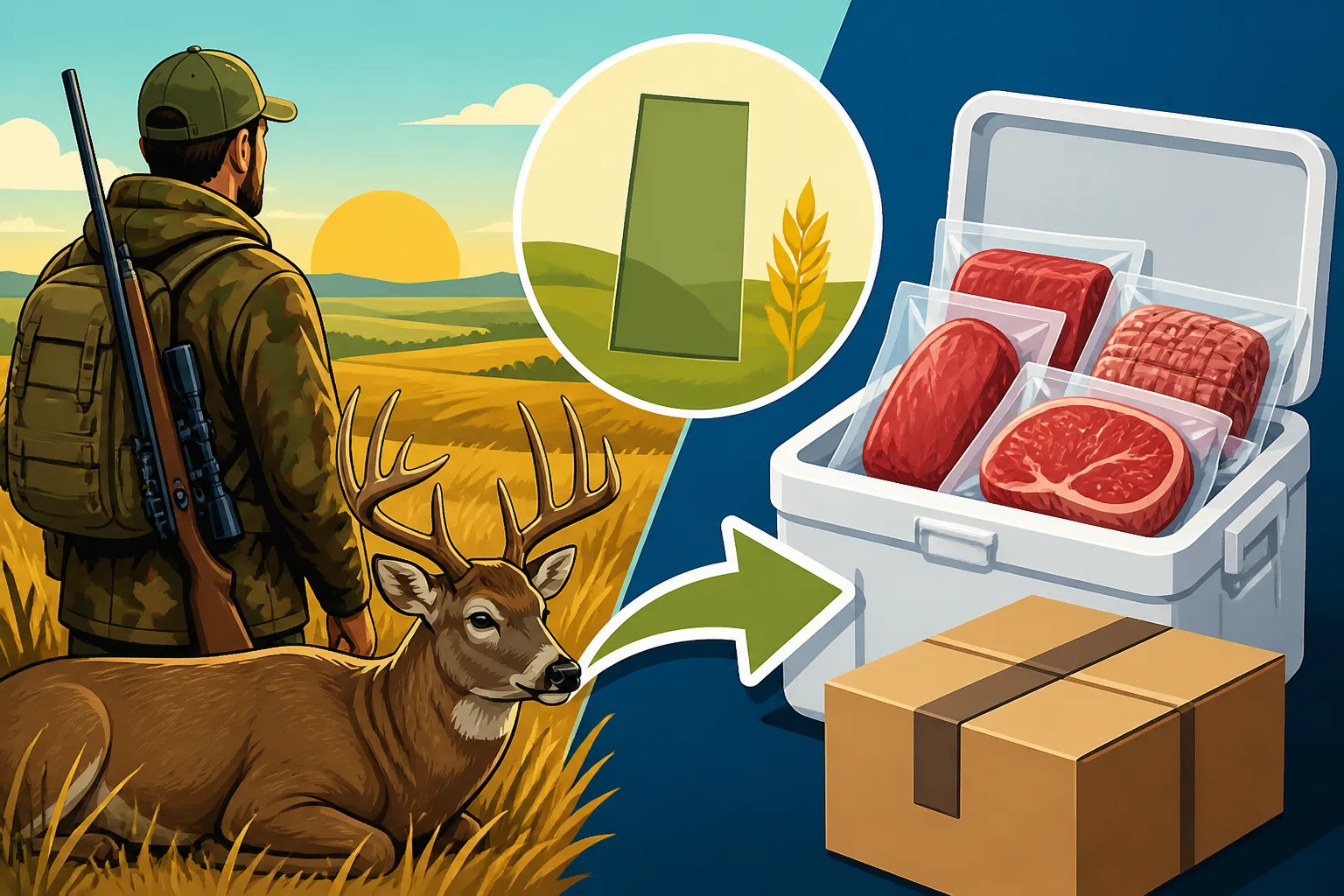
Bringing home the bounty of a successful Saskatchewan hunt is an incredibly rewarding feeling, but figuring out how to get all that delicious wild game meat back to your freezer can feel like a daunting task. Between provincial regulations, federal border rules, and the sheer logistics of keeping hundreds of pounds of meat frozen, it’s enough to make even a seasoned hunter scratch their head. This guide is designed to cut through the confusion and give you a clear, practical roadmap for shipping your hard-earned Saskatchewan game meat home, ensuring it arrives safe, sound, and ready for your dinner table.
Understanding the Regulations for Transporting Wild Game Meat
Navigating the rules and regulations for moving wild game meat is easily the most critical part of the entire process. It’s not just about Saskatchewan’s rules; you have to consider the regulations of any province or country you plan to travel through or to. Ignoring these details can lead to fines, confiscation of your meat, or worse, so let’s get into the specifics.
Within Saskatchewan and Inter-Provincial Transport
If you're a Saskatchewan resident, or if you're traveling to another Canadian province with your game, the rules are generally more straightforward. Within Saskatchewan, your validated tag must remain with the game meat until it's delivered to your residence or to a butcher. This means that if you've harvested a deer, the tag should be attached to a major portion of the carcass until it's processed and packaged. Once the meat is processed and individually packaged, the tag is no longer required to be physically attached to each package, but you should keep your licence and tag records handy for any questions. Transporting Game Meat in Saskatchewan goes into more depth on this.
When crossing provincial lines, say from Saskatchewan to Alberta or Manitoba, the rules become slightly more stringent. You must still possess your valid Saskatchewan hunting licence and the validated tag for the animal you harvested. Many provinces have regulations about "evidence of sex" to prove you harvested a legal animal, especially for antlered species. This often means leaving an antler attached to a certain portion of the meat or carrying documentation that clearly identifies the animal's sex. Always check with the provincial wildlife authorities of your destination province before you travel to understand their specific import requirements. They want to prevent illegal harvesting and ensure all game is accounted for.
Crossing the US Border with Wild Game Meat
For our friends south of the border, this is where things get significantly more complicated, largely due to concerns around Chronic Wasting Disease (CWD). The primary hurdle is ensuring your meat meets both Canadian export requirements and US import requirements. It’s a dual check that absolutely cannot be overlooked.
Firstly, you must adhere to the CWD testing regulations if you've harvested a CWD-susceptible species like white-tailed deer, mule deer, or elk in a mandatory testing zone. Saskatchewan has specific zones where CWD testing is required, and you'll need the test results before attempting to cross the border with certain parts of the animal. Many outfitters, especially those listed on platforms like BookYourHunt, are well-versed in these rules and can assist with the testing process. The general rule for crossing into the US with CWD-susceptible species is that only boneless meat, hard-cleaned skulls, antlers, hides, and taxidermy are permitted. This means no brain, spinal cord, eyes, lymph nodes, or other nervous system tissues can cross the border. These are the parts where CWD prions concentrate.
The US Fish and Wildlife Service (USFWS) and the USDA also have their own regulations. You will typically need to declare all wild game products at the border. Having all your documentation in order is paramount: your Saskatchewan hunting licence, validated tag, and any CWD test results. Some US states also have their own specific import restrictions that may be even stricter than federal guidelines. For example, some states prohibit the import of any part of a cervid from a CWD-positive area, even boneless meat. This requires due diligence on your part to check the wildlife agency website for your specific home state before your hunt. Don't rely solely on what you hear; verify it directly with the official source. Taking Meat and Antlers Across the Border contains additional critical information.
International Shipping (Other Countries)
If you're traveling to countries other than the US, the complexity increases exponentially. Each country will have its own stringent import regulations, often requiring health certificates, specific processing standards, and potentially quarantine periods. This is generally not a do-it-yourself endeavor for the casual hunter.
For international destinations, you will almost certainly need to engage a specialized customs broker or an international meat shipping service that understands the specific import laws of your home country. They will guide you through the necessary permits, inspections, and documentation required by both Canadian export authorities and your destination country's import agencies. Be prepared for significant costs and lead times, as this process can be lengthy and involve multiple government agencies. It’s a path less trodden for good reason – it requires extensive planning and professional assistance to navigate successfully.
Preparing Your Meat for Shipping
Once you've got the regulations in mind, the next big step is getting your meat ready. Proper preparation isn't just about delicious meals later; it's absolutely crucial for ensuring the meat remains safe, frozen, and compliant with transport rules.
Field Dressing and Initial Processing
The journey of quality meat starts in the field. As soon as your animal is down, quick and thorough field dressing is essential. The goal is to cool the carcass rapidly to prevent bacterial growth. Remove all internal organs, clean out any blood or debris, and prop open the cavity to allow maximum airflow. In Saskatchewan's typically cooler hunting seasons, this natural cooling can be quite effective. However, don't let it sit too long if temperatures are fluctuating. Meat Care in Saskatchewan's Cold Snaps outlines how to handle game in varying temperatures.
Once the animal is back at camp or a processing facility, the initial breakdown into quarters or primal cuts should be done cleanly and efficiently. For cross-border travel, particularly to the US, remember the boneless meat rule. This means having your carcass deboned entirely before packaging. This step is non-negotiable for CWD-susceptible species. Even for non-CWD species, deboning significantly reduces weight and bulk, making shipping much easier and often cheaper.
Professional Butchering and Packaging
While you might be a dab hand at cutting up a deer in your garage, when it comes to shipping, especially across borders, entrusting your meat to a professional butcher in Saskatchewan is highly recommended. These butchers are often familiar with the specific packaging requirements for transport and can ensure everything is done to commercial standards. They can debone, cut, grind, and vacuum-seal your meat into convenient, freezer-ready portions.
Vacuum sealing is a game-changer for shipping. It removes air, preventing freezer burn and extending the shelf life of the meat considerably. Each package should be clearly labeled with the type of meat (e.g., "Whitetail Backstrap," "Elk Burger"), the date, and ideally, your hunting licence number or tag number for easy identification, especially if you need to trace it back for CWD results. A professional butcher will also understand the "evidence of sex" requirements for certain species, ensuring you retain the necessary parts if needed for inspection.
Freezing and Cooler Prep
Before any long-distance transport, your meat must be frozen solid, not just chilled. This means giving it ample time in a deep freezer – often several days for larger quantities. Placing unfrozen or partially frozen meat into a cooler, even with dry ice, is a recipe for disaster, as it won't stay frozen for the duration of transit.
When packing for shipment, high-quality, insulated coolers are your best friend. Look for coolers designed for long-term ice retention. Pack them tightly with your frozen, vacuum-sealed meat. The less air space, the better the insulation works. For really long hauls or hot weather, dry ice is superior to regular ice or gel packs because it keeps contents colder for longer and sublimes (turns directly into gas) without leaving a watery mess. Be sure to handle dry ice with gloves and ensure proper ventilation, as it releases carbon dioxide. If using dry ice, place it on top of the meat, as cold sinks. Consider lining your cooler with a heavy-duty garbage bag or two to create an extra barrier against any potential leaks. Secure the cooler lid tightly with strong tape, and label the outside clearly with your name, contact information, and "FROZEN WILD GAME MEAT."
Shipping Options and Logistics
You've got your meat prepped and frozen; now, how do you actually get it from Saskatchewan to your home? There are a few main avenues, each with its own pros, cons, and logistical considerations.
Driving It Yourself
For many hunters, especially those driving within Canada or to nearby US states, packing their truck or SUV with coolers full of meat is the most common and often most cost-effective method. The main advantage here is control – you oversee the entire journey and can monitor the condition of your coolers.
However, driving long distances with frozen meat requires careful planning. Ensure your vehicle has enough space for the coolers, your gear, and any passengers. The key is to keep those coolers out of direct sunlight and in a cool part of the vehicle. If you're on a multi-day drive, consider hotels that have freezers or are willing to store your coolers in a walk-in. Replenishing dry ice or ice packs at grocery stores along the way might be necessary. It’s also important to factor in the weight; a truck bed full of meat can significantly impact fuel economy and handling, so ensure your vehicle is properly loaded and able to handle the additional weight. Don't forget to have all your paperwork readily accessible for border crossings or inspection points. Winter Truck Kit for a Saskatchewan Hunt might give you some ideas for general preparedness on the road.
Commercial Meat Shippers
For hunters who fly to their destination or who simply prefer not to deal with the hassle of driving hundreds or thousands of miles with coolers, commercial meat shipping services can be a lifesaver. These companies specialize in temperature-controlled transport of perishable goods.
These services will pick up your professionally processed and packaged frozen meat (often directly from your outfitter or butcher) and handle the logistics of getting it to your home address. They are familiar with customs declarations and often have established routes and procedures for cross-border shipments. The downside? Cost. This is typically the most expensive option, but it offers convenience and peace of mind that your valuable meat is being handled by experts. Prices can vary significantly based on weight, distance, and the speed of service. When researching these services, ask about their experience with wild game, their specific packaging requirements, insurance coverage, and estimated transit times. This is a situation where mentioning a brand like GoHunt might be relevant, as they often have resources or forums where hunters discuss recommended shipping services.
Air Cargo
Shipping meat via air cargo is another option, particularly if you've flown into Saskatchewan and need to get your meat back by air. However, it comes with strict regulations, higher costs, and often more logistical hoops to jump through. Most airlines have specific rules for shipping perishables, including weight limits, cooler types (often requiring specific hard-sided containers), and restrictions on dry ice (usually requiring vented coolers to prevent pressure buildup).
You'll need to coordinate with the airline's cargo department, not just the passenger check-in desk. Your meat will need to be packed perfectly, labeled correctly, and accompanied by all necessary documentation, including your hunting licence and tag. For international flights, customs clearance procedures will apply at both the Canadian departure airport and your destination airport. Due to the expense and complexity, air cargo is usually reserved for smaller quantities of highly prized meat or when other options are simply not feasible. Always contact the specific airline well in advance to understand their exact requirements and to make arrangements.
Important Considerations and Potential Pitfalls
Even with the best planning, shipping wild game meat can present unexpected challenges. Being aware of these common issues can help you avoid costly mistakes and frustrations.
CWD Testing and Documentation
We can't stress this enough: for any CWD-susceptible species (deer, moose, elk), CWD testing is not just a good idea, it's often a legal requirement for cross-border transport. If you hunted in a mandatory CWD testing zone, ensure you submit the samples as required and receive your results before attempting to travel. Many hunters have faced issues at the border because they either didn't test or didn't have the results in hand.
Keep all your CWD testing documentation, including the submission confirmation and the actual test result, with your hunting licence and tag. Border agents are within their rights to inspect your meat and require proof of compliance. If you receive a positive CWD test result, you generally cannot transport that meat across borders, and often, rules about consumption or disposal even within the province will apply. Always be transparent and cooperative with authorities; attempting to conceal meat or evade regulations will only lead to severe penalties. Saskatchewan's CWD Testing Rules provides comprehensive information on this topic.
Costs Involved
Shipping wild game meat home is rarely cheap, and it’s important to budget for it. The costs can quickly add up and catch unsuspecting hunters by surprise. Here’s a breakdown of potential expenses:
- Processing and Packaging: Professional butchering, cutting, grinding, and vacuum sealing. This is often an hourly or per-pound rate.
- Coolers and Dry Ice: High-quality coolers are an investment, and dry ice isn't free. Factor in replacements for multi-day trips.
- Commercial Shipping/Air Cargo Fees: These can range from a few hundred dollars to well over a thousand, depending on weight, distance, and chosen service speed.
- Customs Brokerage: If using an international shipper, a customs broker's fees may be added.
- Permits/Certificates: While less common for personal consumption, some unique situations might require additional health certificates or permits.
Always get clear quotes from butchers and shipping companies upfront. A conversation with an outfitter, especially if you're booking through a service like BookYourHunt, can also give you a good estimate of typical costs for their area. Don't let a successful hunt turn into a financial headache because you didn't plan for the journey home.
Timing Your Shipment
Timing is everything when dealing with perishable goods. Ideally, your meat should be deep-frozen and ready to ship or drive as soon as possible after processing. Avoid situations where meat sits in a freezer for weeks or months after processing if you intend to ship it, as delays can always occur.
If using a commercial shipper or air cargo, coordinate the pickup or drop-off times precisely. You want the meat to spend the absolute minimum amount of time outside of a deep-freeze environment. If driving yourself, time your departure to minimize stops in warm climates and ensure you can get the meat back into a freezer upon arrival at your destination. Unexpected delays, like vehicle breakdowns or border queues, can impact the integrity of your frozen meat, so always build in a buffer and have contingency plans.
This table summarizes key considerations for different meat transport methods:
| Feature | Driving Yourself | Commercial Shipper (e.g., freight) | Air Cargo (e.g., airline specific) |
|---|---|---|---|
| Cost | Lower (fuel, ice) | Higher (per-pound, distance-based) | Highest (per-pound, expedited, special handling) |
| Control | High (you manage trip) | Low (managed by shipper) | Medium (managed by airline, but you prep) |
| CWD Compliance | Your responsibility to know & carry docs | Shipper may assist, but ultimate responsibility is yours | Your responsibility to know & carry docs |
| Documentation Needed | Licence, tag, CWD results, state import rules | Licence, tag, CWD results, state import rules, bill of lading | Licence, tag, CWD results, state import rules, air waybill |
| Meat Prep | Vacuum-sealed, deep-frozen, in quality coolers | Vacuum-sealed, deep-frozen, often in specific packaging | Vacuum-sealed, deep-frozen, in airline-approved containers |
| Freezing Time | Critical, must be solid | Critical, must be solid | Critical, must be solid |
| Typical Transit Time | Varies (your drive time) | Days to a week+ | Hours to a few days |
| Best For | Shorter distances, budget-conscious, high control | Longer distances, convenience, larger quantities | Expedited delivery, remote locations, flying hunters |
Disclaimer
This article is for general informational purposes only and does not constitute professional advice. Laws, prices and regulations vary by location and change over time. Consult a qualified professional for guidance on your specific situation.