Meat Care in Saskatchewan’s Cold Snaps
You've just wrapped up a successful hunt in Saskatchewan. Maybe it was a crisp, clear morning, or perhaps a truly frigid November day when the temperature decided to take a nosedive. The adrenaline is still pumping, but now a new challenge sets in: how do you properly care for that hard-earned game meat when the thermometer is plunging, and you're far from a warm processing facility? This guide will walk you through the essential steps and considerations for preserving the quality of your wild game during those notorious Saskatchewan cold snaps.
Understanding the Saskatchewan Cold Snap Challenge
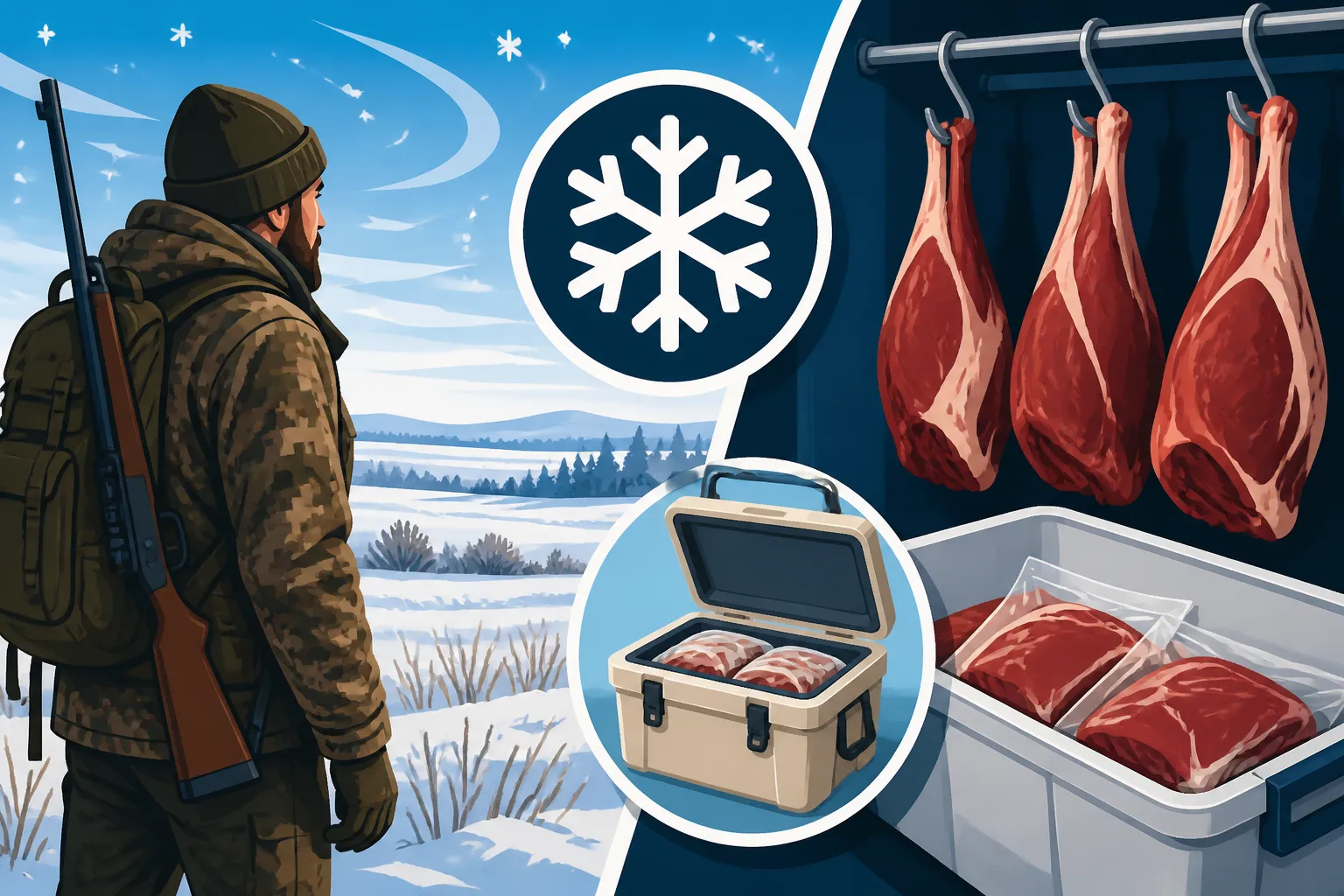
Saskatchewan winters are legendary for their intense cold. While this can be a blessing for hunters, helping to naturally refrigerate game meat, it also presents unique challenges. The key is finding that sweet spot between rapid cooling and outright freezing, especially when temperatures fluctuate wildly or drop precipitously.
The Double-Edged Sword of Cold Weather Hunting
On one hand, hunting in cold weather offers several distinct advantages for meat care. The primary benefit is the natural refrigeration. When temperatures are at or just above freezing, you don't have to worry as much about spoilage from heat and bacteria, which is a constant battle during warmer seasons. This extended "safe zone" can be a huge relief, especially if you're deep in the bush or hunting a remote area where immediate transport to a cooler isn't an option. The frozen ground also makes it easier to drag or move a large carcass, and it keeps mud and dirt from contaminating the hide and meat.
However, this blessing can quickly turn into a curse if you're not careful. Extreme cold, particularly anything consistently below -5°C (23°F), introduces the risk of the meat freezing too quickly. This phenomenon is known as "cold shortening" or "case hardening." When muscle tissue freezes rapidly before rigor mortis has fully set in and allowed the muscles to relax, the muscle fibers contract and become incredibly tough. Imagine trying to chew a piece of steak that feels like shoe leather – that's the result of cold shortening. The meat's texture is irrevocably damaged, and no amount of aging or cooking will restore its tenderness. It's a frustrating outcome after all your hard work, turning a prized animal into subpar table fare.
The Impact of Freezing on Game Meat Quality
Beyond the immediate concern of cold shortening, freezing game meat improperly or too quickly can significantly degrade its overall quality. When meat freezes, the water content within the muscle cells forms ice crystals. If this freezing happens too rapidly, large, jagged ice crystals form, puncturing and rupturing the cell walls. This cellular damage leads to a loss of moisture, tenderness, and flavor when the meat is eventually thawed. You'll notice excessive "purge" or liquid loss from the meat, which carries away valuable nutrients and taste.
Even if you manage to avoid cold shortening, improper freezing or long-term storage can lead to what we commonly call "freezer burn." This occurs when the surface of the meat dries out due to exposure to air in the freezer, turning grayish-brown and developing a tough, leathery texture. While freezer-burned meat is still safe to eat, its quality is severely compromised. The trick, then, is to ensure the meat cools down gradually, ideally over 24-48 hours, to allow for proper rigor mortis resolution and then to freeze it as quickly as possible once processed, but in a way that minimizes large ice crystal formation. It's a delicate balance that separates excellent game meat from merely edible game meat.
Immediate Field Care When Temperatures Plummet
The moments immediately following the shot are crucial, regardless of the temperature. In a Saskatchewan cold snap, immediate field care takes on specific nuances to prevent both spoilage and rapid freezing damage.
Gutting and Getting Air Circulation
Prompt field dressing is always paramount for game meat quality, even when temperatures are well below freezing. The internal body heat of a large animal can remain surprisingly high for a considerable time, especially in the core of the muscle mass. Failure to remove the entrails quickly can lead to "souring" – bacterial growth that occurs in the warm, moist environment of the body cavity, resulting in off-flavors and spoilage. So, even if the air temperature is -20°C, that animal's core is still warm, and bacteria are still at work.
After you've carefully completed the field dressing, the next critical step is to ensure maximum air circulation within the body cavity. This helps to dissipate residual body heat as quickly as possible. Prop the cavity open using sticks or spreaders. Many hunters carry a small, collapsible spreader specifically for this purpose. If you're without one, sturdy branches work just as well. The goal is to get as much cold air as possible flowing through the animal, helping the internal temperature drop without allowing the outer layers to freeze too quickly. Keeping the cavity wide open also prevents a vacuum from forming, which can slow cooling. For specific guidance on dealing with extreme cold during this critical stage, check out our guide on Field Dressing in Saskatchewan's Deep Cold.
Protecting the Carcass from Rapid Freezing
Once the animal is gutted and cooling, you might be tempted to just leave it exposed to the frigid air, thinking the cold will do all the work. However, this is where the risk of cold shortening and case hardening comes into play. If the outside of the carcass freezes solid while the internal temperature is still relatively high, those outer muscle fibers will contract and become tough. This is particularly problematic for deer, elk, and moose.
To prevent this rapid freezing of the outer tissues, you need to slow down the cooling slightly, allowing the entire carcass to cool more uniformly. One effective method is to cover the animal loosely with game bags designed for breathable protection, or even a canvas tarp or an old sleeping bag. These coverings provide a layer of insulation that slows the transfer of extreme cold to the meat's surface, giving the muscle fibers time to relax through rigor mortis before freezing. You still want the meat to cool, just not too fast on the outside. Furthermore, always get the carcass off the frozen ground if possible; prop it up on logs or rocks to allow air to circulate completely around it, preventing freezing to the ground and promoting even cooling. Reputable outdoor suppliers like GoHunt offer a variety of high-quality game bags that are essential for protecting your harvest from dirt, insects (even in cold, flies can sometimes be an issue on warm days that follow a cold snap), and rapid surface freezing.
Transporting and Storing Meat in Sub-Zero Conditions
You’ve done the immediate field care, and now it’s time to move your prize. Transporting and temporarily storing game meat during Saskatchewan's cold snaps requires careful consideration to maintain quality.
The Journey from Field to Cooler/Processor
Getting your animal from where it fell to your vehicle, camp, or processor is a critical step. In bitter cold, the challenge shifts from preventing spoilage due to heat to preventing damage due to mishandling or premature freezing. If you're dragging an animal, be mindful of friction and potential bruising. On frozen ground, a deer sled or a heavy-duty tarp can make the drag much smoother and cleaner. If you're fortunate enough to be using an ATV or side-by-side, securing the carcass properly is key. For a comprehensive look at moving larger game, our article on Getting a Moose Out With a Quad offers excellent strategies. For smaller animals like deer, getting it out on foot can be tough, so consider our advice on Getting a Deer Out on a Frozen Trail.
During transport, especially if it's a longer journey, you want to continue protecting the meat. While it's cold, bouncing around in the back of a truck or on a trailer exposes the meat to road grime, dust, and potential freezing wind. Keep the carcass covered with a clean tarp or more game bags. This acts as a barrier against contaminants and also helps to stabilize the temperature, preventing the outer layers from freezing rock-solid while the interior is still warm. If you've quartered the animal in the field, ensure each section is bagged and secured to prevent bruising and contamination during the drive. The goal is to get it to its next destination—whether that's a temporary hang or a processor—as cleanly and efficiently as possible, all while managing that critical cooling curve.
Temporary Storage Options on a Cold Weather Hunt
Once you've retrieved your animal, you'll need a place to hang it before it goes to a professional processor or you begin the home butchering process. The ideal hanging environment is a cool, secure, and clean space with good air circulation, where temperatures can be maintained just above freezing, typically between 0°C and 4°C (32°F and 39°F). This temperature range allows for optimal aging, where natural enzymes tenderize the meat without promoting bacterial growth.
In Saskatchewan's winter, maintaining this precise temperature can be tricky. An unheated garage or shed can often work well, especially if you can control air flow. If the ambient temperature drops significantly below freezing, you'll need to add a layer of insulation, such as a heavy blanket or sleeping bag, around the hung carcass to prevent it from freezing solid too quickly. This is particularly important for allowing rigor mortis to fully resolve and for the meat to properly age. If temperatures rise above 4°C during a thaw, you might need to find a different solution or accelerate processing. Our guide on Hanging Meat in Fall Temperature Swings provides more insight into managing these variable conditions.
Here's a quick reference for ideal meat cooling and storage:
| Stage | Temperature Range | Duration | Notes |
|---|---|---|---|
| Initial Cooling | 0°C to 4°C (32°F to 39°F) | 12-24 hours | Critical to drop core temp but avoid rapid freezing |
| Aging | 0°C to 4°C (32°F to 39°F) | 3-7 days (deer/elk) | Allows enzymes to tenderize meat; longer for older animals |
| Temporary Storage | 0°C to -2°C (32°F to 28°F) | Up to 2-3 days | Before processing, can tolerate slight freezing on surface |
| Long-Term Freezer | -18°C (-0.4°F) or colder | 6-12 months | Properly wrapped and sealed to prevent freezer burn |
For remote camp situations, especially when the mercury truly plunges, you can create a temporary "meat locker" by building a snow structure or using a deep snowdrift to your advantage. Burying quartered, bagged meat in deep snow offers surprising insulation, keeping it cold but preventing direct exposure to brutal winds that can cause rapid freezing. Just make sure it's secure from scavengers.
The Role of Aging in Cold Weather Meat Care
Aging is a crucial step in preparing wild game, transforming tough muscle into tender, flavorful meat. Understanding how aging works and how it's affected by Saskatchewan's cold snaps is vital for a quality harvest.
Why Aging is Critical, Even in the Cold
After an animal is harvested, its muscles undergo a process called rigor mortis, where they stiffen and contract. This is a natural physiological response. If the meat is frozen solid while in this state of contraction, or if it freezes too quickly before rigor mortis has completed and the muscles have relaxed, it results in "cold shortening." As we discussed, cold shortening makes the meat incredibly tough, no matter how long you cook it. Aging is the process by which natural enzymes within the muscle fibers break down connective tissues and proteins, leading to increased tenderness and enhanced flavor. It allows the muscle to relax fully after rigor mortis, preventing that irreversible toughness.
Therefore, aging isn't just a nicety; it's a critical component of producing palatable game meat. The ideal scenario is to allow the entire carcass or quarters to hang at a consistent temperature just above freezing (0°C to 4°C) for several days. This allows the enzymatic breakdown to occur effectively. In extremely cold Saskatchewan conditions, you're not trying to cool the meat down faster; you're trying to prevent it from freezing too quickly, precisely so that this natural aging process can take place. Neglecting the aging process in an effort to "save" the meat from the cold can, ironically, be the very thing that ruins its texture.
Managing Aging in Saskatchewan's Variable Temperatures
Saskatchewan's late fall and early winter hunting seasons are notorious for their highly variable temperatures. One day might be a balmy 5°C, perfect for aging, and the next could plummet to -25°C. This fluctuation presents a challenge for consistent aging. The goal is to keep the meat cool enough to prevent spoilage, but warm enough to prevent freezing.
When temperatures are consistently below freezing, you have to get creative to prevent the meat from becoming an ice block. An unheated, insulated garage or shed often serves as an ideal aging chamber, acting as a natural refrigerator. If you don't have access to such a space, or if the garage still gets too cold, consider wrapping the hung quarters in insulated tarps, heavy blankets, or even an old sleeping bag. This provides a buffer against the extreme cold, slowing the freezing process and allowing the meat to continue aging. You want the meat to feel firm and cold to the touch, but not rock hard. Monitoring the internal temperature of the largest muscle groups with a meat thermometer can give you crucial insights. If temperatures rise above ideal aging ranges during a warm spell, you'll need to shorten your aging time or find a colder spot quickly. For specific tactics on handling these temperature swings, our article on Hanging Meat in Fall Temperature Swings provides practical advice. Throughout this process, using high-quality game bags, like those offered by GoHunt, is essential to protect the meat from drying out on the surface, contamination, and unwanted insects or scavengers, while still allowing the meat to breathe.
Processing and Long-Term Freezer Storage
Once your game meat has been properly cooled and aged, the final steps of processing and freezing are crucial for preserving its quality for months to come. This is where attention to detail really pays off.
Preparing Meat for the Freezer
After the aging process, it's time to break down the carcass into manageable cuts for your freezer. Whether you do this yourself or take it to a professional, cleanliness is paramount. Ensure all surfaces, knives, and cutting boards are meticulously clean to prevent bacterial contamination. Trim away any fat, gristle, hair, dirt, and damaged tissue. Wild game fat can often turn rancid quickly in the freezer, affecting the flavor of the meat, so remove as much as possible. This is also the stage where you decide on your cuts – steaks, roasts, stew meat, or grind.
For long-term storage, proper wrapping is key to preventing freezer burn and maintaining quality. Vacuum sealing is by far the best method. A good vacuum sealer removes all air from around the meat, creating an airtight barrier that effectively prevents dehydration and freezer burn. If you don't have a vacuum sealer, use heavy-duty freezer paper or a combination of plastic wrap followed by aluminum foil. The goal is to eliminate any air pockets around the meat. Double-wrap everything for added protection. Finally, always label each package clearly with the type of meat, the cut, and the date it was processed. This simple step will save you a lot of guesswork later when you're rummaging through your freezer. For those who opt for professional services, our guide on Getting Meat Processed in Saskatchewan offers insights into what to expect from local butchers.
Freezing and Thawing Safely
To minimize the formation of large, damaging ice crystals within the meat, you want to freeze it as quickly as possible. This is often referred to as "flash freezing." Spreading out packages of meat in a single layer in your freezer, rather than stacking them, allows the cold air to circulate more effectively and freeze the meat faster. Once frozen solid, you can then stack the packages for more efficient storage. Don't overload your freezer, as this can raise the internal temperature and slow down the freezing process. Aim for a freezer temperature of -18°C (0°F) or colder for optimal long-term storage.
When it comes to thawing your prized game meat, safety and quality go hand-in-hand. The safest and most recommended method is to thaw it slowly in the refrigerator. This can take 24-48 hours or more for larger cuts, so plan ahead. Slow thawing minimizes moisture loss and maintains the meat's texture. You can also thaw meat in cold water, keeping the packages completely submerged and changing the water every 30 minutes to keep it cold. Never thaw meat on the kitchen counter at room temperature, as this allows bacteria to multiply rapidly on the surface while the interior is still thawing. Once thawed, cook the meat promptly. Re-freezing meat that has been fully thawed is generally not recommended as it significantly degrades texture and flavor, though it's technically safe if handled properly.
Common Mistakes and How to Avoid Them
Even experienced hunters can make mistakes when it comes to meat care, especially in the unpredictable conditions of a Saskatchewan cold snap. Being aware of these common pitfalls can help ensure your harvest ends up on the dinner table as delicious as possible.
Ignoring Initial Carcass Heat
One of the most frequent mistakes, particularly when temperatures are well below freezing, is underestimating the residual body heat within a freshly harvested animal. It's easy to think, "It's so cold, the meat will chill instantly!" However, the core of a large animal, especially one that was active before the shot, retains heat for a surprisingly long time. Failing to promptly gut the animal and allow adequate air circulation means that while the exterior might be freezing, the internal tissues could still be warm enough to promote bacterial growth, leading to souring deep within the muscle.
The key is to understand the difference between cooling and freezing. You want the meat to cool down quickly but gradually. The primary goal right after the kill is to drop that core temperature to a safe range (around 4°C or 39°F) as soon as possible, allowing rigor mortis to set in and pass naturally. If the outside freezes too fast while the inside is still warm, you risk that "cold shortening" we talked about, or even internal spoilage if the external freeze seals in the heat. So, always prioritize getting those entrails out and propping open the cavity, even if your fingers are numb. This initial step is critical, regardless of the brutal temperatures, and forms the bedrock of good meat care. Proper preparation can be the difference between a tough, off-flavored meal and a tender, delicious one.
Improper Protection and Handling
Another common mistake involves improper protection and handling of the carcass, both in the field and during transport. Leaving a gutted animal exposed directly to the elements, thinking the cold will preserve it, invites problems. Even in frigid temperatures, wind can cause rapid dehydration of the meat's surface, leading to a leathery texture and contributing to freezer burn later on. Furthermore, while flies might not be an issue at -20°C, a sudden warm spell could bring them out, and scavengers like coyotes or even ravens are always a threat if the meat is left unattended and unprotected. For this reason, a sturdy set of game bags is indispensable. Brands like GoHunt often produce durable, breathable game bags that protect against dirt, insects, and initial dehydration, crucial for any serious hunter.
Rough handling during extraction and transport is also detrimental. Dragging an animal directly over rough terrain can tear hides and bruise valuable meat. Throwing a carcass carelessly into the back of a truck without proper securing can lead to further damage and contamination from road grime. Even if you're bundled up for Hunting Saskatchewan Winter Weather Safely, ensure your gear includes what you need for meat care. A well-prepared hunter will have a plan for getting the animal out cleanly, possibly using a sled or tarp, and will ensure it's covered and secured for the journey back to camp or home. A good Winter Truck Kit for a Saskatchewan Hunt should include not just emergency supplies for you, but also items like clean tarps and game bags for your harvest. Remember, every bruise or contaminated patch of meat means more trimming later, reducing your usable yield. Taking a few extra minutes for careful handling and protection in the field pays dividends in meat quality.
Disclaimer
This guide provides general information for meat care in cold conditions. Always consult the official Saskatchewan hunting regulations for specific rules regarding game handling, transport, and carcass disposal. It is the hunter's responsibility to ensure compliance with all applicable laws and to practice safe food handling procedures.