Winter Truck Kit for a Saskatchewan Hunt
The biting cold of a Saskatchewan winter hunt isn't just uncomfortable; it can turn dangerous faster than you can say "whiteout." Many hunters head out focused solely on their quarry, forgetting that an unexpected snowdrift, a dead battery miles from cell service, or a sudden mechanical breakdown can transform a thrilling day into a life-threatening ordeal. This comprehensive guide will walk you through building an essential winter truck kit, ensuring you're prepared for the unpredictable challenges of hunting in Saskatchewan's cold, keeping you safe and ready for anything Mother Nature throws your way.
Why a Winter Truck Kit is Non-Negotiable in Saskatchewan
Let’s be honest, we all love the thrill of the hunt. That crisp, cold air, the fresh snow on the ground, the anticipation of spotting a whitetail buck moving through a willow run. But that same beautiful winter environment can be incredibly unforgiving. Saskatchewan winters are legendary for their extremes, and a lack of preparedness can quickly turn a successful outing into a desperate survival situation. It's not about being paranoid; it's about being realistic and respecting the power of nature.
The Brutal Reality of Saskatchewan's Cold
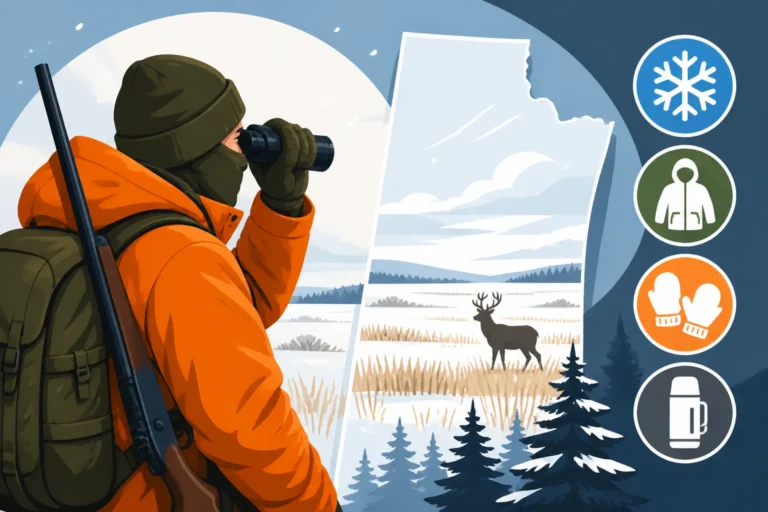
The temperatures in Saskatchewan during hunting season can plummet to alarming lows. We're talking about average daytime highs often well below freezing, and overnight lows that can dip into the -20s, -30s, or even -40s Celsius, not factoring in the wind chill. Imagine trying to fix a tire with numb fingers, or worse, spending an unexpected night out when the mercury reads "Hunting Whitetails at Thirty Below". The wind chill here is a silent killer, dramatically increasing the rate at which exposed skin can suffer frostbite and greatly accelerating the onset of hypothermia. What might be a survivable temperature in a sheltered urban area becomes a critical threat when you're exposed on an open prairie field or deep in a boreal forest. Your body simply loses heat at an alarming rate, and without proper protection and a way to warm up, your core temperature can drop dangerously fast. Even a short walk to retrieve a deer, if you’re underdressed or get disoriented, can become perilous.
Navigating Unpredictable Winter Conditions
Beyond the sheer cold, Saskatchewan's winter weather is notoriously fickle. One moment you might have clear, crisp skies, and the next, a blizzard can roll in with little warning, reducing visibility to mere feet. These sudden storms can dump significant amounts of snow, making once-navigable roads completely impassable due to drifting. I've seen countless hunters get stuck in what looked like a harmless accumulation of snow, only to find their vehicle completely high-centred. Roads that were perfectly clear in the morning can become treacherous sheets of ice by afternoon, or completely blocked by snowdrifts, especially those lesser-travelled grid roads and field access lanes.
Getting stuck, breaking down, or simply losing your bearings in a sudden whiteout can isolate you completely. Cell service is notoriously spotty or non-existent in many of the prime hunting areas across the province. This isn't just an inconvenience; it means your lifeline to the outside world is gone. That's why being self-reliant is paramount. Always tell someone your hunting plan, including your intended route and estimated return time. This simple step, combined with a well-stocked truck kit, can literally be a lifesaver. When "When Grid Roads Drift Shut", you need to know you have the means to either get yourself out or survive until help arrives.
Essential Categories for Your Winter Truck Kit
Think of your truck as your mobile base camp, and your winter kit as its vital supplies. Breaking it down into categories makes it easier to ensure you've covered all your bases. This isn't just a random assortment of items; each piece plays a critical role in your safety and comfort.
Recovery and Traction Gear
This is the stuff that gets you unstuck, and let’s face it, in Saskatchewan winter, getting stuck isn't a matter of if, but when.
A collapsible, heavy-duty shovel is probably the first thing you should throw in your truck. Forget those flimsy plastic ones; you need something that can hack through frozen snow and ice. It's not just for digging out tires; it can clear snow from exhaust pipes, create a path, or even level a spot if you absolutely have to spend a night out.
Traction aids are next on the list. High-quality recovery boards, often referred to as Maxtrax or GoTreads, are excellent for getting purchase on slippery surfaces like snow and ice. They provide a ramp for your tires, allowing you to drive out of a bind. Tire chains are another fantastic option, especially if you anticipate really deep snow or icy conditions on unmaintained roads. Just make sure you know how to install them before you're stuck in a blizzard with numb fingers.
A robust tow strap or kinetic recovery rope is indispensable. A kinetic rope is often preferred as it stretches, allowing for a smoother, less jarring recovery, reducing stress on both vehicles. Make sure it's rated for the weight of your vehicle and that you have proper shackles for attachment points. Understanding how to safely use a tow strap is crucial; improper use can cause serious injury or damage.
Cold weather is brutal on vehicle batteries. A good set of jumper cables or, even better, a portable jump starter pack can save your day. These packs are small, powerful, and don't require another vehicle, which is a huge advantage when you're out in the middle of nowhere. Keep it charged!
Lastly, a portable air compressor and a tire repair kit are often overlooked. Sharp ice or frozen debris can cause punctures. Being able to plug a small leak or re-inflate a tire can prevent a full tire change in sub-zero temperatures. If you run larger tires and air down for traction, an air compressor is a must-have for airing back up once you hit the pavement. Knowing "What to Do If You Get Stuck in the Bush" is greatly aided by having these tools.
Warmth and Shelter
Even if you’re only planning a day hunt, unforeseen circumstances can turn it into an overnight ordeal. Your vehicle is your primary shelter, but what if it breaks down and you lose heat?
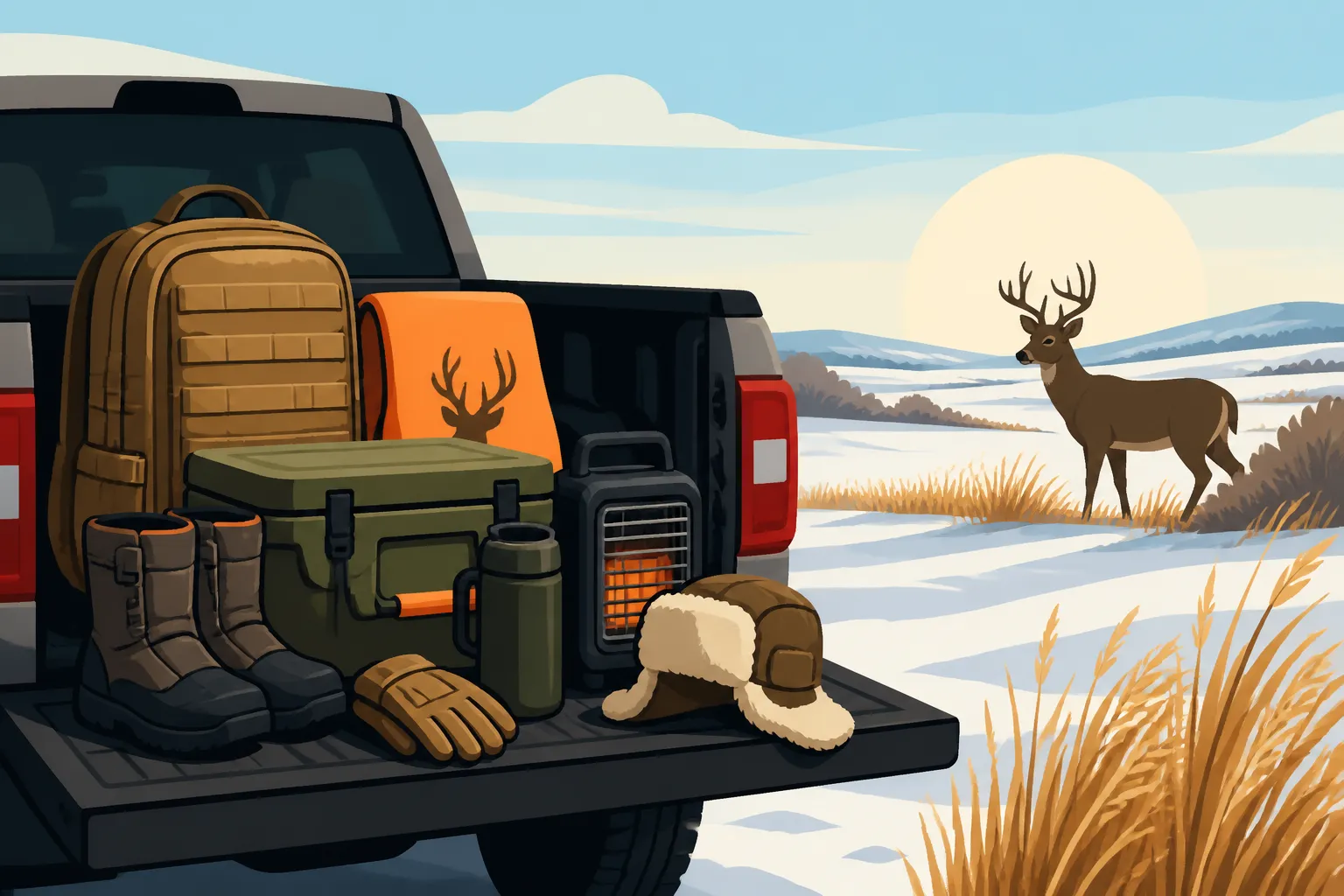
Emergency blankets (Mylar survival blankets) are compact and reflect body heat, offering surprising warmth for their size. Better yet, pack a sleeping bag rated for extreme cold. Even if you don't sleep in it, wrapping up in it will drastically reduce heat loss.
Extra layers of clothing are non-negotiable. Think wool socks, insulated pants, a heavy-duty jacket, a warm hat that covers your ears, and insulated mitts (not gloves, mitts are warmer). These should be dry spares, kept in a waterproof bag. Layering is key, allowing you to add or remove clothing as needed to regulate your body temperature, crucial for "Dressing for Saskatchewan's November Cold".
Hand and foot warmers (chemical packs) are small but mighty morale boosters and can prevent frostbite on extremities. Keep a good supply.
For an emergency heat source, a small, portable propane heater (like a Mr. Heater Buddy) can provide vital warmth in a broken-down vehicle, but use it with extreme caution and ensure ventilation to prevent carbon monoxide buildup. Even a few tea-light candles in a metal can can provide a surprising amount of warmth in a small, enclosed space, but again, fire safety is paramount.
Food, Water, and Sustenance
You never know how long you might be delayed. Having enough calories and hydration is crucial for maintaining energy and body heat.
Pack non-perishable, high-energy food that won't freeze solid. Granola bars, nuts, dried fruit, jerky, and even a couple of cans of hearty soup (and a can opener!) are good choices. Aim for enough food for at least 24-48 hours for everyone in your party.
Water is essential, but it freezes quickly. Keep at least one insulated water bottle full in your truck. Beyond that, a small pot and a portable stove are invaluable for melting snow. Never eat snow directly to hydrate; it lowers your core body temperature. A thermos filled with hot coffee, tea, or soup at the start of the day is a game-changer – it’s a huge morale booster and provides instant warmth.
Communication, Navigation, and Safety
In remote Saskatchewan, your cell phone is often just an expensive camera. True communication and navigation tools are vital.
Staying Connected and Navigating
A satellite messenger or Personal Locator Beacon (PLB) is arguably the most critical piece of communication gear for remote hunting. Devices like Garmin InReach or Spot X allow you to send SOS messages, check-in with loved ones, and even send custom text messages, all without cell service. They literally connect you to emergency services anywhere on Earth. Apps like GoHunt can be invaluable for understanding terrain, identifying potential areas of poor cell service, and planning routes in advance, highlighting where your satellite device becomes your only link. Before heading out, a thorough review of your route using platforms like GoHunt can highlight remote areas where a robust truck kit becomes even more critical. Utilizing resources like GoHunt for mapping and land ownership details can significantly enhance your safety.
Always carry a fully charged power bank (or two) to keep your phone, headlamp, and other USB-powered devices alive.
While technology is great, don't rely on it entirely. A physical map of the area (a Saskatchewan WMZ map is excellent) and a compass are indispensable backups. Learn how to use them! A dedicated GPS device or a robust GPS app on your phone (downloaded offline maps are a must) will help you navigate and mark key locations, especially where "Where Saskatchewan Cell Coverage Ends". Pair this with "Scouting With Satellite Imagery in Saskatchewan" beforehand, and you'll have a great understanding of the terrain.
Lighting and First Aid
When darkness falls, whether planned or unplanned, good light is essential. A headlamp frees your hands, and always carry a spare flashlight and extra batteries for both. Cold drains batteries fast, so keep spares in an internal pocket to keep them warm.
A comprehensive first aid kit is non-negotiable. It should include everything from band-aids and antiseptic wipes to pain relievers, blister treatment (moleskin is a savior), elastic bandages, and any personal medications you require. Consider adding specialized items for cold weather injuries, like extra warming packs or emergency splints.
Don't forget a loud whistle for signaling if you’re injured or disoriented. A good survival knife or multi-tool is always handy for a variety of tasks. And a reliable fire starter – waterproof matches, a couple of lighters, and a ferro rod with some tinder – can provide warmth, cook food, and offer a huge psychological boost in an emergency.
Maintenance, Tools, and Vehicle Specifics
Your vehicle is your lifeline, so taking care of it and having the means to do basic repairs is critical. Many hunters will drive older, reliable trucks for their hunts, but even the best vehicles can have issues in extreme cold.
Vehicle Health and Cold Weather Prep
Before you even load your gear, ensure your truck is winter-ready. Get your battery tested and replaced if it’s weak. A block heater is a fantastic investment if you're parking your truck overnight in freezing temperatures. Crucially, have good winter tires. All-season tires simply don't cut it on ice and deep snow. A full tank of fuel should be your mantra – not only does it prevent your fuel lines from freezing up, but it also means you can run your engine for heat in an emergency.
Ensure all your fluids are winter-grade: antifreeze is obvious, but often overlooked is winter-rated washer fluid; trying to clear a snowy windshield with frozen fluid is maddening and dangerous.
Your spare tire needs to be properly inflated and accessible, and your jack and lug wrench must be in working order. Check the condition of the spare tire at the beginning of the season. A small container of extra fuel can be a lifesaver, as can a funnel designed for cold weather to prevent spills. Ensure your engine oil is the correct weight for extreme cold; your owner’s manual will have recommendations. Remember, getting your vehicle ready is part of your "Winter Road Access in Northern Saskatchewan" preparation.
Small Tools and Miscellaneous Items
A basic tool kit with a wrench set, pliers, and screwdrivers can help with minor repairs. Duct tape and zip ties are universal fixers for almost anything.
For clearing brush or gathering emergency firewood, a small axe or folding saw can be useful. A bag of cat litter or sand under your seat can be quickly deployed for extra traction under spinning tires.
Don't forget the obvious: a sturdy window scraper and brush are essential for maintaining visibility, especially after a frosty night. Finally, a couple of burlap sacks or old carpet scraps can serve multiple purposes: kneeling pads, extra traction aids, or even as temporary insulation. And reflective triangles or flares are important for marking a broken-down vehicle on a busy road, though less critical on remote back roads.
Here's a handy table to help you organize your ultimate Saskatchewan winter truck kit:
| Category | Item | Priority | Notes |
|---|---|---|---|
| Recovery & Traction | Collapsible, Heavy-Duty Shovel | High | Metal blade, strong handle. |
| Traction Boards (e.g., Maxtrax) | High | Essential for snow, ice, mud. | |
| Heavy-Duty Tow Strap/Kinetic Rope | High | With rated shackles. Learn proper use. | |
| Jumper Cables or Jump Starter Pack | High | Keep pack charged. | |
| Tire Chains | Medium | Know how to install. | |
| Portable Air Compressor & Tire Repair Kit | Medium | For punctures and airing up/down. | |
| Warmth & Shelter | Extreme Cold Sleeping Bag | High | Rated to -30°C or colder. |
| Extra Layers of Dry Clothing | High | Wool socks, insulated jacket, hat, mitts. Waterproof bag. | |
| Chemical Hand/Foot Warmers | High | Ample supply. | |
| Emergency Mylar Blankets | Medium | Compact, reflect body heat. | |
| Small Portable Propane Heater | Medium | Use with caution, ensure ventilation. | |
| Food, Water & Sustenance | Non-Perishable, High-Energy Food | High | Bars, nuts, jerky, dried fruit (24-48 hr supply). |
| Insulated Water Bottle | High | Keep full, prevent freezing. | |
| Thermos with Hot Beverage | High | Morale booster, instant warmth. | |
| Small Pot & Portable Stove (Fuel) | Medium | For melting snow, heating food. | |
| Comm. & Navigation | Satellite Messenger / PLB | High | Garmin InReach, Spot X. Your lifeline. |
| Fully Charged Power Bank | High | For phone, headlamp. | |
| Physical Map & Compass | High | Learn to use; backup to electronics. | |
| GPS Device/App (Offline Maps) | High | Know your way; mark key locations. GoHunt can assist. | |
| Lighting & First Aid | Headlamp & Spare Flashlight | High | Extra batteries kept warm. |
| Comprehensive First Aid Kit | High | Personal meds, wound care, cold weather items. | |
| Fire Starter Kit | High | Waterproof matches, lighters, ferro rod, tinder. | |
| Whistle | Medium | For signaling. | |
| Survival Knife / Multi-Tool | Medium | Essential for various tasks. | |
| Vehicle Maintenance | Winter-Rated Fluids | High | Antifreeze, washer fluid, correct engine oil. |
| Spare Tire, Jack & Lug Wrench | High | Accessible and in good condition. | |
| Basic Tool Kit | Medium | Pliers, wrenches, screwdrivers. | |
| Duct Tape & Zip Ties | Medium | Universal fixers. | |
| Small Axe or Folding Saw | Medium | For clearing brush, emergency firewood. | |
| Bag of Sand/Cat Litter | Medium | For tire traction. | |
| Window Scraper & Brush | High | For visibility. | |
| Reflective Triangles/Flares | Medium | For roadside emergencies. |
Disclaimer
Hunting is an inherently risky activity. The information provided in this guide is for informational purposes only and is not a substitute for professional training, personal experience, or adherence to all local regulations. Always prioritize safety, inform others of your plans, and be prepared for unexpected situations in the field. Conditions can change rapidly, and your judgment and preparedness are your greatest assets.