Hunting Saskatchewan Ground Others Drive Past
It’s a frustratingly common scenario for hunters across Saskatchewan: you drive countless miles of grid roads, scanning fields and bush lines, only to feel like every visible piece of promising cover is either crawling with other hunters, posted with "No Hunting" signs, or simply doesn't hold the animals you're looking for. It can feel disheartening, like all the good spots are already spoken for. But what if the best spots aren't the ones everyone sees from the pavement? This guide is all about helping you uncover those overlooked, low-pressure hunting grounds in Saskatchewan that others drive right past, giving you an edge and a new appreciation for hidden opportunities.
The Mindset Shift: Looking Beyond the Obvious
The biggest hurdle for many hunters is breaking free from the conventional idea of what a "good" hunting spot looks like. We're often conditioned to seek out big, sprawling bush blocks, large river valleys, or expansive coulee systems – the kind of places that scream "deer habitat!" from a mile away. While those areas certainly hold game, they also attract the majority of hunter pressure. To find success on ground others ignore, you need to cultivate a different way of seeing the landscape, training your eye to spot subtle nuances and smaller pockets of cover that are frequently dismissed.
Recognizing Overlooked Habitat Features
Think about what deer, moose, or even upland birds need: food, water, and cover. While large tracts of land provide these in abundance, so can much smaller, less conspicuous areas. We often overlook micro-habitats that, individually, might not seem significant, but collectively offer crucial refuge. This could be a small cluster of willows in the middle of a stubble field, a narrow strip of bush clinging to a ditch line, or even a small, overgrown slough that's too shallow for ducks but provides excellent bedding. These aren't the trophy hotspots everyone dreams of, but they are often exactly where mature animals will seek sanctuary when pressure builds elsewhere. The deer know these spots, and they count on us humans driving by them.
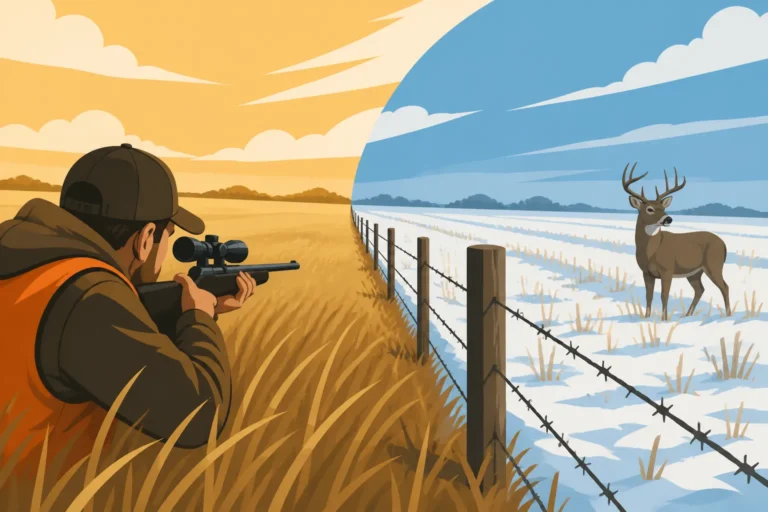
Consider the edges of cultivation, those often-untouched strips where the farmer’s plow couldn’t quite reach, or where a fence line created a small, natural buffer. These narrow corridors, sometimes only a few yards wide, can be superhighways for deer moving between larger blocks of cover or feeding areas. Similarly, a single, isolated bluff of poplar trees in a vast prairie landscape, though small, can serve as a critical bedding area for a mature buck that doesn't want to deal with the commotion of a larger bush. Hunters often discount these areas because they seem "too small" or "too exposed," but that's precisely why they become prime low-pressure havens.
The Art of "Slow Scouting"
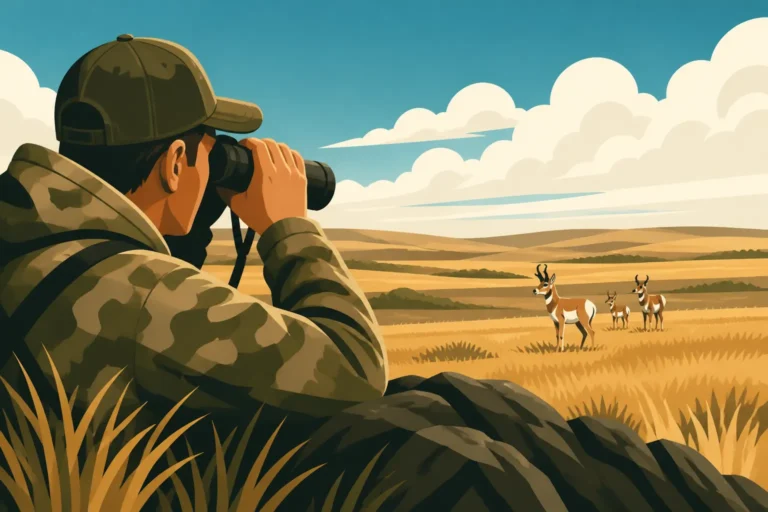
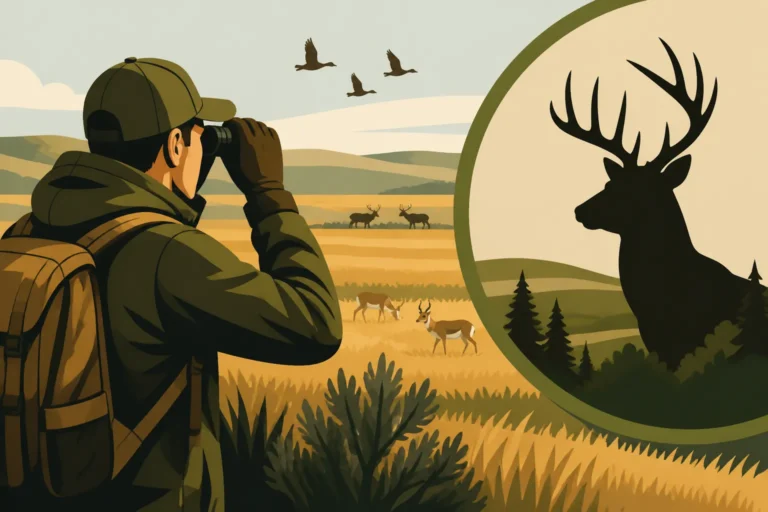
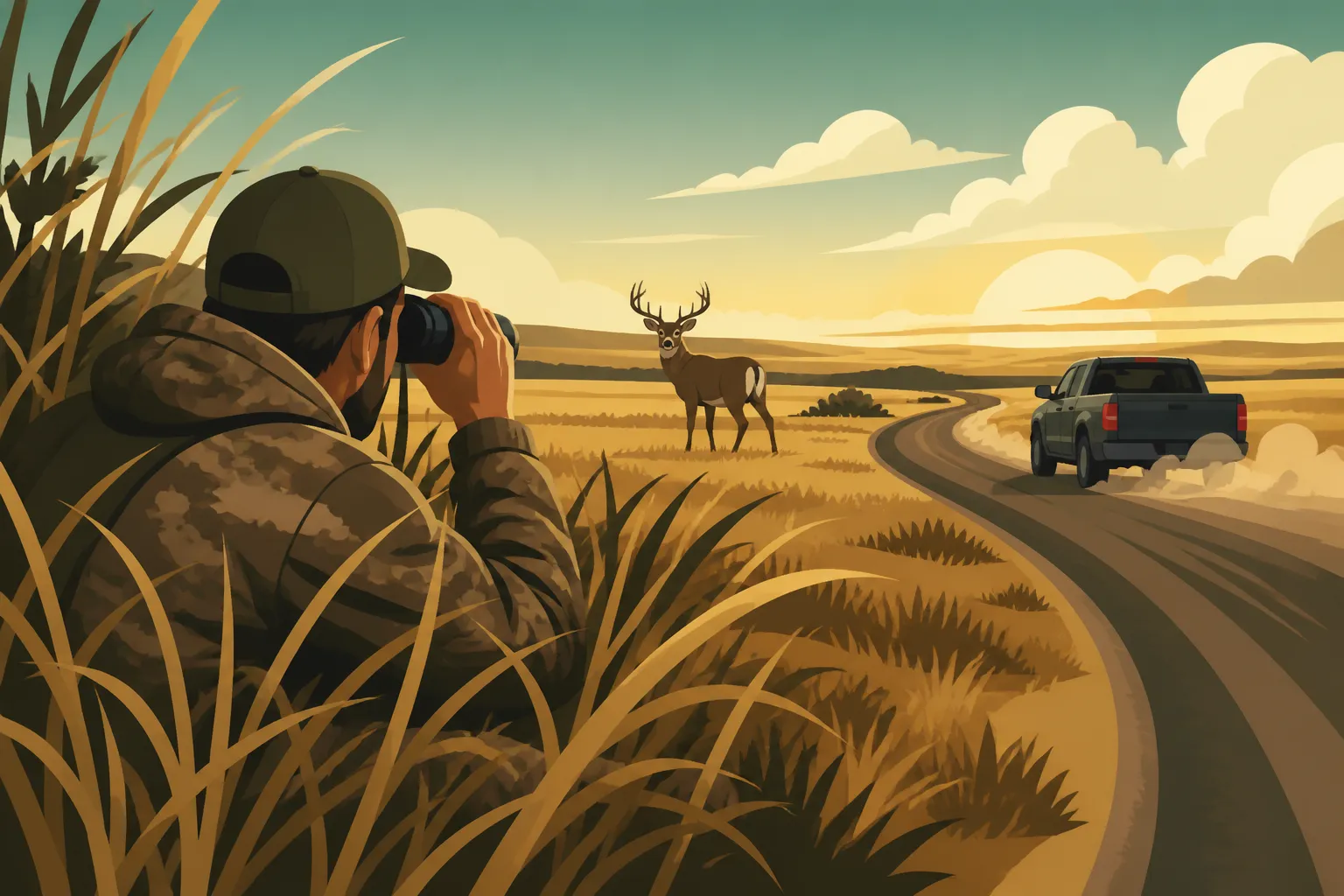
Finding these hidden gems isn't something you do at 60 miles an hour from your truck window. It requires "slow scouting"—a deliberate, patient approach to observing the landscape. This means pulling over, getting out of the vehicle, and walking. It means taking the time to truly look at every nook and cranny, even those that appear insignificant at first glance. Don't be afraid to leave the beaten path and investigate that tiny willow run or the thick brush along a seemingly dry creek bed. This is where you start to find subtle signs: a rubbed sapling, a fresh track in the mud, or droppings that indicate regular animal movement.
Think about scouting on foot with the intent of finding what's not immediately obvious. Instead of just driving past an agricultural field, consider walking its perimeter, paying close attention to any breaks in the uniform landscape. Is there a small, uncultivated corner? An old fence line with overgrown brush? A slight depression that gathers water and hosts thicker vegetation? These are the kinds of features that might not show up prominently on a map but are invaluable once discovered. Take your time, really absorb the details, and remember that animals are masters of utilizing even the slightest advantage in cover.
Tools and Techniques for Uncovering Hidden Gems
While boots on the ground are irreplaceable, modern technology, combined with local knowledge, can significantly enhance your ability to pinpoint overlooked hunting opportunities. It’s about merging traditional hunting wisdom with twenty-first-century tools to gain a comprehensive understanding of the landscape.
Leveraging Mapping Technology and Local Intel
Digital mapping tools are absolute game-changers for identifying potential hidden spots. Platforms like GoHunt provide incredibly detailed satellite imagery that allows you to zoom in and analyze terrain features that might be invisible from the road. You can spot those isolated bluffs, narrow strips of cover, small slough rings, or even the subtle elevation changes that can funnel game. Spend hours virtually scouting from your couch, marking potential waypoints, and identifying areas that look like they could offer cover or travel corridors away from main roads and visible access points. When you're ready to hit the field, these marked spots give you a starting point.
Beyond satellite imagery, these apps often offer property boundaries and landowner information, which is crucial for gaining permission. Many overlooked spots might be on private land, and a friendly knock on the door can open up incredible opportunities. Don't forget the power of local intelligence either. Talk to farmers, rural residents, or even other hunters (without giving away your exact spots, of course!). Sometimes, a brief conversation can reveal valuable insights about areas that hold game but are rarely hunted, perhaps because they are difficult to access or are just not considered "prime" by the masses. Knowing Reading a Saskatchewan WMZ Map Before You Go and understanding land classifications can also guide your search.
Boots on the Ground: The Invaluable Reconnaissance
Once you've identified potential overlooked areas using maps, it's time for the boots-on-the-ground reconnaissance. This is where you confirm your suspicions and truly understand the lay of the land. Walk the edges of small cover pockets, investigate those willow rings, and follow faint game trails. Look for rubs, scrapes, beds, and droppings. How fresh are they? What direction do they indicate animals are traveling? Is there a water source nearby? How is the wind likely to swirl in this specific micro-habitat?
During this physical scouting, pay attention to access. How easy or difficult is it to get into this spot without spooking game? Often, the best overlooked spots are those that require a bit more effort to reach – perhaps a longer walk, crossing a ditch, or navigating some thicker brush. This natural barrier to entry is often what keeps other hunters away. Think about how you would approach the area for a hunt, considering wind direction, concealment, and escape routes for the animals. Remember, a thorough understanding of the terrain through actual foot travel is exponentially more valuable than relying solely on aerial views. For example, when Scouting With Satellite Imagery in Saskatchewan, those green patches might look impenetrable, but a walk-through could reveal subtle trails.
Specific Micro-Habitats to Target
Saskatchewan's landscape is diverse, offering a range of micro-habitats that often go unnoticed. From the vast prairies to the forest fringe, these small, discrete areas can be goldmines for hunters willing to put in the effort.
Focusing on Marginal Edges and Forgotten Corners
Marginal edges are those places where one type of habitat transitions into another, but on a smaller scale than typical, obvious ecotones. Think of the brushy edge of a field where it meets a small woodlot, or the sparse trees that line an old, disused track. These aren't grand transitions, but they are consistent travel routes for game. Often, these areas are too small to set up a full-blown deer camp or permanent stand, which means they see minimal hunting pressure. Deer, especially, will use these marginal corridors to move discreetly between bedding and feeding areas, often under the cover of darkness or during low-light conditions. Finding a good pinch point or funnel along such an edge can be incredibly productive.
Consider the edges of shelterbelts. While a long, straight shelterbelt might be obvious, a short, crooked one that wraps around a small depression or old building site could be a fantastic find. Similarly, an Abandoned Homestead Yard with its remnants of trees, foundations, and overgrown shrubs provides amazing cover and can hold surprising numbers of deer or upland birds. These forgotten corners, often just a few acres in size, act as natural magnets for wildlife seeking refuge from open country and human activity. Taking the time to research old maps for historical farm sites or even just keeping an eye out for tell-tale tree lines or foundations while driving can lead to significant discoveries.
The Allure of Small, Isolated Cover
Small, isolated pockets of cover are arguably the most overlooked hunting grounds. These could be anything from a dense Willow Ring Around a Pothole in the middle of a pasture to a solitary Poplar Bluff at First Light that seems too exposed to hold anything significant. However, these seemingly insignificant spots are often exactly where mature, wary animals choose to bed during daylight hours, especially during the rut or late season when hunting pressure is high. They offer a sense of security and a clear view of approaching danger, allowing animals to feel safe even in relatively open terrain.
A prime example is a small Dugout in Dry Country or a cluster of scrub brush in a low-lying area. While they might not provide a vast food source, they offer crucial water and cover, particularly in arid zones. Deer and moose will often stage in these spots before venturing out into open fields to feed at dusk. The key is that these areas are usually too small to attract much attention from hunters driving by, and they often require a longer walk or careful approach to access, further reducing pressure. Hunters using GoHunt can easily identify these small oases on satellite maps, which appear as dark green dots in a sea of lighter agricultural or grassland terrain.
| Feature Type | Common Perception | Overlooked Potential | Hunter Pressure |
|---|---|---|---|
| Large Bush Block | Prime habitat, obvious choice | Often heavily hunted, predictable animal movement | High |
| River Valley | Major travel corridor, rich habitat | Accessible points crowded, harder to access sections | Moderate-High |
| Small Poplar Bluff | Too small, exposed, not worth the effort | Excellent bedding/staging for wary bucks, low pressure | Low |
| Willow Ring/Slough | Only for birds, too wet | Dense cover for deer, furbearers, often isolated | Low |
| Field Edge (subtle) | Just a field, nothing special | Critical travel corridor between food & cover, pinch points | Low-Moderate |
| Abandoned Homestead | Run down, private property, no game | Fantastic cover, structure, food sources from old gardens | Very Low |
| Isolated Coulee | Too far, too small, not part of a system | Refuge for mule deer, natural windbreaks, water | Low |
Strategies for Hunting These Overlooked Areas
Finding these hidden gems is only half the battle; successfully hunting them requires a tailored approach that respects the nature of low-pressure spots and the wary animals that inhabit them.
Adapting Your Approach for Low-Pressure Spots
When you're hunting ground others drive past, the first rule is to maintain that low-pressure environment. This means minimizing your disturbance and being incredibly stealthy. Don't go crashing through the brush to access your stand; approach quietly, utilizing natural cover and wind direction to your advantage. These spots are often small, so a single careless entry can blow out every animal in the area. Consider a quiet, subtle approach for a Hanging a Stand on a Saskatchewan Bush Edge, or a slow, quiet still-hunt through a Hunting a Willow Run for Whitetails.
Since these areas are smaller, your hunt might be shorter and more targeted. Instead of an all-day sit in a large bush block, you might focus on hunting the first few hours of daylight or the last few hours before dark, when animals are most likely to move in and out of these secure pockets. Entry and exit routes are paramount. Plan them meticulously to avoid blowing out your spot. Sometimes, a long walk-in is necessary, but it's often worth it to ensure your presence goes undetected. Remember, these animals are there because they feel safe; your job is to exploit that feeling of safety without eroding it.
The Element of Surprise
One of the biggest advantages of hunting overlooked areas is the element of surprise. The animals inhabiting these spots aren't accustomed to heavy human pressure, which means they might be less skittish or less patterned than those in highly hunted zones. This doesn't mean they're dumb, but they might react differently to an encounter. You can use this to your advantage by approaching from unexpected angles or using subtle calling techniques that wouldn't work in high-pressure areas. A soft grunt call or a quiet rattling sequence in a sheltered Hunting a Slough Ring in Open Country might be incredibly effective.
Because these spots are often small, still-hunting or stalking can be extremely productive. Moving slowly and deliberately through a small bluff, along a fence line between quarters, or around a Shelterbelt Row in Open Prairie can put you in a position for an ethical shot. Pay close attention to wind shifts and thermal currents, as these micro-habitats can create unpredictable airflows. The key is to be fluid and reactive to the environment. Don't be afraid to try new tactics in these low-pressure zones – sometimes, the very things that seem unconventional in heavily hunted areas are what will lead to success when hunting Saskatchewan ground others drive past. When hunting a Field Approach at Dusk, knowing the animal's likely path can be a huge advantage.
Disclaimer
Hunting is a challenging and rewarding activity that requires adherence to local laws and regulations. Always consult the current Saskatchewan Hunting and Trapping Guide for precise regulations, season dates, and licensing requirements. Ensure you have proper landowner permission before hunting on private land. Safety should always be your top priority.