Hunting a Poplar Bluff at First Light
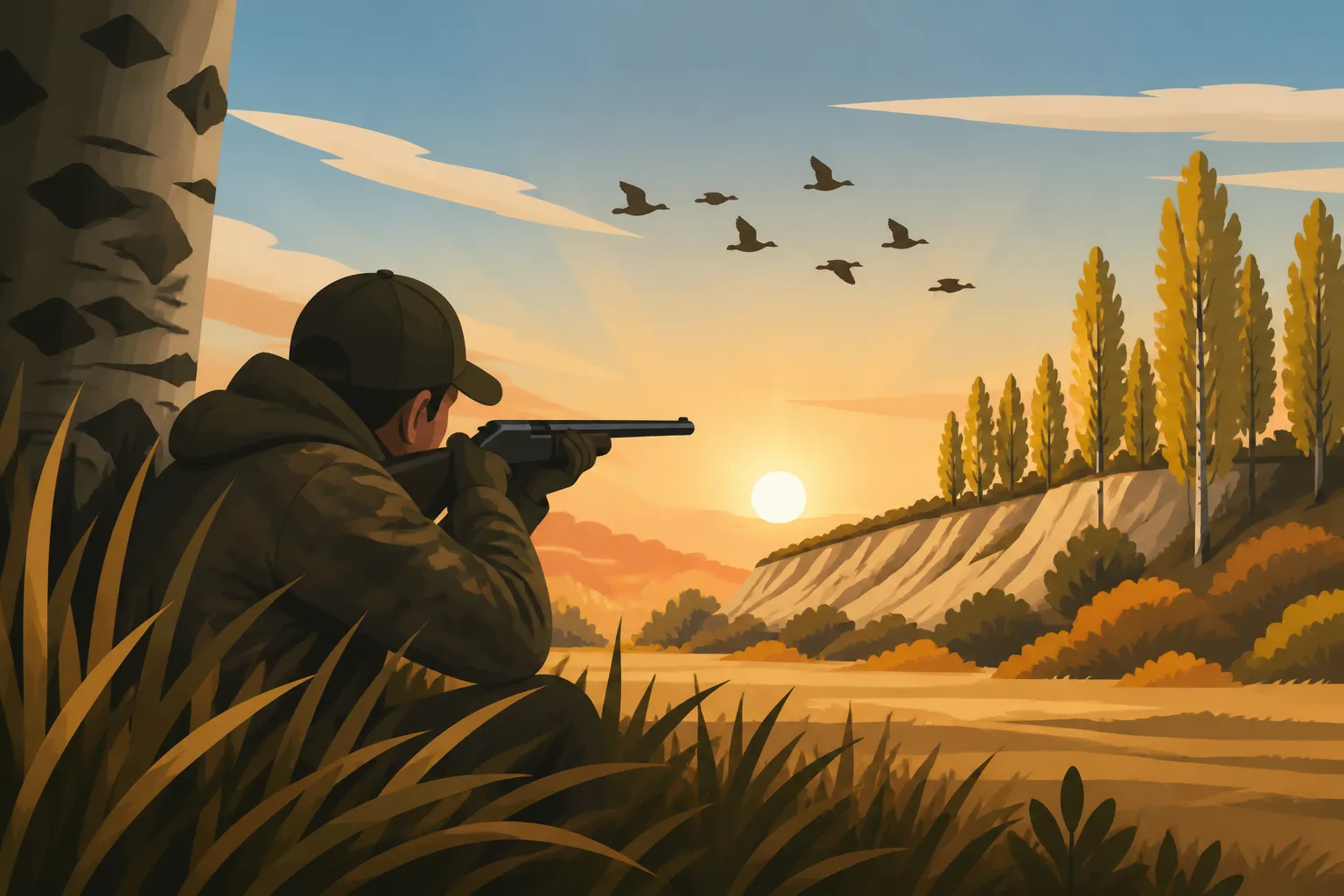
That moment just before dawn, when the world is hushed and still, holds a unique magic for a hunter. But for many, navigating the shadowy depths of a dense poplar bluff in Saskatchewan as first light creeps in can feel less like magic and more like an intimidating challenge. You know the deer are in there, tucked away from the previous night's feeding, or maybe just starting to move, but how do you slip in undetected and set yourself up for success before they melt away into the thick cover? This comprehensive guide will walk you through the nuances of scouting, approaching, and effectively hunting a Saskatchewan poplar bluff when those critical early morning minutes are on the line.
Understanding the Appeal of Poplar Bluffs for Game
Saskatchewan’s landscape, particularly the aspen parkland and forest fringe regions, is dotted with countless poplar bluffs. These islands of trees are far more than just patches of woods; they are vital sanctuaries and travel corridors for a variety of game, most notably our magnificent white-tailed deer. If you’re not focusing your first-light efforts on these natural havens, you might be missing out on some incredible opportunities.
Why Bluffs are Deer Magnets
Poplar bluffs offer a perfect trifecta for deer: unparalleled cover, diverse food sources, and a strong sense of security. Unlike wide-open fields or sparse willow patches, a dense bluff provides a labyrinth of trees, brush, and undergrowth where deer can bed down, escape predators, and remain largely unseen. These bluffs often feature a mix of aspen, balsam poplar, and various shrubs like saskatoon, chokecherry, and pin cherry. These shrubs, along with the young aspen shoots, provide crucial browse throughout the year. As autumn settles in, the fallen poplar leaves also create a soft, quiet forest floor that deer use for bedding, especially on cold, crisp mornings. The dense canopy provides thermal protection from biting winds and driving snow, making them ideal wintering areas and late-season refuges. This combination of shelter and sustenance makes them a primary location for deer activity, particularly during the transition from night feeding to daylight bedding.
It’s not just whitetails, either. Moose and elk, especially in the forest fringe areas, will use these bluffs for bedding and browsing, particularly if there’s an associated wetland or marsh nearby. Black bears often utilize the thick cover for day beds and to access natural food sources like berries, especially during the spring and fall. Even smaller game like Ruffed Grouse thrive in these environments, feeding on buds and berries and using the dense undergrowth for roosting. Therefore, a bluff isn't just a deer spot; it's a wildlife hub.
Reading the Terrain and Deer Sign within the Bluff
Before you even think about setting up, you need to become a detective. Reading the terrain within and around a poplar bluff is crucial. Bluffs often have varied topography, even if subtle, with slight ridges, depressions, and natural drainages that deer will use as travel routes. Look for pinch points where dense cover funnels deer movement, or saddles in higher ground within the bluff that act as natural crossings. These are often the highways deer prefer, especially when moving from a feeding area back into deep cover at dawn.
The most important step, however, is deciphering the language of deer sign. Fresh tracks are your most obvious clue, showing recent activity. Pay close attention to the size and depth of tracks, which can give you an idea of the deer's size and urgency. Rubs, particularly fresh ones on small saplings, indicate a buck's presence and direction of travel. Scrapes, with their disturbed earth and overhanging licking branches, are communication hubs and tell you exactly where deer are stopping and checking for other deer. Droppings can indicate recent feeding activity and the general health of the animals. If you're seeing signs that suggest deer are moving from a field into the bluff at first light, or if you find bedded areas deep within the bluff with fresh sign, you're on the right track. Remember that reading sign after fresh Saskatchewan snow can reveal incredible insights into deer patterns, making those snowy mornings an excellent scouting opportunity.
Pre-Season Scouting and Planning for First Light
Success in a poplar bluff at first light isn't born of luck; it's a direct result of meticulous planning and dedicated scouting. The work you put in before the season, or even days before a specific hunt, will exponentially increase your odds.
Utilizing Mapping Tools and Technology
Before you ever set foot in the field, tools like GoHunt become invaluable. High-resolution satellite imagery can show you the exact shape, size, and density of poplar bluffs. You can identify potential access points, determine which edges are adjacent to prime feeding fields, and even spot subtle trails or openings that might not be visible from the ground. Look for fingers of cover extending from the main bluff, or small island bluffs that connect to a larger timber block; these are natural travel corridors. Contour lines on a topographic map will reveal elevation changes, helping you understand how deer might move with the terrain. For example, a slight rise within a bluff could be a preferred bedding knoll, offering deer a vantage point, while a low-lying area might indicate thicker, thermal cover.
Overlaying land ownership maps, readily available on platforms like GoHunt, is also critical for hunting Saskatchewan Crown Land or ensuring you're only accessing private land for which you have explicit permission. You can pinpoint specific bluffs on public land that might otherwise go unnoticed, or identify potential access points to a private bluff after securing landowner permission. The ability to mark waypoints for potential stand sites, entry routes, and observed sign during your digital scouting phase saves immense amounts of time and effort in the field.
Boots-on-the-Ground Reconnaissance
Digital scouting is a powerful starting point, but it's no substitute for getting your boots dirty. Once you've identified promising bluffs on a map, it's time to confirm your intel. Walk the edges of the bluff, looking for primary entry and exit trails. These will often be well-worn paths leading from crop fields or open pastures directly into the denser cover. Walk into the bluff, but do so carefully and strategically, perhaps during midday or off-season, to avoid disturbing game right before a hunt. Your goal is to find those subtle rub lines, fresh scrapes, and heavily used trails deep within the bluff. Identify potential bedding areas – typically thick, sheltered spots offering good visibility downwind.
While scouting, think about where you'd want to set up a stand or ground blind. Consider the prevailing wind direction, sun position at first light, and potential shooting lanes. When hanging a stand on a Saskatchewan bush edge, for instance, you'll want to ensure you have good cover for your silhouette and clear lines of sight to where you expect deer to move. Always mark these spots on your GPS or mapping app. During this phase, you’re also looking for any natural barriers or features that could funnel deer towards your chosen setup, like a downed log, a thicket, or even a subtle shift in terrain. Remember, the more you scout, the better your understanding of how deer use that specific bluff.
Considering Wind and Thermals
This is arguably the most critical aspect of first-light hunting in a bluff. Deer, especially mature bucks, rely heavily on their noses. A single waft of human scent can blow your hunt before it even begins. Wind direction is paramount, but in the undulating terrain of a bluff, especially at dawn, thermals come into play. As the sun rises and begins to warm the earth, air currents (thermals) will typically begin to rise. Conversely, before the sun warms the ground, colder, heavier air will often sink and flow downhill. This means that if you're set up on a hillside within a bluff at first light, your scent might initially be carried downhill, but as the day progresses, it could reverse and rise.
Always check the local forecast for wind direction, but also carry a wind checker powder with you to observe the subtle shifts in real-time. Position yourself so your scent cone is blowing away from where you expect deer to approach or bed. This often means setting up on the downwind side of a trail or bedding area. For early morning hunts, considering how thermals will affect your scent is as important as the prevailing wind. If deer are moving from a low-lying field into a bluff on higher ground, an early morning setup on the leeward side of the bluff could be disastrous as cold air sinks and carries your scent right to them. Adapt your entry and exit routes, and your stand placement, to minimize your scent footprint.
First Light Tactics in a Poplar Bluff
The alarm clock blares, and your heart starts to pound. The moment of truth has arrived. Executing your plan flawlessly in those pre-dawn minutes is what separates a good hunter from a consistently successful one.
Stealthy Approach in the Dark
Getting to your stand or blind without alerting every animal in the county is paramount. This means planning your approach down to the smallest detail. Arrive at your parking spot with ample time to spare, typically 60-90 minutes before legal shooting light, especially if you have a significant walk. Your path should be as quiet and scent-free as possible. Use existing trails, ditches, or even fence lines that offer natural cover and quieter footing. Avoid crunching through dry leaves or breaking branches. Headlamps should be used sparingly and on the lowest red-light setting to preserve your night vision and minimize your visible signature.
Walk slowly, pausing frequently to listen. The woods are alive even before dawn; listen for deer blowing, branches snapping, or the faint rustle of leaves that indicates movement. If you bump a deer on your way in, it's not the end of the world, but try to note its direction of travel. Often, they won't go far, especially if they didn't get a good read on what spooked them. However, a silent approach is always the goal. Your entry route should typically avoid known bedding areas and prime travel corridors until you are well within your setup zone. If you have chosen a stand deep within the bluff, consider what gear you can carry in quietly and efficiently to minimize noise during setup.
Stand and Blind Placement for Optimal Shots
Your choice of stand or blind, and its precise placement, can make or break your first-light hunt. For tree stands, look for a mature poplar or other sturdy tree that offers both concealment and a good shooting lane. Aim for a height that gives you a clear view over any underbrush but doesn't silhouette you against the sky. Consider the angle of the sun at first light – you don't want it blinding you or shining directly into your stand, making you glow like a beacon. A natural backdrop of thicker trees is ideal for breaking up your outline. Remember to trim shooting lanes before the season, not the morning of the hunt.
Ground blinds offer excellent concealment, especially in areas where dense undergrowth or downed timber make natural setups difficult. They also trap scent relatively well, which can be an advantage when dealing with swirling thermals. Ensure your blind is brushed in thoroughly and has been out for a while so deer are accustomed to its presence. For first-light hunting, position your blind to maximize shooting opportunities on key trails leading into the bluff, or overlooking a natural funnel. Your setup should allow you to draw your bow or shoulder your rifle without excessive movement that could spook a cautious deer. Think about the expected approach direction of the deer and how you'll need to move to get a shot off. For tips on where to focus your attention, check out our guide on Hunting a Bush Bluff.
Patience and Observation
Once you're settled in your stand or blind, the hardest part for many hunters begins: waiting. First light in a poplar bluff is a time of incredible transition. Deer might already be bedded, or they could be making their final move from a feeding area. Your eyes and ears need to be hyper-alert. Scan the edges of the bluff first, where deer might pause before entering the thicker cover. Then, slowly expand your focus into the deeper parts of the bluff, looking for subtle movements: an ear flick, a tail twitch, the glint of an antler.
Animals often appear like ghosts in the low light. Use your binoculars regularly, even in near darkness, to pick apart the shadows. Often, you'll see a deer long before you can clearly identify it. Pay attention to the sounds too: the rustle of leaves, a twig snap, a soft bleat or grunt. During the rut in early to mid November, these sounds could be a buck cruising through looking for does. Don't be too quick to call out or make a move. Let the light increase, allowing you to clearly identify your target. The first hour of daylight is often the most productive, so sit tight and remain motionless. Remember, those big Saskatchewan bucks didn't get big by being careless, and your stillness is your greatest asset.
Overcoming Challenges and Common Mistakes
Even with the best planning, hunting a poplar bluff at first light presents its own set of hurdles. Anticipating these and knowing how to react can turn a potentially blown opportunity into a successful hunt.
Dealing with Changing Conditions
Saskatchewan weather is notoriously unpredictable. A calm morning can quickly turn windy, or a light breeze can shift 180 degrees. This is where your wind checker becomes your best friend. If the wind changes dramatically and starts blowing towards a known bedding area or primary travel route, you have a decision to make. Do you try to shift your position quietly, knowing you might spook something? Or do you decide to sit it out, hoping deer are already past you or that the shift is temporary? Often, the safer bet is to wait it out, especially if you're already deep in the bluff. Any movement on your part will create noise and movement, making your presence known.
Beyond wind, other conditions like fog, drizzle, or sudden temperature drops can also impact deer behavior. Fog can reduce visibility, but it can also mask your movements and scent, sometimes creating unexpected opportunities. A sudden cold snap might push deer to seek thicker thermal cover earlier in the morning. Being adaptable is key. If your primary spot isn't working due to conditions, have a backup plan. Perhaps another bluff nearby offers a different wind advantage, or a transition zone you could quickly move to if the conditions dictate. Staying aware of the Saskatchewan winter weather safely is not just about comfort, but also about strategic hunting decisions.
Avoiding Scent Contamination
Scent control is non-negotiable when hunting deer, especially in close quarters within a bluff. It goes beyond just showering with scent-eliminating soap and spraying down your clothes. Every piece of gear, from your backpack to your boots, needs to be as scent-free as possible. Store your hunting clothes in airtight containers with natural scent absorbers like pine needles or activated carbon. Avoid filling your vehicle with gas or eating strong-smelling foods while wearing your hunting clothes.
During your approach and while on stand, minimize touching anything unnecessarily. If you must relieve yourself, do so away from your setup and downwind, and use a portable bottle or wag bag. Even exhaled breath carries scent, which is why a good face mask can sometimes help. Remember, deer are constantly scent-checking, and even the faintest whiff of human odor can send them bounding away. Being meticulous about scent control in a poplar bluff means treating every element of your person and gear as a potential source of alarming odor.
Knowing When to Move or Stay Put
This is the eternal dilemma for hunters. You've sat for an hour or two, the sun is now well up, and you haven't seen a thing. Should you move? Or should you remain patient? In a poplar bluff at first light, patience often pays off more than aggressive movement. Deer might be lingering in thick cover, waiting for the woods to settle down after dark. A mature buck might not move until well after sunrise, making a cautious loop before bedding for the day. Sitting all day in a Saskatchewan blind can be incredibly effective, especially during the rut when bucks are constantly on the move.
However, there are times when a strategic move is warranted. If the wind completely shifts and there's no way your current position is viable, a quiet exit and re-entry to a different spot might be your only option. If you haven't seen any sign, and your scouting intel suggests a different area of the bluff might be more active, a slow, methodical still-hunt through a less dense part of the bluff could uncover a new opportunity. The decision often comes down to gut feeling, combined with all the information you've gathered. Don't be afraid to trust your instincts, but always prioritize stealth and safety. Sometimes, the best move is no move at all, allowing those big Saskatchewan bucks to make the mistake of thinking the coast is clear.
Here's a quick checklist to help you organize your thoughts for your next first-light bluff hunt:
| Category | Checklist Item | Importance | Notes |
|---|---|---|---|
| Scouting | Identify bluff entry/exit points | High | Use GoHunt for satellite imagery and land ownership. |
| Locate fresh sign (rubs, scrapes, tracks, beds) | High | Confirm digital intel with boots-on-the-ground. | |
| Map potential stand/blind locations | High | Consider wind, sun, shooting lanes, backdrop. | |
| Scout primary and secondary travel corridors | Medium | Look for natural funnels within the bluff. | |
| Scent Control | Use scent-free laundry detergent & body wash | High | Minimize all human odors. |
| Store hunting clothes in airtight containers | High | Prevent contamination from vehicle or home scents. | |
| Wear rubber boots to minimize ground scent | High | Prevent leaving scent trail on approach. | |
| Use wind checker often during approach and hunt | High | Monitor subtle wind shifts and thermal currents. | |
| Approach | Arrive 60-90 minutes before legal light | High | Allows for slow, stealthy movement. |
| Use red headlamp sparingly on lowest setting | High | Preserve night vision, avoid spooking game. | |
| Walk slowly, pause often to listen | High | Avoid crunching leaves, breaking branches. | |
| Plan entry route to avoid known bedding areas | High | Circumnavigate high-activity zones until on stand. | |
| On Stand | Remain motionless and quiet | High | Your stillness is your biggest asset. |
| Continuously scan with eyes and binoculars | High | Look for subtle movements in low light. | |
| Be patient; deer move at their own pace | High | First hour of daylight is prime time. | |
| Have calls or rattling antlers ready (if applicable) | Medium | Grunt calls late in Saskatchewan's rut can be effective. | |
| Gear | Rangefinder | High | Crucial for precise shot placement in varying light. |
| Warm clothing layers | High | Crucial for sitting still in cold Saskatchewan mornings. | |
| Thermos with hot beverage | Medium | Comfort and morale for long waits. | |
| Harvest kit (knife, gloves, tag) | High | For immediate field dressing if successful. |
Ultimately, hunting a poplar bluff at first light in Saskatchewan is an art form that blends meticulous preparation with disciplined execution. It's about respecting the animals' senses, understanding their behavior, and positioning yourself in a way that gives you the advantage during those precious minutes when the world awakens. By focusing on detailed scouting, vigilant scent control, a silent approach, and patient observation, you can transform those shadowy bluffs into prime hunting grounds, year after year.
Disclaimer
Please ensure you are familiar with and adhere to all current Saskatchewan hunting regulations, licensing requirements, and landowner permission laws before heading out. Safety should always be your top priority.