Saskatchewan Posted Land Sign Rules
One of the most common headaches hunters face in Saskatchewan, especially if you're new to an area or even new to hunting our province, is figuring out where you can actually go. The fear of accidentally stepping onto private property, inadvertently breaking the law, and damaging relationships with landowners is a real and constant worry. This guide aims to clear up the confusion surrounding Saskatchewan's posted land sign rules, helping you understand what's legal, what's expected, and how to hunt responsibly and ethically.
Understanding Saskatchewan's Trespass Laws
Hunting in Saskatchewan is an incredible experience, but it comes with a significant responsibility: knowing where you can and cannot hunt. This isn't just about avoiding trouble; it's about respecting landowners, their property, and the long-standing traditions of our province. Getting this right is fundamental to enjoying your hunt and ensuring future access for everyone.
The Foundations of Land Access
In Saskatchewan, the general principle is straightforward: all land is considered private unless it is explicitly designated as public land or you have express permission to be there. This isn't like some jurisdictions where land is "open" until posted. Here, the default is "closed." This critical distinction is rooted in our provincial land ownership history, where much of the land was allocated for agricultural development, making private property rights paramount. The expectation is that hunters will proactively seek permission, rather than assume access. Even Crown land, which we often think of as "public," can have nuances, particularly if it's leased for grazing or other activities. Understanding this underlying philosophy is your first step to being a responsible hunter in Saskatchewan.
Our province also has specific legislation, like the Wildlife Habitat Protection Act (WHPA), which plays a significant role in determining where you can and cannot hunt, even on certain public lands. This Act designates specific parcels of Crown land for habitat protection, and while hunting is often permitted, there might be restrictions on vehicle access or certain activities. It’s always worth checking into the specific rules for any Crown land you plan to visit, as they are not all created equal when it comes to access and use.
The Importance of Permission
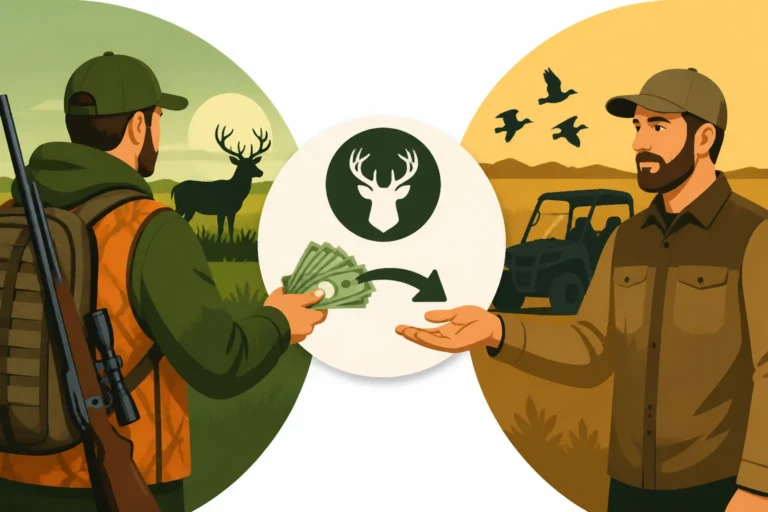
Given Saskatchewan's "private until proven public" approach, permission is not just a polite request; it's a legal necessity for hunting on any private land. Whether the land is posted with "No Hunting" signs or not, you must have permission from the landowner or occupier before you step foot on it with a firearm or bow. The days of "implied permission" based on unposted land are, quite simply, a thing of the past here. This is why a simple conversation, or even a detailed map exchange, can make all the difference.
Without explicit permission, whether verbal or written, you are trespassing, regardless of any signage. This emphasis on permission has become even more important in recent years due to increased pressure on hunting lands and a greater public awareness of property rights. The goal of Saskatchewan's Posted Land Sign Rules, which we'll delve into shortly, is not to confuse but to clarify this need for permission, ensuring that landowners have clear tools to manage access to their property and hunters have clear guidance on what constitutes legal entry. This protects both parties and fosters a more respectful hunting culture.
The Specifics of Posted Land Signs
When you're out hunting in Saskatchewan, you'll inevitably encounter various signs. Knowing what they mean, and more importantly, what legally constitutes a "posted" sign under provincial regulations, is crucial. It’s not just about seeing a sign; it’s about understanding its legal weight and implications for your hunt.
What Makes a Sign Legal?
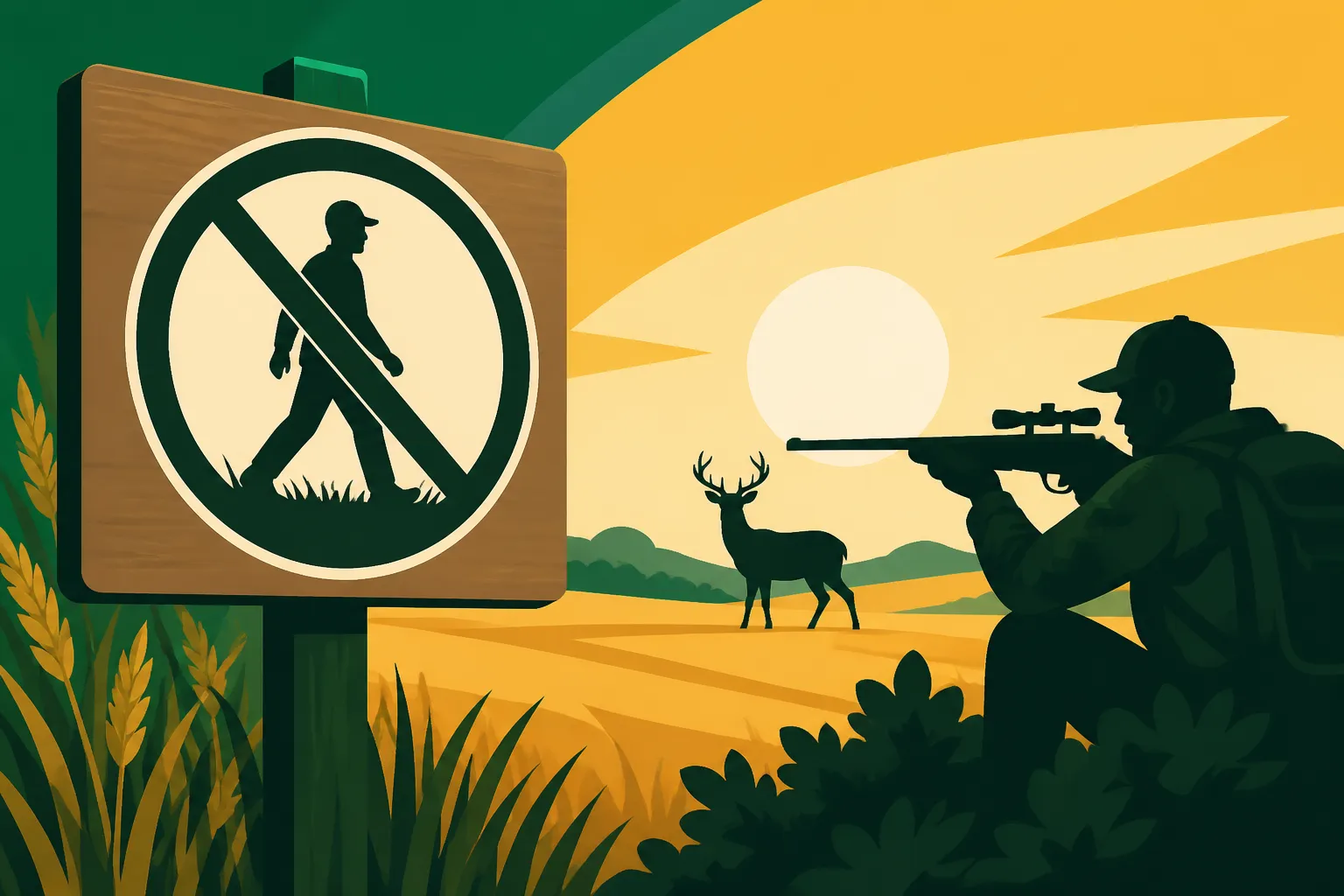
Saskatchewan has clear guidelines about what constitutes a legally posted "No Trespassing" or "No Hunting" sign. For a sign to be legally enforceable, it must be prominently displayed and meet certain standards. Generally, signs must be visible from all common approaches and access points to the property. This means at least one sign must be placed at each corner of the property and at intervals not exceeding 800 metres (about half a mile) along the property boundaries, or at every obvious access point like gates and trails.
While there isn't a strict regulation on specific colours or materials, the sign must be legible and clearly state its intent. Typically, you’ll see signs that say "No Trespassing" or "No Hunting." The wording needs to be unambiguous. A faded, tiny, or easily missed sign might not hold up as a legal barrier, but that doesn't mean you have automatic permission. When in doubt, always assume the land is private and seek clarification. The spirit of the law is to give clear notice, so if you genuinely can't tell what a sign says, it's best to err on the side of caution. For a deeper dive, check out What Saskatchewan's Posted Signs Must Say.
Interpreting Different Signage
Not all signs are created equal, and understanding the nuances can save you a lot of grief. The most common signs you'll encounter are "No Trespassing," "Posted," and "No Hunting." These generally mean the same thing: no entry for any purpose without explicit permission from the landowner or occupier. However, you might also see signs like "Hunt by Permission Only." This indicates that while hunting isn't outright banned, you must obtain permission beforehand. It's a clear invitation to knock on the door, rather than a blanket denial.
Sometimes, signs might specify particular activities, such as "No ATV Access" or "No Quads." This means you might still be able to access the land on foot, but vehicle use is prohibited. Always respect these specific instructions. What about vague or illegible signs? If a sign is so weathered or poorly made that its message is unclear, it might not legally constitute proper "posting." However, this doesn't grant you permission. It merely means the landowner hasn't met the legal threshold for posting. As a hunter, your responsibility remains to ascertain land ownership and obtain permission for private land. If you're unsure, treat it as private and unaccessible.
Remember, even without any signs at all, the land is still considered private. The absence of a sign doesn't equate to an invitation.
What Isn't Posted Land (Common Misconceptions)
Many hunters, especially those new to Saskatchewan, fall into the trap of thinking that if there isn't a "No Trespassing" sign, the land must be open to hunting. This is a common and potentially costly misconception that we need to clear up right away.
Unmarked Private Property
This is perhaps the most critical point for any hunter in Saskatchewan to grasp: land can be entirely private and off-limits for hunting even if there isn't a single "No Trespassing" or "Posted" sign visible. The onus is always on the hunter to know who owns the land and to secure explicit permission before hunting. You cannot simply assume that because a field or a bush bluff isn't plastered with signs, it's fair game.
Imagine yourself driving down a grid road, spotting a prime-looking piece of cover, and not seeing any signs. Your first thought might be, "Great, unpressured spot!" But without verification, stepping onto that land is trespassing. The law here places the burden squarely on you, the hunter, to determine ownership. This often means consulting land ownership maps, using digital mapping tools, or, as we'll discuss, knocking on doors. Technologies like GoHunt can be incredibly useful here, allowing you to overlay property lines and landowner information directly on your map, helping you quickly discern private from public parcels, even when they're unmarked. Without such tools or prior research, you're essentially hunting blind and risking legal trouble.
Roads, Road Allowances, and Easements
Another area of frequent misunderstanding involves access along roads, road allowances, and various easements. Generally, public roads and their allowances are indeed public access. However, this doesn't automatically mean you can hunt from them or on them, or that everything adjacent to them is public.
A "road allowance" is a strip of land, usually 66 feet wide (about 20 metres), reserved for public road infrastructure, even if a paved or gravel road only occupies a portion of it. You can typically travel on these allowances, but hunting on them can be a grey area depending on local bylaws and proximity to private property. Shooting from or across a public road or road allowance is generally prohibited by provincial law. What about those little two-track trails that disappear into the bush? These are often private access roads or trails, even if they look like they might be public. If they lead onto private property, you need permission to use them.
Easements, such as those for power lines, pipelines, or utility corridors, grant a utility company the right to access and maintain their infrastructure across private land. They do not automatically grant public access for hunting. The underlying land is still private, and you still need the landowner's permission to be there. This is especially true for areas like a pipeline right-of-way or a railway line right-of-way; while they might offer convenient travel corridors, they remain private property, and hunting along them without explicit permission could lead to serious penalties. For example, while some old logging roads might feel public, many are on private or leased Crown land, meaning you still need to verify access. Understanding these distinctions is key to staying on the right side of the law.
Hunter Responsibilities and Due Diligence
Being a responsible hunter in Saskatchewan goes far beyond simply knowing the rules. It requires proactive effort, planning, and respect for both the land and its owners. This concept of due diligence is essential to avoiding unintentional trespassing and fostering positive relationships within the hunting community.
Proactive Research Before the Hunt
The days of simply driving around and spotting a likely looking field are largely over, especially if you want to hunt private land without constant worry. Responsible hunting in Saskatchewan demands meticulous research before you even leave your driveway. This means familiarizing yourself with land ownership boundaries well in advance. Digital mapping tools have revolutionized this aspect of hunting. Platforms like GoHunt, onX Hunt, or even the Saskatchewan interactive Crown Land map can overlay property lines, showing you clearly where private land ends and public land (like provincial forests or certain Crown parcels) begins. Using these tools to identify potential hunting spots and verify ownership is no longer a luxury; it's a necessity.
Before you ever set foot on a potential hunting area, spend time scouting with satellite imagery in Saskatchewan, poring over RM (Rural Municipality) maps, and identifying landowners. This allows you to pinpoint who you need to talk to for permission. Don't wait until opening morning to try and figure out land boundaries. Having a clear understanding of the parcels you intend to hunt, whether they are private or public, is the cornerstone of ethical and legal hunting. This kind of preparation drastically reduces the chances of accidental trespass and gives you confidence in your hunting plans.
The Importance of Asking Permission
Even if a piece of private land isn't posted with "No Trespassing" signs, and even if your mapping app shows it's private but perhaps borders public land, the absolute best practice is always to ask for permission. This isn't just a courtesy; it reinforces the respect we should all have for property rights and the work farmers and ranchers put into their land. A simple knock on the door or a phone call can open up opportunities you might never have found otherwise.
When you're knocking on doors in Saskatchewan farm country, remember to be polite, introduce yourself clearly, state your intentions (what you want to hunt, when), and be prepared to take no for an answer gracefully. A firm but polite "no" doesn't mean you've done anything wrong; it just means that particular landowner isn't open to hunting, and that's their right. A positive interaction, even if it doesn't result in permission for that year, can lay the groundwork for future opportunities. Many landowners are more likely to grant access to a respectful hunter who takes the time to ask, rather than someone who just assumes. Building these relationships is invaluable, not just for you, but for the entire hunting community, preserving access for generations to come.
Consequences of Trespassing
Trespassing in Saskatchewan, whether intentional or accidental, carries real and significant repercussions that extend beyond just a potential fine. It can impact your hunting privileges, your reputation, and the broader relationship between hunters and landowners.
Legal Ramifications
The legal penalties for trespassing on private land in Saskatchewan can be quite severe. Under provincial legislation, if you are found hunting on private land without permission, you could face substantial fines. These fines are designed to be a deterrent and can range from hundreds to thousands of dollars, depending on the severity of the offense and whether it's a repeat occurrence. For instance, hunting on posted land without permission is generally viewed more seriously than trespassing on unposted land, though both are illegal.
Beyond monetary fines, you could face the seizure of your hunting equipment, including your firearm, ammunition, and even your vehicle, if it was used in the commission of the offense. In some cases, the penalties can also include the suspension or revocation of your hunting licenses and privileges for a period, meaning you might not be able to hunt in Saskatchewan for several years. Imagine all the time and money you invest in your hunting gear and licenses, only for it to be jeopardized by a momentary lapse in judgment. The authorities, including conservation officers, have significant powers to enforce these regulations, and they take them very seriously. It's a risk simply not worth taking. For a complete overview of the potential consequences, refer to Saskatchewan Trespass Penalties for Hunters.
Ethical and Community Impact
While the legal consequences are stark, the ethical and community impact of trespassing can be just as damaging, if not more so, in the long run. Every instance of a hunter trespassing erodes trust between landowners and the hunting community as a whole. Farmers and ranchers are often generous people, but their patience wears thin when their property rights are disregarded. A single negative encounter can lead a landowner to post their entire property, denying access to all hunters, even those who are respectful and always ask.
This creates a ripple effect, reducing the amount of accessible hunting land for everyone. It fosters a "closed" mentality among landowners, making it harder for other hunters to gain permission. As hunters, we are ambassadors for our sport. Our actions reflect on all of us. When we act responsibly, obtain permission, and respect property boundaries, we strengthen the positive image of hunters and help maintain access for future generations. Conversely, irresponsible actions, like trespassing, undermine these efforts and contribute to a negative stereotype that harms the sport we love. Protecting access isn't just about what's legal; it's about what's right and what sustains hunting as a valued activity in our province.
Navigating Permission: Beyond the Signs
Getting permission to hunt in Saskatchewan often feels like a puzzle, but with the right approach and an understanding of the available resources, it becomes much more manageable. The key is to be proactive and understand the various avenues for securing access.
Securing Written Permission
While verbal permission is legally sufficient in Saskatchewan, securing written permission offers an extra layer of clarity and protection for both the hunter and the landowner. It eliminates potential misunderstandings about the exact boundaries, dates, and species allowed. A simple written agreement, even if it's just a signed note from the landowner, can confirm the terms of your access. This is especially beneficial for multi-day hunts, where you might be returning to the property, or if you're hunting with a group and want to ensure everyone is clear on the rules.
A written permission form doesn't need to be overly complicated. It should ideally include:
- The landowner's name and contact information.
- The hunter's name and contact information.
- A clear description of the land (e.g., legal land description or parcel number, often found on apps like GoHunt).
- The specific dates for which permission is granted.
- The species of animal(s) you are permitted to hunt.
- Any specific conditions or restrictions (e.g., "hunt on foot only," "no vehicles," "stay away from buildings").
- Signatures of both parties.
Having this documentation can provide peace of mind and prevent any confusion if you encounter another hunter or a conservation officer while on the property.
Utilizing Public Lands
Beyond private land, Saskatchewan offers a significant amount of public hunting opportunities, often referred to as Crown land. While permission isn't required in the same way as private land, these areas come with their own set of rules and considerations. Understanding how to find and utilize these spaces is crucial for any hunter.
Public lands in Saskatchewan include various categories:
- Provincial Forests: Large areas often found in the central and northern parts of the province. They offer excellent hunting for species like moose, elk, bear, and deer.
- Wildlife Management Areas (WMAs): Areas specifically designated for wildlife habitat and public recreation, often including hunting.
- Fish and Wildlife Development Fund (FWDF) Lands: These are parcels of land purchased or leased using funds from hunting license sales, managed specifically for wildlife habitat and public access, including hunting. These are often small to medium-sized parcels intermixed with private land. You can find out more about access rules for these lands at Saskatchewan's FWDF Land Access Rules.
- Community Pastures: These are sometimes open to hunting, but access rules vary greatly and typically require contacting the specific pasture manager for permission. Some are federally managed, others provincially, and some are patron-run.
Even on public land, certain restrictions can apply, such as regulations on vehicle use, camping, or specific hunting methods. Always consult the Saskatchewan Hunting and Trapping Guide or relevant provincial government websites for the most up-to-date information on specific public areas. Using online mapping tools can help you identify these public parcels and plan your hunt accordingly. Accessing Public Hunting Land in Saskatchewan is a great starting point for understanding these opportunities.
| Land Type | Access Requirement | Signage Significance | Hunter Responsibility |
|---|---|---|---|
| Posted Private Land | Explicit written or verbal permission required | "No Trespassing" signs legally mark boundaries. | Do not enter without permission. Verify all boundaries. |
| Unposted Private Land | Explicit written or verbal permission required | Absence of signs does NOT grant permission. | Do not enter without permission. Actively seek landowner contact. |
| Crown Land (Public) | Permission generally not required, but rules apply | Signs might indicate specific use restrictions (e.g., "No ATVs"). | Know specific regulations for the area (e.g., vehicle use, closures). |
Disclaimer
The information provided in this guide is for general informational purposes only and does not constitute legal advice. Hunting regulations and land access laws in Saskatchewan can change. It is the responsibility of every hunter to consult the most current Saskatchewan Hunting and Trapping Guide and relevant provincial legislation before hunting. Always verify land ownership and obtain explicit permission before entering private land.