Spring Snow Goose Season Rules
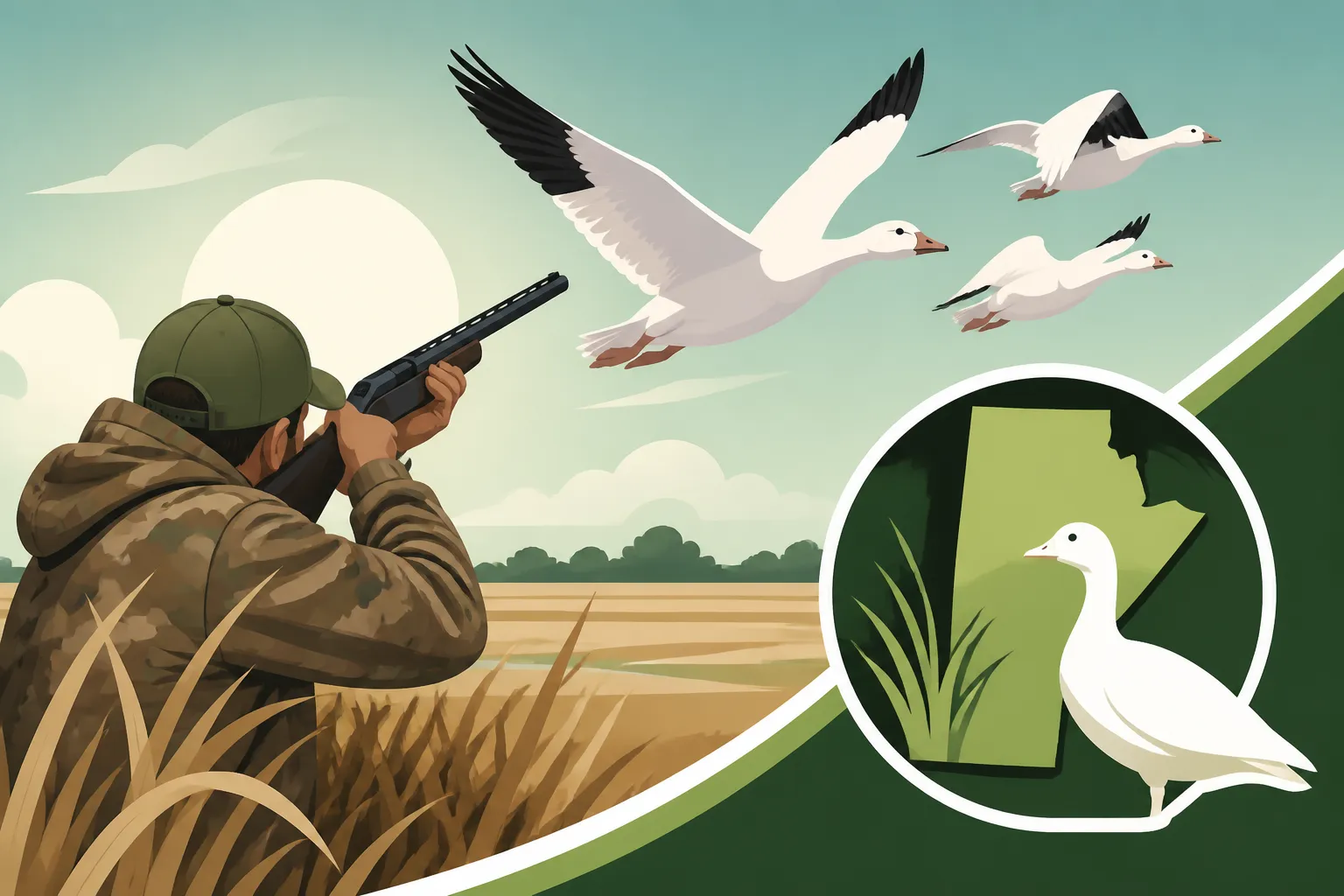
There's nothing quite like the sight and sound of thousands upon thousands of snow geese descending into a field, a true spectacle of nature that also presents an incredible hunting opportunity. But tackling Saskatchewan's spring snow goose season isn't just about big spreads and electronic calls; it's also about navigating a very specific set of regulations designed for this unique conservation hunt. Many hunters, especially those new to it or coming from areas with different rules, often feel overwhelmed by the nuances. This guide aims to clear up all that confusion, detailing the essential rules, permits, and ethical considerations so you can enjoy a successful and compliant spring snow goose hunt in the Land of Living Skies.
The Why and When of Saskatchewan's Spring Snow Goose Season
The spring snow goose season in Saskatchewan is a departure from conventional waterfowl hunting, existing for a very particular and important reason. It’s not just another chance to get out in the field; it’s part of a larger conservation effort to manage burgeoning snow goose populations.
Understanding the Conservation Order
For decades now, biologists have recognized an ecological challenge: an explosion in the population of Mid-Continent Greater Snow Geese and Ross's Geese. These birds breed in the fragile Arctic tundra, and their ever-increasing numbers were quite literally eating themselves out of house and home, causing significant habitat destruction. The sheer volume of geese meant that traditional fall hunting seasons simply weren't enough to curb their growth.
To address this, the federal government, in cooperation with provincial wildlife agencies like Saskatchewan's, implemented a "Conservation Order." This isn't your standard hunting season; it's a special management tool designed to reduce snow goose populations by extending hunting opportunities into the spring migration. It's a recognition of a real environmental problem, and it allows hunters to contribute directly to ecological balance. We understand that some hunters, steeped in tradition, might find the concept of a spring hunt unusual or even controversial. However, it's crucial to grasp that this isn't about arbitrary rule-making, but a targeted response to an identified conservation need, benefiting the entire ecosystem and agricultural producers who often face significant crop damage.
Key Dates and Duration
One of the most immediate questions hunters have is, "When can I actually go?" Saskatchewan's spring snow goose season is quite extensive, typically running from March 15th to May 31st in most of the province. This long window is intentional, designed to cover the broad migration period as snow geese push north through Saskatchewan.
Unlike the precise, often short windows of fall hunting, these spring dates are set to provide ample opportunity to intercept birds throughout their journey. It means you can plan your hunt around peak migration waves, which can vary year to year depending on weather patterns and snowmelt. Keep in mind that while the general dates are set, specific conditions like early thaws or late freezes can greatly influence when the birds are actually present in huntable numbers. For example, in years with an early spring, birds might move through the southern parts of the province much sooner, while a prolonged winter could delay their arrival in central and northern regions. Always consult the most current Saskatchewan hunting guide, available through the provincial government, for any minor adjustments to these dates.
Essential Licensing and Permits for Spring Snow Goose Hunting
Navigating the licensing requirements for hunting in Saskatchewan, especially for a unique season like spring snow geese, can feel like piecing together a complex puzzle. It's critical to have all your ducks—or in this case, geese—in a row before heading out, as conservation officers are diligent about checking permits.
Federal Migratory Game Bird Permit Requirements
The first and most crucial piece of documentation you'll need is the Federal Migratory Game Bird Hunting Permit. This permit is a requirement for hunting any migratory game birds in Canada, and snow geese are certainly no exception. It's issued by Environment and Climate Change Canada and is distinct from any provincial licence. You can purchase this permit online through the federal government's website or, traditionally, at any Canada Post outlet across the country.
What's often overlooked is that this permit also includes the Canadian Wildlife Habitat Conservation Stamp. This stamp isn't just a decorative sticker; a portion of its cost directly funds habitat conservation projects across Canada. So, when you buy your permit, you're not just getting the right to hunt, you're actively contributing to the preservation of wetlands and wildlife habitats that benefit a multitude of species, including the very geese you're pursuing. Make sure you sign your permit in ink; an unsigned permit is technically invalid. For more information on this specific requirement, refer to our detailed guide on the topic: The Federal Migratory Game Bird Permit.
Saskatchewan Wildlife Habitat Certificate and Game Bird Licence
In addition to the federal permit, you'll also need a couple of provincial documents from Saskatchewan's Ministry of Environment. Firstly, you must possess a valid Saskatchewan Wildlife Habitat Certificate. This certificate is a base requirement for all hunters in the province, contributing to local habitat initiatives and ensuring sustainable wildlife populations. It's an annual certificate, so if you've purchased one for a fall hunt, it generally remains valid for the spring season within the same licensing year.
Secondly, you'll need a Saskatchewan Game Bird Licence. This provincial licence specifically authorizes you to hunt game birds within Saskatchewan. For residents, this is usually a straightforward purchase through the Saskatchewan Hunting, Angling and Trapping (HAL) system. Non-residents, however, have specific rules to contend with. If you're coming from out of province, remember that Non-Resident Game Bird Licence Changes have been implemented over the years, often requiring non-residents to hunt under the supervision of a licensed outfitter, particularly for waterfowl. It’s absolutely essential for non-residents to verify the most current regulations regarding guided hunts and non-resident game bird licensing to avoid any issues. Always ensure your provincial licences are purchased and current before stepping into the field. Our guide on Saskatchewan's Wildlife Habitat Certificate provides further insight into this essential provincial document.
Bag Limits, Possession Limits, and Legal Methods
The unique nature of the spring snow goose conservation order extends deeply into the rules regarding how many birds you can take and the methods you can employ. These liberal regulations are a direct reflection of the population management goals.
Generous Bag and Possession Limits
Prepare yourself: the bag and possession limits for spring snow geese in Saskatchewan are incredibly generous, a stark contrast to many other waterfowl species or even fall goose seasons. Typically, during the spring conservation order, there is no daily bag limit and no possession limit for snow geese. Yes, you read that right – no limit. This might sound astounding to hunters accustomed to strict limits, and it truly underscores the biological imperative behind the season. The idea is to maximize the harvest to help bring populations back to a more sustainable level for their Arctic breeding grounds.
What this means for hunters is the freedom to pursue the birds with efficiency and dedication. You won't find yourself having to stop hunting mid-day because you've hit a daily quota. However, this immense freedom also comes with immense responsibility. While there's no official limit, ethical hunters will always strive to utilize what they harvest, ensuring that no game meat is wasted. Transporting large quantities of geese also requires planning, especially if you're crossing international borders, so be aware of any restrictions from customs officials.
Permitted Equipment and Methods
This is where the spring snow goose season truly stands out from other hunting opportunities. Because of the conservation order, many restrictions typically applied to waterfowl hunting are lifted, allowing for more effective harvest.
During the spring snow goose season, hunters are generally permitted to use:
- Electronic calls: That's right, you can use electronic calls to lure in large flocks, a tactic that is strictly prohibited for most other migratory bird hunting. These can be incredibly effective when dealing with thousands of wary geese.
- Unplugged shotguns: Your shotgun can be unplugged, meaning it can hold more than the usual three shells (one in the chamber, two in the magazine). This allows for higher shot volume in quick succession, which is often necessary when huge flocks of birds are decoying.
- Non-toxic shot: This rule remains steadfast. All migratory bird hunting in Canada requires the use of non-toxic shot, regardless of the season. This includes steel, bismuth, or other approved alternatives, and it’s a non-negotiable part of ethical and environmental responsibility. Our article on Non-Toxic Shot Requirements for Waterfowl offers a deeper dive into this important regulation.
When it comes to decoys, think big. Hunters often deploy massive spreads, sometimes hundreds or even thousands of decoys, to simulate a feeding flock. This can include full-body decoys, silhouettes, windsocks, and even rotary-wing decoys to add motion. Scouting tools like GoHunt, with its robust mapping and satellite imagery, can be an invaluable asset for planning these large decoy spreads, helping you visualize terrain and potential hide setups. A well-designed spread, combined with effective calling and the liberal equipment rules, greatly increases success rates.
Identifying Snow Geese vs. Other Species
With thousands of birds descending into fields, the excitement can be overwhelming. However, it is absolutely paramount to practice positive identification before pulling the trigger. While snow geese dominate the spring migration, other species, particularly Ross's geese, can be present. Ross's geese are typically smaller than snow geese, with shorter necks and bills, but they share the same white plumage.
The conservation order largely applies to both snow geese and Ross's geese due to their similar ecological impact and difficulty in rapid-fire field identification. However, other migratory birds, like Canada geese or various duck species, will also be making their spring migration. These birds are NOT part of the spring conservation order, and shooting them is illegal. You must be absolutely certain of your target. Take the extra second to identify the species; don't just shoot into a flock of white birds if you're not confident. Accidental harvesting of protected species can lead to significant penalties, so patience and careful identification are key.
Access, Respect, and Ethical Considerations
While the rules surrounding spring snow goose hunting are designed to encourage harvest, the foundational principles of ethical hunting, respect for landowners, and safe practices remain paramount. This season, perhaps more than any other, demands careful consideration of your actions in the field.
Landowner Permission and Scouting
Saskatchewan is a mosaic of private and Crown land, but the prime agricultural fields where snow geese congregate are overwhelmingly private. This means obtaining explicit permission from the landowner before stepping foot onto their property is not just a courtesy, it's the law. Trespassing is taken very seriously in Saskatchewan, and violating posted land rules or hunting without permission can lead to fines, loss of hunting privileges, and even confiscation of equipment.
The best approach is always to knock on doors well in advance, introduce yourself, explain your intentions, and ask politely. Many landowners are receptive, especially when their fields are being impacted by large numbers of feeding geese. Scouting is also crucial. Driving around, observing where birds are feeding, and noting property lines (which GoHunt can help you delineate with its mapping features) will save you time and greatly increase your chances of finding willing landowners. Our guide on Getting Permission for a Goose Field delves into the best practices for this often-challenging but essential step. Remember, a good relationship with landowners is the cornerstone of hunting access in Saskatchewan.
Respecting the Resource and Other Hunters
The sheer volume of birds and the extended season can sometimes lead to crowded conditions or an attitude of "anything goes." However, maintaining respect for the resource, the land, and your fellow hunters is non-negotiable. Ethical hunting means:
- No Wasting Game Meat: Even with no possession limit, it's illegal and unethical to waste edible portions of game meat. Plan for how you will process, transport, and consume your harvest.
- Minimize Disturbance: While you're targeting snow geese, be mindful of other wildlife and livestock. Avoid driving vehicles off established trails or causing unnecessary stress to animals.
- Leave No Trace: Pack out everything you pack in. Shell casings, food wrappers, empty decoy bags—nothing should be left behind in the field.
- Hunter Etiquette: If you see another hunting party already set up in a field, give them ample space. Don't crowd their spread or try to "jump" their birds. A little courtesy goes a long way in ensuring everyone has a positive experience. While the setting up of large spreads is generally associated with fall hunting, many of the principles discussed in Setting a Goose Spread in Swathed Barley regarding placement and etiquette are still relevant.
Safety and Environmental Awareness
High-volume shooting, large groups, and sometimes challenging spring weather mean safety must always be your top priority. Ensure everyone in your party is familiar with firearm safety rules, especially muzzle awareness and safe zones of fire. Communication is key when multiple shooters are involved. Eye and ear protection are absolute musts.
Spring weather in Saskatchewan can be wildly unpredictable. Warm, sunny days can quickly turn to cold, windy, and even snowy conditions. Always dress in layers and be prepared for anything. Muddy fields can make vehicle access difficult, so be aware of your surroundings and avoid getting stuck in remote areas. Our guide on Hunting Saskatchewan Winter Weather Safely provides valuable insights into dealing with challenging conditions, many of which can still apply in early spring. Protecting the agricultural land is also vital; avoid creating ruts or damaging crops that might be emerging. Your actions reflect on all hunters, and responsible behavior ensures the continued privilege of participating in this unique conservation season.
Key Saskatchewan Spring Snow Goose Rules Summary
Here's a quick reference table for the main rules to keep in mind when planning your spring snow goose hunt in Saskatchewan:
| Regulation Aspect | Requirement | Notes |
|---|---|---|
| Season Dates | March 15 – May 31 (most zones) | Always verify current dates in the Saskatchewan Hunting Guide. |
| Federal Permit | Required: Federal Migratory Game Bird Hunting Permit | Includes Habitat Conservation Stamp. Purchase online or at Canada Post. Sign your permit! |
| Provincial Licences | Required: Saskatchewan Wildlife Habitat Certificate & Saskatchewan Game Bird Licence | Non-residents may require an outfitter. Purchase via HAL system. |
| Daily Bag Limit | None (for Snow and Ross's Geese) | Part of the Conservation Order to reduce populations. |
| Possession Limit | None (for Snow and Ross's Geese) | Ethical hunters should still avoid waste. |
| Non-Toxic Shot | Required | All migratory bird hunting in Canada. |
| Electronic Calls | Permitted | Unique to the Spring Snow Goose Conservation Order. |
| Shotgun Capacity | Unplugged shotguns (no 3-shell limit) permitted | Unique to the Spring Snow Goose Conservation Order. |
| Landowner Permission | Absolutely Required on Private Land | Critical for access and maintaining positive landowner relations. |
| Species Identification | Mandatory | Ensure positive ID of Snow/Ross's Geese; avoid non-target species. |
Disclaimer
Please be aware that hunting regulations, season dates, and licensing requirements can change. Always consult the most current Saskatchewan Hunting and Trapping Guide and the Federal Migratory Bird Hunting Regulations for the definitive and most up-to-date information before planning and executing your hunt. This guide is for informational purposes only and should not be considered a substitute for official government regulations.