What the Wildlife Habitat Certificate Costs
Navigating the world of hunting licenses and permits in Saskatchewan can sometimes feel like solving a complicated puzzle, especially when you're trying to figure out every single fee involved. It's easy to get lost in the details, wondering which piece of paper you truly need. This guide is here to demystify one crucial, often misunderstood, component: the Saskatchewan Wildlife Habitat Certificate, breaking down what it costs and why it's so important for every hunter.
Understanding the Wildlife Habitat Certificate
When you're gearing up for a hunting season in Saskatchewan, you're probably focused on things like your big game draw application, or perhaps which specific Saskatchewan Big Game Season Dates apply to your chosen zone. But before you can even think about those, there's a foundational requirement for almost every hunter: the Wildlife Habitat Certificate. It's not just another piece of paper; it’s a direct investment in the very resources that make hunting here so special.
More Than Just Another Fee
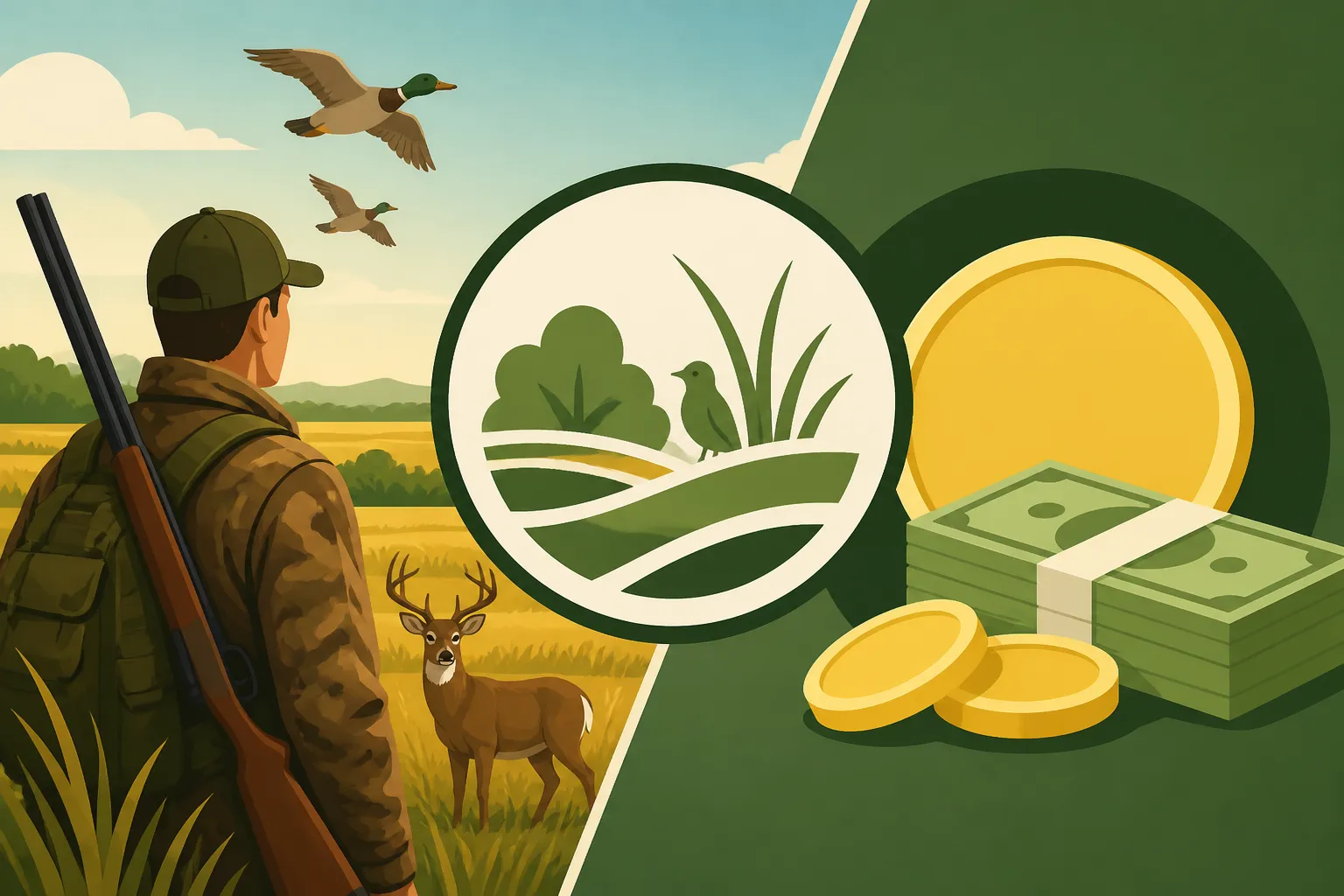
Let's be honest, sometimes it feels like every time you turn around, there's another fee to pay when it comes to outdoor pursuits. The Wildlife Habitat Certificate might seem like just another hoop to jump through, but its purpose is profoundly important. This certificate isn't a hunting license itself; rather, it’s a prerequisite to purchasing nearly any hunting or trapping license in the province. Its primary role is to collect funds specifically earmarked for wildlife habitat conservation and enhancement across Saskatchewan. Think of it as your personal contribution to the health and abundance of the game you pursue.
The province recognized decades ago that simply managing game populations wasn't enough. The land base and the quality of habitat are arguably even more critical. Healthy wetlands, lush grasslands, and thriving forests provide the food, water, and cover that animals like whitetail deer, moose, and waterfowl need to survive and reproduce. Without dedicated funding for these initiatives, habitat would slowly degrade, and with it, hunting opportunities would diminish. So, while it adds to your overall cost, it's really about giving back to ensure a future for hunting.
The funds generated by these certificates go directly into the Wildlife Habitat Development Fund (FWDF), which supports a wide array of projects, from acquiring critical parcels of land for conservation to restoring degraded habitats. This means your contribution isn't just disappearing into a general government fund; it's actively working to improve the places where you and future generations will hunt. It’s a tangible way to support the wild places and wild creatures we cherish.
Who Needs to Purchase It?
The short answer is: almost everyone who hunts or traps in Saskatchewan. Whether you're a long-time resident chasing whitetails in the Hunting Saskatchewan's Aspen Parkland or a non-resident coming for a guided waterfowl hunt, this certificate is a mandatory purchase. It's designed as a universal contribution to habitat, recognizing that all hunters benefit from healthy ecosystems.
For Saskatchewan residents, this usually means adding the certificate to your cart when you're purchasing your first hunting or trapping license of the year through the online HAL (Hunter and Angler Licensing) account system. It's a fundamental step that needs to be completed before you can proceed with selecting your specific tags, whether it's for deer, moose, or birds. It's pretty seamless once you're logged into your account, as the system usually prompts you to get it if you haven't already.
Non-residents are also required to purchase a Wildlife Habitat Certificate. If you’re visiting Saskatchewan for a hunting trip, perhaps with an outfitter, this will be one of the initial items on your licensing checklist. Outfitters generally assist their clients in navigating the provincial licensing requirements, but it's good to be aware that this certificate is a non-negotiable part of the process. It's integrated into the broader licensing framework to ensure that everyone who partakes in the province's rich hunting heritage contributes to its ongoing preservation.
Breaking Down the Cost of the Certificate
Understanding the cost of the Wildlife Habitat Certificate is straightforward, but it's important to remember that this fee is separate from your actual hunting licenses for specific game species. It's the baseline investment you make towards the province's wildlife resources before you even apply for a draw or purchase a general tag.
The Current Price Tag
As of recent seasons, the cost of the Wildlife Habitat Certificate in Saskatchewan is quite affordable, especially when you consider the impact these funds have. For a Saskatchewan resident, the certificate typically costs $15.00. For non-residents, whether from other Canadian provinces or international hunters, the fee is slightly higher, usually $20.00. These figures are subject to minor changes, but they have been relatively consistent for a while.
It’s important to note that these prices are generally fixed, regardless of how many different species you plan to hunt or how many licenses you purchase throughout the year. You only need to buy one Wildlife Habitat Certificate per hunting year. Once you have it, it's valid for all subsequent hunting and trapping license purchases within that regulatory year, which typically runs from April 1st to March 31st. So, if you decide to hunt deer in the fall and then pursue upland birds later in the season, you won't need to buy a second certificate.
When you purchase your licenses through the online HAL system or at an authorized vendor, this fee will be automatically added to your first applicable transaction. It’s usually presented as a distinct line item, so you can clearly see what you’re paying for. Compared to other potential hunting expenses, such as the Saskatchewan Resident Deer Licence Cost or What a Saskatchewan Guided Whitetail Hunt Costs, this certificate represents a very modest but critical contribution.
How the Funds are Utilized
The money collected through the Wildlife Habitat Certificate isn't just pooled together without a clear purpose. These funds are specifically directed into the Wildlife Habitat Development Fund (FWDF), managed by the Saskatchewan Ministry of Environment. This fund has a long history of investing in tangible projects that directly benefit wildlife populations and enhance hunting opportunities across the province.
These projects are diverse and spread across different ecosystems. A significant portion of the funds goes towards land acquisition, securing vital habitat areas that might otherwise be developed or converted, thus protecting them for wildlife forever. This includes purchasing wetlands crucial for waterfowl, grasslands for sharp-tailed grouse and pronghorn, and tracts of forest fringe essential for species like moose and deer. You can even find specific parcels of these lands designated as FWDF lands, offering public hunting access, which you can learn more about in Saskatchewan's FWDF Land Access Rules.
Beyond acquisition, the FWDF also supports habitat enhancement and restoration efforts. This could mean planting trees and shrubs to create shelterbelts, restoring drained wetlands to their natural state, or implementing controlled burns to rejuvenate grassland ecosystems. All these efforts contribute to a healthier environment, leading to stronger game populations and, ultimately, better hunting experiences. The dedication of these funds ensures that hunters are directly contributing to the long-term sustainability of their passion.
Purchasing Your Certificate
Acquiring your Saskatchewan Wildlife Habitat Certificate is a straightforward process, thanks to the province's modern licensing system. The primary method for most hunters is through the online Hunter and Angler Licensing (HAL) account. If you're new to hunting in Saskatchewan or just haven't used the online system before, getting set up with a HAL account is the first step, and you can find detailed guidance on Setting Up a Saskatchewan HAL Account.
Once you're logged into your HAL account, the system will intuitively guide you through the process. When you select your first hunting license for the season, the Wildlife Habitat Certificate will automatically be added to your cart if you haven't already purchased it for the current year. It's designed to be a seamless inclusion, ensuring compliance without any unnecessary hassle. You'll complete the purchase with a credit card, and your certificate will be digitally linked to your hunter number.
For those who prefer in-person transactions or don't have easy access to the internet, the certificate can also be purchased from authorized license vendors across the province. These vendors, typically sporting goods stores or general stores in smaller communities, have the necessary system access to issue licenses and certificates on the spot. Whichever method you choose, remember that having this certificate is a critical foundational step before you can legally pursue any game in Saskatchewan.
The Broader Impact on Saskatchewan Hunting
The Wildlife Habitat Certificate is more than just a regulatory item; it's a fundamental part of the conservation framework that ensures Saskatchewan remains a premier hunting destination. Its impact ripples through the entire ecosystem, directly influencing game populations and the overall quality of the hunting experience.
Supporting Sustainable Hunting Practices
The direct funding from the Wildlife Habitat Certificate is crucial for maintaining and improving the diverse habitats across Saskatchewan. Healthy habitats mean healthy animals, and that's the bedrock of sustainable hunting. When wetlands are restored, waterfowl populations thrive. When forests are managed wisely, deer, moose, and bear have the cover and food they need to grow and reproduce. This direct investment helps to create the conditions for magnificent animals, contributing to why Saskatchewan is renowned for its big game, with some even claiming it's Why Saskatchewan Bucks Grow So Large.
Without these dedicated funds, many critical habitat projects simply wouldn't happen, leading to a decline in wildlife numbers and quality. Hunters, through their purchase of this certificate, become direct stakeholders in conservation, actively contributing to the perpetuation of the very resources they enjoy. It’s a self-sustaining model where the pursuit of game directly supports the environment that produces it, fostering a deep connection between hunters and the land.
The long-term vision supported by the certificate ensures that future generations will have the same, if not better, hunting opportunities. It’s about more than just this season's bag limit; it’s about investing in the biological health of the entire province. This commitment to habitat is often what sets world-class hunting destinations apart, and Saskatchewan’s certificate program is a vital part of that commitment.
Integrating with Your Hunting Plan
When you're meticulously planning your Saskatchewan hunt, whether it's for waterfowl or a coveted bull moose, thinking about your Wildlife Habitat Certificate should be one of the first items on your checklist, right after establishing your HAL account. It's the entry ticket, so to speak, to purchasing all your other necessary licenses and tags.
For those venturing into unfamiliar territory, mapping tools and scouting resources like GoHunt can be invaluable. They help you pinpoint potential hunting areas, understand terrain, and plan access. But regardless of how sophisticated your scouting, remember that administrative requirements like the habitat certificate are non-negotiable. If you're a non-resident, your outfitter will certainly ensure you have all your papers in order, as they know Why Non-Residents Must Book an Outfitter and what that entails regarding licenses. However, being informed yourself always helps.
It also serves as a reminder to check all the regulations for your chosen Wildlife Management Zone. Knowing the specific requirements for Reading a Saskatchewan WMZ Map Before You Go and which licenses you'll need after securing your certificate is crucial. This proactive approach ensures you're fully prepared and can focus on the actual hunt once you're in the field, rather than scrambling with paperwork.
Beyond the Certificate: Other Key Costs
While the Wildlife Habitat Certificate is a foundational expense, it's just one piece of the financial puzzle when planning a Saskatchewan hunt. Being aware of the other costs involved will help you budget effectively and avoid any surprises.
Here’s a quick overview of additional expenses you’ll likely encounter:
| Expense Category | Details | Estimated Cost Range (CAD) |
|---|---|---|
| Wildlife Habitat Certificate | Mandatory prerequisite for most licenses. | $15 (resident) / $20 (non-resident) |
| Species-Specific Licenses | For big game (e.g., deer, moose, elk), small game, or game birds. Costs vary widely by species and residency. | $30 – $300+ |
| Big Game Draw Application | A non-refundable fee to apply for draw-only species like moose, elk, or mule deer in certain zones. This is distinct from the license cost if drawn. Learn more about What a Draw Application Costs. | $10 – $20 |
| Federal Migratory Bird Permit | Required for hunting migratory game birds (ducks, geese, cranes). Learn more about The Federal Migratory Game Bird Permit. | ~$17 |
| Outfitter Fees | Mandatory for most non-resident big game hunters. Can be a substantial portion of your trip cost. What a Saskatchewan Guided Whitetail Hunt Costs can give you an idea. | $3,000 – $10,000+ |
| Travel & Accommodation | Flights, fuel, vehicle rental, hotel stays before/after your hunt. | Varies |
| Gear & Supplies | Ammunition, specialized clothing, optics, processing supplies, etc. | Varies |
| Meat Processing/Taxidermy | Post-hunt expenses, especially if you harvest an animal. | Varies |
These costs quickly add up, so having a comprehensive understanding from the outset is vital. However, the initial, comparatively small investment in the Wildlife Habitat Certificate is arguably one of the most impactful, as it directly fuels the conservation efforts that make all these other expenses worthwhile by sustaining robust game populations and ensuring access to Public Hunting Land in Saskatchewan.
Disclaimer
The information provided in this guide is for general informational purposes only and does not constitute legal advice. Hunting regulations and costs in Saskatchewan are subject to change. Always consult the official Saskatchewan Hunters' and Trappers' Guide, available from the Saskatchewan Ministry of Environment, or visit the Saskatchewan HAL website for the most current and accurate information before planning your hunt. It is the hunter's responsibility to know and follow all applicable regulations.