Why Saskatchewan Bucks Grow So Large
It’s a question every whitetail hunter has asked after seeing those incredible trail cam photos or taxidermy mounts: "How in the world do Saskatchewan bucks get so massive?" The sheer size and antler development seen in this province can feel almost mythical, leaving many hunters wondering what secret sauce makes these deer grow so big. This guide is here to pull back the curtain, exploring the unique combination of genetics, nutrition, age structure, and prime habitat that allows Saskatchewan to consistently produce some of the largest whitetails on the continent.
Genetics: The Blueprint for Giant Antlers
You can put a deer in the best habitat with all the food it could ever want, but without the right genetic makeup, it simply won't grow a world-class rack. Saskatchewan’s whitetail herd possesses a robust genetic foundation, a crucial element in their ability to produce truly impressive antlers year after year. It's not just about one or two dominant genes; it's a culmination of generations of strong, healthy deer passing down traits for large body size and significant antler development.
The Northern Strain Advantage
Saskatchewan is home to what many refer to as a "northern strain" of whitetail deer. These deer are inherently larger-bodied than their southern counterparts, a necessary adaptation to survive the harsh northern winters. A larger body mass means more stored energy, more fat reserves, and a better ability to regulate body temperature in extreme cold. This larger frame also provides a bigger base upon which impressive antlers can grow. Think of it like a skyscraper – you need a massive foundation to support a towering structure. Similarly, a big-bodied buck has the physical capacity to grow heavy, wide, and tall antlers. This isn't something that happens overnight; it’s a result of natural selection over centuries, favouring the most robust and cold-hardy individuals. These deer also tend to have a thicker hide and denser coat, further aiding their survival in a challenging climate, all contributing to their overall resilience.
Passing Down Trophy Potential
The genetic potential for large antlers isn't just about raw size; it's about the inherent programming for rapid antler growth and mineralization. Bucks that consistently grow large racks pass those traits on to their offspring. In areas where these genetics are strong and environmental factors align, you see a higher prevalence of big-antlered deer. This isn't to say every buck will be a Boone & Crockett contender, but the baseline potential for significant antler growth is notably higher. When you combine this strong genetic heritage with proper nutrition and adequate age, the results can be truly spectacular. This is a subtle but powerful factor that often gets overlooked in discussions about trophy deer, but it’s foundational. It’s why you might see bucks of similar age in different regions, with vastly different antler expressions, even if their diets seem comparable. The genetic predisposition is a silent but potent force. For more insights into how these factors play out, take a look at our comprehensive guide on Why Saskatchewan Bucks Grow So Large.
Nutrition: Fueling Phenomenal Antler Growth
Even with stellar genetics, a deer cannot express its full potential without a consistent, high-quality diet. Saskatchewan is a breadbasket, literally. The vast agricultural landscapes, combined with diverse natural forage, provide an unparalleled nutritional buffet for whitetails, especially during the critical antler-growing months.
Agricultural Abundance and Diversity
Saskatchewan is dominated by agriculture, with millions of acres dedicated to growing nutrient-rich crops like canola, wheat, barley, oats, and peas. For whitetail deer, these fields are a goldmine. Imagine having access to an all-you-can-eat buffet of high-protein, high-carbohydrate, and high-mineral foods for much of the year. During the spring and summer, when bucks are rapidly growing their antlers, they are gorging on green crops, lush alfalfa, and natural forages that are bursting with nutrients. As fall approaches, they feast on residual grains left after harvest, packing on crucial fat reserves for the winter and bolstering their body condition before the rut.
These agricultural fields provide not just volume but also a variety of essential nutrients. Protein is paramount for antler growth, and crops like peas and alfalfa offer excellent protein sources. Carbohydrates from cereal grains provide the energy needed for growth and survival. The sheer scale of this food source means deer don't have to travel far or expend excessive energy to find sustenance, allowing them to channel more resources into body maintenance and antler development. This constant, high-energy diet ensures that bucks are rarely in a state of nutritional deficiency, a critical factor for maximizing antler size. Hunters often focus on specific foods, but it’s the consistent availability and diverse menu that really makes the difference here. You can learn a lot about how deer adapt to this environment by understanding What Whitetails Eat Through a Prairie Winter.
Critical Mineral Intake
Beyond protein and carbohydrates, minerals play a vital role in antler calcification and overall bone health. Saskatchewan's soils are naturally rich in many of these crucial minerals, which are then absorbed by plants and consumed by deer. Calcium and phosphorus are the primary building blocks of antlers, but trace minerals like zinc, copper, and selenium also contribute significantly to antler quality, density, and overall health. The combination of rich agricultural soils and diverse natural vegetation (including browse, forbs, and grasses) means that Saskatchewan whitetails typically have access to an abundance of these essential minerals.
During the antler growth phase, a buck's body acts like a factory, rapidly drawing on these mineral reserves. A plentiful supply ensures that antler growth can proceed unhindered, leading to larger, denser, and stronger racks. Unlike regions with poorer soils or less diverse forage, Saskatchewan bucks generally aren't limited by mineral deficiencies. This allows their genetic potential for large antlers to be fully expressed. Tools like GoHunt can often highlight areas with varying soil types or agricultural activity, helping you identify zones where deer might have access to richer mineral sources. A healthy mineral intake contributes not only to antler size but also to the overall vitality and immune system of the deer, making them more resilient to disease and stress.
Age Structure: Letting Them Reach Maturity
The most significant factor in a buck growing truly large antlers, regardless of genetics or nutrition, is simply time. It takes multiple years for a buck to reach its peak antler potential. Saskatchewan’s management practices and hunting dynamics often allow a significant number of bucks to reach these older age classes.
Managing Hunting Pressure
Saskatchewan employs a managed hunting system that, while popular, doesn't always lead to overly high pressure on every legal buck. The vastness of the landscape, combined with substantial tracts of private land that require permission (or are leased by outfitters), helps to distribute hunting pressure. Many resident hunters might prioritize filling their freezer or simply enjoying the experience, rather than solely pursuing mature, trophy-class animals. This can mean that younger bucks are passed up, allowing them to survive to older age classes.
Furthermore, regulations play a role. While general deer tags are relatively accessible, specific "antlerless" tags or draw-only tags for certain zones can influence the overall harvest composition. The provincial government's approach balances opportunity with sustainability, aiming to maintain a healthy age structure within the herd. This isn't always a direct "trophy management" program for residents in the same way some private ranches operate, but the net effect in many areas is that bucks have a decent chance to live to four, five, or even six years old. It's in these older age classes that bucks truly hit their stride in terms of antler development, often showing exponential growth compared to their younger years. This is a key reason why you see such impressive deer emerge from Saskatchewan. Understanding Saskatchewan's Big Game Draw is essential for appreciating how some species are managed and how pressure is distributed.
Survivability in Diverse Habitats
Beyond hunting pressure, the diverse and often remote habitats in Saskatchewan contribute to a buck's ability to survive to maturity. The province offers a mosaic of cover types: dense boreal forests, aspen parkland, river valleys, coulees, and shelterbelts. These areas provide excellent thermal cover in winter, crucial escape cover from predators and hunters, and secluded bedding areas where deer can feel safe. A buck that has constant access to secure cover is less likely to be seen by predators or bumped by human activity, increasing its chances of survival year after year.
The "forest fringe" areas, where agricultural lands meet dense bush, are particularly productive. Deer can feed heavily in the fields at night and retreat to the safety of thick woods during the day. This combination of abundant food and secure cover creates an ideal environment for bucks to thrive and age without undue stress. Places like the parkland transition zones offer an excellent blend of everything a whitetail needs. Utilizing maps and scouting tools from providers like GoHunt can be instrumental in identifying these high-value transition zones and bedding areas, helping hunters understand where older bucks might be holding up. These features contribute significantly to Why Forest Fringe Bucks Live Longer.
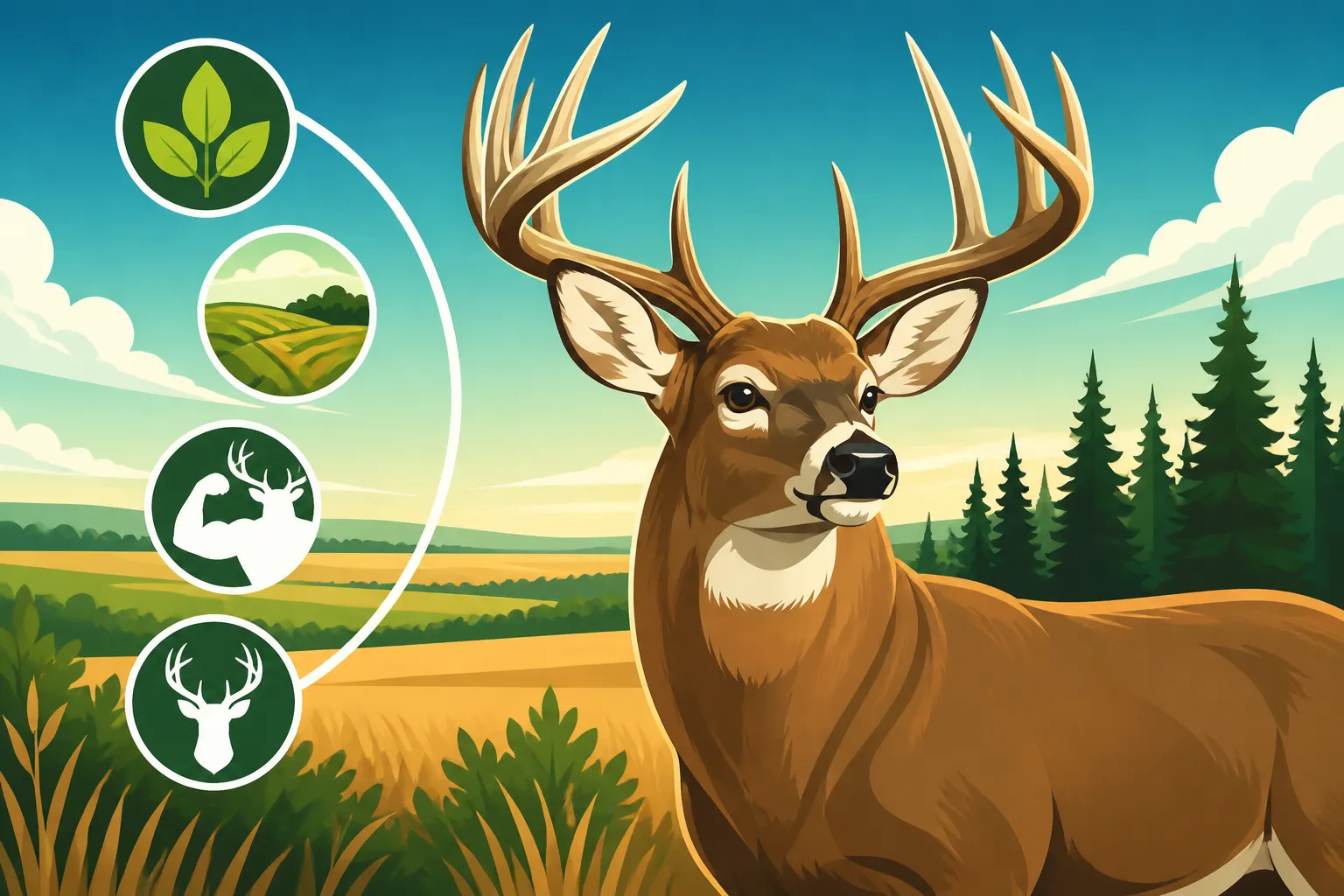
Here’s a breakdown of the key factors contributing to Saskatchewan’s large bucks:
| Factor | Contribution to Large Bucks | Impact on Antlers |
|---|---|---|
| Genetics | Robust northern strain whitetails with inherent traits for large body size and rapid antler growth. | Determines peak antler potential. |
| Nutrition | Abundant agricultural crops (grains, alfalfa) and diverse natural forage year-round. | Fuels rapid growth and density. |
| Minerals | Naturally rich soils provide essential calcium, phosphorus, and trace minerals for antler calcification. | Enhances antler mass, hardness, and size. |
| Age Structure | Managed hunting pressure and expansive cover allow many bucks to reach 4.5 to 6.5+ years old. | Allows full expression of genetic potential and peak growth. |
| Habitat | Mosaic of forest fringe, parkland, and agricultural areas provides food, cover, and thermal protection. | Reduces stress, promotes survival, and concentrates resources. |
| Winter Severity | Harsh winters cull weaker deer, ensuring only the strongest genetics persist in the breeding pool. | Selects for robust, resilient deer. |
Optimal Habitat: The Perfect Whitetail Ecosystem
Saskatchewan's geography offers a unique blend of habitats that, when combined, create an almost perfect ecosystem for growing giant whitetail bucks. It’s not just one type of land; it’s the synergy of diverse landscapes that truly sets it apart.
The Forest Fringe and Parkland Advantage
Imagine an area where expansive, fertile agricultural fields meet dense, sprawling blocks of aspen and willow bluffs, interspersed with pockets of coniferous forest. This is the "forest fringe" and "parkland" region of Saskatchewan, a zone widely renowned for producing monster whitetails. These areas offer the best of both worlds: the immense caloric and nutritional bounty of cultivated farmlands, coupled with the security and cover provided by thick, untouched wilderness.
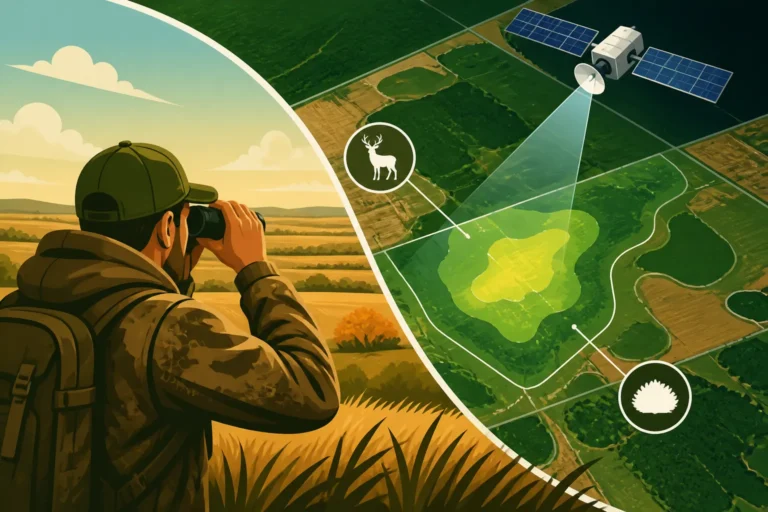
Deer can spend their nights feeding in pea, wheat, or canola fields, filling their stomachs with high-energy forage, then retreat into the tangled bush lines, river bottoms, and coulees during the day to bed down and avoid detection. This constant access to both prime food and secure cover minimizes stress, maximizes energy intake, and allows bucks to fully dedicate their resources to body maintenance and antler growth. These transition zones are particularly rich in biodiversity, providing a varied diet of browse and forbs that complements the agricultural crops. Understanding these productive areas is key to successful Whitetail Hunting in Saskatchewan, and platforms like GoHunt are invaluable for mapping out these critical edges and transitions. The intermingling of these land types creates a sanctuary where deer can thrive and avoid human disturbance. This is also where you might find deer moving between different types of cover, creating excellent ambush opportunities when Hunting a Bluff Between Two Fields or Hunting a Slough Edge for Whitetails.
Wintering Grounds and Cover
While summer and fall nutrition are crucial for antler development, a buck's ability to survive a harsh Saskatchewan winter is equally important for its long-term potential. The province experiences brutally cold temperatures and significant snowfall, which can be devastating for deer populations if adequate wintering habitat isn't available. Fortunately, many parts of Saskatchewan offer excellent thermal and escape cover.
Dense coniferous stands, thick willow bottoms along rivers and creeks, and deep coulees provide crucial shelter from biting winds and heavy snow. These areas act as wintering yards, concentrating deer in sheltered spots where they can conserve energy. Furthermore, the presence of various browse species in these thicker areas, even if less palatable than summer crops, provides a vital food source when other options are buried under snow. A buck that emerges from winter in strong physical condition is much better equipped to begin the antler-growing cycle in the spring, whereas a deer that barely survives winter will put all its energy into recovery, often at the expense of antler size for that season. The combination of secure cover and resilient browse ensures that a healthy portion of the herd makes it through the lean months, ready to grow even bigger the following year. This resilience is a significant factor in Why Saskatchewan Bucks Grow So Large and contributes to the legendary status of places like the forest fringe where Hunting the Forest Fringe for Big Bucks is a real possibility.
Disclaimer
Hunting involves inherent risks. This article provides general information and should not replace professional advice, local regulations, or personal judgment. Always consult the most current Saskatchewan hunting regulations guide, obtain proper licensing, and prioritize safety and ethical hunting practices. Conditions and regulations can change, so staying informed is crucial for a safe and successful hunt.