What a Saskatchewan Guided Whitetail Hunt Costs
The dream of chasing a trophy whitetail across Saskatchewan's vast and wild landscapes is one many hunters share, but the reality of planning such an adventure often starts with a major question: "What's this going to cost me?" It's not always a straightforward answer, and the sheer number of variables can feel overwhelming. This guide aims to demystify the financial aspects of booking a guided whitetail hunt in Saskatchewan, helping you understand where your money goes and how to budget effectively for this incredible experience.
Understanding the Base Package Cost
When you start looking at guided whitetail hunts, the first thing you'll usually encounter is a "package price." This is the foundational cost from the outfitter and it's what most people think of when they ask about hunt costs. However, what's included in that package can vary significantly between operations.
What's Typically Included?
Most Saskatchewan outfitters structure their base packages to cover the essential elements of your hunt. This almost always includes a certain number of days of actual hunting, usually around five or six full days. During this time, you can generally expect your lodging to be covered, which might range from a cozy cabin at a remote camp to a more modern lodge with all the comforts of home. Meals are another standard inclusion; picture hearty breakfasts before dawn, packed lunches for the stand, and delicious dinners to refuel after a long day in the woods.
Guide services are, of course, central to a guided hunt. This means you'll have experienced professionals who know the local terrain, understand deer movement, and can help with scouting, tracking, and game recovery. Field transportation to and from your hunting areas, whether by truck, ATV, or even snowmobile in late season, is usually part of the deal. Finally, basic game care – like field dressing, skinning, and caping your deer for taxidermy or processing – is a common offering, ensuring your hard-earned trophy is handled correctly. Some outfitters might also offer basic cold storage for your meat while you're at camp.
Factors Affecting Base Price
Several key factors play into how much an outfitter charges for their base package. The location of the hunt is a big one. Forest fringe areas, often renowned for producing massive bucks, might command different prices than hunts conducted entirely on vast farmlands. The outfitter's reputation and track record are also significant. A highly sought-after outfitter with consistent success and a long list of satisfied clients will naturally charge more than a newer or less established operation.
The camp amenities themselves contribute to the cost. A rustic tent camp with basic provisions will be less expensive than a luxurious lodge featuring private rooms, hot showers, Wi-Fi, and gourmet chefs. The length of the hunt is another direct cost driver; a five-day hunt costs less than a seven-day excursion. Perhaps one of the most impactful factors is the time of year. Hunts during the peak of Hunting the Rut in Early to Mid November are often the most expensive and book up earliest, as this is when the biggest bucks are most active and vulnerable. Early season archery hunts or late-season rifle hunts might come with different price points.
Finally, the hunter-to-guide ratio is crucial. A one-on-one guide experience, where you have a dedicated guide solely focused on your hunt, will always be pricier than a two-on-one or even a three-on-one ratio, where a single guide is assisting multiple hunters. This personalized attention comes at a premium.
Additional Expenses to Budget For
While the base package covers a significant portion of your hunt, it's vital to remember that there are many other costs that will add up. Overlooking these can lead to an unwelcome surprise when it's time to settle up.
Licences and Tags
This is a non-negotiable cost. As a hunter in Saskatchewan, you'll need a variety of permits. Non-residents, especially, will face higher fees for their licences and tags compared to residents. You'll need a general big game licence, a specific tag for your whitetail deer (which may be antlered or antlerless depending on your draw success), and also a Wildlife Habitat Certificate. These are purchased directly from the province and are separate from your outfitter's fees. It's crucial to understand Saskatchewan Hunting Licences and What They Cost well in advance of your trip and factor these into your overall budget.
Travel and Logistics
Getting to Saskatchewan, and then to your outfitter's camp, is another major expense. If you're flying, consider airfare to a major hub like Saskatoon or Regina. From there, you might need to rent a vehicle or arrange for shuttle services with your outfitter, depending on their package inclusions. Don't forget the cost of fuel if you're driving, especially if covering long distances across the province. Many hunters also choose to book pre- and post-hunt lodging in a nearby town, especially if their flights don't align perfectly with camp arrival or departure times. This can add several hundred dollars to your trip.
Gear, Ammunition, and Personal Items
A successful hunt relies on being properly equipped, and quality gear isn't cheap. Think about appropriate clothing layers for Saskatchewan's often extreme weather, durable boots for long days afield, a reliable rifle or bow, high-quality optics, and enough ammunition. While some outfitters might offer rifle rentals, most hunters prefer to bring their own. Don't forget smaller personal items like headlamps, first-aid supplies, specialized hunting accessories, and any medications. While these might seem minor individually, they accumulate.
Meat Processing and Trophy Handling
Once you've harvested your whitetail, the work isn't over. Most outfitters include basic field care, but getting your meat professionally butchered, wrapped, and frozen often comes at an extra cost. If you plan to take your meat home, you'll need to factor in insulated coolers and potentially specialized shipping services, especially if crossing international borders. For trophy antlers and capes, taxidermy services are an entirely separate expense. If you're having the trophy mounted at home, you'll need to budget for professional crating and shipping of the cape and antlers, which can be surprisingly costly, especially for larger racks. Many outfitters can recommend local services for these needs.
Gratuities and Tips
It's customary in the guiding industry to tip your guides, cooks, and camp staff. These individuals work incredibly hard to ensure your hunt is successful and comfortable, often starting before you wake up and finishing long after you've gone to bed. While there's no fixed rule, a common guideline is to budget a percentage of your total hunt cost for gratuities. This should be a significant line item in your budget to acknowledge their efforts. How Much to Tip a Saskatchewan Guide is a great resource to help you plan for this important aspect.
Taxes and Fees
Beyond licence fees, be aware that outfitters may charge provincial sales tax (PST) or Goods and Services Tax (GST) on their services. Confirm with your outfitter what taxes apply to their package price and if they are already included or will be added on. Sometimes there can also be small administrative fees or conservation fees that are passed on to the hunter.
How Outfitter Choices Influence Price
The choices an outfitter makes in how they operate their business, from their facilities to their staffing levels, directly impact the price they charge. As a hunter, understanding these differences helps you decide what kind of experience you're willing to pay for.
Luxury vs. Rustic Camps
The spectrum of hunting accommodations in Saskatchewan is wide, and each level comes with a different price tag. At the lower end, you might find outfitters operating out of more rustic camps. These could be comfortable but basic cabins, perhaps with shared washroom facilities and more communal living spaces. The focus here is often on the hunting itself, providing a clean bed, warm food, and a place to relax after a day in the field, without a lot of frills. These experiences tend to be more budget-friendly.
On the other hand, luxury camps and lodges spare no expense. Picture private rooms with en-suite bathrooms, king-sized beds, high-speed internet, satellite TV, and possibly even amenities like hot tubs or dedicated game rooms. Meals might be prepared by professional chefs, offering a gourmet dining experience. The guides might be seasoned veterans with years, even decades, of experience. These high-end operations provide an unparalleled level of comfort and service, and their prices reflect this elevated experience. They often cater to clients looking for a "vacation" as much as a hunt.
Hunter-to-Guide Ratios
As mentioned earlier, the number of hunters assigned to each guide is a critical cost factor. A one-on-one (1:1) guide ratio means you have a dedicated guide whose sole responsibility is to assist you. This allows for maximum flexibility, personalized strategies, and undivided attention, which can be invaluable when tracking a wary buck or adjusting tactics on the fly. This level of personalized service requires more staff per hunter and, consequently, is the most expensive option.
Two-on-one (2:1) guiding is a common compromise, where two hunters share one guide. This can work well for hunting partners or friends traveling together, and it often provides a more affordable option while still offering a good level of guidance. The guide will split their time and attention between the two hunters, which might mean coordinating stand times, or taking turns on stalks. Less common, but sometimes offered, are three-on-one (3:1) ratios, typically found in larger camps or for specific types of hunts like waterfowl. While these are the most economical, the individual attention is significantly reduced.
Reputation and Success Rates
The outfitter's standing in the hunting community and their documented success rates are strong indicators of price. Outfitters who have been operating for many years, consistently producing quality animals and satisfied clients, build a strong reputation. This often translates to prime hunting leases, well-managed territories, and highly experienced staff, all of which contribute to a higher operating cost and, subsequently, a higher package price. Hunters are often willing to pay more for the perceived certainty of a quality experience and a better chance at a trophy animal.
It's worth noting that "success rates" should be examined carefully. An outfitter might boast a high success rate, but it's important to ask what that truly means: is it 100% opportunity, 100% harvest, or 100% harvest of a certain size of animal? A good outfitter will be transparent about their expectations and realistic about what you can anticipate. Platforms like BookYourHunt and GoHunt often provide client reviews and reported success rates that can help in your research, but always follow up with direct questions to the outfitter. Checking What Success Rates Actually Mean can provide a more in-depth understanding.
| Cost Category | Typical Inclusions in Base Package | Typical Exclusions (Extra Cost) |
|---|---|---|
| Hunting | Guided hunting days | Taxidermy, custom butchering, shipping |
| Accommodation | Lodge/cabin lodging | Pre/post-hunt hotel stays |
| Food & Drink | All meals (breakfast, lunch, dinner) | Alcoholic beverages, personal snacks |
| Transportation | Field transportation to hunting areas | Airport transfers, rental car, fuel |
| Guide Services | Professional guide services | Gratuities/Tips for guides/staff |
| Game Care | Field dressing, skinning, caping | Advanced meat processing, shipping |
| Licences & Permits | (Often not included in base price) | Big game licence, whitetail tag, WHC |
| Personal Gear | (None) | Hunting clothing, boots, optics, rifle |
Navigating the Booking Process and Costs
Once you have a clearer picture of the financial landscape, the next step is to engage with outfitters and make an informed decision. This involves diligent research, careful questioning, and understanding the fine print.
Deposits and Payment Schedules
Almost every outfitter will require a non-refundable deposit to secure your booking. This deposit can range from a portion of the total hunt cost to a fixed amount, and it's generally due quite far in advance – sometimes a year or more before your hunt date, especially for prime rut weeks in Saskatchewan. The remaining balance will have a specified payment schedule, often due in installments or in full 30, 60, or 90 days before your arrival.
It's absolutely critical to understand the outfitter's cancellation policy. What happens if you need to cancel due to unforeseen circumstances? Can your deposit be transferred to another year or another hunter? Are there any refunds for partial cancellations? Asking these questions upfront, and getting the answers in writing, can save you a lot of headache and potential financial loss down the road. Some hunters opt for travel insurance specifically designed for hunting trips to protect their investment.
Understanding Package Inclusions and Exclusions
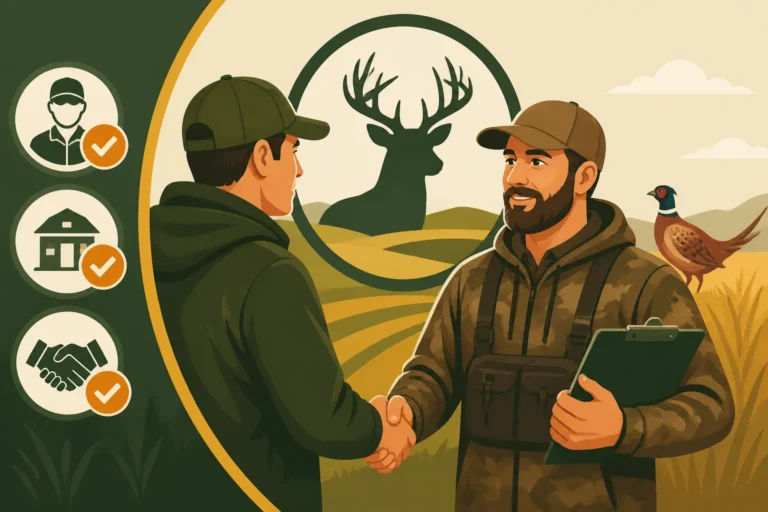
Never assume what's included in a package. A common frustration for hunters is getting to camp and realizing that certain services they expected, like airport pickup or specific meat handling, are actually extra charges. Before you sign anything or send a deposit, get a detailed, itemized list of everything that is included in the quoted price. Then, just as importantly, get a list of everything that is explicitly not included and what those potential additional costs might be.
This level of clarity helps you build a truly comprehensive budget. Don't be shy about asking questions about anything unclear; a reputable outfitter will appreciate your thoroughness and be happy to provide all the information you need. You might also find it helpful to look at What a Saskatchewan Guided Whitetail Hunt Includes or What Is Never Included in a Package for specific examples.
Researching and Comparing Outfitters
Choosing the right outfitter is as much about finding the right fit for your hunting style and personality as it is about the price. Start your research early. Online platforms like BookYourHunt and GoHunt can be excellent starting points, offering directories of outfitters, reviews from past clients, and sometimes even direct booking options. These platforms allow you to filter by species, location, and even price range, giving you a broad overview of available options.
Once you've narrowed down a few potential outfitters, delve deeper. Check their websites, social media, and read independent reviews. Don't hesitate to ask outfitters for references from previous clients; a good outfitter will gladly provide them. When speaking with references, ask about the quality of the guiding, the camp experience, the food, and how accurately the costs and inclusions were represented. It's also wise to check if the outfitter is licensed and in good standing with the relevant provincial authorities. Consider reading Choosing the Right Saskatchewan Outfitter for more tips on this crucial step.
No matter where you choose to hunt, always prioritize clear communication and a written agreement to ensure your Saskatchewan whitetail hunting adventure is everything you dreamed of, without any costly surprises.
Disclaimer
This article is for general informational purposes only and does not constitute professional advice. Laws, prices and regulations vary by location and change over time. Consult a qualified professional for guidance on your specific situation.