Saskatchewan Big Game Draw Deadlines
The Saskatchewan big game draw can feel like a high-stakes lottery, a crucial annual event that dictates whether your hunting dreams for species like moose, elk, or mule deer will become a reality. Missing a critical deadline isn't just a minor oversight; it can mean an entire year of waiting, scouting, and anticipation vanishes in a puff of smoke. This guide is here to walk you through all the essential deadlines and processes for the Saskatchewan Big Game Draw, ensuring you're well-equipped to navigate the system successfully.
Understanding the Saskatchewan Big Game Draw System
The big game draw system in Saskatchewan is designed to fairly allocate a limited number of licences for popular or sensitive big game species, ensuring sustainable wildlife populations while providing hunting opportunities. It’s a crucial tool for wildlife management, balancing hunter demand with ecological capacity. For many hunters, especially those new to the province or targeting highly sought-after species, grasping the nuances of this system is the first step towards success.
Why the Draw Exists
Imagine a scenario where everyone could just buy a licence for a trophy bull moose or a prime mule deer buck. The pressure on these animal populations would be unsustainable, leading to rapid declines and jeopardizing future hunting for everyone. That’s precisely why the draw exists. It’s a conservation measure at its heart, allowing the Ministry of Environment to control harvest levels in specific Wildlife Management Zones (WMZs). This helps maintain healthy populations of species that are either highly desired by hunters, have limited numbers, or whose management requires careful oversight. It also helps manage conflicts, such as wildlife crop damage in certain agricultural areas, by allocating antlerless tags to help reduce herd sizes.
Species Managed by Draw
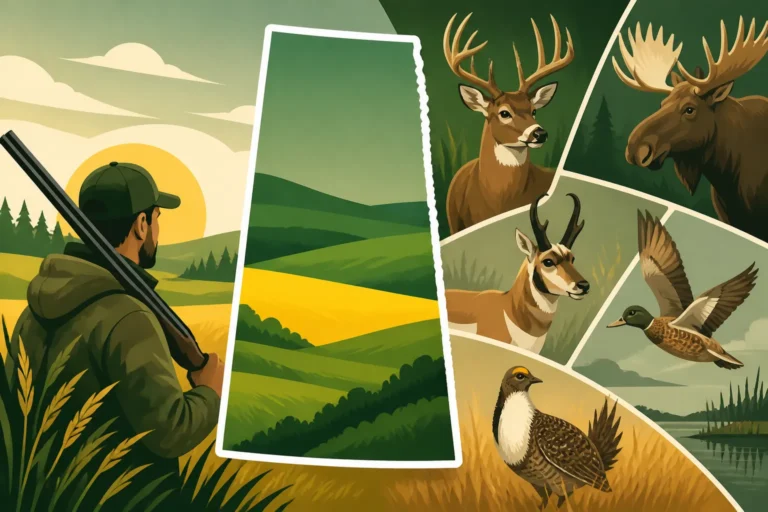
Not all big game species require a draw licence in Saskatchewan. Whitetail deer, for instance, often have over-the-counter licences available in many zones, though special antlerless draws can occur. However, for species like moose, elk, mule deer, and pronghorn, the draw is almost always mandatory. The allocation for these species varies significantly by WMZ, reflecting local population dynamics, habitat conditions, and historical harvest data. Each year, the number of available tags can shift, so it’s essential to review the current hunting guide. Knowing which zones offer better draw odds for certain species is critical intelligence for any serious hunter. You'll find specific details on how many whitetails Saskatchewan holds and where Saskatchewan grows the biggest bucks outside of the draw system for those general licences.
Draw Priority Pools
The Saskatchewan big game draw isn't a purely random lottery. It incorporates a priority pool system, which acknowledges a hunter's persistent efforts over multiple years. Think of it as a loyalty program: the more years you apply unsuccessfully, the higher your priority pool becomes, increasing your chances of drawing a desirable tag. There are different pools, such as the General Pool, Legacy Pool, and Super A Pool, each offering varying levels of advantage. Understanding how Saskatchewan's priority pools work is paramount. A hunter in the General Pool has a lower chance than someone in the Legacy Pool, who has accumulated many years of unsuccessful applications for the same species in the same zone. This system aims to prevent perpetual frustration and eventually reward dedicated applicants. However, it also means that new applicants often start with very low odds for highly coveted draws.
Key Deadlines You Absolutely Cannot Miss
The draw system revolves around strict timelines, and missing any of them can mean waving goodbye to your hunting season for the year. It's not enough to just know about the draw; you need to mark these dates on every calendar you own, set reminders, and maybe even get a friend to nag you.
Annual Draw Opening Dates
The first crucial deadline you need to be aware of isn't actually a deadline, but the opening of the draw application period. Typically, the Saskatchewan Big Game Draw opens in the spring, often around April or May. This window allows ample time for hunters to review the current hunting guide, research zones, decide on their preferred species, and get their applications in order. While it might seem early, getting your application in sooner rather than later can prevent last-minute rushes and potential errors. It's your first opportunity to get into the game, so mark it down as soon as it's announced. Details like when Saskatchewan's Big Game Draw Opens are published well in advance.
The Hard Application Deadline
This is perhaps the most critical date on the entire hunting calendar for draw species. The application deadline for the Saskatchewan Big Game Draw usually falls in late May, often the last Wednesday of the month. This isn't a flexible date; once it passes, you cannot apply. Period. There are no extensions, no exceptions for technical glitches, and no "I forgot" clauses. This hard deadline is non-negotiable, and every year, countless hunters are left disappointed because they simply didn't submit their applications in time. Double-check the exact date in the annual hunting guide and submit your application well before the clock runs out to avoid this heartbreaking mistake. This is also the point where what a draw application costs needs to be considered, as payment is required upon submission.
Licence Purchase Deadlines for Successful Applicants
Drawing a tag is a huge victory, but the excitement can sometimes overshadow another critical deadline: purchasing your drawn licence. After the draw results are posted (usually in late June or early July), successful applicants typically have a window of a few weeks to purchase their allocated licence through their HAL account. Failing to purchase your licence by this deadline means you forfeit it, and it will be re-allocated to someone else, or offered in a subsequent draw. This is a bitter pill to swallow after waiting years to draw a coveted tag. So, once you've checked your results, immediately note the purchase deadline and make it a priority. Don't let a hard-won opportunity slip away due to an administrative oversight. This is an important step of Saskatchewan's HAL Account and Licensing process.
Navigating the Application Process
The actual process of applying for the big game draw, while seemingly straightforward on the surface, can have its own set of complexities. A little preparation and attention to detail can save you a lot of grief.
Setting Up Your HAL Account
Before you can even think about applying for the draw, you need a valid Hunter and Angler Licence (HAL) account. This online portal is your gateway to all hunting and fishing licences, draw applications, and hunter education records in Saskatchewan. If you're a new hunter or haven't used the system in a while, it’s wise to set up or verify your HAL account well in advance of the draw opening. Ensure all your personal information is correct and up-to-date, especially your contact details, as this is how the ministry will communicate with you regarding draw results. Issues with forgotten passwords, outdated email addresses, or incorrect hunter numbers can all lead to missed opportunities when critical deadlines are looming.
Choosing Your Zones and Species
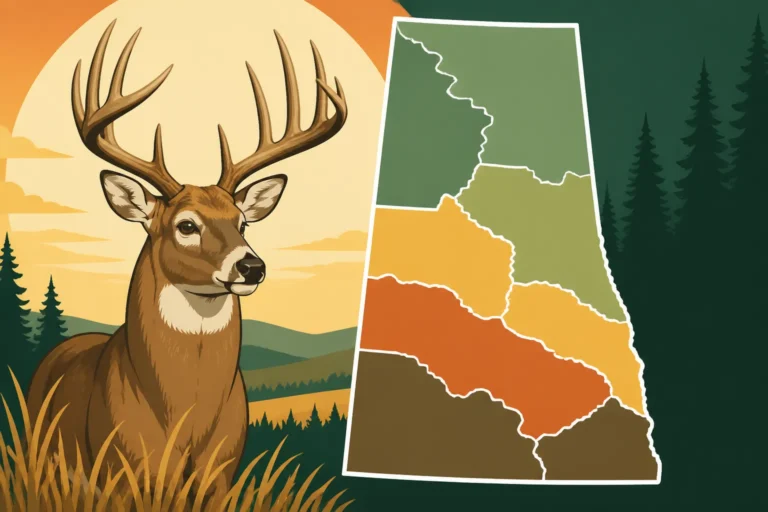
This is where the real strategy comes into play. When applying, you'll typically select your top choice for species and WMZ, and often a second or third choice. It's tempting to just pick the zones known for trophy animals, but a more strategic approach involves balancing your dream hunt with realistic draw odds. Researching the zones and understanding the population densities, historical success rates, and pressure in each area is crucial. Utilizing tools like GoHunt can provide invaluable insights into historical draw odds and harvest data, helping you make informed decisions about where to apply. Some WMZs are notoriously difficult to draw for certain species, like the zones with high Saskatchewan Trophy Moose Draw Odds, while others might offer better chances, albeit for a potentially smaller animal. Don't forget to consult a current Saskatchewan Wildlife Management Zone map to visualize your choices.
Common Application Pitfalls
Even seasoned hunters can make mistakes. One common pitfall is misunderstanding the priority pool system or incorrectly applying as a party. Forgetting to apply for the correct antler type (e.g., antlered vs. antlerless) or mixing up WMZ numbers can also lead to unintended results. Another frequent error is simply rushing the application and failing to review it thoroughly before submission. Before you hit "submit," double-check every detail: your chosen species, WMZs, priority pool selection, and payment information. Ensure you’re applying for the correct pool, especially if you're trying to build priority for a specific species. If you're applying with a group, make sure you understand the rules for applying as a party in Saskatchewan's draw. These seemingly minor errors can disqualify your application or lead to a tag you didn't truly want.
What Happens After the Draw Deadline
Once the application deadline passes, the real waiting game begins. It can be a tense period, filled with anticipation and maybe a little anxiety. Understanding the timeline and how results are communicated can help manage the stress.
The Waiting Game
After the application deadline closes, the Ministry of Environment begins the complex process of running the draw. This involves processing thousands of applications, allocating tags based on established quotas, and factoring in the priority pool system. This isn't an instant process; it takes several weeks. During this time, there's nothing more you can do but wait. Resist the urge to constantly check your HAL account immediately after the deadline; the system needs time. Focus on other aspects of your hunting preparations, like scouting potential areas if you happen to draw, or planning for general over-the-counter tags if your draw odds are low.
Checking Your Results
Draw results are typically posted to individual HAL accounts in late June or early July. You won't usually receive a physical letter or an email notification that you’ve drawn a specific tag, though the Ministry often sends a general email announcing that results are available. It’s your responsibility to log into your HAL account and check your status. When the results are posted, you'll see a notification indicating whether you were successful for your chosen species and zone. If you were unsuccessful, your priority status for that specific species and zone will typically increase, moving you up in the priority pools. Knowing when draw results are posted is critical for planning the rest of your season.
Secondary Draw Opportunities
If you weren't successful in the main big game draw, don't despair entirely. Saskatchewan sometimes offers secondary draw opportunities for any remaining, unallocated licences. These are often for less popular zones or antlerless tags, but they can still provide a valuable hunting opportunity. Keep an eye on Ministry announcements and your HAL account for information about these subsequent draws, which usually have their own application periods and deadlines, often later in the summer. While not guaranteed, these secondary draws can be a lifeline for hunters who missed out on their first choice or are looking for additional opportunities. Sometimes, a successful draw is as simple as Which Saskatchewan Zone Is Easiest to Draw.
Tips for a Successful Draw Application
Maximizing your chances in the draw requires more than just meeting deadlines; it involves strategic planning, thorough research, and leveraging available resources.
Researching Zone Odds
This is perhaps the most crucial strategic element of applying for the big game draw. Blindly applying for the "best" zones without understanding the odds is a recipe for perpetual disappointment, especially for species with high demand. Instead, take the time to research historical draw odds for different WMZs and species. Some zones, like those coveted for prime Mule Deer Hunting Saskatchewan's Prairie or Moose Hunting Saskatchewan's Farmland and Forest, will have incredibly low odds unless you're in a high priority pool. Others, perhaps in less accessible areas or for less sought-after tag types (like antlerless), might offer significantly better chances. Websites, hunting forums, and dedicated services like GoHunt provide historical draw data and analysis that can help you make an educated guess about your chances. Look at patterns over several years, not just one, to get a clearer picture. This research can truly inform which zones draw fastest for Mule Deer or what the Saskatchewan Pronghorn Draw Odds are in a specific area.
Party Applications and Strategy
Applying as a party can be a double-edged sword. On one hand, it allows a group of friends or family to hunt together if successful. On the other hand, the draw success of a party is usually determined by the lowest priority member in the group. If you're a seasoned hunter with a high priority pool, applying with a new hunter (who will be in the lowest priority pool) will reduce your chances significantly. However, if everyone in your party has similar, lower priority, it can be a good way to share the experience and increase the collective chance of someone drawing a tag. Carefully consider your group's priority levels and discuss expectations before submitting a party application. Remember, applying as a party in Saskatchewan's draw requires coordination and shared understanding of the rules.
Utilizing Resources like GoHunt
In today's digital age, hunters have access to an incredible array of resources to help them make informed decisions. GoHunt, for example, is a popular platform that provides detailed draw odds, unit profiles, and strategy articles for various western Canadian and U.S. draws. While not specifically tailored only to Saskatchewan, many of its principles regarding drawing strategy and data analysis are highly applicable. Using such resources can help you understand historical success rates, identify trends, and even find overlooked zones that might offer a higher chance of success for your priority level. Beyond draw odds, these platforms often offer valuable scouting tools like satellite imagery, which can be combined with local knowledge to identify potential hunting locations within your chosen WMZ if you are successful. Even simply using general Scouting With Satellite Imagery in Saskatchewan can enhance your preparedness. Don't be afraid to invest a little time in research with tools like GoHunt to give yourself the best possible shot. For specific local information, always cross-reference with the official Saskatchewan hunting regulations guide, but GoHunt can offer a broader perspective on drawing strategy.
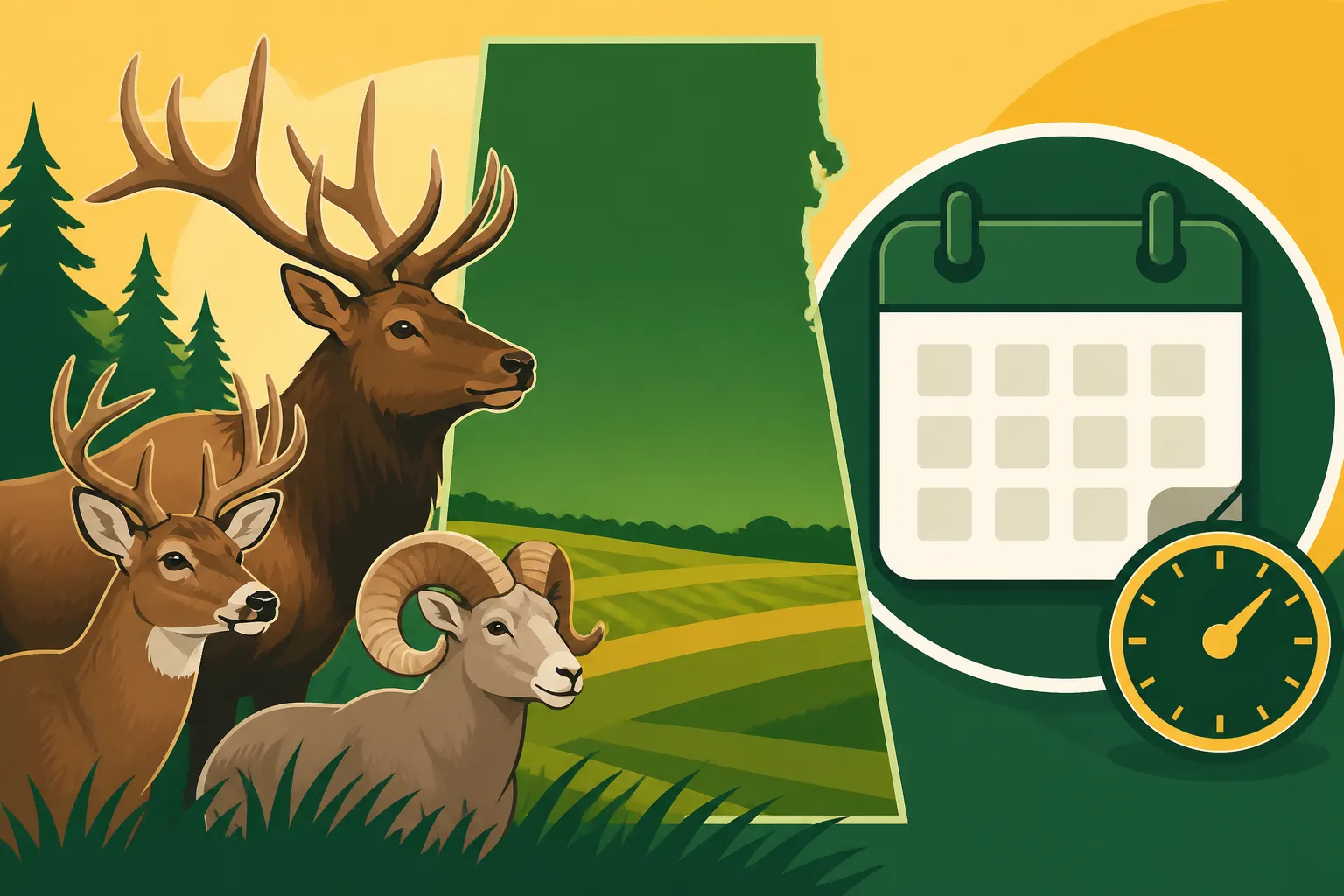
Here’s a quick overview of typical draw stages and their importance:
| Stage | Typical Timeframe | Importance | Consequence of Missing |
|---|---|---|---|
| HAL Account Setup/Update | Year-round, ideally before April | Essential prerequisite for all applications | Cannot apply for draw |
| Draw Application Period | April – May | Window to submit your choices for species and zones | Cannot apply for draw |
| Hard Application Deadline | Late May | Absolute final date to submit applications | Forfeit draw eligibility for the year |
| Draw Results Posted | Late June – Early July | Time to check your HAL account for success/unsuccess | Miss out on purchase deadline if successful |
| Licence Purchase Deadline | Mid-July – Early August | Required to buy your drawn licence to validate your tag | Forfeit drawn licence |
| Secondary Draw (if applicable) | Mid-August | Opportunity for unclaimed or additional tags | Miss out on secondary hunting chances |
Remember, this table provides typical timeframes. Always consult the official Saskatchewan hunting guide for the most current and precise dates each year.
Disclaimer
The information provided in this article is for general guidance and informational purposes only. While every effort has been made to ensure accuracy, hunting regulations and deadlines are subject to change. Always consult the official Saskatchewan Hunters' and Trappers' Guide and the Ministry of Environment website for the most current and authoritative information before planning your hunt or submitting any applications.