What Moose Eat Through the Year
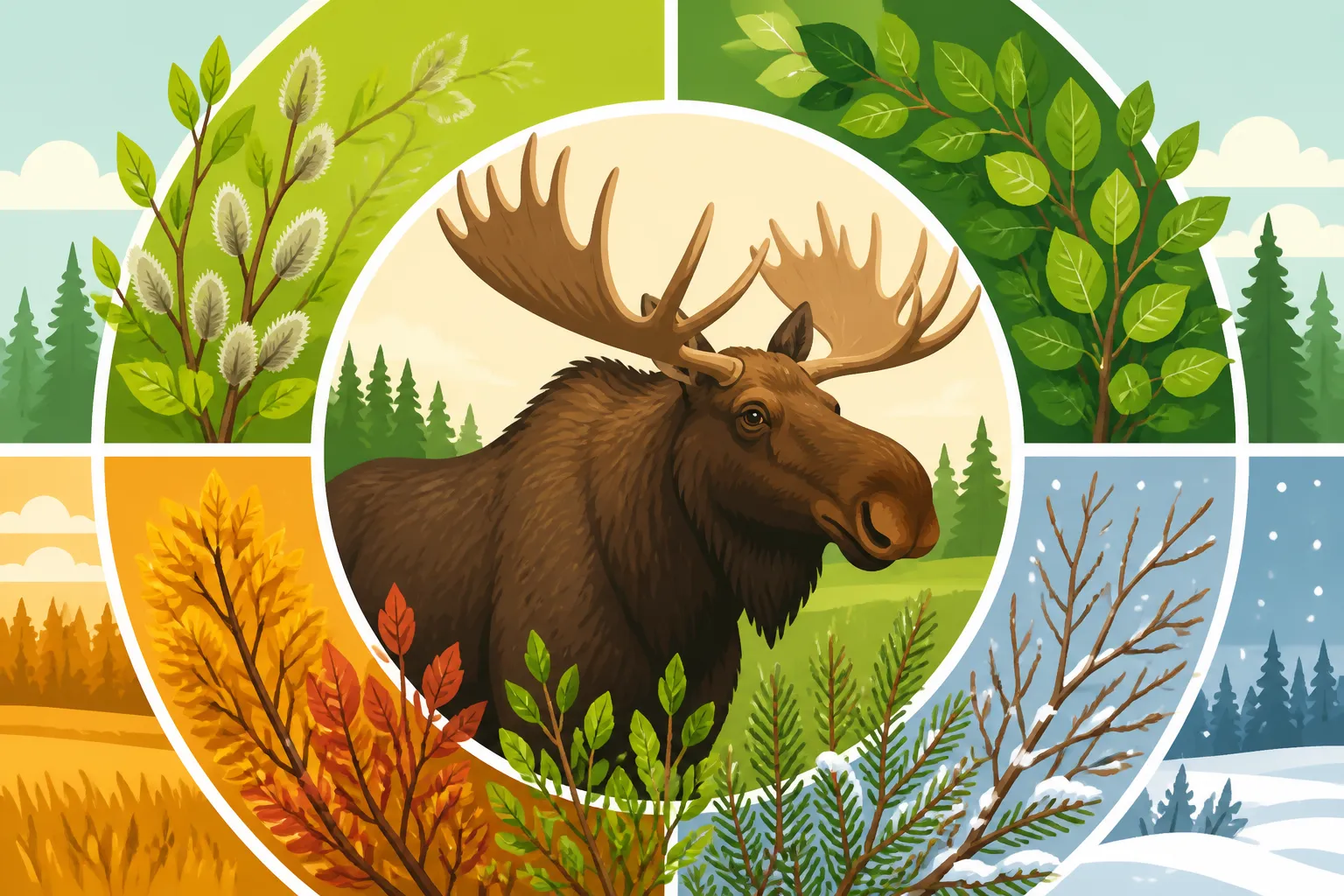
It’s no secret that a Saskatchewan moose is a magnificent creature, a true symbol of our northern wilderness. But what does it take to fuel an animal that can stand taller than a horse and weigh well over a thousand pounds? Understanding what moose eat through the year is absolutely critical, whether you're a hunter trying to pinpoint their movements or just an admirer of these gentle giants. Their diet shifts dramatically with the seasons, impacting where they live, how they survive, and ultimately, their overall health and size. This guide will take you through the seasonal smorgasbord that sustains Saskatchewan moose, offering insights into their feeding behaviours and the environments they call home.
The Moose's Year-Round Menu in Saskatchewan
Moose are, by nature, browsers rather than grazers, which means they prefer to nibble on leaves, twigs, and bark rather than munching on grass like deer or cattle. This distinct dietary preference defines their habitat choices and movement patterns across Saskatchewan’s diverse landscapes, from the mixed wood forests to the boreal regions and even into the farmlands. Their digestive system is specifically adapted to break down tough, woody plant material, but they also crave certain minerals and nutrients found in surprising places.
For us hunters, this knowledge isn't just trivia; it's a vital piece of the puzzle. Knowing their preferred forage helps you predict where they might be at different times of the year. Are they hitting the wetlands for aquatics? Are they browsing on young willows in a recent burn? Or are they tucked deep into mature timber, stripping bark during a hard winter? These insights can make all the difference when you're out scouting for sign or deciding where to hang a stand. Modern scouting tools, like those found on platforms such as GoHunt, can sometimes help identify key habitat features that align with these dietary needs, especially when looking at satellite imagery for dense willow thickets or shallow sloughs.
Nutritional Needs and Habitat Selection
Moose have incredibly high energy demands, especially the bulls during the rut and cows supporting calves. To meet these demands, they seek out areas rich in digestible forage that can provide enough calories and essential nutrients. This isn't just about finding any food; it's about finding the right food. Areas with a mosaic of young forest regeneration, mature timber for cover, and accessible water bodies often provide the ideal balance.
The type of vegetation available directly influences where a moose will choose to live. In the northern parts of the province, where coniferous forests dominate, moose will still seek out pockets of deciduous growth or areas where fire or logging has created new opportunities for browse. You might find them along an old logging road in the north or on a new cutline grid in the north where fresh growth is abundant. Further south, in the parkland and even farmland edges, they’ll utilize willow thickets, aspen stands, and sometimes even agricultural crops. The availability of these critical food sources is a major factor in where Saskatchewan's moose population trends.
Spring and Summer Feasting: Lush Growth and Aquatic Delights
As the snow finally melts away and the Saskatchewan landscape bursts into life, moose enter a period of intense feeding to recover from the long, lean winter months. Spring and summer are times of abundance, allowing them to rebuild body condition, grow antlers (for the bulls), and for cows, to support lactation.
Fresh Green Browse and Forbs
With the arrival of warmer weather, tender new shoots and leaves are at the top of a moose's menu. Aspen, willow, and birch are absolute favorites. They'll strip young saplings clean, often leaving distinct browse lines on the trees. You'll see their characteristic "clip" marks on branches, where they've bitten off the ends. These young, succulent plants are packed with protein and easily digestible, a stark contrast to the woody diet they've been on all winter.
Forbs – broad-leaved herbaceous plants – also become a significant part of their diet. Think clover, vetch, and various wildflowers. These contribute important minerals and vitamins. Moose are incredibly selective feeders, moving through an area and carefully picking out the most nutritious bits. This is why a diverse forest understory, often found in areas like the Forest Fringe, is so valuable to them. They'll also frequent burned-over areas or recent cut blocks, where new growth explodes in the sunlight. You might even use a tool like GoHunt's mapping features to identify these habitat types before you even lace up your boots.
Aquatic Plants: A Nutritional Powerhouse
Perhaps one of the most iconic images of a moose in summer is one with its head submerged in a slough or lake, pulling up aquatic vegetation. These plants are incredibly important. Water lilies, pondweed, horsetail, and sedges are rich in sodium and other essential minerals that are often scarce in terrestrial plants. Moose will spend hours in shallow water, consuming large quantities of these submerged greens. This drive for sodium is so strong that they'll often return to the same marshy areas day after day.
These slough country concentrations of game make them prime spots for scouting during the warmer months. When hunting Farmland Moose in Saskatchewan, focusing on these water sources can be incredibly productive, as they offer both food and a cooler respite from summer heat and insects. Finding a Hunting a Frozen Slough Crossing during winter indicates where they might be feeding in summer.
Fall Foraging: Building Reserves for Winter
As autumn paints the Saskatchewan landscape with fiery colours, a sense of urgency kicks in for moose. This is a critical period for them to put on as much weight as possible, building up the fat reserves they'll need to survive the coming winter. The quality of fall browse directly impacts their ability to withstand the cold and scarcity.
Woody Browse and Mature Leaves
While the tender shoots of spring are gone, fall still offers a bounty of woody browse. Moose continue to feed heavily on the leaves and twigs of aspen, willow, and birch. However, as the leaves mature and start to yellow, their nutritional value declines somewhat, becoming less digestible. Despite this, the sheer volume available means they can still pack on the pounds. They'll focus on areas where these deciduous trees are abundant, often in younger stands or at the edges of mature forests.
The pre-rut and rut periods in fall, particularly around When Saskatchewan's Moose Rut Peaks, are metabolically demanding times for bulls. They expend immense energy chasing cows, fighting rivals, and vocalizing. Therefore, accessing good quality browse right up until the deep cold sets in is crucial for their post-rut survival.
Agricultural Benefits and Hidden Gems
In areas where the forest fringe meets agricultural land, moose can sometimes take advantage of leftover crops. Swathed grain fields, particularly peas or canola, can offer a temporary high-calorie boost. While not their primary diet, a moose will certainly take advantage of an easily accessible meal if it's available on a Hunting a Swathed Grain Field at Dusk. This proximity to agricultural areas is a key reason why we see moose expanding their range into regions once thought of as purely deer or elk country.
Beyond crops, fall also sees moose turning to less common food sources. The availability of berries, such as saskatoons or cranberries, can offer a quick burst of energy and antioxidants. While not a primary food source, these wild fruits can supplement their diet, much like how What Acorn and Berry Crops Do Up North affects deer and bear diets. Being aware of these opportunistic feeding habits can give a hunter an edge in diverse landscapes.
Winter Survival: Scarcity and Strategic Browsing
Winter in Saskatchewan is a harsh reality, and for moose, it's a test of endurance. Food becomes scarce, and their diet shifts dramatically to more readily available, albeit less nutritious, woody materials. Survival hinges on efficient foraging and conserving energy.
Woody Twigs and Bark
During the deepest parts of winter, moose rely almost exclusively on woody browse. This means twigs, buds, and bark from their preferred deciduous trees: willow, aspen, birch, and dogwood. They'll browse higher into trees as snow depths increase, often creating distinctive browse lines visible on the landscape. Identifying these signs is key for Reading Sign After Fresh Saskatchewan Snow and can indicate where moose have been actively feeding.
Coniferous trees, like balsam fir and pine, become fallback options when preferred deciduous browse is buried or exhausted. While not as palatable or nutritious, they offer some sustenance. Moose have adaptations, like specialized bacteria in their digestive system, that help them extract what little nutrition is available from this tough winter diet. This diet of lower quality food also means they need to conserve energy, leading to reduced movement and more time spent in sheltered areas.
Yard-Up Areas and Thermal Cover
In deep snow conditions, moose will often "yard-up" in areas of dense cover, typically mature timber or thick willow bottoms, that offer thermal protection and a concentration of available browse. These wintering areas are crucial for survival, as they minimize energy expenditure from moving through heavy snow. They'll stick to established trails or areas of packed snow. This is why Where Saskatchewan Whitetails Bed in Snow and moose often choose similar winter refuges.
Areas like the Hunting Saskatchewan's Boreal Forest Fringe or dense poplar bluffs provide both food and protection from the relentless Saskatchewan winds. Understanding these winter habits is essential for planning late-season hunts or simply appreciating their incredible resilience. Even during harsh winters, a massive bull moose that might What a Bull Moose Weighs in the North still needs a considerable amount of browse each day to keep its furnace burning.
Seasonal Moose Diet Breakdown
| Season | Primary Forage | Key Nutrients | Typical Habitat | Impact on Moose |
|---|---|---|---|---|
| Spring | Fresh deciduous shoots (aspen, willow, birch), forbs | Protein, easy digestibility | Regenerating cut blocks, forest edges, wetlands | Rapid weight gain, antler growth, lactation |
| Summer | Aquatic plants (water lilies, pondweed), deciduous leaves, forbs | Sodium, minerals, high energy | Shallow lakes, sloughs, marshy areas, dense cover | Peak physical condition, calf rearing, heat relief |
| Fall | Woody browse (twigs, leaves), agricultural crops (opportunistic), berries | Energy reserves, preparing for winter | Forest fringe, aspen stands, agricultural edges | Building fat stores, rut activity (bulls) |
| Winter | Woody browse (twigs, buds, bark of aspen, willow, birch, fir) | Fibre, basic calories, survival | Dense timber, sheltered valleys, established yarding areas | Energy conservation, survival mode |
Factors Influencing Moose Diet and Availability
The diet of a Saskatchewan moose isn't just about what they prefer to eat; it's heavily influenced by environmental factors that dictate what's actually available and how palatable it is. Understanding these dynamics adds another layer to appreciating these incredible animals.
Weather and Climate Effects
The weather patterns of any given year play a huge role in forage availability. A wet spring and summer can lead to an abundance of lush, nutritious growth, both terrestrial and aquatic. This can significantly benefit moose, allowing them to gain more weight and enter winter in better condition. Conversely, a dry year can reduce the quantity and quality of forage, forcing moose to travel further to find food or settle for less nutritious options.
Deep snow in winter, for instance, can bury preferred browse, making it harder for moose to access food. This is where their sheer size helps them, as they can often reach higher branches than deer. However, too much snow can still restrict their movement and increase their energy expenditure, making survival tougher. This is why How Deep Snow Moves Deer Into Cover is also relevant for moose, as they will seek out areas that minimize travel effort. Extended periods of extreme cold also increase their caloric needs just to stay warm, putting even more pressure on their limited winter diet.
Forest Health and Regeneration
The health and stage of our forests are paramount to moose populations. Moose thrive in areas with diverse forest age classes. Young, regenerating forests (often after a wildfire or logging operation) provide abundant, accessible browse. These areas are quickly colonized by aspen, willow, and birch, which are staple foods. However, as forests mature, the browse grows out of reach or becomes too woody, forcing moose to seek out new feeding grounds.
Forest fires, while destructive, are often beneficial in the long run for moose, as they reset the landscape and promote new growth. Similarly, responsible forestry practices that create diverse age classes of timber can greatly enhance moose habitat. Programs like those supported by the Saskatchewan Wildlife Federation often focus on habitat improvement, which directly benefits moose by ensuring a consistent food supply. Scouting tools, including GoHunt's mapping features, can often show the age of tree stands or recent burns, helping you pinpoint these regeneration zones.
Competition and Predation
While less about diet composition, competition from other ungulates, particularly white-tailed deer and elk, can influence localized food availability, especially if browse is limited. However, moose are primarily browsers, and their specific dietary preferences often minimize direct competition for the exact same food sources as grazers like bison or cattle.
Predation, mainly from wolves and bears, doesn't directly affect what moose eat but certainly influences where they choose to eat. Moose, especially cows with calves, will often choose feeding areas that offer good cover for safety, even if the browse isn't the absolute highest quality. Balancing nutritional needs with safety is a constant calculation for a wild moose. Knowing about Wolf Pack Size in Saskatchewan's Boreal can help hunters understand the pressures moose face in different regions.
Disclaimer
This article is for general informational purposes only and does not constitute professional advice. Laws, prices and regulations vary by location and change over time. Consult a qualified professional for guidance on your specific situation.