When Saskatchewan’s Moose Rut Peaks
It's a common frustration for moose hunters across Saskatchewan: you spend weeks planning, scouting, and dreaming of that bull, only to wonder if you've actually picked the absolute perfect time to be out there. Pinpointing the exact peak of the moose rut can feel like a moving target, but understanding its rhythms is crucial for increasing your chances of success. This guide will walk you through the various stages of the Saskatchewan moose rut, highlight the factors that influence it, and help you strategize your hunt to coincide with maximum bull activity.
Understanding the Saskatchewan Moose Rut Cycle
The moose rut, much like the whitetail or elk rut, isn't a single day event; it's a dynamic period with distinct phases where bull behavior shifts dramatically. Knowing what to expect during each phase can help you adapt your hunting strategy and be in the right place at the right time.
The Pre-Rut: Anticipation Builds (Late September to Early October)
Before the real action kicks off, there's a palpable build-up in the bush. This pre-rut phase typically starts in late September and carries into the first week or two of October. During this time, bulls, which have been relatively solitary all summer, begin to feel the urge to mingle. They start to shed their velvet, polish their antlers, and their neck muscles swell as they prepare for battles and displays of dominance. You might notice an increase in rubbing activity on smaller trees and saplings, and fresh tracks will start showing up in areas where bulls typically wouldn't spend much time.
While they're not actively seeking cows yet, their testosterone levels are on the rise. They might be sparring lightly with other bulls, testing their strength, and starting to scent-check for the first cows coming into estrous. For a hunter, this is a prime time for scouting, locating fresh sign, and setting up stands or blinds. It's also a good period to begin subtle calling, like soft grunts or horn-rattling against brush, as bulls might respond out of curiosity or to assert dominance in their budding territories. Understanding the general movements of moose in their habitat during this time is key. Many hunters focus on areas where they've previously seen Hunting Moose in Saskatchewan's Farmland and Forest or observed concentrations of fresh sign.
The Peak Rut: When Bulls are Most Vocal (Mid-October)
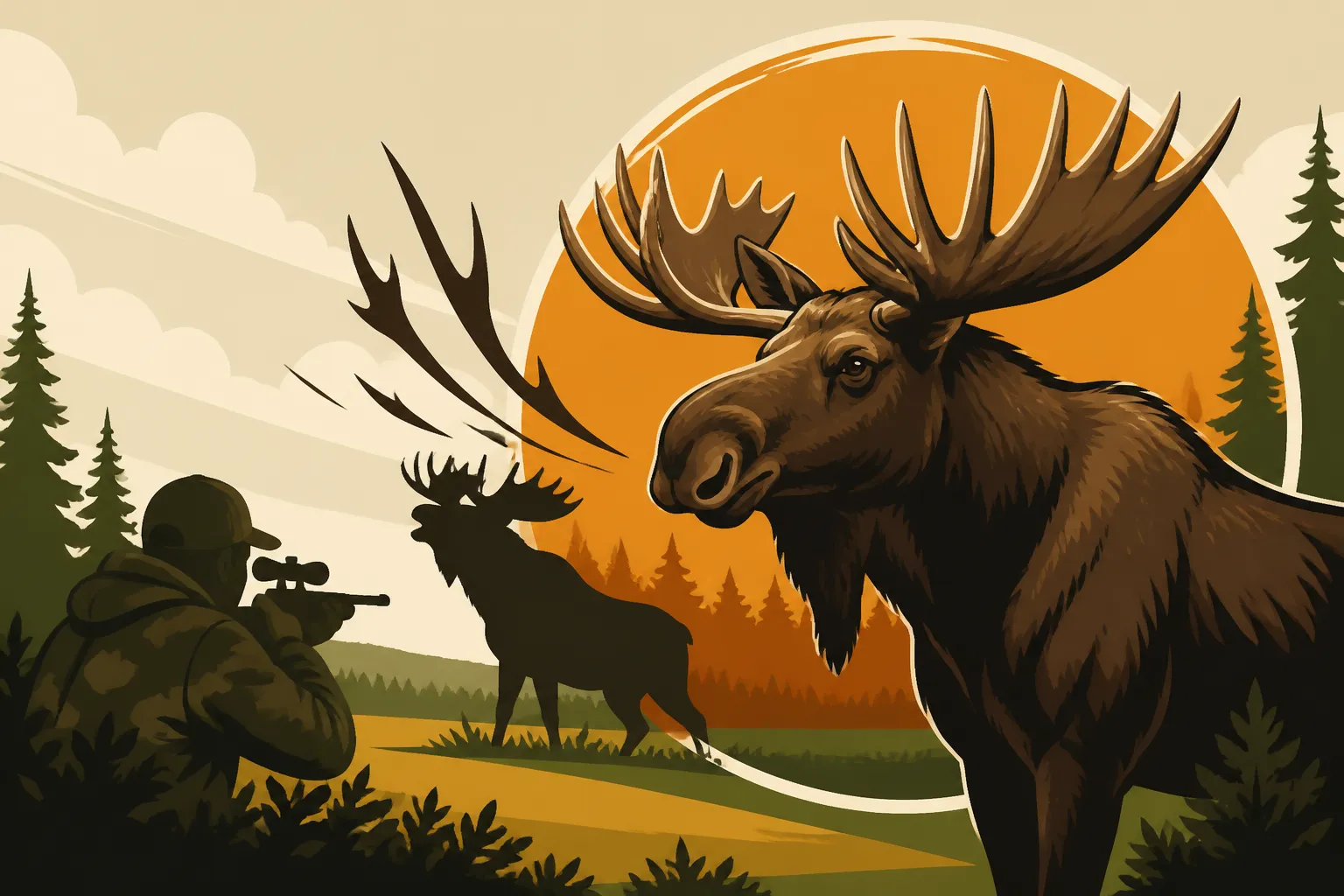
This is the sweet spot everyone aims for, and in Saskatchewan, the moose rut typically peaks in mid-October. From roughly the second week of October through to the third, you're likely to experience the most intense moose activity. During this period, cows are actively coming into estrous, and bulls are in full pursuit. Forget about those solitary wanderings; now, bulls are much less cautious, driven by their primal urge to find and breed cows.
This is when calling strategies become incredibly effective. Bulls will be highly responsive to cow calls, bull grunts, and aggressive raking sounds. You might hear the distinctive "waaaah" of a cow in heat, followed by the deep, guttural grunts of an approaching bull, or even the crashing of antlers against brush as a bull expresses his dominance. This is also when physical altercations between bulls are most common, as they vie for breeding rights. Walking into an area and hearing that deep, resonant grunting or the sharp crack of antlers on timber is an experience etched into every moose hunter's memory. Many successful hunts during this time involve aggressive calling, patiently waiting for a response, and then working to close the distance. Learning to imitate a cow in heat or a challenging bull is an art, but during the peak, even less-than-perfect calls can draw a response.
The Post-Rut: Winding Down (Late October to Early November)
As the calendar turns to late October and early November, the intensity of the rut slowly begins to fade. Most of the cows have been bred, and the bulls, exhausted from weeks of chasing, fighting, and minimal feeding, start to recover. They might still be cruising for any late-cycling cows, but their urgency lessens significantly.
During the post-rut, calling can still be effective, but you'll likely need to adjust your approach. Aggressive challenges might still work on younger, unbred bulls or those that missed out earlier, but overall, responses will be fewer and farther between. Bulls often become more wary again, focusing on replenishing their energy stores before winter. They'll shift their attention back to prime feeding areas. This is a good time to focus on ambush hunting near food sources or known travel corridors. For those seeking meat for the freezer, late season can still be very productive, as bulls are often less selective about where they roam, though they will be more cautious. You might find success by simply covering ground quietly, looking for fresh tracks and feeding sign.
Key Factors Influencing Moose Rut Activity
While mid-October is generally the peak, the exact timing and intensity can fluctuate. Several environmental and biological factors play a significant role in influencing when and how vigorously bulls chase cows.
Weather Conditions and Temperature
Saskatchewan weather can be unpredictable, and it has a profound impact on the rut. A sudden cold snap after a period of warm weather can ignite the rut, seemingly overnight. Moose, with their thick coats, are not fans of warm temperatures during exertion. If it's too warm, bulls will be less active during daylight hours, conserving energy and moving more at night. When temperatures drop, especially into the crisp, frosty single digits or below freezing, bulls become much more comfortable and active. This means more daytime movement, more calling, and a higher chance of encountering them. Conversely, an unseasonably warm spell during mid-October can put a damper on activity, making bulls sluggish and less responsive. Keeping an eye on weather patterns, often available through platforms similar to GoHunt's forecasting tools, is critical for planning your daily hunt.
Heavy rain or strong winds can also suppress activity temporarily, making it harder for moose to hear calls and for you to hear them. However, sometimes a steady drizzle can mask your approach and make for excellent still-hunting conditions once the rain lightens.
The Moon Phase Debate
The moon phase is a perennial debate among hunters. Some swear by a full moon, others prefer the dark of the moon. For moose, anecdotal evidence suggests that rutting activity can be influenced, but perhaps not as strongly as with whitetails. During a full moon, moose might shift some of their activity to nighttime, taking advantage of the increased visibility. This can mean less daytime movement and calling. However, it doesn't shut down the rut entirely. On the flip side, a dark moon phase might encourage more daytime movement.
Ultimately, while the moon phase might influence when moose are most active within a 24-hour period, it doesn't change the biological drive of the rut itself. A bull in full rut is driven to find cows regardless of the moon. It's wise to consider the moon phase for planning your approach (e.g., hunting harder at dawn and dusk during a full moon), but don't let it deter you from being in the bush during the general peak rut window.
Cow Estrous Cycles
The primary driver of the rut is the availability of cows in estrous. Moose cows typically come into heat for a short window, usually around 24-36 hours. Once bred, they are no longer receptive. The peak rut occurs when the highest number of cows are entering their estrous cycle, creating a frenzy of bull activity. The age structure of the cow herd can also play a role; older, more mature cows tend to cycle earlier and more predictably than younger cows. If there's a strong population of mature cows, the rut can feel more intense and concentrated. This biological trigger is what truly defines the timing of the peak, and the other factors merely influence its expression.
Strategies for Hunting the Peak Rut in Saskatchewan
Once you have a handle on when the rut peaks and what influences it, you need to apply that knowledge in the field. Hunting the peak rut effectively often comes down to aggressive calling and intelligent navigation of moose habitat.
Calling During the Peak: Be Confident and Persistent
The peak rut is when moose calling shines. Bulls are less cautious and more willing to investigate sounds, whether it's the plaintive call of a cow or the challenge of another bull. Here's how to approach it:
- Cow Calls: The quintessential moose call. Imitate the drawn-out, nasal "waaaah" of a cow in heat. Practice makes perfect, but consistency is key. Call every 15-30 minutes, varying the intensity. Sometimes a soft, pleading call is all it takes; other times, you need to make it sound like an anxious cow looking for a bull. This is particularly effective when you're targeting bulls that are already with cows, as it can entice them away or draw a satellite bull in.
- Bull Grunts: These are deeper, more guttural sounds. They can be used to challenge an unseen bull or to add realism to your setup if you're trying to mimic a bull already with a cow. A series of short, choppy grunts can signify a bull pushing a cow.
- Raking and Rubbing: Use a shoulder blade or a stout stick to rake against trees, mimicking a bull rubbing his antlers. This visual and auditory cue can be incredibly powerful, especially in thick bush where visibility is limited. Combine this with grunts for maximum effect.
- Silence and Listening: Just as important as calling is listening. Call, then stop and listen intently for a response. Moose have incredible hearing. Pay attention to subtle sounds: a twig snap, a distant grunt, the splash of water. Give them time to respond. Sometimes a bull will circle downwind to scent-check, so be prepared for a long wait and be aware of your scent. Many successful hunters utilize calls effectively, a technique often discussed in guides like Calling Moose in Saskatchewan's Bush.
Remember, during the peak rut, boldness can pay off. Don't be afraid to call loudly and frequently, especially if you suspect there are bulls in the area.
Locating Productive Moose Habitat
Moose are creatures of habit, and during the rut, they’ll often frequent certain types of habitat. Focus your efforts on areas that offer:
- Water: Moose love water. Look for sloughs, creek bottoms, beaver ponds, and marshy areas. Cows often seek refuge in or near water, and bulls will cruise these edges.
- Thick Cover: Dense stands of willow, alder, or young poplar provide excellent bedding and security cover. Bulls will often retreat into these areas after breeding or to escape pressure.
- Transition Zones: The edges where different habitat types meet, such as where a dense forest meets an open burn, or where bush transitions to farmland, are high-traffic areas. Bulls will travel these edges as they search for cows. Resources from GoHunt or similar platforms can provide valuable mapping data to identify such zones.
- Traditional Rutting Areas: If you've hunted an area before and found moose activity, chances are they'll use it again. Moose often return to specific areas year after year for breeding.
Focusing your scouting efforts on these areas, especially where you find fresh rubs, tracks, and droppings, will increase your odds. For those hunting in agricultural zones, understanding Hunting Farmland Moose in Saskatchewan can be particularly beneficial.
Patient Ambush and Still-Hunting
While calling is powerful, sometimes patience is your best friend. Moose will often move in predictable patterns, especially if a cow is holding to an area. Setting up an ambush point downwind of a known travel corridor or a bedding area can be highly effective. During the peak rut, bulls are less cautious, but they still have an incredible sense of smell. Always play the wind.
Still-hunting involves moving slowly and deliberately through the bush, stopping frequently to listen and scan. This works well in dense cover where you might not see a moose until you're very close. Combine it with occasional soft cow calls to draw a response without revealing your exact position too quickly. This slow, methodical approach allows you to cover ground while remaining stealthy, a strategy that pays off when dealing with a big What a Bull Moose Weighs in the North bull.
Moose Rut Phases and Hunter Strategies
To simplify, here's a table summarizing the general rut phases in Saskatchewan and the recommended hunter strategies. Keep in mind, these are approximate dates and can shift based on yearly conditions.
| Rut Phase | Approximate Dates | Bull Behavior | Hunter Strategy |
|---|---|---|---|
| Pre-Rut | Late September – Oct 10 | Polishing antlers, light sparring, increased rubbing, scent-checking for cows. | Scouting, locating fresh sign, subtle calling (soft grunts, light raking). |
| Peak Rut | Oct 10 – Oct 25 | Highly vocal, aggressive pursuit of cows, challenging other bulls, less cautious. | Aggressive calling (cow calls, bull grunts, raking), patient ambushing near water/cover. |
| Post-Rut | Late October – Early Nov | Recovering from exertion, still seeking late-cycling cows, becoming more wary. | Focus on feeding areas, still-hunting, subtle calling for unbred bulls, ambush hunting. |
Beyond the Peak: What to Expect in Late Season Moose Hunting
Even after the main rut activity wanes, opportunities for moose hunting persist into the late season, especially during Saskatchewan Moose Season Dates. Bulls might be less vocal, but they are often focused on rebuilding their body mass, which can make them predictable as they frequent prime feeding grounds.
Hunting Exhausted Bulls
By late October and November, bulls are often exhausted. They’ve burnt through considerable energy reserves during the rut, and their primary focus shifts to eating and resting. This can make them less responsive to calls, but also more vulnerable if you can locate their preferred feeding and bedding areas. They'll often be in thicker cover during the day, emerging to feed heavily at dawn and dusk. This is where detailed scouting for fresh tracks and browsing becomes paramount. Finding a bull in the late season can sometimes feel like a game of hide-and-seek, but once you locate their pattern, it can be very rewarding. Knowing What Moose Eat Through the Year can help predict their movements.
Winter Prep and Habitat Shifts
As winter approaches, moose will often consolidate into more sheltered areas to conserve energy. This could be dense stands of conifers that offer protection from wind and snow, or areas with an abundance of palatable browse. Their movements might become more restricted by increasing snow depths, making travel corridors more defined. For instance, in northern zones, Glassing a Burn for Northern Moose might reveal activity as they forage on regenerating growth.
Successful late-season hunting often involves covering more ground on foot or using snowmobiles (where legal) to access remote areas, looking for concentrations of sign. You might not hear the intense grunting of the rut, but fresh tracks in the snow leading to a browse patch can be just as exciting. Always be prepared for cold weather when hunting this time of year, and have a plan for Quartering a Moose Alone in the Bush and Getting a Moose Out With a Quad if you are successful, as colder temperatures require different meat care considerations.
Final Thoughts on Timing Your Saskatchewan Moose Hunt
Ultimately, timing your hunt for the moose rut in Saskatchewan means aiming for that mid-October window. However, being flexible and understanding the nuances of how weather and animal behavior influence the exact "peak" will make you a more effective hunter. Don't be afraid to be aggressive with your calling during the prime window, and always be prepared to adapt your strategy as conditions change. Whether you're chasing the thunderous grunts of a rutting bull or patiently tracking a late-season wanderer, Saskatchewan offers some incredible moose hunting experiences. Keep an eye on local reports and weather forecasts, use mapping tools like those from GoHunt, and you'll be well on your way to a memorable hunt. The big bulls are out there, and knowing when they're most active is your first step towards connecting with one of Saskatchewan's magnificent moose.
Disclaimer
This article is for general informational purposes only and does not constitute professional advice. Laws, prices and regulations vary by location and change over time. Consult a qualified professional for guidance on your specific situation.