Whether Saskatchewan Has Wild Pheasants
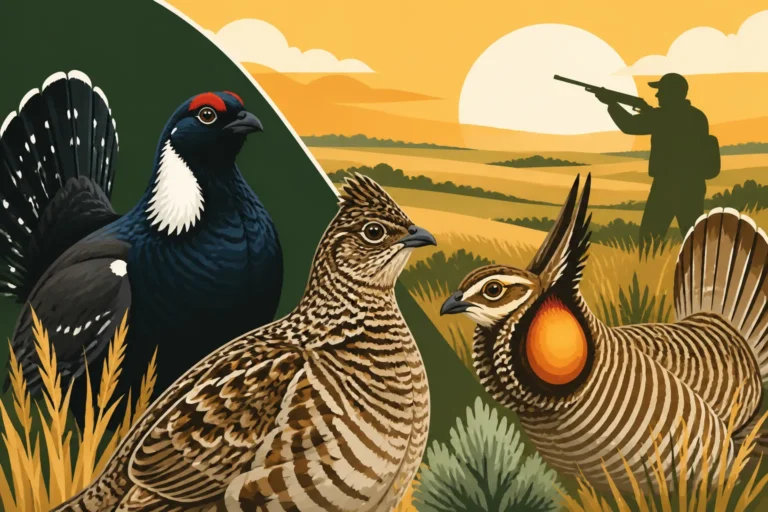
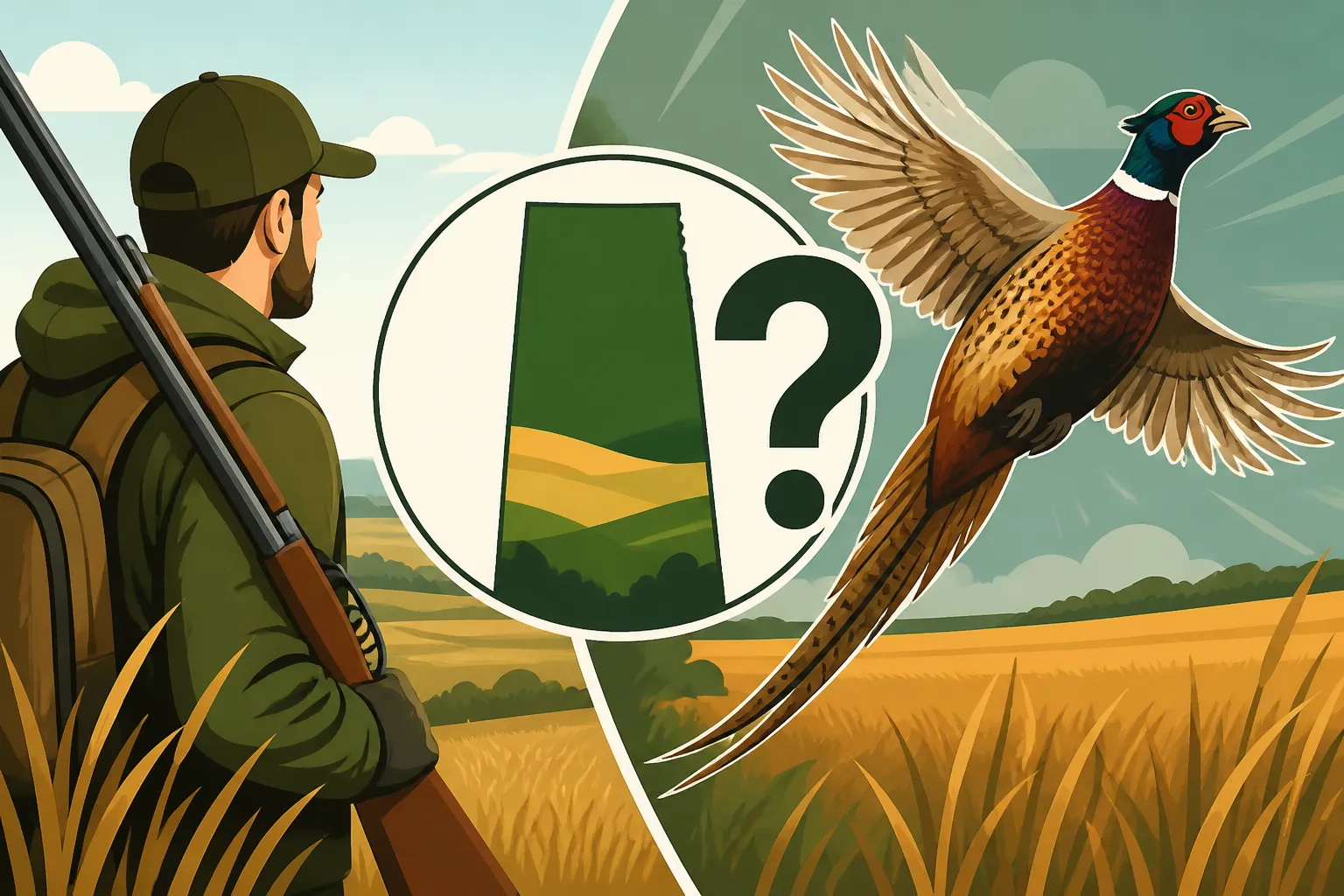
It's a question many hunters, especially those new to our province or coming from further south, ask with a hopeful glint in their eyes: "Does Saskatchewan have wild pheasants?" You've likely seen incredible pheasant hunting footage from places like South Dakota or Kansas, and it's natural to wonder if our vast prairies hold similar treasures. The short answer, and I don't want to sugarcoat it, is generally no, not in the way you might imagine a self-sustaining wild population thriving across broad expanses. This guide will dive into why that is, what you might encounter, and more importantly, the incredible native upland bird hunting opportunities that truly define Saskatchewan.
The Reality of Wild Pheasants in Saskatchewan
Let's be upfront about this. If you're dreaming of flushing wild pheasants from every slough edge and stubble field like you might down in the American pheasant belt, you're likely to be disappointed here in Saskatchewan. It's a common misconception, and it's important for hunters to understand the actual landscape before they set out.
A Common Misconception
Many hunters arrive in Saskatchewan, especially from regions with robust wild pheasant populations, with an expectation that the vast grain fields and prairie landscape must be perfect pheasant habitat. They see the agriculture, the cover, and assume that where there's grain, there must be ringnecks. It's a logical assumption, given how well pheasants thrive in similar-looking agricultural areas elsewhere. However, our unique climate and specific environmental conditions present significant challenges for wild pheasants to establish and maintain healthy, self-sustaining populations across the province. While Saskatchewan is an absolute waterfowl paradise and a trophy whitetail haven, pheasants are simply not our strong suit when it comes to widespread wild populations.
What You Might Find: Stocked Birds and Limited Pockets
Now, that's not to say you'll never hear the tell-tale cackle of a ringneck in Saskatchewan. Any pheasants you might encounter are almost exclusively the result of local stocking programs, often undertaken by dedicated individuals, local wildlife federations, or private hunting preserves. These efforts aim to provide some pheasant hunting opportunities, typically on a smaller, more localized scale. These stocked birds can certainly offer a fun hunt, and if you're lucky enough to find one of these pockets, you can have a great time. However, it's crucial to understand that these are not natural, wild populations that have spread across the landscape. They rely on continuous stocking and very specific habitat management. You'll generally find these efforts in the milder, southernmost parts of Saskatchewan, where the winters might be slightly less brutal and more localized pockets of ideal cover exist. Even then, success rates can vary wildly year to year depending on winter severity and how recently birds were released.
Why They Don't Thrive Here Naturally
The primary reason pheasants struggle to establish wild populations in Saskatchewan boils down to our climate and habitat characteristics, particularly during the harsh winter months. Pheasants, while resilient, require very specific conditions to survive and reproduce without human intervention.
- Harsh Winters: Our Saskatchewan winters are legendary for a reason. Deep, persistent snow combined with prolonged periods of extreme cold (think temperatures well below -20 or -30 Celsius for weeks on end) is incredibly tough on pheasants. They need reliable, dense thermal cover to roost in, providing protection from blizzards, wind, and freezing temperatures.
- Lack of Consistent Winter Cover: While we have plenty of open fields and some brush, the type of dense, insulating cover that pheasants need to survive the worst of winter isn't widespread. They thrive in thick cattail sloughs that hold snow, extensive stands of willow or native brush that create snow traps and thermal pockets, or large, brushy river bottoms. While we have these features in certain areas, they're not nearly as expansive or interconnected as in prime pheasant country, leaving many birds exposed.
- Food Scarcity in Winter: During deep snow events, access to food becomes critical. While grain fields provide ample food in the fall, persistent snow cover can make it inaccessible. Pheasants need areas where natural food sources or waste grain are consistently available and reachable, which is a challenge when the landscape is locked under a thick blanket of white.
- Predation: While predation is a factor for all ground-nesting birds, the added stress of winter, combined with less-than-ideal cover, can make pheasants more vulnerable to predators like coyotes, foxes, and raptors.
In essence, while Saskatchewan offers incredible agricultural landscapes, it often lacks the specific combination of mild-enough winters and pervasive, robust winter cover that allows pheasants to establish and naturally sustain themselves over the long term, year after year, across broad regions.
Focusing on Saskatchewan's True Upland Bird Gems
So, if pheasants aren't the star of the show, what should you be chasing in Saskatchewan's uplands? We have an absolutely incredible array of native upland birds that offer challenging and rewarding hunts. Forget the ringneck for a moment and open your eyes to the fantastic opportunities that are truly abundant here.
Sharp-Tailed Grouse: The Prairie Icon
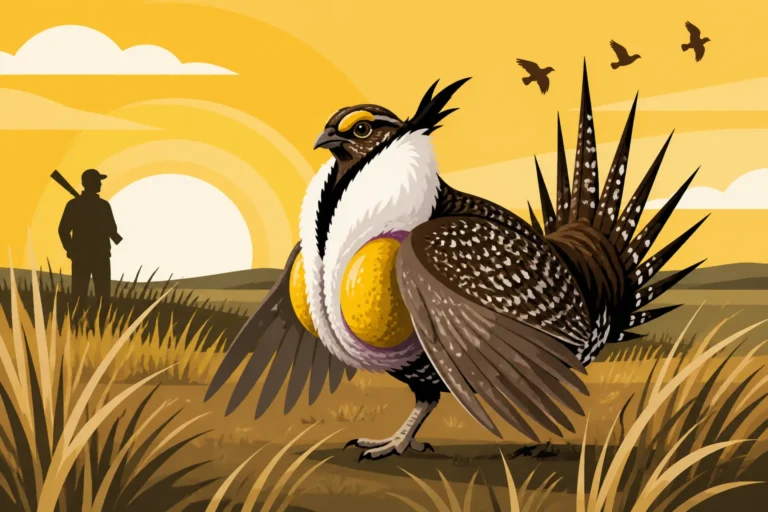
If there's an undisputed king of Saskatchewan's upland birds, it's the sharp-tailed grouse. These handsome birds are truly emblematic of our prairie and parkland landscapes, offering a fantastic hunting experience that's accessible and often very productive.
Sharp-tails thrive in native grasslands, brushy coulees, and the edges of grain fields, particularly where stubble provides cover and food. You'll often find them in large coveys, especially earlier in the season. Walking up sharptails usually involves covering a lot of ground, often along Walking Up Sharptails on Saskatchewan Grassland, pushing through bluffs, willow runs, and prairie wool. When they flush, it's a burst of wings and a challenging shot as they sail off across the open country. The sheer volume of sharptails in some areas is astounding, making for truly memorable hunts, especially if you have a good bird dog working the cover. The dog work on these birds is a sight to behold, as they hold tight, allowing for classic pointing scenarios before a thunderous flush.
Hungarian Partridge: Fast and Feisty Farmland Birds
Often overlooked in the excitement of larger game, Hungarian partridge (or "Huns" as we affectionately call them) are another gem of Saskatchewan's agricultural landscapes. These small, fast-flying birds are absolute rockets when they get up, providing a truly challenging target for even the most experienced wingshooter.
You'll typically find Huns along farmland edges, in shelterbelts, around abandoned farmyards, and in stubble fields, especially pea and lentil fields after harvest. They often stick to cover that provides a little windbreak and protection, such as thick rows of trees or bushy draws between fields. Hunting Huns Along a Saskatchewan Shelterbelt is a classic strategy. They prefer areas with a mix of cultivated land for food and dense cover for roosting and protection. They usually hold in tight coveys, and when one flushes, the whole group tends to go at once, exploding into the air with incredible speed. It's a chaotic and exhilarating moment that will test your reflexes. Don't be surprised if you find them sharing habitat with sharp-tails; it's common to flush both species on the same walk!
Ruffed Grouse: The Drumming Kings of the Bush
For those who love to wander the bush trails and aspen forests, the ruffed grouse offers a completely different, but equally thrilling, upland experience. These "pats" or "partridge" as they're often called locally, are masters of camouflage and can be incredibly elusive.
Ruffed grouse are found in the aspen parkland and the boreal forest fringe, preferring younger forest growth, dense willow thickets, and areas with plenty of downed logs and underbrush. Hunting them often involves Ruffed Grouse Hunting Saskatchewan's Bush Trails, walking logging roads, quad trails, or pushing through thick bush. The thrill comes from the unexpected, explosive flush as a bird rockets out from underfoot or from a tree limb, often making that characteristic "drumming" sound with its wings. It's a hunt that requires sharp eyes, quick reflexes, and often a fair bit of hiking. You'll find these birds concentrated in areas with a good mix of aspen, poplar, and spruce, providing both food and shelter.
Spruce Grouse and Ptarmigan: Northern Specialties
For the adventurous hunter willing to head further north, Saskatchewan also offers opportunities for spruce grouse and even ptarmigan. These are more niche hunts, but incredibly rewarding for those seeking a unique challenge.
Spruce grouse are typically found deep within the boreal forest, particularly in areas dominated by black spruce and jack pine. They are often less wary than their ruffed grouse cousins, sometimes earning them the nickname "fool hen" for their tendency to hold tight. Hunting Spruce Grouse in Black Spruce is about navigating dense, sometimes challenging terrain. Ptarmigan, on the other hand, are a true northern specialty, inhabiting the far reaches of Saskatchewan's subarctic tundra. These birds are famous for their seasonal plumage changes, turning pure white in winter. Ptarmigan Season in the Far North is a truly remote and rugged experience, often requiring specialized gear and access.
Maximizing Your Upland Bird Hunt in Saskatchewan
With such diverse and abundant native upland bird species, knowing how to approach your hunt effectively can make all the difference. It's not just about walking fields; it's about understanding the land and the birds.
Scouting for Success
Pre-season scouting is absolutely paramount for a successful upland bird hunt in Saskatchewan. Instead of looking for imaginary pheasant habitat, you should be focusing your efforts on identifying prime areas for sharp-tails, Huns, and ruffs. This means studying maps, driving country roads, and even getting out on foot.
Look for areas that offer a combination of food sources (stubble fields, native berry bushes) and critical cover (dense grasslands, shelterbelts, thick bluffs, willow bottoms). Satellite imagery can be a game-changer here. Tools like GoHunt or other mapping applications allow you to zoom in and identify key features like coulees, tree lines, and uncultivated patches that birds will utilize. Scouting With Satellite Imagery in Saskatchewan helps you pinpoint these promising locations before you even step foot in the field. Also, don't underestimate the value of simply driving secondary roads and looking for signs of bird activity, such as dusting bowls or fresh tracks. Talk to landowners if you can; they often know where the birds are holding.
Understanding Habitat and Behavior
Each species of upland bird has its preferred habitat and exhibits distinct behaviors. Understanding these nuances will dramatically increase your success rate.
- Sharp-tails: Look for large tracts of native prairie, especially with a mix of taller grasses and low-lying brush. They'll also use stubble fields, particularly those adjacent to good cover. In colder weather, they often tuck into the lee side of bluffs or dense willow patches. They tend to form larger coveys and might flush wilder in open areas but hold tighter in dense cover.
- Hungarian Partridge: These birds are classic farmland dwellers. Focus on the edges of cultivated fields, especially pea, lentil, or wheat stubble. They love shelterbelts, old farmsteads, and brushy fence lines that offer protection from wind and predators. They often run before flushing, so a fast-working dog can be a huge asset. Their flush is incredibly fast and often happens all at once.
- Ruffed Grouse: Head for the mixed-wood forests and aspen parkland. Look for areas with young aspen, poplar, and dense undergrowth. Areas near water sources, old logging cuts, or natural clearings are often productive. They're more likely to be found singly or in small family groups, and their flush is famously loud and startling, often weaving through trees.
Learning to "read the ground" for each species is a skill that comes with time, but focusing on these key habitat features will get you started in the right direction.
Dogs Make All the Difference
While you can certainly enjoy upland bird hunting without a dog, having a well-trained bird dog is a truly transformative experience, especially for our native species. A good dog amplifies the fun, increases your success, and helps with ethical bird recovery.
- Pointing Dogs: Breeds like German Shorthaired Pointers, English Pointers, or Setters excel at finding and locking up birds, allowing the hunter to walk in for a clean shot. This is particularly effective for sharp-tails and Huns, which can often hold well for a point. Using a Pointing Dog on Saskatchewan Prairie means your dog systematically covers ground, indicating exactly where the birds are, turning what could be a speculative walk into a precise hunting operation.
- Flushing Dogs: Labs, Springers, or Cockers are fantastic at working dense cover, pushing birds into the air. This can be ideal for ruffed grouse in thick bush where a pointer might struggle to navigate or for Huns that prefer to run. Using a Flushing Dog in Thick Cover can be incredibly exciting as the dog busts birds out, giving you a challenging wing shot.
Regardless of breed, a dog trained to retrieve downed birds is invaluable for minimizing crippling losses and ensuring every bird you shoot is recovered. They are truly partners in the field and enhance every aspect of the upland hunting experience.
Saskatchewan Upland Bird Comparison
Here's a quick look at the fantastic upland bird species you will find in abundance across Saskatchewan, offering diverse and exciting hunting opportunities:
| Species | Primary Habitat | Typical Hunting Style | Relative Abundance (Saskatchewan) | Challenge Level |
|---|---|---|---|---|
| Sharp-Tailed Grouse | Native grasslands, brushy coulees, stubble | Walking/flushing with dogs, covering ground | High, widespread | Moderate to High |
| Hungarian Partridge | Farmland edges, shelterbelts, stubble fields | Walking edges with dogs, fast shots | High, widespread | High (fast flyers) |
| Ruffed Grouse | Aspen parkland, boreal forest edges, bush trails | Walking trails/bush, unexpected flushes | Moderate to High, localized | Moderate (thick cover) |
| Spruce Grouse | Dense boreal forest (black spruce, jack pine) | Still-hunting, deep bush exploration | Moderate, northern zones only | Low (often hold tight) |
| Ptarmigan | Far northern subarctic tundra | Remote wilderness hunting, extreme cold | Low, far north only | High (remote, conditions) |
Saskatchewan might not be pheasant country, but it is unequivocally an upland bird hunter's dream for its native species. Embrace the sharp-tails, Huns, and ruffs, and you'll discover a world of challenging and deeply satisfying hunting right here on the prairies and in our northern forests.
Disclaimer
This article is for general informational purposes only and does not constitute professional advice. Laws, prices and regulations vary by location and change over time. Consult a qualified professional for guidance on your specific situation.