What Happens After You Fill Your Tag
That moment, when all the effort, the planning, the cold mornings, and the quiet patience culminates in a successful harvest – it's truly unforgettable. The adrenaline rush is real, the satisfaction immense. But once the initial excitement settles, many hunters, especially those newer to the game or venturing into Saskatchewan for the first time, often wonder: what exactly comes next? It’s not just about pulling the trigger; it's about respecting the animal, following regulations, and ensuring every part of the experience, from field to freezer, is handled correctly. This comprehensive guide will walk you through the essential steps and considerations after you've successfully filled your tag in Saskatchewan.
Immediate Post-Harvest: Respect, Tagging, and Field Dressing
The moments immediately following a successful harvest are critical. This isn't just about celebrating; it's about fulfilling your responsibilities as a hunter and ensuring the highest quality of meat and trophy potential. There's a set sequence of tasks that need to happen promptly and properly.
Validating Your Tag and Recording Information
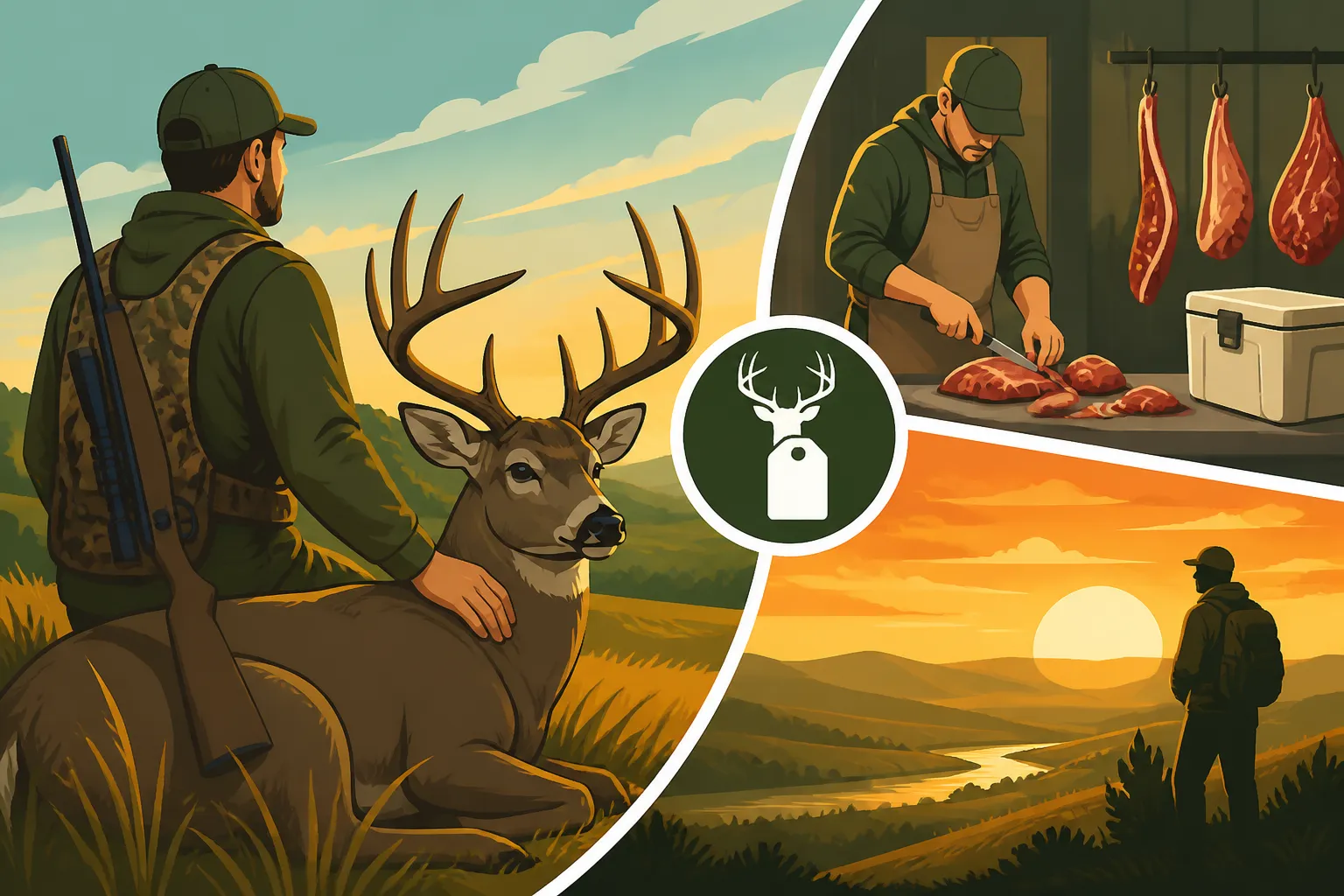
The very first thing you need to do, before anything else, is validate your tag. In Saskatchewan, this means properly marking your tag. It's not enough to just have it in your pocket; it needs to be immediately and irrevocably marked to indicate the date and time of the kill. This prevents any ambiguity and shows you're compliant with regulations. Make sure the tag is securely attached to the animal as required by law. Typically, this means attaching it to the antler, ear, or leg, depending on the species. You'll also want to note down the specific Wildlife Management Zone (WMZ) where the animal was harvested, the date, and potentially GPS coordinates. This information is crucial for your records, any CWD testing requirements, and for telling the story of your hunt accurately for years to come. Losing track of these details can lead to headaches down the line, so having a small notepad and pencil or using a reliable hunting app on your phone is always a good idea. Hunters who use platforms like BookYourHunt to find their expeditions often get pre-hunt briefings that emphasize these critical steps, ensuring everyone understands the local requirements.
Field Dressing for Quality Meat
Once your tag is validated and securely affixed, it's time for field dressing. This is arguably the most important step for preserving meat quality, especially in Saskatchewan's often mild early seasons or during surprisingly warm fall days. The goal is to remove the internal organs as quickly as possible to allow the carcass to cool down. Bacteria begin to multiply rapidly in warm environments, and leaving the guts in can quickly spoil the meat or give it an off-flavor.
Start by placing the animal on its back if possible. Make an incision from the sternum to the pelvis, being careful not to puncture the intestines or stomach. Many hunters use a gut hook knife for this to minimize the risk. Once the cavity is open, you’ll work to sever the esophagus and windpipe, then carefully pull or cut away the organs, emptying the cavity. For larger animals like moose or elk, this can be a significant undertaking, and having a hunting partner makes the job much easier. In colder temperatures, you might have a bit more time, but swiftness is still key. Flanked by open prairie or dense bush, a quick field dress protects your valuable harvest. For detailed advice, you might review guides on Field Dressing in Saskatchewan's Deep Cold or Quartering a Moose Alone in the Bush depending on your quarry and the conditions. After removing the organs, wipe out any excess blood or debris with clean cloths or snow, if available. Some hunters prefer to rinse the cavity, but in the field, a dry wipe is often safer as introducing water can promote bacterial growth if the carcass isn't dried quickly.
Transporting and Storing Your Harvest
After field dressing, the next challenge is getting your animal out of the field and properly stored. This phase is crucial for maintaining meat quality and can vary significantly based on the size of your animal, the terrain, and the weather.
Getting Your Animal Out of the Field
Moving a large animal from its kill site can be a monumental task. A mature Saskatchewan whitetail can weigh well over 200 pounds, and a bull moose can easily exceed 1,000 pounds. You need a plan.
- Dragging: For smaller deer, dragging with a heavy-duty rope or a deer sled can work, especially over snow or relatively flat ground. However, dragging can damage the hide and meat, and is incredibly strenuous. If you're hunting in areas accessible by quad or side-by-side, these vehicles can be invaluable for minimizing physical strain and getting the animal out quickly. Just remember, there are rules about Quad and Side-by-Side Rules on Crown Land, so always know where you can and cannot use them.
- Quartering in the Field: For larger animals like moose or elk, or if you're deep in the bush, quartering the animal in the field is often the most practical solution. This involves breaking down the animal into manageable sections – usually the four quarters, backstraps, tenderloins, and neck meat. These sections are then bagged in game bags to protect them from dirt, insects, and drying out, and then packed out. This method is common when Getting a Moose Out With a Quad or simply backpacking out from remote areas.
- Weather Considerations: If it's warm, getting the animal out and cooled quickly is paramount. If it's freezing, you have more leeway, but still want to prevent the meat from freezing solid before it has a chance to properly rigor mortis and age slightly. Freezing meat too quickly before rigor has set can result in "cold shortening," making the meat tough.
Proper Meat Care and Cool Down
Once the animal is out of the field, the focus shifts to cooling and aging. The ideal temperature for chilling game meat is just above freezing, around 34-40°F (1-4°C).
- Cooling Racks or Hanging: If you have access to a walk-in cooler, shed, or garage where you can maintain a consistent cool temperature, hang the carcass or quarters. Hanging allows air circulation all around the meat, promoting even cooling and preventing spoilage. Use a clean game bag to keep flies and dirt off. This initial cooling phase is crucial. Guides on platforms like GoHunt often share checklists for proper meat handling, highlighting the importance of this stage.
- Aging: For many species, especially deer, aging the meat for several days (typically 3-7 days, or even longer in ideal, controlled conditions) can significantly improve tenderness and flavor. This process allows natural enzymes in the meat to break down muscle fibers. However, aging must be done in a consistently cool, dry environment with good airflow to prevent spoilage. Too warm, too moist, or poor airflow, and you risk bacterial growth. For more on this, check out Hanging Meat in Fall Temperature Swings.
- Professional Processing vs. DIY: You have two main options for processing:
Option Pros Cons Considerations Professional Butcher Expertise, efficiency, custom cuts, vacuum sealing Cost, potential wait times, less control over specific cuts Research local butchers in advance, confirm game processing experience Do-It-Yourself (DIY) Cost-saving, full control over cuts, learning experience Time-consuming, requires proper tools and knowledge, potential for waste Need sharp knives, cutting surfaces, packaging materials, and a clean workspace
Many hunters love the satisfaction of processing their own game, while others prefer the convenience and professional finish of a butcher. Whichever you choose, ensure the meat is kept clean and cool throughout the process.
Trophy Care and CWD Testing
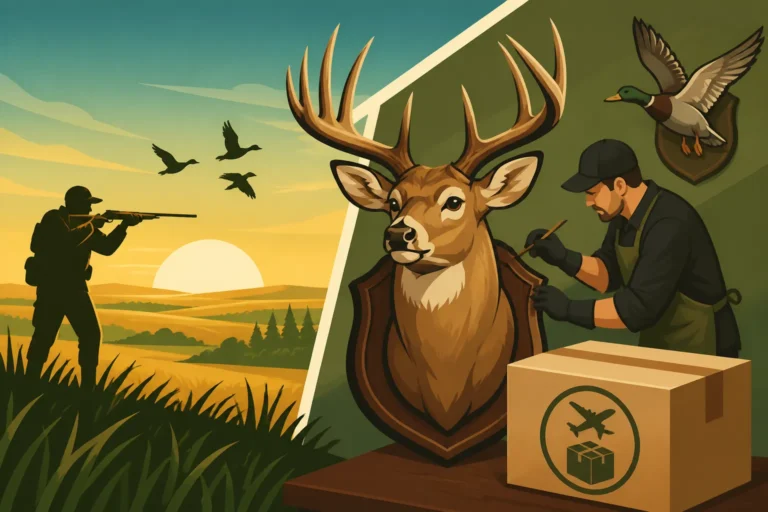
Beyond the meat, many hunters also desire to preserve a part of their animal as a trophy. This could be antlers, a cape for a shoulder mount, or even the entire hide for a rug. Simultaneously, there's a vital public health and wildlife management component: Chronic Wasting Disease (CWD) testing.
Field Care for a Trophy
If you plan on a shoulder mount, the cape (hide from the shoulders and head) needs special attention in the field. A proper cape cut is crucial. This usually involves cutting well behind the front legs, up the back, and around the antlers, leaving plenty of hide for the taxidermist. Avoid cutting too short, as you can always trim more off later, but you can't add it back.
- Cooling the Cape: The cape, like the meat, needs to be cooled quickly. If you can't get it to a freezer or taxidermist immediately, rough-flesh it (remove as much meat and fat as possible) and salt it liberally. Non-iodized salt helps draw out moisture and preserve the hide.
- Antlers: If you're only taking the antlers, a skull cap (cutting the skull just below the eye sockets) is sufficient. Make sure to keep the skull plate clean. For a European mount, you'll need the entire skull. Instructions on Getting a European Mount Done can guide you.
- Transporting: When transporting the cape and antlers, protect them. Antlers can get chipped or broken, and capes can get dirty or spoiled if not handled carefully. If you're traveling a long distance, especially across borders, be aware of the rules for Taking a Trophy Across the Border.
Chronic Wasting Disease (CWD) Testing
CWD is a serious neurological disease affecting deer, elk, and moose. Saskatchewan has mandatory CWD testing in certain Wildlife Management Zones and actively encourages all hunters to submit heads for testing, regardless of location. This is a critical part of monitoring the disease's spread and protecting wildlife populations.
- Submission: After your harvest, you'll need to submit the head of your animal to a designated CWD drop-off location. These are typically staffed depots or self-serve freezer bins scattered across the province. Make sure to clearly label your sample with your name, contact information, species, and WMZ.
- Why It Matters: Testing helps wildlife biologists understand the prevalence and distribution of CWD. It's also important for your own peace of mind. While there's no evidence CWD can transmit to humans, health authorities recommend not consuming meat from a CWD-positive animal. Outfitters who list on platforms like BookYourHunt or GoHunt often provide information and even assist with CWD submission for their clients. Learn more about Which Saskatchewan Zones Require CWD Testing to understand the specific rules for your hunting area.
- Results: You'll typically be notified of the test results by mail or email. If your animal tests positive, follow the recommendations provided by the province regarding carcass disposal. For more information, see What to Do With a Positive Result.
Essential Paperwork and Reporting
Even after the physical work is done, your responsibilities as a hunter aren't quite over. There's important documentation and reporting that ensures you're compliant and contribute to wildlife management efforts.
Tag Validation and Reporting
Beyond the initial validation, some species or licences may require further reporting after the hunt. Always check your specific licence conditions. Most importantly, your tag must remain with the meat until it's processed and packaged. When transporting game, Transporting Game Meat in Saskatchewan rules dictate that evidence of sex must remain naturally attached to the carcass or a major part of the carcass. This is usually a portion of the scrotum/testicle or udder. This helps conservation officers verify the legality of your harvest, especially for antlerless or specific sex-based tags.
Landowner Relations and Thank You
If you hunted on private land, which is a common and often successful strategy in Saskatchewan's mixed-agriculture zones, one of the most important things you can do after a successful hunt is to follow up with the landowner. A simple phone call, text, or even a visit to say "thank you" goes a long way. Sharing some of the processed meat, if appropriate and accepted, can cement a good relationship for future seasons. Positive landowner relations are the backbone of much of Saskatchewan's hunting access, and maintaining them is a shared responsibility for all hunters. This is especially true when Knocking on Doors in Saskatchewan Farm Country to gain access; a good follow-up ensures you might be welcomed back.
Planning Your Next Adventure
With your tag filled, meat processed, and trophies handled, it's natural to start thinking about next season! Reflect on what worked, what didn't, and what you learned. Perhaps you want to try a different species, a new zone, or maybe even consider a guided hunt for a truly unique experience. Many hunters will immediately start checking out resources on platforms like BookYourHunt for their next adventure, or consult GoHunt for gear reviews and strategy articles. This continuous learning and planning are part of what makes hunting such a fulfilling lifestyle.
Disclaimer
This article is for general informational purposes only and does not constitute professional advice. Laws, prices and regulations vary by location and change over time. Consult a qualified professional for guidance on your specific situation.