Tipping the Cook and Camp Staff
It’s a situation many of us have found ourselves in after a fantastic hunting trip to Saskatchewan: you’re packing up, buzzing from a successful week, but suddenly you're hit with a wave of uncertainty. What about the hard-working folks behind the scenes who made the camp run smoothly, the ones who weren't your direct guide? This guide is going to walk you through the often-unspoken etiquette of tipping the cook and other essential camp staff, ensuring you show your appreciation the right way.
Understanding the Role of Camp Staff Beyond the Guide
When you picture a guided hunt, your mind often goes straight to the guide—the person leading you to game, helping with tracking, and perhaps even calling in an animal. And that’s a huge part of the experience, no doubt. But what often goes unnoticed are the countless hours put in by other camp staff who ensure your stay is comfortable, safe, and enjoyable from sunup to sundown. These folks are the backbone of any great outfitting operation, and their contributions significantly impact your overall hunting experience, even if you don't spend much face-to-face time with them in the field.
The Unsung Heroes: Cooks and Kitchen Staff
Imagine rolling out of a warm bed at 4:30 AM, heading to the lodge, and finding a hot, hearty breakfast already laid out. Or coming back to camp after a long, cold day in the blind, exhausted and hungry, only to be greeted by the aroma of a delicious, home-cooked meal. That's the magic worked by the camp cook and kitchen staff. Their day starts long before yours and ends long after, often involving meal planning, grocery runs, food preparation, baking fresh bread, and making sure dietary restrictions are accommodated.
They’re not just feeding you; they're fueling your hunt and providing a critical comfort that allows you to focus on the chase. A good camp cook can elevate an entire trip, turning meal times into a genuine highlight, a place to share stories and warm up before heading back out. From packing you a substantial lunch to sending you off with a hot coffee, their dedication to your nourishment and comfort is paramount. The difference between a camp with great food and one with mediocre fare is immense, impacting energy levels and morale throughout the week. For more on what to expect, check out What Camp Food Is Usually Like.
Camp Hands, Cleaners, and Maintenance Crews
Beyond the kitchen, there are usually other dedicated individuals ensuring the camp runs like a well-oiled machine. These can be camp hands who maintain the grounds, keep the fires going in wood stoves, and help with general chores. There are also cleaners who keep cabins tidy and communal areas spotless, ensuring you have a clean and comfortable place to rest. Sometimes, these roles overlap with maintenance crews who handle everything from fixing a leaky faucet to ensuring vehicles and equipment are running properly.
Think about the warm, dry cabin you return to each evening, the plentiful firewood by the stove, or the clean shower facilities. These are not coincidental; they are the direct result of tireless work by these indispensable team members. They might be hauling water, clearing snow from paths, or making sure the generator stays fueled. Without their diligent efforts, the smooth operation of the camp would quickly falter, leading to discomfort and distractions that can detract from your hunting focus. Their behind-the-scenes work truly makes a hunting camp a home away from home. Knowing What to Bring to a Saskatchewan Deer Camp often includes realizing just how much the camp provides.
How Tipping Culture Works in Saskatchewan Hunting Camps
Tipping in a hunting camp, much like in a restaurant or any service industry, is a way to express gratitude for exceptional service. However, it can often feel more ambiguous in a hunting context, especially when dealing with multiple staff members who contribute in different ways. It’s important to understand the underlying expectations and norms in Saskatchewan outfitting operations to ensure you show your appreciation respectfully and appropriately.
The Expectation vs. Discretion Debate
While tipping your guide is almost universally expected and understood as a standard practice in hunting camps across Saskatchewan, the situation for support staff can sometimes feel less clear. Let's be frank, no one is going to chase you down the driveway if you don't tip the cook, but it is certainly a customary gesture of appreciation. It's generally understood that these individuals work long hours, often for wages that are supplemented by gratuities, making your tip a significant part of their income.
Think of it this way: your guide is out there actively helping you fulfill your primary goal—harvesting an animal. The cook and camp staff are actively helping you enjoy the entire experience surrounding that goal. Their efforts contribute immensely to your comfort, energy, and overall satisfaction, which in turn allows you to hunt harder and enjoy the trip more. While tipping remains discretionary, it is a strong cultural expectation that reflects satisfaction with the comprehensive service received. It speaks volumes about your character and respect for everyone’s hard work. If you're Planning a Saskatchewan Hunting Trip, make sure to budget for these important considerations.
Factors Influencing Tip Amounts for Support Staff
Deciding how much to tip camp staff isn't an exact science, but several factors typically come into play. Foremost among these is the quality of service. Was the food consistently delicious and plentiful? Were your dietary needs met without hassle? Was the camp always clean and comfortable? Did staff go out of their way to assist you, perhaps with extra coffee or a warm towel? These details contribute to the "overall camp experience" and should weigh heavily on your decision.
Another consideration is the length of your stay. A longer hunt means more meals prepared, more cleaning, and more general camp maintenance. If you were part of a larger group, the staff likely had more individuals to cater to, increasing their workload. Hunter satisfaction also plays a huge role; if you had an amazing time and felt truly cared for, your tip should reflect that appreciation. Remember, while a platform like BookYourHunt might give you general guidelines for an outfitter, it's the personal experience that should ultimately drive your decision regarding the support staff's gratuity. When considering Choosing the Right Saskatchewan Outfitter, their camp staff's reputation often comes up in reviews.
| Factor | Influence on Tip Amount |
|---|---|
| Quality of Food | Excellent, varied, and plentiful meals warrant higher tips. |
| Dietary Needs | Accommodation of specific requests shows extra effort. |
| Cleanliness | Well-maintained cabins and common areas enhance comfort. |
| Responsiveness | Staff going above and beyond to assist with requests. |
| Friendliness | A welcoming and pleasant demeanor from all staff. |
| Duration of Stay | Longer hunts generally involve more effort from staff. |
| Group Size | Larger groups mean more work for kitchen and cleaning staff. |
Practical Tipping Guidelines for Support Staff
Now that we’ve established why tipping support staff is important, let’s talk about the how. This is where many hunters feel uncertain, so providing some clear, actionable advice can make a big difference. Remember, these are guidelines, not rigid rules, meant to help you navigate the situation confidently.
Recommended Percentages or Flat Rates
When it comes to guides, a percentage of the hunt cost (often 10-20%) is a common baseline, as detailed in Tipping a Saskatchewan Guide. For cooks and other camp staff, it's often more about a general appreciation for their distinct services. Many hunters find a flat daily rate per staff member or a percentage of the overall package price (excluding licenses, travel, and personal gear) to be a good starting point. For instance, some hunters opt for a range that might translate to a certain amount per day per support staff member, or they'll allocate 3-5% of the total hunt cost specifically for the communal staff tip pool.
The key here is to differentiate this from your guide's tip. The guide's tip is typically larger and more directly tied to your success in the field, whereas the support staff's tip acknowledges their role in the overall quality of your stay. Consider a minimum baseline for these individuals, especially if they’ve made your time in camp exceptional. It's also a good idea to bring cash for tips. While some outfitters might accept tips via card, cash ensures the staff receives their full gratuity immediately and often prefers it. Before you even book, when asking Questions to Ask Before Booking, it’s not out of line to inquire about typical tipping practices for all staff.
How to Distribute Tips Fairly
This is where things can get a little tricky. You have a few options for distributing tips to camp staff:
- Directly to Individuals: If you’ve had significant interaction with a specific cook or camp hand and want to personally thank them, handing them an envelope with a personal note is a thoughtful touch. This works well for smaller camps where you get to know everyone.
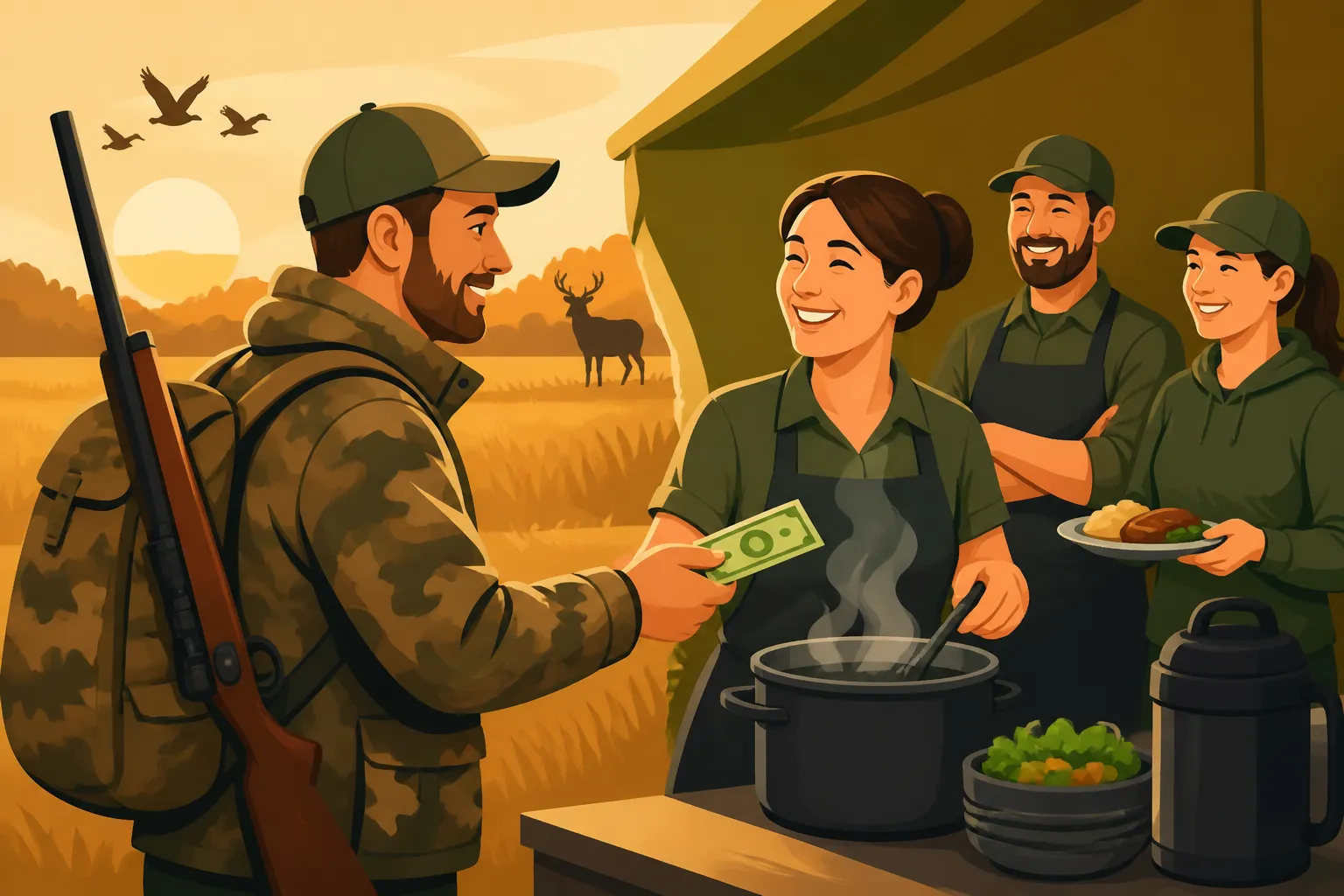
- Communal Tip Jar/Envelope: Many camps have a designated "staff tip jar" or a central envelope for all non-guide staff. This is often the most equitable way, as the camp manager or owner can then distribute it evenly among the kitchen crew, cleaners, and other hands. This ensures everyone who contributed gets recognized, even those you might not have seen much of.
- Leaving it with the Camp Manager/Outfitter: If you're unsure, or prefer a less direct approach, leaving a clearly marked envelope for "Camp Staff" with the camp manager or owner is acceptable. Trust that reputable outfitters will ensure it gets to the right people.
My personal preference, especially in larger camps, is to contribute to a communal pot or leave a clearly designated amount with the camp manager for distribution. This ensures that every individual, from the early-morning coffee maker to the late-night fire stoker, feels valued. It also removes any awkwardness from individual transactions. Remember, Etiquette in a Saskatchewan Hunting Camp extends to how you show appreciation for all services rendered.
Common Tipping Mistakes to Avoid
Even with the best intentions, it's easy to make mistakes when it comes to tipping in a hunting camp. Avoiding these common pitfalls ensures your gesture of appreciation is received in the spirit it's intended and that no one feels overlooked or undervalued.
Forgetting About Support Staff Entirely
The most common and understandable mistake is to focus entirely on the guide and inadvertently forget about the other indispensable members of the camp team. It’s easy to do, especially when the adrenaline of the hunt and the camaraderie with your guide consume most of your attention. However, overlooking the cook, the cleaner, or the camp hand who kept your cabin warm can be a real slight. These individuals work just as hard, often longer hours, and are equally vital to the success and enjoyment of your trip, even if their contributions are less "glamorous" than calling in a moose or tracking a whitetail.
Before your trip, when you're considering What a Saskatchewan Guided Hunt Costs or What a Saskatchewan Guided Whitetail Hunt Costs, make sure to factor in a separate budget for support staff tips. It’s part of the comprehensive financial planning for any respectable hunt. These folks are counting on those tips, and they truly appreciate the recognition for their often-behind-the-scenes efforts.
Under-Tipping Due to Misunderstanding
Another common issue is under-tipping, not out of malice, but from a simple misunderstanding of the local customs or the sheer effort involved. Perhaps you assume a portion of the tip you give the guide gets distributed to the rest of the staff (it typically doesn't, unless specifically stated by the outfitter), or you underestimate the cost of living and the reliance on tips in the service industry. It can also happen when hunters are trying to save money, not realizing the significant impact their tip has on the staff's livelihood.
It's always better to err on the side of generosity, within your means. If you're on a platform like GoHunt researching outfitters, sometimes their detailed trip descriptions or FAQs might offer insights into expected tipping practices for all staff, not just guides. If not, don't hesitate to ask the outfitter directly when you're asking Questions to Ask Before Booking. A good outfitter will be transparent and can provide guidance without pressuring you. Remember, a modest tip might not feel like much to you, but it can make a substantial difference to someone working hard to make your hunt memorable.
Waiting Until the Last Minute
The final mistake to avoid is waiting until the absolute last minute to think about tips. This often leads to scrambling for cash, potentially under-tipping because you don't have enough on hand, or distributing tips awkwardly as you're trying to rush out the door. The best practice is to plan for your tips well in advance. Before you even leave home for Saskatchewan Hunting Lodges and Camps, make sure you have enough cash set aside for all staff, clearly earmarked if you plan to give separate envelopes.
Having your tips ready ensures a smooth departure and allows you to thoughtfully thank each person (or the collective staff) without feeling rushed or stressed. It’s a small detail that contributes to a positive, respectful conclusion to your hunting adventure and reinforces your appreciation for everyone’s hard work. It shows you value their efforts just as much as you value the hunt itself.
Disclaimer
This article is for general informational purposes only and does not constitute professional advice. Laws, prices and regulations vary by location and change over time. Consult a qualified professional for guidance on your specific situation.