Saskatchewan Cougar Rules and Status
For many years, the idea of a cougar roaming Saskatchewan seemed like something out of a tall tale, a fleeting glimpse in the deep bush or a misidentified shadow. But the truth is, these magnificent, elusive predators are here, albeit in small numbers, and their presence raises a lot of questions for hunters and landowners alike, especially concerning their legal status. This comprehensive guide aims to shed light on the current rules and status of cougars in Saskatchewan, helping you understand what to do if you encounter one and clarifying the regulatory landscape.
The Elusive Cougar in Saskatchewan: A Growing Presence
The thought of spotting a cougar in Saskatchewan can send shivers down your spine, often accompanied by a healthy dose of skepticism. For decades, they were largely considered transient visitors, wanderers from neighbouring provinces or states. However, recent years have seen a slight shift, with more confirmed sightings and evidence suggesting a small, resident population in certain areas. It's not a common sight by any stretch, but they are certainly more than just myth now.
Historical and Modern Cougar Range
Historically, cougars (also known as mountain lions or pumas) were present across much of North America, including parts of Saskatchewan. As settlement expanded and prey populations shifted, their numbers dwindled significantly in the prairies. For a long time, any cougar spotted was often assumed to be a young male dispersing from established populations in Alberta or Montana, looking for new territory.
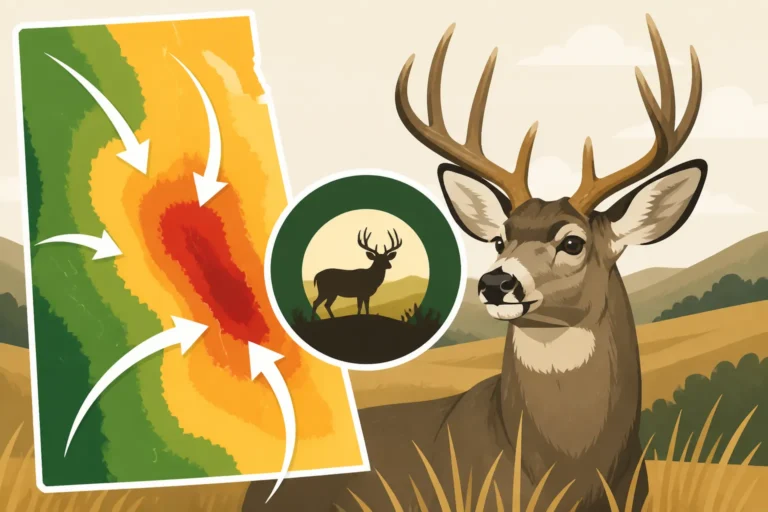
Today, while still rare, confirmed cougar sightings are increasing, particularly in the western and northern parts of the province. Areas like the Cypress Hills, with its unique topography and ample prey, consistently report sightings. The forest fringe regions, especially where there's a good mix of dense cover and robust populations of species like White-Tailed Deer, Saskatchewan's Signature Animal, also seem to be areas where they are establishing a tentative foothold. It seems as though some individuals are settling in, drawn by the province's rich wildlife resources.
Preferred Habitat and Prey for Cougars
Cougars are apex predators, meaning they sit at the top of the food chain. Their habitat preferences in Saskatchewan largely revolve around access to dense cover for stalking and a healthy supply of prey. They favor areas with rugged terrain, deep coulees, river valleys, and thick bush that provides seclusion and ambush opportunities.
Their diet primarily consists of deer, including both whitetail and mule deer, but they are opportunistic hunters and will also prey on elk, moose calves, and even smaller mammals if the opportunity arises. This is why you might find their presence correlated with areas known for high deer or Moose in Saskatchewan's Farmland and Forest numbers. When you’re out scouting, even if you’re focused on tracking a big buck, finding signs of large predator activity can be a subtle reminder of the wild nature of Saskatchewan. Many hunters rely on digital tools like GoHunt to scout terrain, identify game trails, and even log unexpected sightings of other wildlife. While primarily used for deer and moose, the detailed topographical maps and land ownership overlays on platforms like GoHunt can inadvertently help piece together potential cougar habitat, especially near dense populations of prey animals.
Confirming Cougar Presence: Dispelling the Myths
For a long time, any reported cougar sighting was often met with a raised eyebrow. "Are you sure it wasn't a bobcat? Or a really big house cat?" However, wildlife authorities now have protocols in place to investigate and confirm sightings. This often involves examining tracks, scat, kill sites, and, increasingly, trail camera footage.
It's important to differentiate between actual cougars and other similar-looking animals. Bobcats are much smaller, and lynx are found further north and have distinctive tufted ears and large paws. The size and unmistakable long tail of a cougar are key identifiers. Saskatchewan Environment has dedicated resources to monitoring wildlife populations, and confirming these sightings helps them track the animals' movements and potential population growth.
Understanding Saskatchewan's Cougar Hunting Regulations
This is where things often get confusing for hunters used to clear seasons and tag allocations. When it comes to cougars in Saskatchewan, the rules are significantly different from those for deer, moose, or bear. There isn't a general hunting season, and acquiring a tag is not an option for recreational hunting.
Is Hunting Cougars Legal in Saskatchewan?
The straightforward answer is no, there is no open hunting season for cougars in Saskatchewan, nor is there a mechanism for a resident or non-resident hunter to apply for a cougar tag for recreational hunting purposes. This means you cannot simply decide you want to hunt a cougar and purchase a licence. The provincial government manages cougars as a "game animal" but specifically designates them as "closed season" indefinitely, meaning hunting is prohibited under normal circumstances.
This status reflects their relatively low and often uncertain population numbers, emphasizing conservation over recreational harvest. Unlike a typical draw for Saskatchewan Big Game Draw species like elk or mule deer, there is no application process for cougars.
Special Circumstances for Taking a Cougar
While there's no hunting season, there are very specific and limited circumstances under which a cougar may be legally dispatched. These are generally reactive measures rather than proactive hunting.
Problem Wildlife Permits
The most common scenario for a cougar to be legally taken is through a Problem Wildlife Permit. These permits are issued by the Saskatchewan Ministry of Environment to landowners or their agents when a cougar is causing significant damage to livestock or poses an imminent threat to human safety. This isn't a "hunting" permit in the traditional sense; it's a control measure.
- When are they issued? Typically, a permit is issued after investigation by a conservation officer confirms that a cougar is consistently preying on domestic animals (cattle, sheep, horses) or has exhibited aggressive behaviour towards people. This is a last resort, after other deterrent methods may have failed or are impractical.
- Who issues them? Only the Ministry of Environment, through its conservation officers, has the authority to issue these permits.
- Conditions: The permit will specify the timeframe, the location, and often the method by which the animal can be taken. It's a highly regulated process to ensure the action is necessary and targeted.
Self-Defense and Public Safety
Another critical circumstance is when a cougar poses an immediate and direct threat to human life. In such rare and unfortunate situations, an individual may legally dispatch a cougar in self-defense, or to defend another person. This is an extreme circumstance, and it's important to understand the legal nuances.
- Immediate Threat: The key here is "immediate." If a cougar is actively attacking or clearly demonstrating an intent to attack, then defending oneself or others is legally permissible.
- Reporting: Any cougar taken under self-defense must be reported to a conservation officer immediately. An investigation will follow to confirm the circumstances. This is not a carte blanche to shoot any cougar you see; it's a measure for survival when no other option exists.
- Legal Protections: Individuals are generally protected by law in cases of genuine self-defense, but the burden of proof rests on the individual to demonstrate the immediate threat. This is why immediate reporting and a full account of the incident are crucial.
It's vital for any hunter to be aware of the laws surrounding lethal force for protection, which are also relevant to general Saskatchewan Hunter Education Requirements.
No General Tags or Open Seasons
To reiterate, there are no cougar tags available to the public. You cannot apply for one, buy one over-the-counter, or draw one. This distinguishes cougars from almost all other game species in Saskatchewan. The province's approach is one of monitoring and reactive management rather than population control through recreational hunting. Even if you encounter a cougar while hunting Elk Hunting in Saskatchewan or another species, it remains a protected animal that cannot be legally harvested. This means that while out in the field, even with a valid big game tag, the rules for cougars remain distinct and prohibitive of hunting.
Reporting Cougar Sightings and Interactions
Given their rarity and protected status, every cougar sighting or interaction is valuable information for wildlife management. It helps the Ministry of Environment track their spread, assess population health, and understand their behavior patterns.
Why Reporting is Crucial
Accurate and timely reporting is essential for several reasons:
- Population Monitoring: It helps wildlife biologists understand where cougars are establishing territories, their dispersal patterns, and potential breeding areas. This data is critical for informed conservation and management decisions.
- Human-Wildlife Coexistence: As cougars potentially increase their presence, understanding their movements near human habitation, ranches, or popular recreational areas helps proactively manage potential conflicts and ensure public safety.
- Ecological Balance: Cougars play a role in maintaining the health of prey populations. Tracking them helps assess their impact on the local ecosystem.
How and Where to Report
If you see a cougar or find evidence of its presence (tracks, kill sites), it's important to report it to the correct authorities.
- Ministry of Environment: The primary contact for wildlife sightings. You can usually find a local conservation officer's contact information or a general reporting line on the Saskatchewan government's website.
- Turn In Poachers (TIP) Line: While cougars aren't generally "poached," the TIP line is a good all-purpose contact for wildlife concerns, especially if you suspect illegal activity or a significant threat. The number is typically 1-800-667-7561.
What Information to Provide
When reporting, be prepared to offer as much detail as possible:
- Exact Location: GPS coordinates are ideal, but a clear description of the nearest road, landmark, or specific quarter section is excellent. GoHunt, for example, allows for precise marking of locations, which can be invaluable when reporting.
- Date and Time: When did you see the cougar or the sign?
- Behavior: What was the cougar doing? Was it stalking prey, crossing a road, exhibiting aggressive behavior, or simply moving through?
- Evidence: Did you see tracks, scat, or a carcass? Photos or videos are incredibly helpful for confirmation. Do not try to collect samples of scat or fur yourself unless advised by a conservation officer.
- Your Contact Information: This allows officers to follow up for more details if needed.
Safety Tips During a Cougar Encounter
While attacks are extremely rare, knowing how to react if you encounter a cougar can prevent a dangerous situation.
- Do Not Run: Running can trigger a chase instinct in a cougar.
- Make Yourself Look Big: Raise your arms, open your jacket, pick up small children.
- Make Noise: Yell, clap, stomp your feet.
- Maintain Eye Contact: Do not turn your back.
- Fight Back if Attacked: If a cougar attacks, fight back aggressively with anything you have (sticks, rocks, fists). Aim for the face and eyes.
- Keep Pets on Leash: Free-roaming pets can attract predators or be seen as prey.
These tips are vital whether you're Hunting Saskatchewan Winter Weather Safely or simply enjoying a hike.
Cougar Status and Conservation Efforts in Saskatchewan
The current understanding of cougars in Saskatchewan is a dynamic one. As they potentially expand their range and numbers, the province's wildlife management adapts.
Population Estimates and Challenges
Estimating cougar populations is notoriously difficult due to their nocturnal habits, elusive nature, and vast territories. There are no definitive population counts for Saskatchewan. Most information comes from confirmed sightings, track analyses, and opportunistic captures (like those by trappers targeting other species). The province doesn't have a large-scale cougar study program like some other jurisdictions with established populations.
Wildlife agencies often rely on public reports and data from other provinces to infer trends. The general consensus is that Saskatchewan supports a very low-density population, likely a mix of transient individuals and a small number of breeding animals in core areas.
Conservation Status
In Saskatchewan, cougars are managed under The Wildlife Act, 1998. While they are considered a "game animal," they currently have a "closed season," effectively giving them a protected status from recreational hunting. They are not listed as endangered or threatened provincially or federally, but this "closed season" status reflects a precautionary approach due to their rarity.
The goal of this management strategy is to allow for natural re-establishment and expansion of their range without additional human-caused mortality from hunting. This approach aligns with efforts to preserve biodiversity and allow apex predators to fill their ecological niche.
Research and Monitoring Initiatives
Although there isn't a dedicated, large-scale cougar research program in Saskatchewan, the Ministry of Environment continually collects data through various channels:
- Public Sightings: As mentioned, public reports are a significant source of information.
- Incidental Observations: Conservation officers, trappers, and other field staff occasionally encounter cougars or their sign during their regular duties.
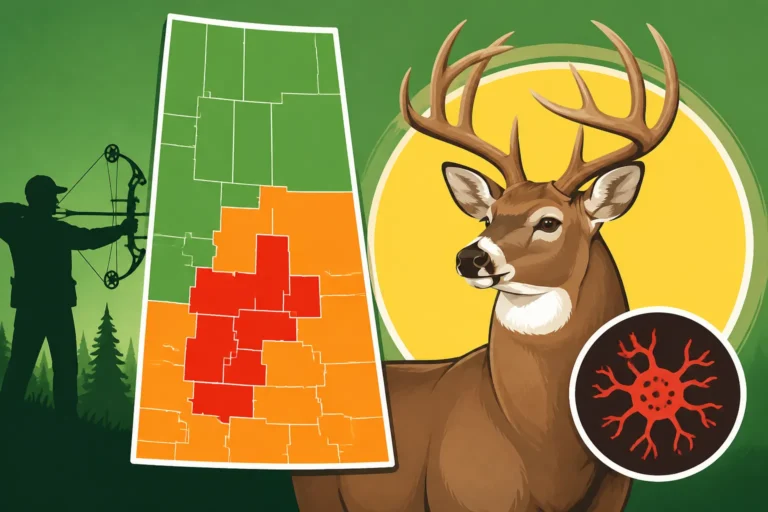
- Carcass Examinations: When a cougar is legally dispatched (e.g., under a Problem Wildlife Permit or self-defense), the carcass is often examined to collect biological data, such as age, sex, health, and diet. This also includes checking for diseases, similar to the process for Saskatchewan's CWD Testing Rules in deer.
- Trail Camera Data: An increasing number of trail cameras deployed by hunters, researchers, and landowners inadvertently capture images of cougars, providing valuable insights into their presence and movements. If you're using a tool like GoHunt to plan your trail camera locations for deer, it’s worth considering the potential for a cougar to wander by, adding an exciting dimension to your scouting.
The Role of Prey Populations
The presence and potential growth of the cougar population in Saskatchewan are intrinsically linked to the health and abundance of their primary prey animals, especially deer. Areas with robust populations of whitetail and mule deer, as well as elk, are more likely to sustain cougars. For example, in regions where Hunting Saskatchewan's Forest Fringe is popular for deer, it's not unreasonable to consider that cougars might also be present, albeit rarely seen. Healthy prey populations are a cornerstone of a balanced ecosystem and are vital for supporting predators like cougars.
Cougar Encounter Protocols
Navigating a potential cougar encounter requires a clear understanding of the rules and best practices. Here's a quick reference:
| Situation | Action Required/Recommended | Legal Status |
|---|---|---|
| Sighting a Cougar | Report immediately to Ministry of Environment; provide location, time, behavior. | Observe from a safe distance; do not approach or harass. Cougar is protected. |
| Cougar Preying on Livestock | Contact Ministry of Environment. Conservation Officer will investigate. | Problem Wildlife Permit may be issued by Ministry after investigation. |
| Cougar Threatening Human Safety | Contact Ministry of Environment. If immediate threat, act in self-defense. | Legal to dispatch in immediate self-defense. Must report incident immediately. |
| Finding Cougar Tracks/Evidence | Report to Ministry of Environment with location details (GPS coordinates recommended). | Cougar presence confirmed. Helps with population monitoring. |
| Hunting and See a Cougar | Do not shoot. It is illegal to harvest a cougar in Saskatchewan. | Cougar is a protected species; no open season. Violations carry severe penalties. |
Final Thoughts on Cougars in Saskatchewan
While cougars might not be a species you actively "hunt" in Saskatchewan, their presence adds an undeniable element of wildness to our already incredible landscape. Understanding their status, the regulations surrounding them, and how to safely interact with them is part of being a responsible outdoorsperson in this province. It’s a testament to the resilience of nature that these magnificent animals are finding their way back, making our wild spaces even wilder.
Disclaimer
This guide is intended for informational purposes only and does not constitute legal advice. Hunting regulations and wildlife management policies in Saskatchewan are subject to change. Always consult the official Saskatchewan Hunters' and Trappers' Guide and the Ministry of Environment for the most current and accurate information before engaging in any hunting activities.