How Many Saskatchewan Zones Have CWD
Navigating the ever-changing landscape of hunting regulations, especially when it comes to wildlife health concerns like Chronic Wasting Disease (CWD), can feel like a constantly moving target. Hunters often worry about which areas are affected, what their responsibilities are, and how this impacts their hunting plans and the health of the deer herds they pursue. This comprehensive guide is here to shed light on how many Saskatchewan zones are currently impacted by CWD, outline the specific zones requiring mandatory testing, and provide practical advice for hunters in these areas.
Understanding Chronic Wasting Disease in Saskatchewan
Chronic Wasting Disease (CWD) is one of those topics that can really weigh on a hunter's mind. It's a serious neurological disease that affects cervids – that's deer, elk, moose, and caribou – and it's something every responsible hunter needs to understand, especially here in Saskatchewan where our deer populations are so important.
What is CWD and Why It Matters to Hunters
At its core, CWD is a prion disease, similar to "mad cow disease" in cattle, though it only affects cervids. It slowly attacks the brain and nervous system of infected animals, eventually leading to symptoms like drastic weight loss, stumbling, listlessness, and other neurological issues. There's no vaccine, no treatment, and it's always fatal. For hunters, this isn't just a biological curiosity; it's a direct threat to the health of our beloved game animals and, by extension, to the future of our hunting heritage. The thought of harvesting an animal that looks healthy but could be carrying this disease is a legitimate concern. Beyond that, the long-term impact on herd numbers and composition is something we all need to consider, as it can deplete deer populations and make it harder to find healthy animals. It's a stark reminder that hunting isn't just about the chase; it's about stewardship and ensuring healthy populations for generations to come.
While there's no evidence CWD can be transmitted to humans, health agencies like Health Canada and the World Health Organization recommend not consuming meat from CWD-infected animals. This recommendation alone is enough for most hunters to take testing seriously, prioritizing the safety of their families and friends. Understanding this, many hunters actively seek information, perhaps from resources like the detailed guides on GoHunt, to ensure they're staying informed and compliant with the latest regulations, especially concerning how many Saskatchewan zones have CWD.
The History and Spread of CWD in the Province
CWD first made its unwelcome appearance in Saskatchewan's wild deer populations back in 2000, detected in a mule deer in the southwestern part of the province. Since then, it's been a slow, insidious spread, primarily moving east and north. Initially, the cases were isolated, but over the decades, the prevalence has grown, and the disease has expanded its geographical footprint. The way CWD spreads is complex; it can be transmitted through direct animal-to-animal contact, but also indirectly through contaminated environments, as the prions can persist in soil for years. This makes controlling its spread incredibly challenging.
The expansion of CWD has led to increasing concern among hunters and wildlife managers alike. Areas that once seemed untouched are now seeing positive cases, necessitating an adaptive approach to management and surveillance. The province has responded by establishing specific CWD surveillance and mandatory testing zones, recognizing that a proactive stance is crucial. Learning about how CWD spread across Saskatchewan zones gives us a better context for understanding current testing requirements and where the highest risks might be. It also highlights the importance of submitting samples, particularly for species like White-Tailed Deer, Saskatchewan's Signature Animal, and Mule Deer Across Saskatchewan's Prairie, which are commonly affected.
Identifying CWD Surveillance Zones
It's crucial for every hunter to know which parts of the province are under CWD surveillance, especially those zones with mandatory testing requirements. These designations aren't arbitrary; they're based on scientific data, disease prevalence, and observed spread patterns to best monitor and manage CWD.
How Saskatchewan Designates CWD Zones
Saskatchewan's CWD zones are established through a combination of wildlife population surveys, previous CWD test results, and modeling of disease spread. The Ministry of Environment, in conjunction with wildlife health experts, continuously monitors CWD prevalence and distribution. When CWD is detected in a new area or when prevalence increases significantly in an existing area, the boundaries of CWD surveillance zones may be adjusted, and mandatory testing protocols might be implemented. This dynamic approach means that what was a voluntary testing zone one year could become a mandatory one the next, depending on the evolving CWD picture.
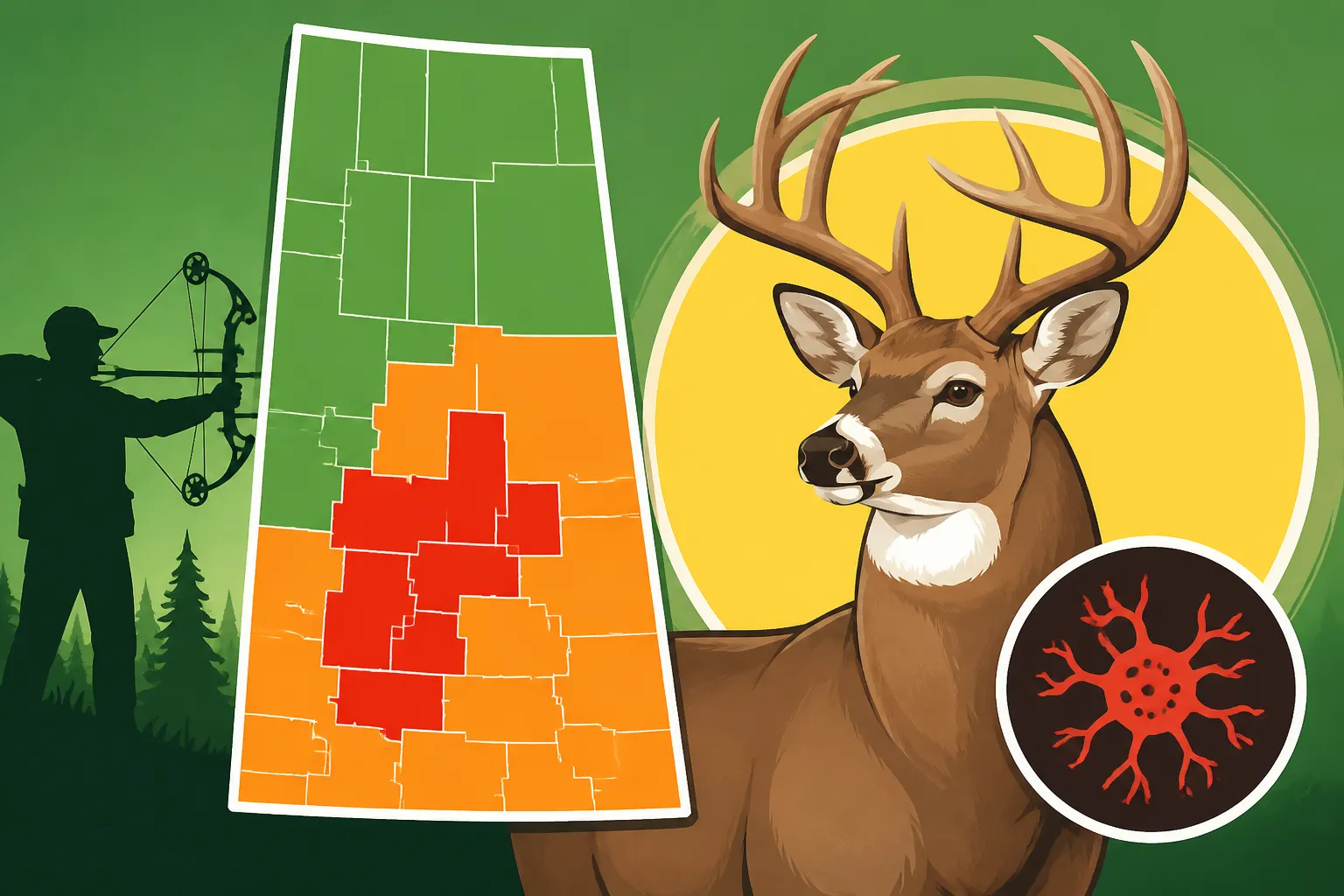
These zones are not just lines on a map; they represent areas where the risk of encountering CWD is higher, making hunter participation in testing all the more vital. The process is designed to gather critical data, helping wildlife officials understand the disease's progression and inform future management strategies. Hunters can usually find updated maps and information on the provincial government's website, or sometimes through platforms like GoHunt, which often aggregates such critical information, helping hunters understand how many Saskatchewan zones have CWD and where to focus their efforts for disease management.
Current CWD Mandatory Testing Zones
For the most up-to-date information, hunters should always consult the official Saskatchewan hunting guide or the Ministry of Environment's website. However, generally speaking, CWD mandatory testing zones typically encompass the southern and central agricultural regions of Saskatchewan, extending into parts of the forest fringe where deer populations are dense and intermingle. These are the areas where CWD has been most consistently detected and where the risk to the broader deer population is highest.
To help visualize this, here's a general overview of zones often included in mandatory CWD testing. Please remember that this table is illustrative, and hunters MUST verify current zones with official government resources before hunting.
| Region | Example WMZs Often Included | Primary Species Affected | Testing Requirement |
|---|---|---|---|
| Southwest Prairie | WMZ 1, 2, 3, 4, 5, 6, 7 | Mule Deer, Whitetail Deer | Mandatory |
| Southeast Prairie | WMZ 8, 9, 10, 11, 12 | Whitetail Deer | Mandatory |
| Central Parkland/Fringe | WMZ 2W, 3W, 35, 36, 37 | Whitetail Deer, Moose, Elk | Mandatory |
| West-Central Parkland | WMZ 13, 14, 15, 16, 17 | Whitetail Deer | Mandatory |
| East-Central Parkland | WMZ 20, 21, 22, 23, 24 | Whitetail Deer, Moose, Elk | Mandatory |
| Northwest Forest Fringe | WMZ 42, 43, 47, 48 | Whitetail Deer, Moose | Mandatory/Voluntary (varies) |
| Northeast Forest Fringe | WMZ 50, 51, 52, 53, 54 | Whitetail Deer, Moose | Mandatory/Voluntary (varies) |
Again, the precise list of WMZs requiring mandatory testing can change from year to year based on ongoing surveillance. It's critical to know Which Saskatchewan Zones Require CWD Testing before you head out into the field. If you plan to hunt in any of these areas, or even transport a carcass through them, understanding these zones is paramount.
Navigating CWD Regulations and Hunting Practices
Understanding the CWD zones is just the first step. The real challenge, and our responsibility as hunters, comes in adhering to the regulations and adopting best practices to minimize the spread of the disease. It's about being a conscientious participant in wildlife management.
Mandatory Testing Requirements and Carcass Movement
If you're hunting in a designated mandatory CWD testing zone, submitting your animal's head for testing isn't just a suggestion; it's a legal requirement. This usually applies to all deer (whitetail and mule deer), moose, and elk harvested in those specific zones. The process is generally straightforward: after harvesting your animal, you'll need to remove the head and brainstem, often leaving enough neck attached for identification, and then drop it off at a designated CWD drop-off location. Knowing The CWD Head Submission Deadline is crucial to ensure your sample is accepted and processed.
Carcass movement is another critical aspect of CWD management. To prevent the inadvertent spread of CWD prions, there are strict rules about Moving a Carcass Between Zones. Generally, whole carcasses are not allowed to be transported out of a CWD mandatory testing zone. This means you'll need to process your animal within the zone or bring only the deboned meat, hide, and antlers (without brain tissue) out of the area. This regulation is in place to prevent potentially infected materials from contaminating new areas. Familiarizing yourself with these rules, as outlined in Saskatchewan's CWD Testing Rules, is essential to avoid penalties and help contain the disease. For instance, if you harvest an animal in a zone like WMZ 35 and plan to take it back to Saskatoon, you'd need to ensure it's properly processed before leaving the zone.
Best Practices for Hunters in CWD Zones
Beyond mandatory testing, there are several best practices that every hunter can adopt, whether they are in a CWD zone or not, to help in the fight against this disease. First and foremost, if an animal appears sick or emaciated, do not harvest it. Report unusual observations to the Ministry of Environment. If you do harvest an animal in a mandatory testing zone, ensure you follow all procedures for submitting the head for testing at a designated site. Knowing Where to Drop a Head for CWD Testing can save you a lot of time and hassle.
Proper field dressing and disposal of carcass parts are also critical. Avoid leaving high-risk tissues like the brain, spinal cord, spleen, and lymph nodes where other cervids can access them. Burying these parts deeply or double-bagging and taking them to a landfill can help minimize environmental contamination. Once you receive Getting Your Saskatchewan CWD Result, if it comes back positive, it's vital to know What to Do With a Positive Result, which generally means not consuming the meat and ensuring all high-risk parts are properly disposed of. Some hunters rely on platforms like GoHunt to stay informed about these best practices, making it easier to be a responsible steward of the land and its wildlife. Moreover, continuously educating yourself on the topic, including understanding Whether CWD Meat Is Safe to Eat, helps in making informed decisions for you and your hunting party.
Future Outlook and Ongoing Efforts
The fight against CWD is a long-term commitment, one that requires the sustained effort and cooperation of wildlife managers, researchers, and, critically, hunters. Our collective actions today will shape the health of Saskatchewan's cervid populations for decades to come.
The Role of Hunters in CWD Management
Hunters are undeniably on the front lines of CWD management. Every head submitted for testing provides invaluable data that helps track the disease's prevalence and spread, identifying new areas of concern and allowing for targeted responses. Without hunter participation, it would be nearly impossible to gather the scale of data needed to effectively monitor CWD across the vast landscapes of Saskatchewan. Your willingness to participate in CWD surveillance isn't just about complying with regulations; it's a direct contribution to conservation and the long-term health of the herds we cherish. This is a responsibility that many hunters, with their deep connection to the land and its animals, readily embrace. It’s part of ensuring the legacy of Whitetail Hunting in Saskatchewan continues for future generations.
Beyond submitting samples, hunters can also play a role by supporting research efforts and advocating for sound wildlife management policies. They can share information within their hunting communities, encouraging others to adhere to regulations and adopt best practices. Ultimately, the future of CWD management hinges on a collaborative effort where hunters are seen not just as harvesters, but as essential partners in wildlife health. By staying educated, being proactive, and using resources like GoHunt to find current regulations, hunters can make a real difference in controlling the disease.
Research and Monitoring for CWD
Saskatchewan, like many jurisdictions, continues to invest in research and monitoring efforts to better understand CWD. Scientists are studying everything from the disease's transmission routes and environmental persistence to its genetic susceptibility in different cervid populations. This research aims to develop more effective management tools, including potential diagnostic tests that could be faster or less invasive. Ongoing monitoring, through hunter-submitted samples and targeted surveillance, helps track the disease's distribution and prevalence, informing policy decisions and resource allocation. Saskatchewan's CWD Positive Numbers provide a stark picture of the challenge, but also highlight the importance of these continued efforts.
The goal of these scientific endeavors is not necessarily to eradicate CWD – that's a formidable, if not impossible, task given the nature of prions and their environmental persistence. Instead, the focus is on mitigation: controlling the spread, reducing prevalence in high-risk areas, and minimizing its impact on cervid populations. The province works closely with federal agencies and neighboring jurisdictions to share data and collaborate on regional strategies, recognizing that wildlife diseases don't respect provincial or international borders. Understanding How CWD Spread Across Saskatchewan Zones is a key part of this research, allowing for better predictive models and preventative measures.
Disclaimer
The information provided in this guide is for general informational purposes only and does not constitute legal advice. Hunting regulations, CWD zones, and testing requirements are subject to change. Hunters are solely responsible for consulting the most current official Saskatchewan hunting guide and Ministry of Environment resources before participating in any hunting activities.