How Saskatchewan’s Priority Pools Work
Trying to navigate the big game draw system in Saskatchewan can feel like deciphering a secret code, especially when you hear hushed conversations about "priority pools." It's a system designed to fairly allocate those highly coveted tags, but for new hunters or those who've always just winged it, it can be a source of real frustration and confusion. This guide is here to pull back the curtain on how Saskatchewan's priority pools work, explaining each tier and offering practical advice to help you understand and improve your odds in the annual draw.
The Core Concept of Priority Pools
Let's face it, some hunting tags in Saskatchewan are harder to come by than a unicorn riding a bicycle. Whether it's a coveted antlered moose tag in a prime zone or a trophy mule deer draw, the demand far outstrips the supply. Without a fair system, it would be a chaotic free-for-all, or worse, a purely random lottery where seasoned hunters get the same chance as someone applying for the very first time. This is where priority pools come into play – they're Saskatchewan's way of rewarding persistence and loyalty within the draw system, giving long-time applicants a better shot at those limited opportunities.
The Problem with Limited Tags
The reality of wildlife management is that not every hunter can get every tag they desire every year. Species populations, habitat capacity, and conservation goals all dictate how many hunting opportunities can be sustainably offered. This means many zones have a finite number of tags, particularly for high-demand species like moose, elk, and mule deer, and specific antlered tags for whitetail. It's a classic supply-and-demand issue, and without a structured approach, the annual draw could lead to immense disappointment for many. Imagine applying for a specific tag for years only to see new applicants repeatedly draw it by pure chance – it would erode enthusiasm and fairness.
The Fairness System in Play
To mitigate the "luck of the draw" entirely and acknowledge the commitment of hunters who apply consistently, the province introduced the priority pool system. Essentially, the longer you apply for a specific draw and don't get drawn, the higher your priority pool status becomes for that particular species and tag type. This system ensures that while there's still an element of chance, those who have invested years in the draw process are eventually given a significant advantage. It's designed to cycle through applicants, ensuring everyone gets a turn, albeit after potentially waiting their due. Understanding How Priority Pools Sort Applicants is key to navigating the system effectively.
Understanding the Different Priority Pool Categories
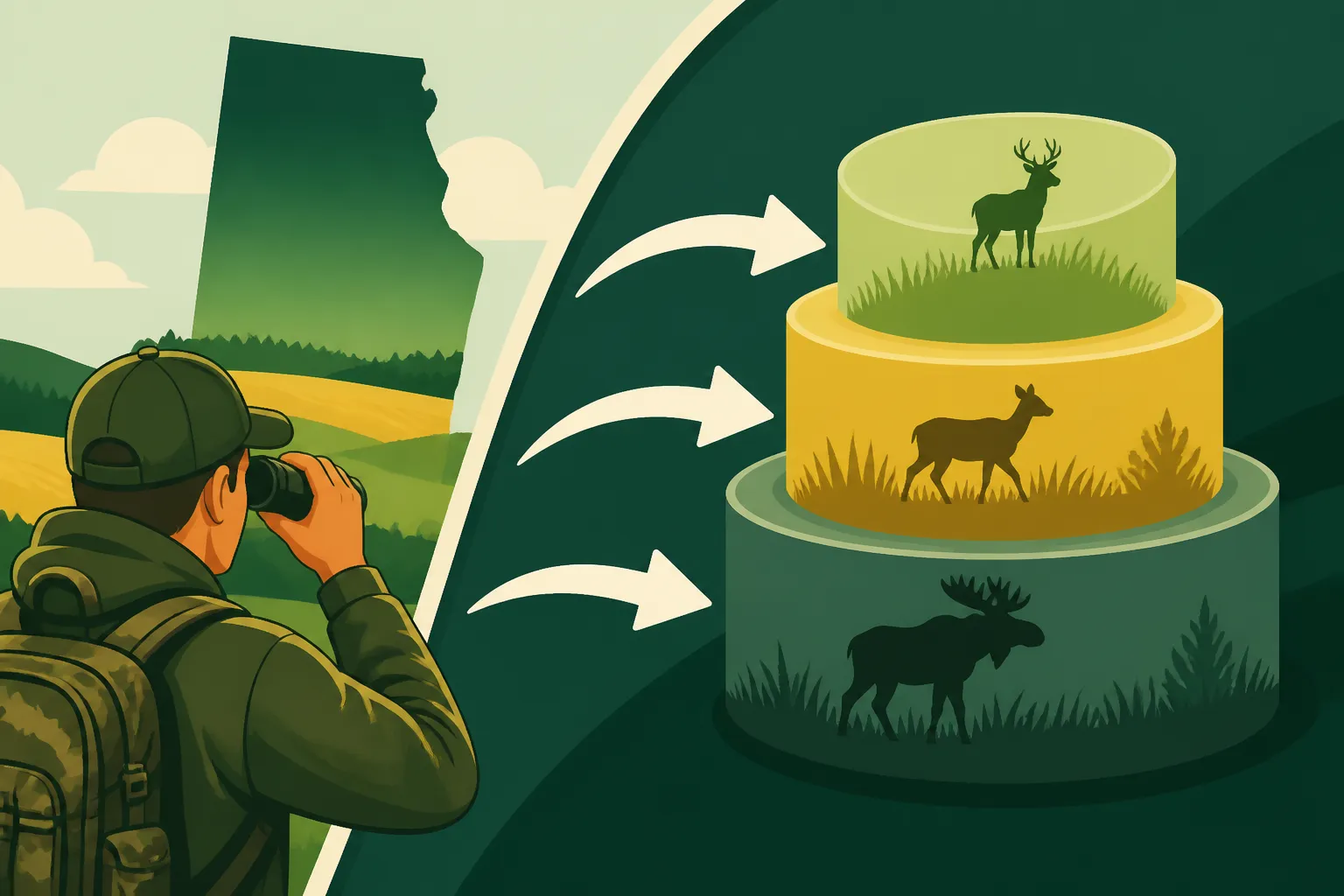
Saskatchewan's big game draw isn't a single, monolithic lottery. It's broken down into several distinct priority pools, each with its own criteria and implications for your draw success. These pools are designed to provide a tiered system, ensuring that those who have waited the longest or made specific choices are given precedence. Getting a handle on these categories is fundamental to crafting your draw strategy.
The Entry-Level: General Pool
When you first apply for a draw for a specific species and tag type, or if you've previously drawn a similar tag and your priority resets, you'll typically start in what's known as the General Pool. This is the baseline, the most competitive pool, where the vast majority of new applicants and those who've recently had success reside. Drawing from the General Pool relies heavily on pure chance, as there's no accumulated priority to give you an edge. Many common antlerless deer tags or tags in less popular zones might clear in this pool, but for those highly sought-after trophy tags, it can take a very long time, if ever, to draw solely from the General Pool. Your first application for any given draw, as detailed in Which Pool a New Applicant Starts In, will always be here.
The Veteran's Advantage: Legacy Pool
This is where consistency starts to pay off. The Legacy Pool is for hunters who have applied for a specific draw (e.g., antlered moose, antlered elk, mule deer buck) for a significant number of years without being successful. The system tracks your consecutive unsuccessful applications, and once you hit a certain threshold – which can vary by species and tag type but is often around the 5-7 year mark without drawing – you are automatically advanced to the Legacy Pool. This pool has significantly better odds than the General Pool because fewer applicants qualify for it. Tags are allocated first to the SuperA Pool, then to the Legacy Pool, and only then do any remaining tags go to the General Pool. This system is why experienced hunters often preach patience and consistent application, as it's the gateway to those harder-to-get tags. For species like trophy moose, Why Trophy Moose Only Clears in Legacy is a common adage, reflecting the difficulty of drawing without this elevated status.
The Premium Tier: SuperA Pool
The SuperA Pool is the crème de la crème of Saskatchewan's priority system. It's an exclusive category designed for those who have spent an exceptionally long time in the draw, usually 10 years or more, consistently applying for a specific draw without success. Only a very small percentage of applicants ever reach this pool, making the draw odds exceptionally good. If you make it into the SuperA Pool, your chances of finally drawing that elusive tag in the current year become very high, often close to a guarantee depending on the species and zone. It's the ultimate reward for extreme patience and persistence. However, once you draw a tag while in the SuperA Pool, your priority for that specific draw type resets, and you typically return to the General Pool for your next application. This ensures the system continues to cycle, preventing any single hunter from monopolizing the most desirable tags.
Here's a quick overview of how the pools stack up:
| Priority Pool | Qualification | Odds of Drawing | What Happens After Drawing |
|---|---|---|---|
| General | New applicant, or priority reset after drawing in any pool for that species. | Lowest odds; purely random selection if tags remain after higher pools. | Priority resets to General for that species/tag type. |
| Legacy | Accumulated several (e.g., 5-7) unsuccessful applications for a specific draw. | Good odds; significantly better than General Pool. | Priority resets to General for that species/tag type. |
| SuperA | Accumulated many (e.g., 10+) unsuccessful applications for a specific draw. | Highest odds; near-guarantee for most draws. | Priority resets to General for that species/tag type. |
Navigating the Big Game Draw Application Process
Understanding the priority pools is one thing, but successfully navigating the actual application process is another. It can be daunting, especially with deadlines and specific requirements. Saskatchewan's online HAL (Hunter and Angler Licence) account is the gateway to all things licensing and draw-related, and getting familiar with it is your first crucial step.
Setting Up Your HAL Account
Every hunter in Saskatchewan needs a HAL account. This personalized online portal is where you manage all your licences, permits, and, crucially, your big game draw applications. If you're new to hunting in the province, or if you've been away for a while, your very first step will be Setting Up a Saskatchewan HAL Account. It requires personal information, and once established, you'll receive a unique hunter number that identifies you within the system. Make sure all your details are accurate, as errors can cause problems down the line. Many hunters find resources like the GoHunt app helpful for keeping track of application dates and requirements, though the official HAL system is where you'll submit everything.
Once your HAL account is active, take some time to explore it. Familiarize yourself with the different sections, especially the "Big Game Draw" area. This is where you'll find information on available draws, your current priority pool status for various species, and the actual application forms when the draw opens. Don't wait until the last minute to set this up, especially if it's your first time, as sometimes there can be verification delays.
The Annual Draw Timeline
The big game draw operates on a strict annual timeline, and missing a deadline means missing out for the entire year. Generally, the draw opens in the spring, typically around late April or early May, and closes in late May. However, these dates can shift slightly each year, so it's always best to check the official Saskatchewan hunting guide or your HAL account for the most up-to-date information. Knowing When Saskatchewan's Big Game Draw Opens is crucial.
During the application window, you'll log into your HAL account, select the species and zones you wish to apply for, and submit your application. Remember, there's usually a small fee for each draw application, as outlined in What a Draw Application Costs. Once the application period closes, results are usually posted sometime in June. You'll be notified via your HAL account, and drawn licences typically go on sale shortly after. Pay close attention to these dates, especially the Saskatchewan's Big Game Draw Deadline, as there are no extensions.
Applying as a Party
Saskatchewan's draw system allows hunters to apply as a party, which can be an interesting strategy, especially for those hoping to hunt with friends or family. When you apply as a party, all members of that party apply for the same species and zones. If any member of the party is drawn, all members of the party are drawn. This means everyone in the party receives a tag. However, there's a significant catch: the entire party's priority for that draw is determined by the member with the lowest priority.
For example, if you're in the Legacy Pool for antlered elk, but your hunting partner is in the General Pool, if you apply as a party, your collective priority for that draw will be in the General Pool. This effectively pulls down your higher priority. However, if everyone in your party has accumulated high priority, it can be a powerful way to ensure everyone gets a tag if one of you draws. Understanding the nuances of Applying as a Party in Saskatchewan's Draw is crucial before committing to this approach. It’s a trade-off: you increase the chances of hunting together, but potentially at the cost of leveraging individual high priority.
Strategies for Improving Your Draw Odds
While the priority pool system inherently rewards patience, there are also conscious decisions you can make to optimize your chances of drawing a tag. It's about playing the long game and understanding the dynamics of demand for different species and zones.
Building Priority in Lower-Demand Zones
One of the most effective long-term strategies is to consistently apply for a specific tag type, even if you initially select lower-demand zones. For instance, if your ultimate goal is a trophy mule deer buck, but the prime zones have incredibly low draw odds, you might consider applying for mule deer buck in a less popular zone for a few years. While you might not be excited about hunting that particular zone, these unsuccessful applications still count towards building your priority for the species and tag type. This means you're building your "mule deer buck" priority.
Over time, as you accumulate those unsuccessful applications, your priority for mule deer buck will increase, eventually moving you into the Legacy Pool and then potentially the SuperA Pool. Once you reach those higher tiers, you can then consider applying for your desired prime zone, where your elevated priority will give you a much better chance. This strategy requires patience but is a proven way to eventually access those harder-to-draw areas. It’s a good idea to research Which Saskatchewan Zones Draw Fastest for Mule Deer to identify those high-demand areas versus less competitive ones where you can build priority.
Targeting Antlerless or Less Competitive Species
Sometimes, the quickest way to get a tag in hand and simply go hunting is to target antlerless tags or species that are generally less competitive. For example, antlerless deer tags (whitetail or mule deer) are often available over-the-counter or clear much more easily in the General Pool. While they might not offer the "trophy" experience, they provide excellent hunting opportunities and allow you to stay active in the field. This also keeps you engaged with the draw system, even if you're not building priority for the most sought-after tags.
Similarly, other species like black bear often have over-the-counter tags or very high draw odds, making them accessible without a lengthy priority wait. If your primary goal is simply to hunt big game in Saskatchewan, considering these options can be a great way to get out there while you simultaneously build priority for your dream tag through other applications. Checking Saskatchewan Antlered Elk Draw Odds and Saskatchewan Trophy Moose Draw Odds can give you a realistic idea of what you're up against for specific draws and help you decide which options are more accessible.
Utilizing Party Applications Wisely
As mentioned, applying as a party can be a double-edged sword regarding priority. However, it can be a highly effective strategy if used wisely. The key is ensuring that all members of the party have comparable priority levels, or that the person with the lowest priority is still in a pool that has a reasonable chance of drawing for the selected tag and zone. For instance, if you and a friend are both in the Legacy Pool for antlered elk in a specific zone, applying as a party could mean both of you drawing a tag in the same year, allowing you to share a memorable hunt.
Conversely, if one member has very high priority (e.g., SuperA) and others are in the General Pool, applying as a party will almost certainly negate the SuperA advantage for that year. In such cases, it might be better for the high-priority hunter to apply individually to maximize their chances, while the others continue to build their own priority. It's a calculation that requires honest assessment of everyone's priority status, and knowing What Happens to Your Pool After a Draw is essential, as success as a party resets everyone's priority for that draw type. Tools like GoHunt often provide data and analytics that can help you assess draw odds, which can be useful when planning party applications.
Common Misconceptions and Troubleshooting
Even with a good grasp of the system, questions and misunderstandings can arise. The Saskatchewan big game draw isn't without its quirks, and it's easy to make assumptions that don't align with how the system truly functions. Let's clarify some common points of confusion.
What Happens When You Draw (and When You Don't)
The moment of truth: draw results are posted. If you're successful, congratulations! That hard-earned priority paid off. However, it's crucial to understand the immediate consequence for your priority pool status. When you successfully draw a big game tag through the priority system, your priority for that specific species and tag type immediately resets to the General Pool for future applications. This is irrespective of whether you drew from the General, Legacy, or SuperA Pool. The purpose is to cycle opportunities, ensuring that those who have been waiting longer also get their turn. So, if you drew an antlered moose tag, your antlered moose priority resets, but your priority for, say, antlered mule deer, remains intact if you've been building it separately.
What if you don't draw? This is where the system works in your favor. If you apply for a specific draw and are unsuccessful, your priority for that species and tag type increases. This increment is what moves you closer to, or further within, the Legacy and SuperA Pools. This is why consistent, annual application, even for draws you don't expect to get right away, is so vital. Each unsuccessful application is essentially an investment in future success.
Maintaining Your Priority Pool Status
Maintaining your priority isn't complicated, but it does require diligence. The golden rule is simple: you must apply every year for the specific draw type you want to build priority for. If you skip a year, your accumulated priority for that specific draw type is typically lost, and you'll start fresh in the General Pool the next time you apply. This means that if you've been building Legacy Pool status for antlered elk for six years, and you decide to take a year off from applying, you'll lose those six years of accumulated priority. It's a "use it or lose it" system in terms of annual application.
It's also important to remember that priority is specific to the species and tag type. So, your priority for antlered moose is separate from your priority for antlered whitetail, which is separate from antlerless mule deer. You can be in the Legacy Pool for one and the General Pool for another simultaneously. Many hunters use tools like GoHunt to keep track of their priority for various species and to remind them of application deadlines, ensuring they don't inadvertently lose years of built-up status. This meticulous tracking is especially helpful when dealing with Which Saskatchewan Species Are Draw Only as these are the ones where priority is most critical.
Common Errors to Avoid
The big game draw can be unforgiving of mistakes. Here are some common pitfalls to steer clear of:
- Missing the Deadline: This is perhaps the biggest and most disheartening mistake. The application window is firm, and there are no exceptions. Mark your calendar, set reminders, and apply well before the closing date.
- Incorrect Zone Selection: Double-check the zone codes you're applying for. Accidentally applying for the wrong zone is a wasted application and won't count towards building priority for your desired area. Reference the official Saskatchewan's Big Game Draw information carefully.
- Party Application Miscalculation: As discussed, applying as a party with someone who has significantly lower priority can effectively nullify your own higher priority. Ensure everyone in the party understands this before submitting.
- Assuming Automatic Application: Your priority status does not automatically apply you each year. You must actively log into your HAL account and submit an application for each draw you wish to participate in.
- Not Checking Results: Once results are posted, check your HAL account promptly. While successful applicants usually get a notification, it's your responsibility to confirm. There's often a limited window to purchase your drawn licence, and missing it can mean forfeiting your tag.
By understanding these nuances and being diligent with your applications, you'll be well on your way to maximizing your opportunities within Saskatchewan's priority pool system. It's a game of patience and strategy, but the rewards of a coveted big game tag are well worth the effort.
Disclaimer
The information provided in this guide is for general informational purposes only and does not constitute legal advice. Hunting regulations and draw processes in Saskatchewan can change. Always consult the official Saskatchewan Hunters' and Trappers' Guide and the Ministry of Environment website for the most current and accurate information before planning any hunting activities or submitting draw applications.