Where Saskatchewan’s Biggest Mule Deer Live
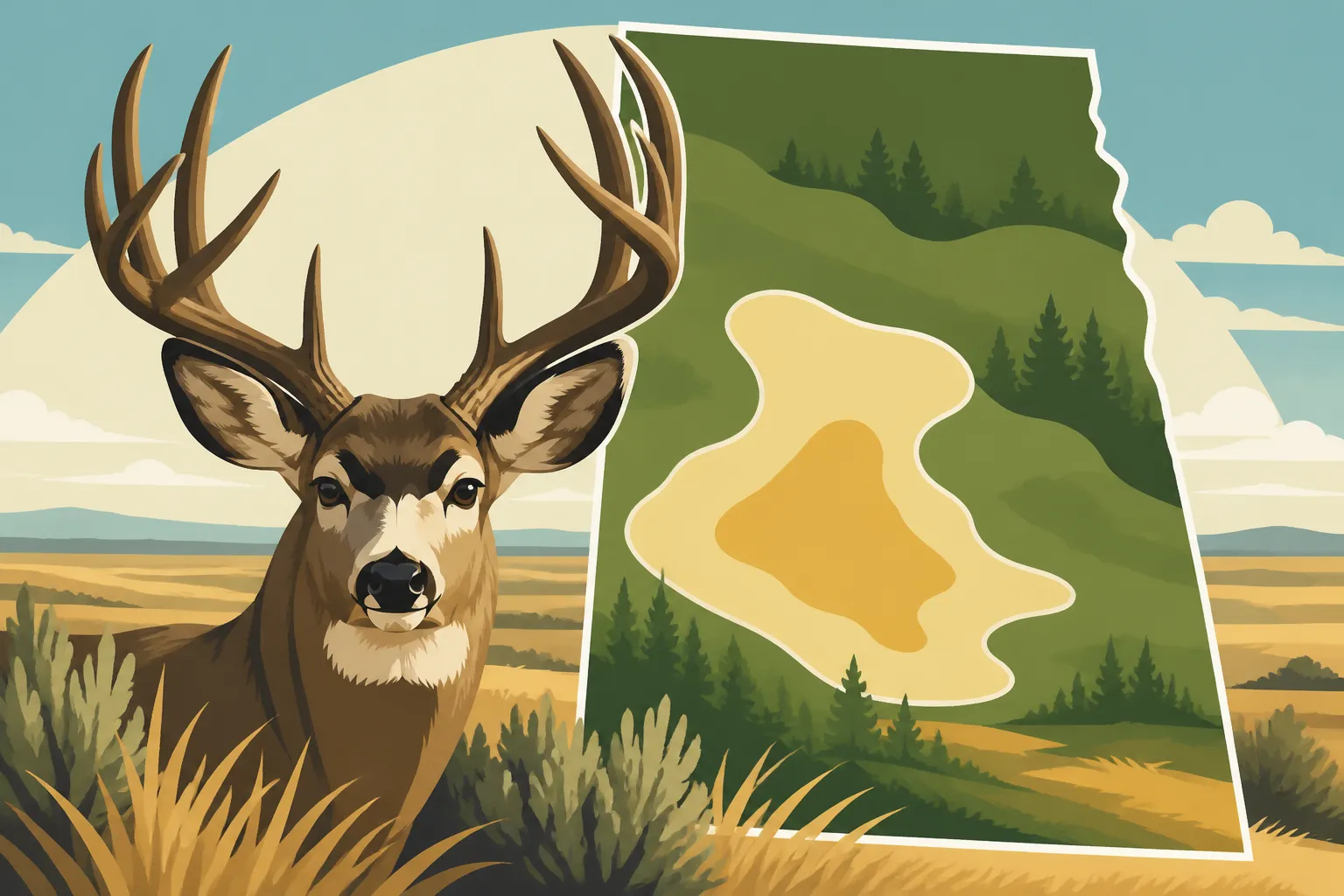
Finding those truly giant mule deer bucks in Saskatchewan isn't about luck alone; it's about understanding their world, knowing where they hide, and recognizing the conditions that allow them to grow to incredible sizes. If you've spent countless hours glassing hillsides and coulees, only to come up short on the "big one," this guide is for you. We're going to dive deep into where Saskatchewan's biggest mule deer live, what makes those spots special, and how you can increase your chances of finding that buck of a lifetime.
Understanding Prime Mule Deer Habitat in Saskatchewan
Saskatchewan's landscape is incredibly diverse, but when it comes to trophy mule deer, we're talking about specific types of terrain that offer them everything they need to not just survive, but thrive and grow to impressive sizes. These aren't your typical whitetail haunts; mule deer have a distinct preference for rougher, more open country.
Think about the rolling hills and deep, winding coulees that cut across the southern part of the province. This broken country provides incredible cover and escape routes, allowing big bucks to vanish in plain sight. They use these natural contours to bed down, often on leeward slopes or hidden benches, where they can watch their backtrail and scan the landscape below. It's in these rugged pockets that they can elude detection and reach older age classes, which is absolutely crucial for growing those massive racks we all dream about. Beyond just hiding, these areas also tend to have a diverse array of forage – native grasses, forbs, and browse that provide high-quality nutrition year-round. This varied diet is a huge factor in body growth and antler development.
The edge habitat, where these rough breaks meet agricultural fields, is also a goldmine. Mule deer are opportunists, and while they might spend their days in the security of a coulee, they'll often venture into nearby stubble fields or hay land under the cover of darkness to fill their bellies. This combination of dense cover and easily accessible, calorie-rich food sources is what elevates certain areas above others. When considering Mule Deer Across Saskatchewan's Prairie, it’s this combination of ruggedness and agricultural benefit that makes certain zones so productive.
Key Geographic Regions Known for Giant Mule Deer
When you're talking about where Saskatchewan's biggest mule deer live, your eyes naturally turn southwest. This corner of the province is famous for a reason, offering the ideal blend of habitat, low pressure, and excellent genetics. It's where the prairie truly breaks up into a mosaic of canyons, badlands, and rolling grasslands.
The Great Sand Hills and Surrounding Country
One of the most iconic regions is the Great Sand Hills. This vast, unique ecosystem, while challenging to navigate, provides exactly the kind of isolation and diverse forage that allows mule deer to grow old and large. The dunes, interspersed with pockets of willow, aspen, and various forbs, create a perfect sanctuary. Bucks here are masters of their environment, using every fold and dip in the land to their advantage. Access can be tricky, which means less human disturbance, allowing these animals to follow their natural rhythms without constant pressure. A mature buck in the Sand Hills has likely survived multiple hunting seasons precisely because of the dense, broken cover and sparse access points. Scouting these areas requires patience and often significant walking, but the rewards can be truly spectacular. Hunters using tools like GoHunt can zoom in on these areas to identify potential access points and terrain features from above before ever setting foot on the ground.
The Missouri Coteau and Cypress Hills Uplands
Further south and east, the Missouri Coteau offers another incredible landscape. This series of rolling hills and glacial moraines provides extensive rough breaks and coulees. These elevated features offer bucks incredible vantage points, but also deep pockets of cover where they can disappear. Similarly, the Cypress Hills Uplands, a unique plateau rising above the surrounding prairie, is home to some exceptional mule deer. The mixed forest and open grasslands within the hills, coupled with significant elevation changes, create a rich habitat that provides both shelter from the elements and a diverse food pantry. Many of these areas are part of larger ranches or community pastures, and gaining permission is often key. Hunting the Great Sand Hills or Hunting the Cypress Hills Uplands requires specific strategies to navigate the challenging terrain and locate these elusive animals.
The Frenchman River Valley and Big Muddy Badlands
Don't overlook the deep cuts of the Frenchman River Valley or the rugged, almost prehistoric landscape of the Big Muddy Badlands. These areas are characterized by steep, eroded coulees, rock formations, and sparse vegetation, making them incredibly difficult for hunters to penetrate, but fantastic for mule deer to escape into. Bucks in these areas become incredibly wary, using the terrain to their full advantage. They might spend their days bedded on a steep, south-facing slope, soaking up the sun and watching for any movement, only to move into the creek bottoms or adjacent private fields at night. The sheer scale and remoteness of these areas contribute significantly to the longevity of big bucks, giving them the time they need to express their full genetic potential. Hunting the Missouri Coteau Hills or Hunting the Frenchman River Valley can be incredibly rewarding, but you need to be prepared for physically demanding hunts.
Here's a quick look at why these regions stand out:
| Region | Key Features | Mule Deer Advantage | Access Challenge |
|---|---|---|---|
| Great Sand Hills | Sand dunes, diverse vegetation, isolated | Excellent cover, low pressure, varied forage | Remote, difficult |
| Missouri Coteau | Rolling hills, glacial moraines, deep coulees | Elevated vantage points, secluded bedding areas | Moderate to tough |
| Cypress Hills Uplands | Mixed forest, open grassland, elevation changes | Abundant food, thermal cover, diverse habitat | Varied, some parks |
| Frenchman River Valley | Steep coulees, badlands, erosion | Extreme escape cover, natural barriers, isolation | Very difficult |
| Big Muddy Badlands | Unique geological formations, broken country | Unpressured sanctuaries, abundant hiding spots | Highly challenging |
Factors Influencing Mule Deer Antler and Body Size
It's one thing to know where big mule deer live, but it's another to understand why they get so big in those particular places. Several interconnected factors play into whether a buck reaches that truly trophy-class potential.
Genetics: The Blueprint for Growth
Just like in humans, genetics play a foundational role. Some mule deer are simply predisposed to growing larger bodies and bigger antlers. While we can't control the genetics of a wild herd, it's safe to say that herds in regions historically known for large deer often have a stronger genetic pool for size. This isn't just about raw antler mass, but also tine length, spread, and overall symmetry. A buck's genetic potential is always there, but it takes the right environmental conditions to fully express it. Looking at a buck's lineage, if you could, would tell you a lot about his potential. This is often Why Saskatchewan Bucks Grow So Large extends to mule deer as well – the general health and robust genetics of the province's deer populations are a major asset.
Nutrition: Fueling Antler and Body Development
You are what you eat, and so is a trophy mule deer. Exceptional nutrition is paramount. Areas with rich, diverse forage that provides high protein, vitamins, and minerals are critical, especially during the spring and summer antler-growing season. Saskatchewan's agricultural landscape, particularly in areas adjacent to prime mule deer habitat, offers supplemental, high-energy food sources like alfalfa, peas, and various grains. When a buck can access these nutrient-dense foods alongside natural browse and forbs, his body can put more energy into antler growth. Mild winters also play a role; less energy spent on survival means more reserves for growth and recovery, directly impacting What a Mature Saskatchewan Mule Deer Weighs. If a buck can consistently access quality feed, especially through multiple mild winters, he's got a much better chance of putting on serious inches.
Age: The Ultimate Factor in Trophy Size
No matter how good the genetics or nutrition, a buck simply needs time to grow. Most mule deer don't reach their full antler potential until they are 4.5, 5.5, or even 6.5 years old. In highly pressured areas, bucks rarely get to live that long. The remote and rugged regions mentioned above inherently offer more solitude, allowing bucks to age without constant disturbance. A buck that lives past his prime breeding years has had multiple seasons to put on substantial headgear. This is why areas with lower human access and expansive, difficult-to-hunt terrain are disproportionately home to older, larger bucks. Hunters often spend years honing their skills to target these older, wiser animals, understanding that age is often the most significant predictor of trophy quality. This ability to age, free from constant hunting pressure, directly influences Why Mule Deer Numbers Rise and Fall in terms of mature animals.
Scouting Strategies for Locating Big Mule Deer
Finding a big mule deer isn't just about showing up in the right country; it's about putting in the work to locate those specific animals. It requires keen observation, persistence, and often, leveraging modern technology.
Glassing and Long-Range Observation
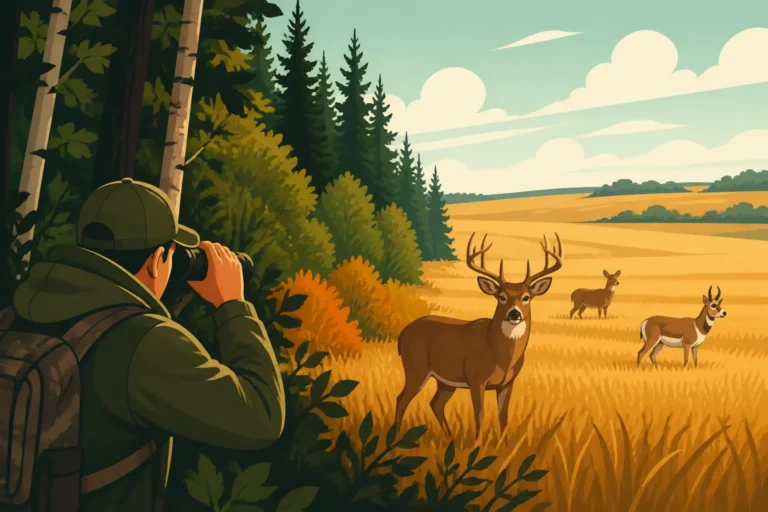
Mule deer, especially big ones, often prefer to hang out in open, broken country where they can use their incredible eyesight. This means your binoculars and spotting scope are your best friends. Invest in quality optics and spend hours, not minutes, meticulously picking apart hillsides, coulee breaks, and distant ridges. Early mornings and late evenings are prime times, but don't discount mid-day. A big buck might be bedded in the shade of a small bluff or tucked into a juniper patch. Set up on a high vantage point that gives you a commanding view of as much terrain as possible. Use a systematic approach, grid-searching areas slowly and deliberately. When you find one deer, keep looking; often, other deer, including bigger bucks, are nearby. Pay special attention to the sunny, south-facing slopes in colder weather and shaded, north-facing slopes when it's warm. Learning to read the subtle nuances of Glassing a Saskatchewan Coulee for Mule Deer takes practice, but it's an indispensable skill.
Utilizing Modern Mapping and Scouting Tools
In today's hunting world, digital mapping tools are invaluable for scouting those hard-to-reach areas. Platforms like GoHunt allow you to pore over satellite imagery, identifying potential bedding areas, travel corridors, and even water sources without leaving your home. You can mark waypoints for promising pockets of cover, steep terrain features, and potential access routes. This is particularly useful in Saskatchewan's vast landscape, where driving every road or walking every mile isn't feasible. Use these tools to identify those isolated coulee systems or hidden draws that might hold a mature buck. Combine satellite imagery with topographical maps to understand elevation changes and potential escape routes. Knowing how to use Scouting With Satellite Imagery in Saskatchewan can give you a significant advantage in areas like the Great Sand Hills or the Big Muddy, where ground scouting can be incredibly difficult.
Reading Sign and Understanding Movement Patterns
Once you're on the ground, becoming a detective is key. Look for fresh tracks, especially larger ones that indicate a mature buck. Pay attention to rubs and scrapes, which can tell you where bucks are actively marking their territory. Big rubs on larger diameter shrubs or small trees are a tell-tale sign of a mature animal. Mule deer droppings can also indicate fresh activity. Study their movement patterns: where are they feeding, where are they bedding, and what routes are they using to get between the two? Often, these routes follow the easiest path through the roughest terrain, such as game trails along coulee bottoms or over saddles. Understanding how deep snow can move deer into specific types of cover or how they use a Hunting a Prairie Coulee Bottom can provide critical insights. For those interested in Hunting Mule Deer After a Snowfall, fresh tracks can reveal secrets that are otherwise hidden.
Persistence and Patience: The Hunter's Virtues
Above all, finding the biggest mule deer requires immense persistence and patience. These animals are smart, wary, and often live in challenging environments. You might spend days glassing, walking, and stalking without seeing a single buck that meets your criteria. Don't get discouraged. Keep learning the terrain, observing deer behavior, and adapting your strategy. Often, it's the hunter who stays out just a little longer, or pushes into that one extra coulee, who finds that special buck. Success in these hunts is earned, not given. It's about enjoying the process, the challenge, and the wild beauty of Saskatchewan's mule deer country.
Disclaimer
This article is for general informational purposes only and does not constitute professional advice. Laws, prices and regulations vary by location and change over time. Consult a qualified professional for guidance on your specific situation.