Finding an FWDF Property Near You
It’s a common frustration among Saskatchewan hunters: you hear tantalizing tales of fantastic hunting on public land, but when you actually try to pinpoint these elusive spots, it feels like an insurmountable challenge. Many folks mistakenly believe that all Crown land is open for business or get lost in a sea of private property signs. This guide is here to cut through that confusion, focusing specifically on how to effectively find Fish and Wildlife Development Fund (FWDF) properties near you, helping you unlock more accessible hunting opportunities across the province.
Understanding Saskatchewan's FWDF Lands
Before we dive into how to find them, let's talk about what FWDF lands actually are. Think of them as special parcels of public land that are specifically managed for wildlife habitat and, crucially, for public access for hunting, trapping, and other outdoor recreation. They're a real gem for resident hunters, providing dedicated space where you don't need to knock on a farmer's door for permission. These aren't just random patches of bush; they're strategically acquired and improved to benefit a variety of game species, which in turn creates better hunting opportunities for all of us.
The Purpose Behind FWDF Properties
The existence of FWDF lands stems from a clear purpose: conservation and public access. For years, the Saskatchewan government, through the Ministry of Environment and organizations like the Saskatchewan Wildlife Federation, recognized the importance of securing and enhancing habitat. As agricultural land expanded and private ownership became more prevalent, dedicated public hunting areas became increasingly vital. These lands are funded, in part, by the sales of Saskatchewan's Wildlife Habitat Certificate, which every hunter buys as part of their licensing process. That small fee directly contributes to purchasing and managing these lands, making every hunter a stakeholder in their existence and health.
Beyond just a place to hunt, FWDF properties often serve as critical wildlife corridors, nesting areas, wintering grounds, and diverse ecosystems that benefit everything from whitetail deer to sharp-tailed grouse. They are active conservation sites, often undergoing habitat improvements like prescribed burns, planting native grasses, or restoring wetlands. This means that when you’re scouting or hunting an FWDF parcel, you’re often stepping onto land that has been intentionally designed or managed to support robust wildlife populations, offering a richer experience than just walking a random block of Crown land.
How FWDF Lands are Acquired and Managed
The process of bringing an FWDF property into existence is quite interesting. Often, these lands are acquired through direct purchase from willing landowners, through donations, or through land exchanges. The funds primarily come from hunters themselves, via the aforementioned Wildlife Habitat Certificate, but also through partnerships with conservation groups. Once acquired, they fall under the management of the Ministry of Environment, sometimes in collaboration with groups like the Saskatchewan Wildlife Federation.
Management isn't just about putting up a boundary sign. It involves ecological assessments, habitat enhancement projects, and ensuring these lands remain accessible for their intended purposes. You might see evidence of past work, like older tree plantings or restored wetlands, which are all part of the ongoing effort to make these areas productive for wildlife and enjoyable for hunters. Understanding this background helps you appreciate that these aren't just empty spaces; they're living, managed ecosystems.
Navigating the Challenges of Finding FWDF Lands
You'd think finding publicly accessible land would be straightforward, but the reality for hunters in Saskatchewan can be quite different. There's often a significant disconnect between knowing these lands exist and actually being able to locate them on the ground, figure out the boundaries, and understand the access points. This isn't just a minor inconvenience; it can be a major barrier, especially for new hunters or those exploring unfamiliar territory.
Why They're Not Always Obvious
One of the biggest frustrations with FWDF properties is that they aren't always well-marked. You won't typically find massive, flashing signs saying "FWDF Land – Hunt Here!" at every corner. Sometimes, the signage is subtle, weathered, or easily missed, especially if you're driving by quickly. This lack of prominent demarcation often leads hunters to drive past valuable habitat without even realizing it’s public and open. It contributes to the feeling that public land is a secret club, when in reality, it's just poorly advertised.
The properties themselves can also be quite varied in size and shape, from small, irregularly shaped parcels to larger, more contiguous blocks. Without clear boundaries, it's easy to inadvertently trespass onto adjacent private land, which is a major concern for any responsible hunter. This ambiguity is why relying solely on roadside observation isn't enough; you need a more proactive approach to identify and verify these critical hunting spots.
Common Misconceptions About Public Land
Many hunters hold misconceptions about public land in Saskatchewan. A common one is that "all Crown land is the same." While FWDF lands are a type of Crown land, they are specifically managed for wildlife and access, whereas other types of Crown land (like grazing leases or occupied Crown land) might have different access rules or require permission from the leaseholder. It's not a one-size-fits-all situation, and understanding these nuances is key to avoiding issues.
Another misconception is that if land isn't actively posted with "No Trespassing" signs, it must be public. This isn't always true, especially on privately owned farmland. Saskatchewan Landowner Permission Law clearly states that hunters need permission to hunt on private land, whether it's posted or not. FWDF properties are an exception to this rule, being open for recreational use, but recognizing the distinction requires specific knowledge. Without proper research, hunters can easily find themselves in a grey area, feeling unsure and potentially risking a trespass violation.
Practical Strategies for Locating FWDF Properties
So, how do you go from general knowledge to specific, boots-on-the-ground hunting spots? The good news is that modern tools and old-fashioned methods can work together to reveal these hidden gems. Finding these areas requires a bit of detective work, but the payoff in terms of accessible hunting opportunities is well worth the effort.
Utilizing Online Mapping Tools
In today's hunting world, digital mapping applications are indispensable, and they are hands down one of the most effective ways to locate FWDF properties. Apps like onX Hunt and GoHunt have revolutionized how hunters scout and navigate. These platforms allow you to overlay different map layers that clearly delineate property boundaries, including various types of public land. Imagine sitting at your kitchen table, and with a few taps on your phone or clicks on your computer, you can see exactly where the public land starts and private land ends.
With onX Hunt, for instance, you can select specific layers that highlight Crown land, including FWDF properties. These layers often show the quarter section lines and property owner information for adjacent private parcels. This level of detail is crucial. You can zoom in, identify potential access points from grid roads or trails, mark waypoints for promising cover or water sources, and even measure distances to ensure you're well within public boundaries. Similarly, GoHunt offers robust mapping features that can help identify public lands and their characteristics, allowing you to plan your hunt with precision. By using these tools, you can pre-scout vast areas from the comfort of your home, saving countless hours of driving and knocking on doors. It also helps you understand Reading Saskatchewan Crown Land Layers on onX effectively, ensuring you're interpreting the information correctly.
Consulting Official Government Resources
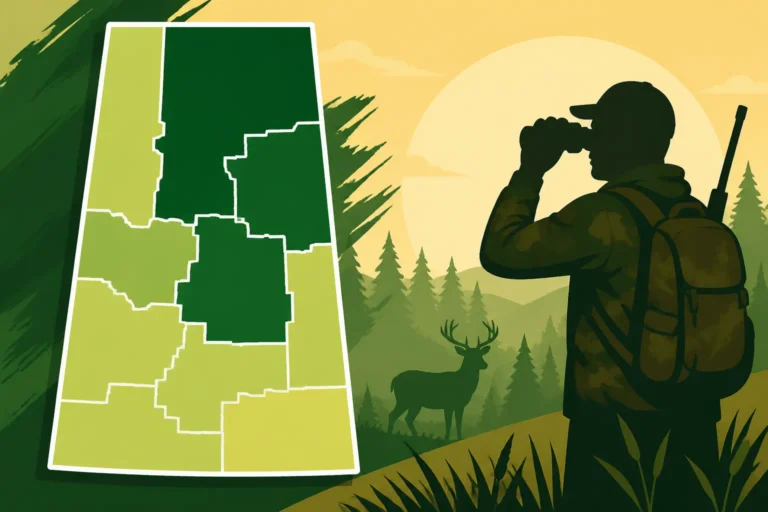
While commercial apps are incredibly convenient, official government resources remain the definitive source for land designations. The Saskatchewan Ministry of Environment publishes various maps and data that identify FWDF properties. These might be in the form of downloadable PDF maps for specific Wildlife Management Zones (WMZs) or even GIS (Geographic Information System) data that can be viewed with specialized software.
Start by visiting the Ministry of Environment's website. Look for sections related to wildlife, hunting, or public land access. You might find a general overview of Saskatchewan's Fish and Wildlife Development Fund Lands and often, direct links to maps or databases. While these resources can sometimes be less user-friendly than a polished app, they are the authoritative source. They can help you confirm boundaries, identify any specific regulations for a particular parcel, or locate properties that might not be as clearly marked on commercial apps (though this is becoming less common as commercial apps improve). It's always a good idea to cross-reference information found in apps with these official sources, especially when planning a hunt in an unfamiliar area. Knowing how to interpret a Finding a Saskatchewan Zone Map is a great skill to develop here.
Local Knowledge and Ground-Truthing
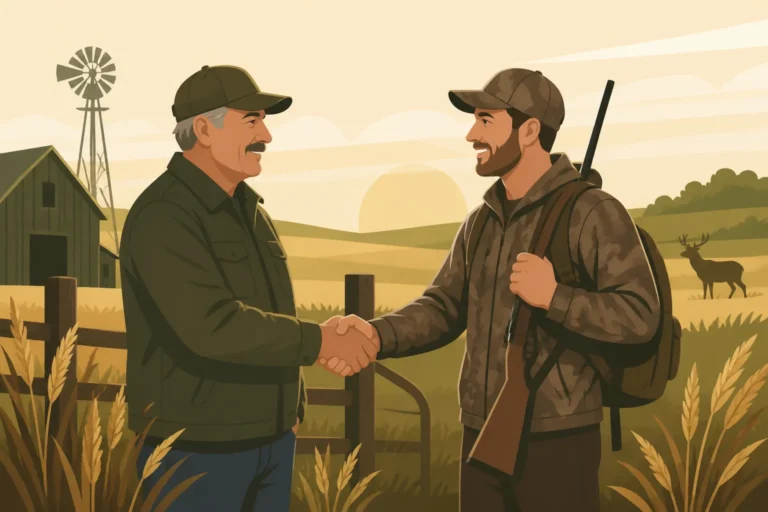
Even with the best digital maps and official data, there’s no substitute for local knowledge and physical scouting. Sometimes, the most valuable information comes from conversations with locals – farmers, ranchers, or long-time residents who know the lay of the land intimately. They can often point out small, un-marked FWDF parcels, or offer insights into traditional access routes, animal movements, or areas that hold game. Remember to always approach these conversations with respect and courtesy; a friendly chat over coffee can unlock years of accumulated wisdom.
Once you’ve identified potential FWDF properties using digital tools and official maps, the next crucial step is ground-truthing. This involves physically visiting the area to verify access points, confirm boundaries, and assess the habitat firsthand. What looks like thick cover on a map might be open grassland, or a seemingly clear access road might be impassable due to a washed-out culvert. Walking the perimeter, noting natural features, and looking for signs of wildlife will give you an invaluable understanding of the property’s hunting potential. This proactive Scouting a Saskatchewan Wildlife Management Zone approach will ensure you're well-prepared when hunting season arrives.
Maximizing Your Hunt on FWDF Properties
Finding FWDF properties is a huge step, but making the most of your time on them requires strategy, respect for the rules, and an understanding of how public land often differs from private. These lands offer incredible opportunities, but success often hinges on how well you prepare and execute your hunt.
Respecting the Rules and Regulations
Just because FWDF lands are publicly accessible doesn't mean there are no rules. In fact, understanding and adhering to regulations is paramount. While you don't typically need to ask for specific permission to hunt on FWDF land, you should always check for any specific local restrictions or temporary closures. For example, some properties might have restrictions on vehicle access, requiring you to hunt on foot only. Others might be designated as "foot traffic only" from the outset, in which case Vehicle Rules on Saskatchewan Crown Land will definitely apply. Always ensure you are familiar with the general hunting regulations for Saskatchewan, including specific season dates, bag limits, and legal methods for the species you are pursuing. Ignoring rules can lead to fines and loss of hunting privileges, which nobody wants.
It's also important to remember that these lands are for all users. You might encounter hikers, bird watchers, or other hunters. Courtesy and respect are key to maintaining positive relations and ensuring continued access for everyone. Be mindful of your actions, pick up any trash, and leave the land better than you found it. This simple act of stewardship helps maintain the integrity and accessibility of these valuable public resources for future generations. If you plan to set up a camp, remember to check Camping on Saskatchewan Crown Land regulations.
Scouting and Strategy for FWDF Areas
Effective scouting is the backbone of successful hunting on any land, and FWDF properties are no exception. Once you’ve located a promising parcel, dedicate time to thoroughly scouting it before the season. Look for game trails, bedding areas, feeding zones, and water sources. Pay attention to how the land features – bluffs, sloughs, creek bottoms, and tree lines – funnel animal movement. Because these areas are managed for habitat, you might find specific features like food plots or diverse native cover that can concentrate game.
Consider the time of year and the species you're pursuing. A strategy for Hunting the Rut in Early to Mid November for whitetails might focus on pinch points and travel corridors, while Waterfowl Hunting Saskatchewan's Grain Fields near an FWDF wetland would require different tactics. Spend time observing during different parts of the day. Early morning and late evening often reveal the most animal activity. Understanding prevailing wind patterns and sun angles is also crucial for setting up a successful ambush or planning a productive stalk. The more you know about a specific FWDF parcel, the better your chances of filling your tag.
Dealing with Hunting Pressure
It's a reality that public lands, especially those known for good hunting, can experience more hunting pressure than private parcels. Don't let this deter you, but acknowledge it as part of your hunting strategy. While some hunters might flock to easy-access points, often the most successful hunters are those willing to walk further, explore deeper, or seek out less obvious areas within an FWDF property.
This is where thorough scouting and understanding the terrain come into play. Look for pockets of cover or inaccessible-looking areas that might hold untouched game. Sometimes, just walking a little further than everyone else is enough to find undisturbed animals. Consider hunting during weekdays if your schedule allows, as pressure often peaks on weekends and opening days. Be prepared to adapt your strategy if you encounter other hunters. Having backup plans for different parts of an FWDF parcel, or even a different FWDF property nearby, can make all the difference when you arrive to find another truck already parked at your planned spot. Remember, resilience and adaptability are key on public land.
Comparing Methods for Finding FWDF Lands
To give you a clearer picture, here's a quick comparison of the common methods hunters use to find FWDF properties. Each has its strengths and weaknesses, and often, combining several methods yields the best results.
| Method | Pros | Cons | Ideal For |
|---|---|---|---|
| Online Mapping Apps | Highly detailed, user-friendly, real-time GPS tracking | Subscription fees, can be overwhelming with too many layers, requires cell service/downloaded maps | Pre-scouting, on-the-go navigation, identifying precise boundaries |
| Official Government Maps | Authoritative data, free access, definitive boundary information | Less user-friendly, often static PDFs, may require specific software | Verifying information, deep dives into regulations, large-scale planning |
| Local Knowledge | Unique insights, historical patterns, specific access advice | Can be subjective, requires building relationships, not always readily available | Discovering hidden gems, understanding local nuances, community engagement |
| Ground Scouting | Verifies terrain, identifies fresh sign, confirms access conditions | Time-consuming, requires physical effort, weather-dependent scouting conditions | Confirming digital findings, assessing habitat quality, finding game sign |
Ultimately, a multi-faceted approach is your best bet for successfully locating and hunting FWDF properties. Start with your digital tools, then consult official maps, and finally, get out there to walk the land and talk to locals. This comprehensive strategy will unlock more opportunities for you on Saskatchewan's public hunting lands.
Disclaimer
This article is for general informational purposes only and does not constitute professional advice. Laws, prices and regulations vary by location and change over time. Consult a qualified professional for guidance on your specific situation.