Saskatchewan Landowner Relations for Hunters
Finding a great hunting spot in Saskatchewan can feel like hitting the lottery, especially when you're dreaming of those big whitetails or a field full of geese. But the reality for most of us is that prime land often belongs to someone else, and the biggest hurdle isn't always the game itself, but knowing how to respectfully and effectively gain access. It's a dance between a hunter's passion and a landowner's privacy, and navigating it correctly is key to unlocking some of the best hunting experiences this province has to offer. This guide is all about building those crucial relationships and understanding how to be a welcome guest, not a burden.
Understanding Saskatchewan's Land Landscape
Saskatchewan is a vast province, and while it might look like endless fields and bush on a map, the reality on the ground is a patchwork of different land types, each with its own rules and nuances for hunters. Assuming all land is open access is a quick way to find yourself in hot water, both legally and with local residents. It's crucial to understand this mosaic before you even think about knocking on a door or setting out on a hunt.
The Reality of Land Ownership in Saskatchewan
When you drive through Saskatchewan, whether it's the open prairie of the south, the aspen parkland in the middle, or the forest fringe up north, you'll see a mix of privately owned fields, pastures, and wooded blocks, alongside various forms of public land. The vast majority of the productive farmland and much of the prime big game habitat is indeed privately owned. Farmers and ranchers have put countless hours, sweat, and often generations of work into these properties, and their boundaries are not just lines on a map; they represent homes, livelihoods, and personal space.
This means that for the most part, especially when it comes to coveted species like whitetail deer, mule deer, and even many waterfowl opportunities, your success will largely hinge on your ability to secure permission from landowners. Public land certainly exists, and can offer fantastic hunting opportunities, but it often comes with higher pressure and might require more effort to find un-pressured game. Public Hunting Land in Saskatchewan is a great resource if you're looking to explore those options, but for many, the best hunting still comes with a handshake and a "thank you."
Crown Land vs. Private Land: A Hunter's Perspective
From a hunter's viewpoint, the distinction between Crown (public) land and private land is paramount. Crown land, generally speaking, is open for hunting as long as you possess the appropriate licenses and adhere to provincial regulations. This includes various provincial forests, some wilderness areas, and specific parcels designated for wildlife management. While these areas can be fantastic, they often require more remote access, potentially more rugged terrain, and a deeper understanding of navigation. For many, mapping tools like onX Hunt have become indispensable for identifying these public parcels and their boundaries, helping hunters stay on the right side of the law.
Private land, on the other hand, always requires explicit permission from the landowner or occupier. This isn't just a courtesy; it's a legal requirement. Failure to get permission before stepping foot on private property to hunt is trespassing, which carries serious penalties and, more importantly, damages the reputation of all hunters. Even if you're just tracking a wounded animal, you need that permission. Understanding Saskatchewan Trespass Law for Hunters is non-negotiable for anyone planning to hunt in the province. The golden rule here is simple: if you don't know for sure, assume it's private and seek permission.
The Golden Rule: Always Ask for Permission
This can't be stressed enough: always ask for permission. It's the absolute foundation of ethical hunting in Saskatchewan, and frankly, anywhere. Many hunters dread this part, feeling like they're imposing, but approaching it with respect and a good attitude can open up incredible opportunities.
Why Asking Is Non-Negotiable
Beyond the legal obligation to avoid trespassing, asking for permission is about respect. Respect for the landowner's property, their privacy, and their livelihood. Farmers and ranchers often deal with issues like crop damage, livestock disturbance, and general wear and tear on their land. When you show up, take the time to ask, and treat them with courtesy, you're immediately distinguishing yourself from those who might disrespect their property.
Think about it from their perspective: Would you want strangers wandering through your yard or fields without a word? Probably not. A simple conversation upfront can build trust and prevent misunderstandings down the road. It also allows the landowner to inform you of any specific concerns they might have, like where their cattle are pastured, which fields have specific crops, or areas they prefer you avoid for safety reasons. This dialogue is critical for a safe and successful hunt.
The Respectful Approach to Knocking on Doors
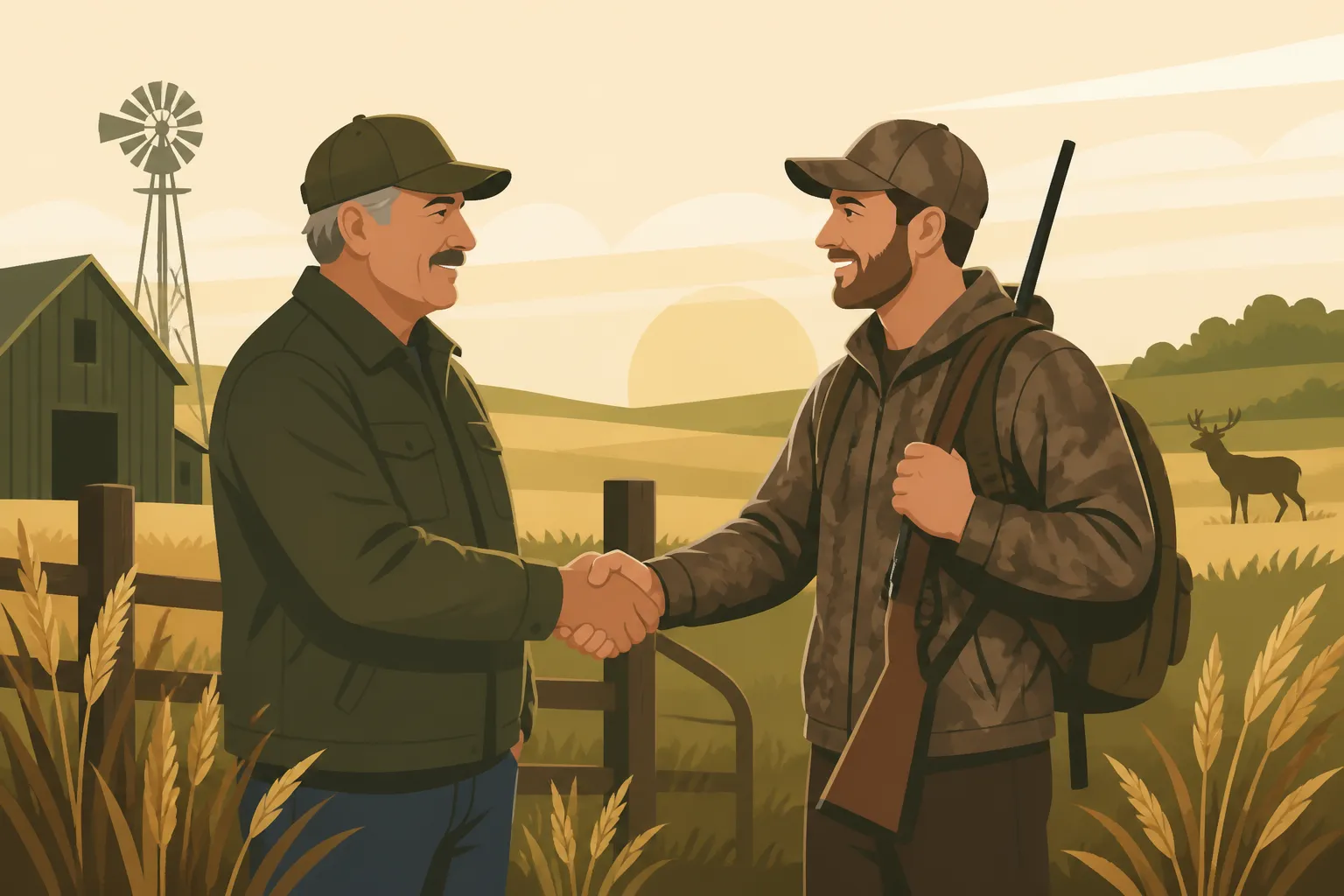
So, how do you actually do it? First, pick your timing. Avoid busy times like harvest, seeding, or meal times. Mid-morning or late afternoon on a weekday or non-peak weekend day is often best. When you arrive, approach the main residence calmly. Leave your hunting gear, including your firearm, in your vehicle. You want to present yourself as a polite visitor, not someone ready to head straight to the field. Dress neatly; it doesn't have to be a suit, but clean clothes make a better impression than muddy hunting gear.
When you greet them, introduce yourself, state clearly why you're there (to ask permission to hunt), and be ready to tell them what you're hoping to hunt (deer, geese, etc.) and what area you're interested in. Be concise, polite, and accept their answer gracefully, whether it's a yes or a no. A polite "no" is not a personal rejection; it's just their decision for their property, and respecting that is vital. Remember, you're asking for a privilege, not asserting a right. If you want a deeper dive into these initial conversations, Knocking on Doors in Saskatchewan Farm Country offers even more specific guidance.
Tools to Help Identify Landowners
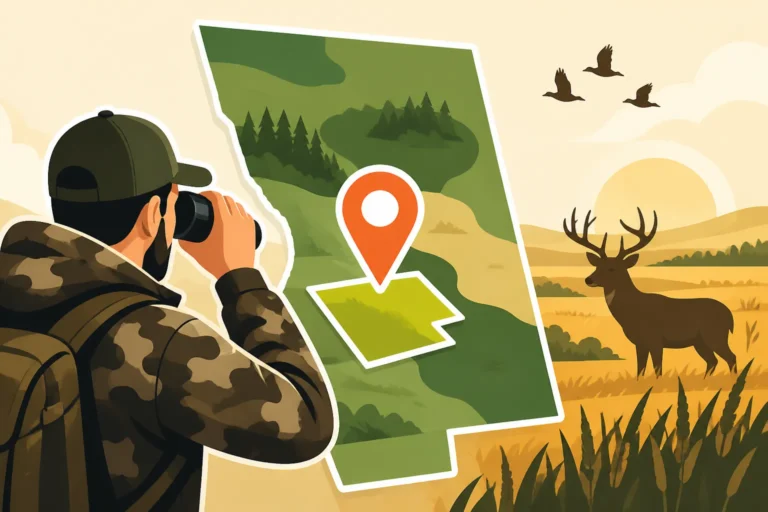
In today's digital age, hunters have powerful tools at their disposal that make identifying landowners and understanding property boundaries much easier than it used to be. Apps like onX Hunt and GoHunt have revolutionized how we approach land access. These platforms provide detailed satellite imagery, property lines, and often display landowner names, or at least the parcel numbers that can lead you to that information.
Before you even leave home, you can scout potential hunting areas, identify blocks of private land adjacent to public areas, and pinpoint the specific residences to approach. This saves you a lot of driving around aimlessly. When you're out in the field, these apps allow you to see exactly where you are relative to property lines, preventing accidental trespass. This precision is not only convenient but also crucial for maintaining good relations. Knowing whose door to knock on, and having a map to show them where you're interested in hunting on their property, demonstrates preparation and respect.
How to Effectively Ask for Permission
Getting a "yes" isn't always about luck; it's about being prepared, respectful, and understanding the landowner's perspective. There's an art to asking for permission that can significantly increase your chances of success.
Timing Your Approach for Success
As mentioned, timing is critical. Showing up during harvest can be seen as an interruption to their livelihood. Farmers are often working from sun-up to sun-down during these periods, and the last thing they need is another distraction. Similarly, showing up at dinner time is generally unwelcome.
The best approach is often mid-morning (around 9 AM to 11 AM) or mid-afternoon (around 2 PM to 4 PM), typically on a weekday. Weekends can be hit or miss, as some landowners appreciate their family time. If you see them out working in a field, don't drive right up to their equipment and interrupt their work. Wait for them to take a break, or try the house later. Be patient and observant. Sometimes, a quick wave and a note left on their door with your contact information, explaining you'd like to ask permission, can be a good alternative if no one is home after a couple of attempts.
What to Say and How to Present Yourself
When you finally get to speak with a landowner, your presentation and words matter. Start with a friendly greeting and a clear introduction of yourself and where you're from. Then, immediately state your purpose: "Hello, my name is [Your Name], and I'm a hunter from [Your Town]. I was hoping to speak with you about the possibility of hunting deer on your land this season."
Be specific about what you want to hunt and where. If you've used a mapping app like onX Hunt, you might even be able to show them the specific quarter section or bluffs you're interested in. This shows you've done your homework and aren't just broadly asking for access to their entire farm. Emphasize that you'll be respectful, clean up after yourself, and be mindful of their operations. Be prepared to share your hunting license number if asked, or even provide a contact reference. Transparency and honesty build trust.
Offering to Help: A Reciprocal Relationship
Sometimes, going beyond just asking for permission can turn a "no" into a "yes," or solidify a good relationship. Offering to help with small tasks around the farm can be a game-changer. This doesn't mean you need to sign up for a week of manual labour, but simple gestures can go a long way.
For example, you could offer to close gates behind you, check fence lines for breaks, or even help spot cattle if you see them during your hunt. Perhaps you could offer to help pick rocks in a field for an hour before you hunt, or lend a hand with a quick chore. Many landowners appreciate a hunter who not only respects their land but also understands the demands of farm life. Even just offering to share some of your wild game after a successful hunt can be a kind gesture. It turns the interaction from a simple request into a potential reciprocal relationship.
Building and Maintaining Positive Relationships
Getting permission once is great, but building a lasting relationship with a landowner is the real prize. It ensures continued access and fosters a positive image for hunters in the community. This goes beyond the initial handshake.
Following Through on Your Promises
The fastest way to burn a bridge with a landowner is to not follow through on what you said you'd do. If you promised to close all gates, do it. If you said you'd only hunt a specific field, stick to that. If you agreed not to drive certain trails, respect that agreement. Every action you take on their property reflects on you, and by extension, on all hunters.
Keep your vehicle on established tracks and field approaches. Don't drive through standing crops or wet fields unless explicitly told it's okay. Park your vehicle responsibly, out of the way of machinery or access points. Remember to be quiet and respectful of their home and operations. If you happen to damage anything, report it immediately and offer to fix it or compensate them. Honesty and accountability are paramount. Hunters must also be aware of Saskatchewan's Blaze Orange Rules and follow them diligently for safety.
Showing Gratitude After the Hunt
A thank you goes a long way. After your hunt, whether successful or not, make the effort to stop by the landowner's house again. Thank them for the opportunity. If you harvested an animal, offer them some of the meat. A package of venison sausages or a cut of elk often deepens the bond. If you didn't get anything, a simple thank you note or a small token of appreciation, like a gift card to a local coffee shop or an offer to help with a spring chore, can leave a lasting positive impression.
Many landowners don't ask for anything in return, but a thoughtful gesture shows that you value their generosity. This could be the difference between getting permission next year and being turned away. Consider the farmer or rancher who has provided a place for you to pursue your passion. A bit of appreciation can go a long way in ensuring they continue to open their gates to ethical hunters.
Addressing Concerns and Being a Good Neighbor
Even with the best intentions, issues can arise. Perhaps you accidentally left a gate open, or your truck left ruts in a soft field. When these situations occur, transparency and quick action are key. Address any concerns immediately and apologetically. Offer solutions and take responsibility. Don't wait for them to contact you with a complaint.
Being a good neighbor also means respecting the broader community. Don't leave trash, don't trespass on adjacent properties, and don't create noise or disturbance. Be mindful of livestock and pets. Report any suspicious activity you might observe on their property to them. By being a vigilant and responsible presence, you become an asset, not a liability. This kind of relationship is what helps secure continued access, year after year, and benefits the entire hunting community by showcasing responsible land use.
Navigating Posted Land and Trespass Laws
While we all hope for open gates and friendly welcomes, there will be times when land is clearly marked as off-limits. Understanding these signs and the legal implications of ignoring them is vital for every hunter.
Understanding "Posted" and "No Hunting" Signs
Saskatchewan has clear rules regarding posted land. Saskatchewan Posted Land Sign Rules dictate what constitutes proper signage. Generally, signs must be conspicuously placed at regular intervals along the boundary, clearly visible, and state "No Hunting," "No Trespassing," or similar unambiguous language. A landowner doesn't necessarily need to post every inch of their property, but they must make it clear that entry is forbidden.
If you encounter such signs, the message is unambiguous: Do not enter. Regardless of your intentions, passing beyond a clearly posted sign without explicit permission is trespassing. It's not a suggestion; it's a legal barrier. Even if you think you're just cutting through a corner, if it's posted, it's off-limits. Respect these boundaries, even if you don't understand the reason behind them. The landowner has the right to control access to their property.
Consequences of Trespassing
Trespassing while hunting in Saskatchewan carries serious legal consequences. It's not just a slap on the wrist. Penalties can include substantial fines, confiscation of your hunting license, and even the loss of your hunting equipment (firearms, bows, vehicles, etc.). Furthermore, you could face civil charges from the landowner for damages. A conviction for trespassing can also have long-term impacts on your ability to obtain hunting licenses in the future, both in Saskatchewan and potentially elsewhere.
Beyond the legal ramifications, trespassing severely damages the public image of hunters. It reinforces negative stereotypes and makes it harder for ethical hunters to gain access to private land. Landowners remember those who abuse their trust, and word travels fast in rural communities. A single act of blatant disrespect by one hunter can close off vast tracts of land to many others for years to come.
Retrieving Game from Private Land
Imagine the scenario: you've made a great shot on a deer on legal land, but the animal runs onto an adjacent, posted private property. What do you do? The answer is clear: you still need permission to enter that land to retrieve your game. This is where planning ahead and having a relationship with landowners, even those whose land you're not directly hunting, can save you a lot of grief.
If you don't have prior permission, your first step is to contact the landowner immediately. Explain the situation calmly and respectfully. Offer to have them accompany you, or to follow their specific instructions for retrieval. Many landowners, understanding a hunter's ethical responsibility to recover game, will grant permission, but it's entirely their prerogative. If they deny access, you cannot enter. This is a tough pill to swallow, but it underscores the importance of respecting property lines and knowing the adjacent landowners. Having Retrieving Game From Private Land in Saskatchewan in mind before you head out is always a good idea.
Alternative Access: Community Pastures and Leases
While many private landowners are generous, sometimes securing individual permission can be challenging. Thankfully, Saskatchewan offers other avenues for accessing private lands and land managed for specific purposes, such as community pastures and hunting leases.
Hunting Community Pastures
Saskatchewan has a unique system of community pastures, many of which are federal or provincial lands managed by local patron groups or leaseholders primarily for livestock grazing. While these are not strictly "private" in the same way as a family farm, they are managed lands and often require specific permission to hunt. Hunting a Saskatchewan Community Pasture is an option, but you need to know the rules.
Access to hunt these pastures is often granted by the pasture manager or the local association responsible for the pasture. It's not usually a "show up and hunt" situation. You'll need to contact them in advance, introduce yourself, and get explicit permission. They will likely have specific rules regarding vehicle access, areas to avoid (e.g., around cattle operations), and might even restrict hunting during certain periods to minimize disturbance to livestock. Always respect their guidelines, as these managers are trying to balance multiple uses of the land.
Understanding Hunting Leases
For hunters who want more consistent or guaranteed access to quality private land without the annual door-knocking, hunting leases are an option. A hunting lease is a formal agreement where a landowner grants a hunter or a group of hunters exclusive access to hunt their property for a specified period (usually a season or a year) in exchange for a fee. This is common in many parts of North America, and while less prevalent for individual resident hunters in Saskatchewan, it does exist.
Leases can vary greatly in cost and terms depending on the quality of the land, the species available, and the demand. They often come with a written contract outlining specific rules, liabilities, and access agreements. For example, a lease might specify what species can be hunted, the number of hunters allowed, and any restrictions on stand placement or vehicle use. For those interested in this more formal arrangement, researching Saskatchewan Hunting Lease Costs can give you an idea of what to expect. While it's a financial commitment, a lease can provide predictable access to prime hunting ground, often with less competition.
Table: Key Steps for Seeking Permission
| Step | Action | Rationale |
|---|---|---|
| 1 | Research & Scout | Identify land ownership (private/Crown) and potential hunting spots using tools like onX Hunt or GoHunt. Know who to ask. |
| 2 | Time Your Approach | Avoid busy farm periods (seeding, harvest) and mealtimes. Mid-morning/afternoon weekdays are often best. |
| 3 | Present Yourself Well | Dress respectfully, leave hunting gear in your vehicle, approach calmly. Be polite and confident. |
| 4 | Clearly State Your Intent | Introduce yourself, state you're seeking permission to hunt, specify species and location. |
| 5 | Listen & Adapt | Listen to the landowner's concerns, questions, and specific rules. Be flexible and willing to compromise. |
| 6 | Offer Reciprocity | Offer help with a small chore, promise to close gates, or share game. Build rapport. |
| 7 | Respect the Decision | Graciously accept "yes" or "no." A "no" is not a personal attack; it's their right. |
| 8 | Follow Through | Stick to every promise you made regarding access, conduct, and cleanup. Leave the land better than you found it. |
| 9 | Show Gratitude | Thank the landowner in person after the hunt, whether successful or not. Consider a small token of appreciation or shared game. |
| 10 | Maintain Contact (Optional) | A quick check-in before next season can reinforce a good relationship. |
Navigating landowner relations in Saskatchewan is fundamentally about respect, communication, and demonstrating responsible stewardship. By taking the time to understand the local landscape, approaching landowners with courtesy, and following through on your commitments, you not only open up incredible hunting opportunities for yourself but also contribute positively to the reputation of all hunters in our great province. It’s a small investment of time and effort for potentially huge rewards, both in terms of game and lasting friendships.
Disclaimer
This article is for general informational purposes only and does not constitute professional advice. Laws, prices and regulations vary by location and change over time. Consult a qualified professional for guidance on your specific situation.