Hunting a Muskeg Island of Spruce
There are those overlooked spots in Saskatchewan's vast wilderness that hold incredible potential, yet many hunters drive right past them. One such hidden gem is the muskeg island of spruce – a thick, isolated patch of evergreen cover surrounded by boggy, often treacherous terrain. This guide will walk you through understanding, finding, and effectively hunting these challenging but highly rewarding pockets, helping you unlock prime game habitat you might never have considered before.
Understanding the Muskeg Island Ecosystem
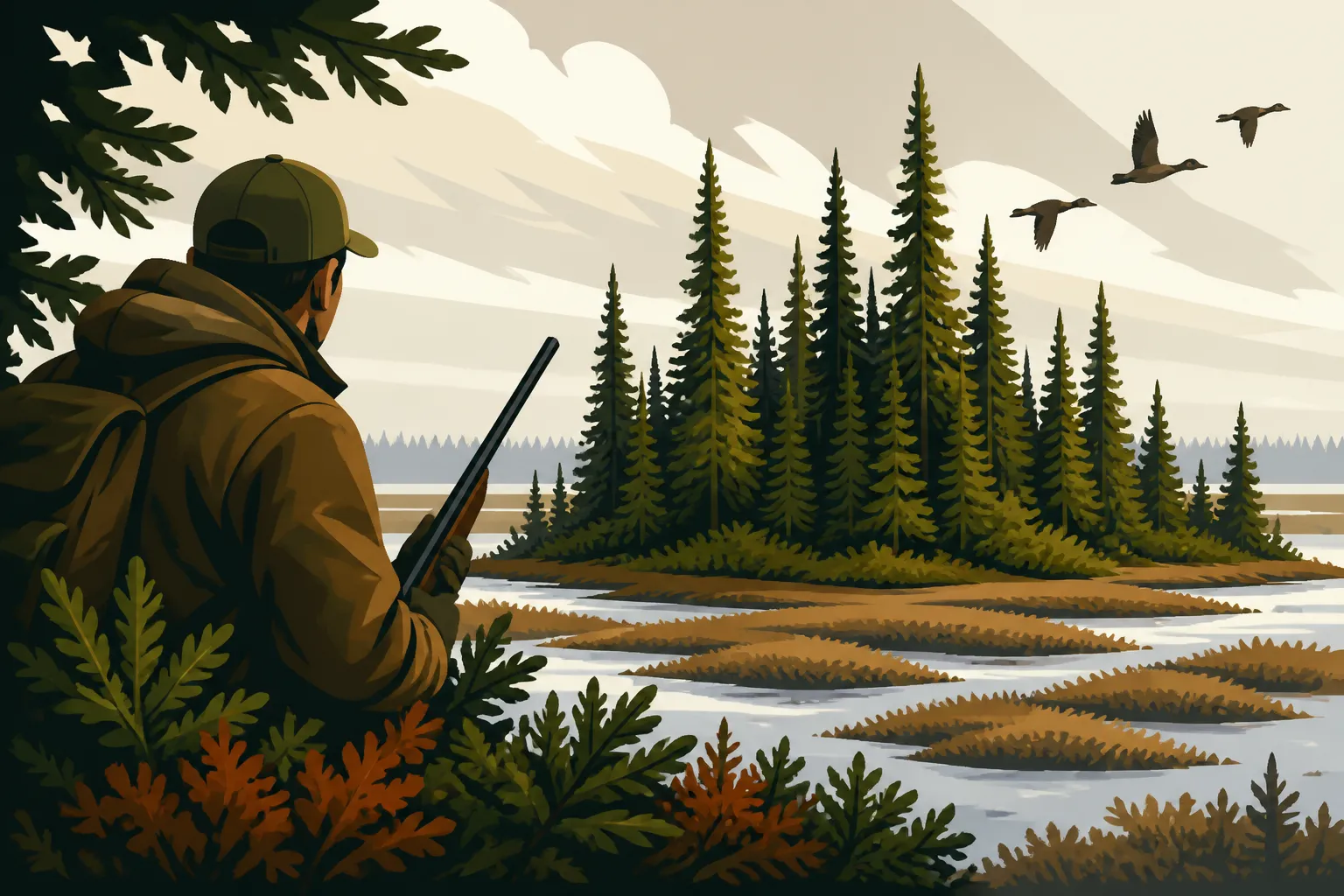
Let's start by demystifying what a "muskeg island of spruce" actually is. Imagine the vast, flat, sometimes gently rolling landscape of northern Saskatchewan, particularly in the boreal forest or the northern fringes of the aspen parkland. Here, drainage can be poor, leading to extensive wetlands. Muskeg is a type of bog, characterized by layers of peat, sphagnum moss, and often stunted trees like black spruce and tamarack, all growing on waterlogged, acidic soil. It's spongy, wet, and can be incredibly difficult to traverse.
However, amidst this sprawling wetland, you'll often find small, slightly elevated patches of ground – islands, really – where the soil is just a little better drained, allowing for more robust tree growth. These are your muskeg islands, and the dominant tree species on them are typically dense stands of spruce. While not always true "islands" in a body of open water, they are distinct, drier pockets of timber within an otherwise wet, open, or stunted forest environment. They are like natural fortresses, offering a very different habitat than the surrounding areas. The contrast between the open, wet muskeg and the dense, dark spruce is what makes these islands such unique and valuable habitat for many game species.
These islands form over centuries, as pockets of higher ground accumulate organic matter, or ancient glacial deposits resist erosion. The constant moisture and nutrient-poor soil contribute to slow growth, making the trees often quite dense and thick, creating an almost impenetrable canopy. For a hunter, this means navigating soft, uneven ground, often with standing water, before even reaching the dense cover of the spruce. It’s not for the faint of heart, but it’s precisely these challenges that make them so appealing to wildlife, and in turn, to the hunter willing to put in the effort.
Why Spruce Islands Are Game Havens
Now, why do these soggy, dense patches attract so much wildlife? The answer lies in the unique combination of cover, thermal regulation, and relative safety they provide. For a whitetail deer, especially a mature buck, these spruce islands are invaluable sanctuaries. The dense evergreen needles offer incredible thermal cover, shielding deer from brutal winter winds and heavy snows. In the deep cold of November and December, a deer can bed down in the thickest part of a spruce island and be remarkably protected from the elements. This is vital for energy conservation when temperatures drop to Hunting Whitetails at Thirty Below.
Beyond thermal cover, these islands provide exceptional visual and escape cover. The thick spruce blocks line of sight, allowing deer to move largely undetected. If pressured, a deer can quickly melt into the dense timber, making it very difficult for predators or hunters to follow. This is particularly true in areas where the surrounding muskeg or sparse forest offers little concealment. For deer in the Hunting Saskatchewan's Forest Fringe or deeper boreal areas, these islands are often core bedding and security areas. They're also strategic points for deer to stage before moving out into more open feeding areas at dawn and dusk.
But it’s not just whitetails that utilize these islands. Moose, with their long legs, can navigate muskeg more easily than deer and often use these islands for bedding and browsing on the spruce and other conifers. Black bears find security and denning sites within the dense cover, particularly in the Black Bear Hunting in Saskatchewan zones. Even smaller game like ruffed grouse and spruce grouse will often seek shelter and food sources within the conifers. The edges of these islands, where the spruce meets the more open muskeg, can be incredibly diverse, offering a mix of browse, berries, and insects that attract a variety of species. These transition zones are always key areas to focus on during your hunt.
Consider a scenario: you're hunting an area with vast expanses of sparse poplar or open wetlands. Suddenly, you spot a dark, solid green mass on the horizon. That's your spruce island. For game, it's an oasis, a refuge. They know they can disappear there, find warmth, and feel secure. This translates directly into higher concentrations of animals, making these islands prime targets for a hunter willing to endure the physical demands of getting there.
Scouting and Accessing These Remote Pockets
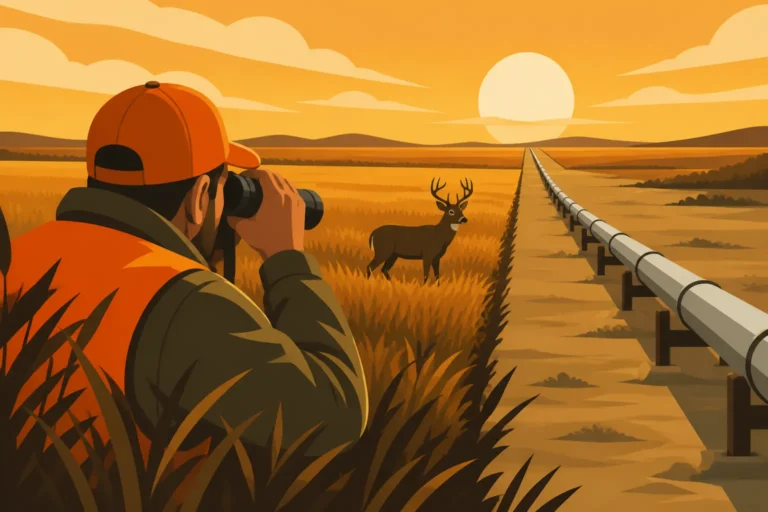
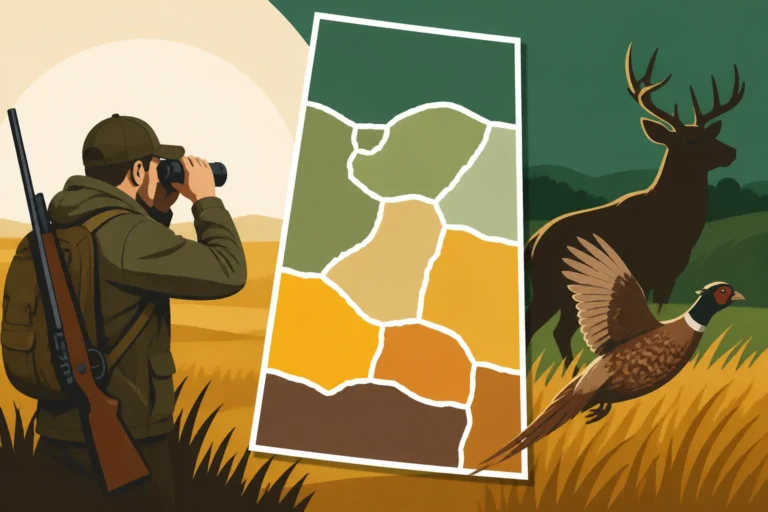
Finding and accessing these hidden gems requires a blend of modern technology and old-fashioned grit. Your scouting begins long before you even set foot in the woods. Satellite imagery is your absolute best friend here. Platforms like onX Hunt or GoHunt allow you to zoom in and identify these distinct dark green patches that stand out against the lighter greens of deciduous forest or the browns and grays of open muskeg. Look for sharp contrasts, often perfectly circular or oval shapes, that scream "island." Don't just look for size; even small islands can be incredibly productive. Pay close attention to the surrounding terrain: are there any slightly drier ridges leading into them? Are there old logging cuts or pipeline rights-of-way nearby that could offer easier access? Scouting With Satellite Imagery in Saskatchewan is a critical skill for this type of terrain.
Once you’ve pinpointed potential islands on your map, the next step is often ground-truthing, but be warned: muskeg is often far wetter and softer than it appears on a map. If you're going in preseason, especially in summer or early fall, wear waterproof boots (and maybe even waders!) and be prepared for some seriously tough slogging. Look for game trails entering and exiting the island. Deer will typically use the path of least resistance, so a well-worn trail, even a muddy one, indicates consistent use. You’ll want to look for rubs, scrapes, and bedding areas within the dense spruce – signs that validate its use as a primary bedding location. Don't be surprised to find older sign mixed with fresh, indicating long-term habitat value.
Access can be the biggest challenge. Many of these islands are truly remote, miles from any maintained road. Quad and Side-by-Side Rules on Crown Land mean you might be able to get closer with an ATV, but even then, muskeg can swallow a machine whole if you're not careful. Often, the best approach is by foot, taking your time, and carefully picking your route. Sometimes, a frozen late-season hunt makes access significantly easier, as the muskeg becomes solid enough to walk on, opening up areas that are otherwise impenetrable. When planning your route, consider natural choke points like a Hunting a Beaver Dam Crossing or a narrow, drier strip of land.
| Aspect | Challenges | Benefits |
|---|---|---|
| Terrain | Wet, soft, uneven ground, dense undergrowth | Excellent cover, thermal protection, limited human access |
| Access | Remote, difficult for vehicles, arduous foot travel | Fewer hunters, undisturbed game |
| Visibility | Extremely limited within dense spruce | Game feels secure, close encounters possible |
| Tracking | Difficult in soft ground, dense cover | Fresh snow can simplify, concentrated game trails |
| Retrieval | Physically demanding, often requires specialized gear | High reward for effort, unique hunting experience |
| Game Pressure | Low | Higher chances of encountering mature animals |
Hunting Strategies for Muskeg Spruce Islands
Now that you know what these islands are and why game loves them, let’s talk about how to hunt them effectively. Patience and a good understanding of wind are paramount.
Given the density of the spruce, still-hunting can be incredibly effective, especially if there's a light snow on the ground to muffle your steps. Move slowly, taking one or two steps, then stopping to scan and listen for several minutes. Use the dense cover to your advantage, stalking into the wind, trying to spot a patch of hide or an antler tine before you're seen. The tight quarters mean shooting lanes might be limited, so be prepared for close-range opportunities. Remember, deer will bed in the thickest cover, so focus on the interior of the island. Reading Sign After Fresh Saskatchewan Snow can be immensely helpful here, as fresh tracks will lead you directly to where deer are seeking refuge.
If you prefer to sit, stand placement is critical. Look for transition areas – where the spruce meets slightly more open ground, or where two game trails converge. The leeward side of the island (away from the prevailing wind) will often have the densest bedding areas and trails. Set up a stand or ground blind on an elevated point if possible, or where you can see a natural funnel. Pay extremely close attention to wind direction, as your scent will swirl in the dense timber. A well-placed tree stand on the edge of a spruce island, overlooking a primary travel corridor, can be deadly. Ensure you have proper gear for Staying Warm in a Saskatchewan Stand, especially during the colder rut weeks of Hunting the Rut in Early to Mid November.
Consider the time of year. Early season, when leaves are still on, these islands can be almost impenetrable, but they still provide sanctuary. During the peak of the rut, bucks will often cruise the edges, checking for does, or use the interior for bedding during the day before moving to feed at night. The late season, with deep snow and bitter cold, sees animals concentrate even more heavily in these thermal cover havens. This is when they become true magnets.
One of the biggest challenges, and one that often deters hunters, is retrieving game from a muskeg island. If you down an animal in the middle of a dense spruce stand, especially with soft, wet ground, it can be a monumental task to get it out. Planning for retrieval before the shot is a smart move. Consider bringing a game cart if the terrain allows, or be prepared for quartering the animal on site. Meat Care in Saskatchewan's Cold Snaps is important, but getting the animal out quickly is often a higher priority in these conditions. Hunting with a partner or a group can make retrieval significantly easier. These islands are challenging, no doubt, but the rewards of finding undisturbed game and potentially a mature animal make the effort worthwhile.
Disclaimer
This article is for general informational purposes only and does not constitute professional advice. Laws, prices and regulations vary by location and change over time. Consult a qualified professional for guidance on your specific situation.