Who to Ask About a Patron Pasture
Finding a good place to hunt in Saskatchewan can sometimes feel like trying to solve a puzzle, especially when you’re looking beyond the obvious Crown Land. Many hunters hear whispers of "community pastures" and wonder if they're a viable option, but the challenge often lies in figuring out who to actually talk to. This guide is all about demystifying patron pastures, helping you understand what they are, how to find them, and most importantly, how to respectfully request hunting access.
Understanding Saskatchewan's Community Pastures and Their Management
Saskatchewan is truly a land of opportunity for hunters, but accessing land is often the biggest hurdle. Beyond private farm fields and provincial Crown Land, there's another significant category that often flies under the radar for many: community pastures. These are vast tracts of land, often excellent habitat, that are managed for grazing livestock but sometimes offer hunting access if you know the right people and the right approach.
Historically, many community pastures across Saskatchewan were managed under federal programs, like the Prairie Farm Rehabilitation Administration (PFRA) pastures. These were established to rehabilitate marginal lands, prevent soil erosion, and provide summer grazing for local farmers' cattle. When the federal government divested these lands, they were often transferred to provincial management or, crucially for our discussion, to local patron groups. This created a bit of a mosaic, where management styles and access rules can differ significantly from one pasture to the next.
Patron pastures are those community pastures that are locally owned and managed by the livestock producers who use them. These are typically organized as co-operatives or associations, run by an elected board of directors from among the patrons. Unlike provincial pastures, which are managed by the Saskatchewan Ministry of Agriculture, or federal pastures (which are now mostly gone or transferred), patron pastures operate more like private entities in terms of governance. This is why understanding who to ask is so critical – you're not dealing with a government agency with standardized policies, but rather a group of local people making decisions for their collective land use. Knowing this distinction is your first step towards successful access. You can learn more about the different management styles by looking into Saskatchewan's Three Kinds of Community Pasture.
Identifying and Locating Patron Pastures for Hunting
So, you've heard about these patron pastures and their potential for hunting, but how do you actually find them and know if they’re managed by a local board? This can be the trickiest part, as there isn't one universal map or database specifically listing "patron pastures" and their contact information. It really requires a bit of detective work and leveraging the right tools.
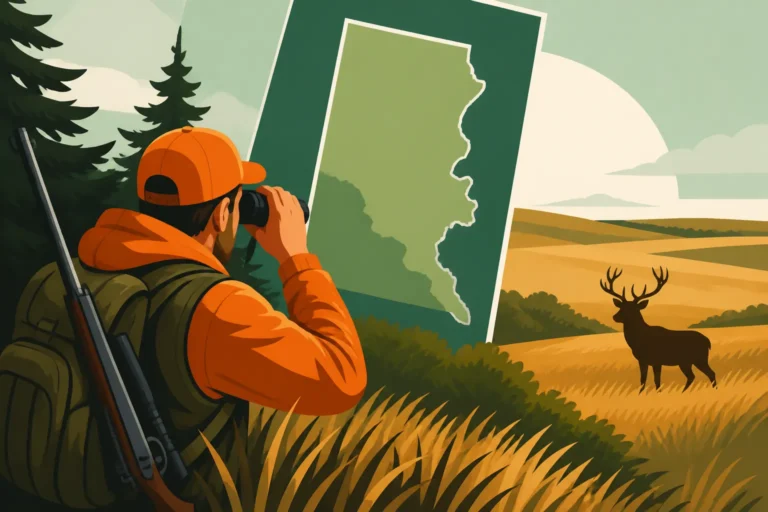
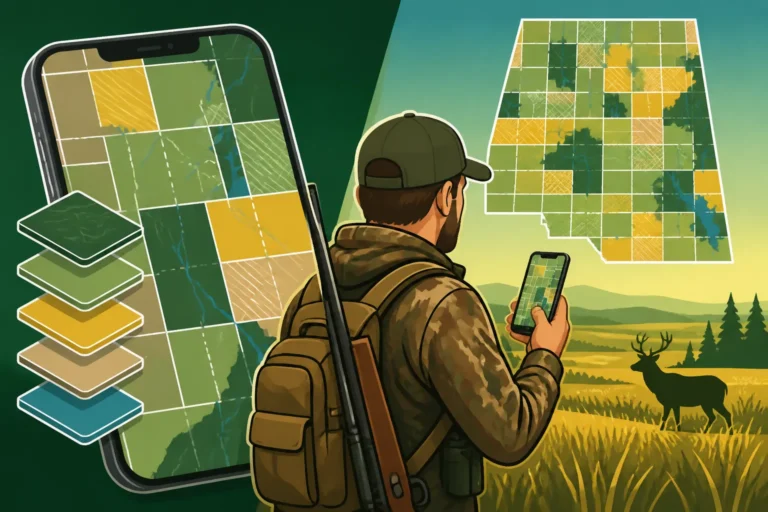
First, you'll want to start with general land use maps. Many of these pastures are large blocks of unbroken native prairie or mixed grassland, often bordered by cultivated fields. Using online mapping tools can be incredibly helpful here. Platforms like onX Hunt or GoHunt, for instance, allow you to overlay property boundaries and land ownership data. While these maps won't explicitly say "Patron Pasture," they can show you large blocks of land that aren't marked as provincial Crown Land or privately owned by an individual farmer. These large, often undeveloped parcels are prime candidates for being community pastures. Look for areas designated as "Community Pasture" or "Grazing Lease" on these mapping applications. Keep in mind that a grazing lease is Crown Land leased to an individual or group, while a community pasture (especially a patron pasture) is often owned and managed by the local association itself. The key is identifying these larger blocks of land that are clearly not regular private quarters or obvious public hunting areas.
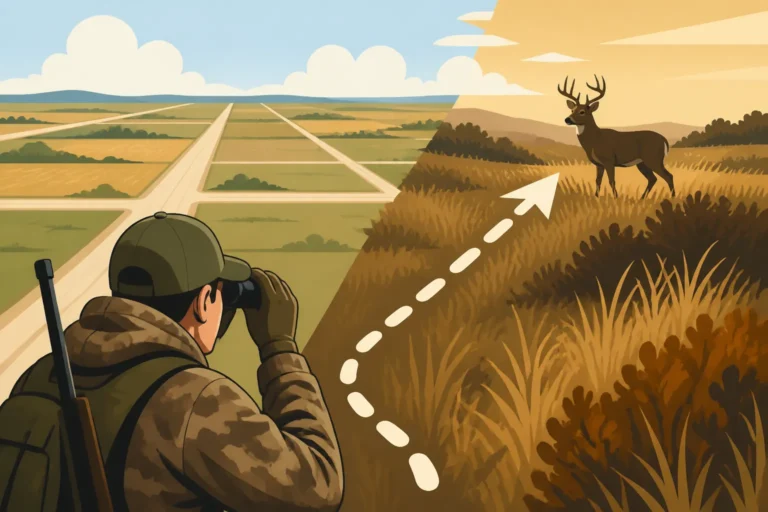
Once you’ve identified a potential community pasture, the next step is to figure out its specific management. This often means cross-referencing with local knowledge. A good starting point can be the local Rural Municipality (RM) office, the regional Ministry of Agriculture office, or even local agricultural producers. They often have knowledge of which pastures are run by local associations versus those managed provincially. Sometimes, a simple search online for "Community Pasture [RM name]" or "Grazing Association [nearest town]" can yield results. Don't be afraid to put in the legwork. Drive around the perimeter of the pasture, look for signage that might indicate management or contact details, though these are not always present or up-to-date for hunting inquiries. Remember, Scouting With Satellite Imagery in Saskatchewan can give you a bird's-eye view, helping you pick out natural travel corridors, water sources, and potential bedding areas, making your ground scouting more efficient once you've secured permission.
Here's a quick comparison of pasture types and how their management typically works:
| Pasture Type | Ownership | Typical Management | Access for Hunting |
|---|---|---|---|
| Patron Pasture | Local Producer Cooperative/Assoc. | Elected Board of Directors (local farmers) | Requires direct contact and permission from the board |
| Provincial Pasture | Province of Saskatchewan (Crown) | Ministry of Agriculture (Government) | Often publicly accessible for hunting, check regulations |
| Federal Pasture (historic) | Federal Government (PFRA) | Federal Government (now divested to Prov. or Patron) | Varies greatly based on new ownership/management |
| Grazing Lease | Province of Saskatchewan (Crown) | Individual or Group (leaseholder) | Requires permission from the leaseholder |
This table highlights why "who to ask" is so different depending on the type. For patron pastures, it’s all about connecting with that local board.
The Process of Contacting Patron Pasture Managers for Hunting Access
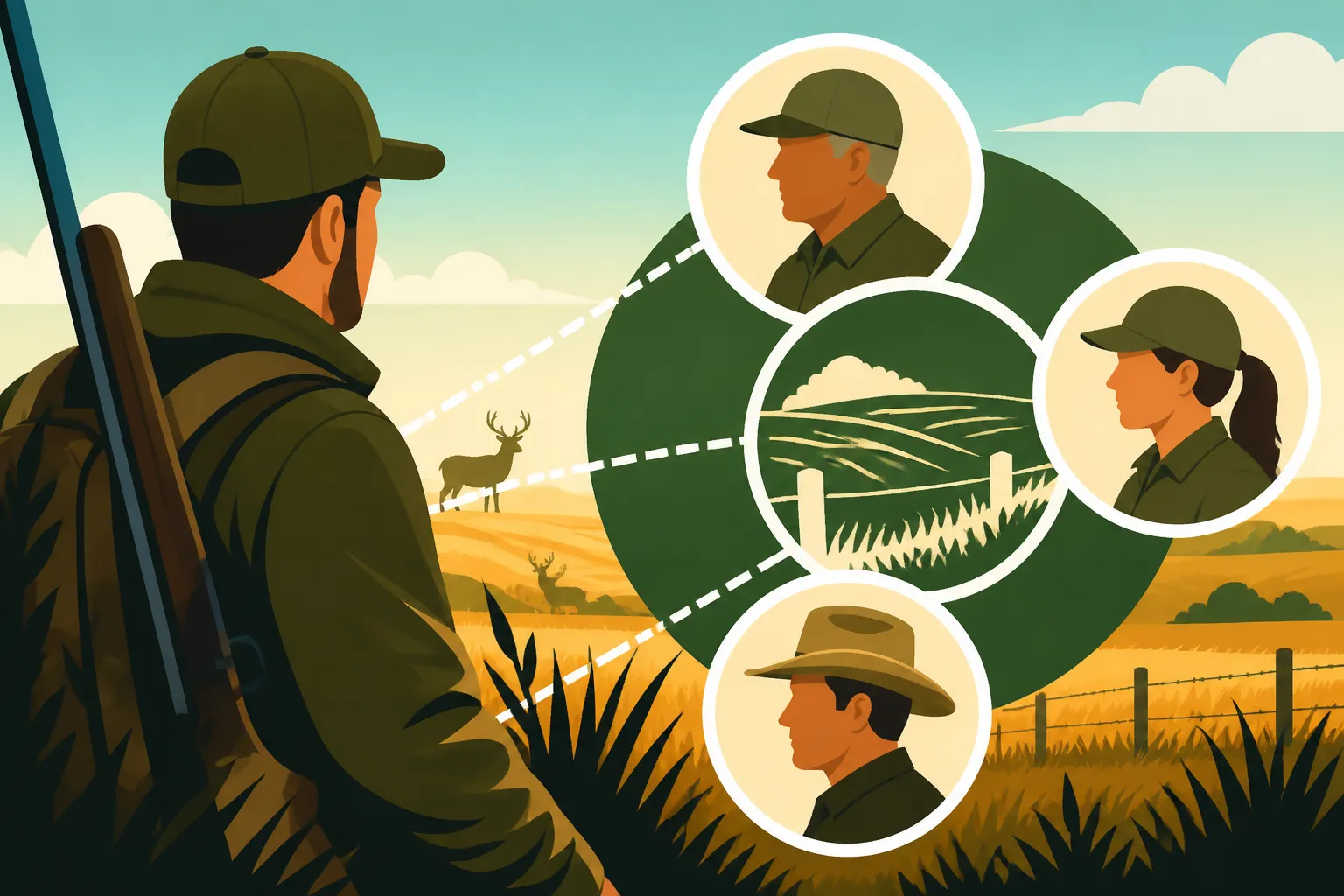
Alright, you've done your homework, identified a potential patron pasture, and now you need to figure out who to talk to. For patron pastures, the "who" is almost always the elected board of directors, or a designated manager they've appointed. This isn't like knocking on a farmer's door for a private quarter section; you're dealing with a collective.
Your goal is to get in touch with the pasture manager or the head of the grazing association. This information can sometimes be obtained from the local RM office, or by asking around at local co-ops, general stores, or even coffee shops in the nearest small town. Often, there's a specific individual designated as the contact person for day-to-day operations or inquiries. If you can't find a direct contact, reach out to the RM and ask if they can point you to the local grazing association that manages a particular block of land.
When you do make contact, whether it's by phone or in person, remember that you're asking for a privilege, not asserting a right. Be incredibly polite, respectful, and clear about your intentions. Introduce yourself, state where you're from, and explain that you're looking to hunt on their pasture. It's often helpful to mention the specific game species you're interested in pursuing. For example, if you're looking for whitetails, mention that. If you're hoping for mule deer, be specific. Have your hunter education certification and licence details ready, should they ask. This immediately establishes you as a responsible and legitimate hunter.
Timing your request can also make a big difference. Don't call the day before opening weekend, expecting immediate access. Try to make contact well in advance of the season, ideally in late summer or early fall, before the busy harvest and hunting seasons fully kick in. This gives the board time to discuss your request, and it shows you're thinking ahead and planning responsibly.
Prepare for the possibility of being declined. Patron pastures are primarily for livestock grazing, and the priority will always be the safety and well-being of the cattle. If they say no, accept it gracefully and thank them for their time. A positive interaction, even if it doesn't result in access this year, leaves the door open for future attempts or good word-of-mouth. Building these relationships takes time, and a respectful attitude is paramount. You'll find that taking the time to Knocking on Doors in Saskatchewan Farm Country (or, in this case, calling board members) is an art form that pays dividends.
Navigating Rules, Expectations, and Best Practices on Patron Pastures
Securing permission to hunt on a patron pasture is a fantastic opportunity, but it comes with a responsibility to understand and respect the specific rules and expectations set by the pasture management. These aren't just suggestions; they are often critical to maintaining a good relationship with the local patrons and ensuring continued access for hunters.
The most common rule you'll encounter, and one that is absolutely crucial to follow, is regarding vehicle access. Many patron pastures will have a strict "no vehicles" policy beyond designated access points, or perhaps only for game retrieval after a successful hunt. This is primarily to prevent damage to the pasture, disturb livestock, and minimize fire risk, especially during dry conditions. Be prepared to walk a lot, and respect any gates or locked access points. If you are granted permission for vehicle retrieval, ensure you know the exact route, stay on existing trails, and close all gates behind you, every single time. Nothing sours a relationship faster than leaving a gate open and cattle getting out.
Beyond vehicles, always be mindful of the livestock present. Your hunt is secondary to the well-being of the cattle. Avoid disturbing them, don't hunt close to them, and certainly don't shoot towards them or in their general direction. If you see any signs of distress or injury among the livestock, report it immediately to the pasture manager. This demonstrates your respect for their primary operation and builds trust.
Other important considerations often include specific hunting zones within the pasture (e.g., certain areas might be off-limits due to active grazing or proximity to infrastructure), time restrictions (e.g., no hunting after dark), or requirements to check in and out. Always clarify these details when you obtain permission. Some pastures might also have specific requirements for where you can park, where you can field dress an animal, or where you can camp (though camping is often not permitted).
Embrace the "leave no trace" philosophy with extreme prejudice. Pack out everything you pack in, including spent shell casings, trash, and any evidence of your presence. Respect any posted signs, even if you’ve already secured verbal permission. Signs like Saskatchewan Posted Land Sign Rules are there for a reason, and understanding them is part of being a responsible hunter. Remember, your actions reflect on all hunters. By being an exemplary guest, you not only improve your chances for future access but also help maintain a positive reputation for the entire hunting community. When you're successful in hunting a community pasture, consider reaching out to the manager with a thank you, maybe even offering a small token of appreciation. This kind of goodwill goes a long way in cultivating long-term hunting opportunities on these valuable lands. For a full breakdown of the basics, check out Hunting a Saskatchewan Community Pasture.
Disclaimer
This article is for general informational purposes only and does not constitute professional advice. Laws, prices and regulations vary by location and change over time. Consult a qualified professional for guidance on your specific situation.