Hunting a Poplar Ridge in Parkland
Hunting a poplar ridge in Saskatchewan's parkland can feel like trying to read a secret code – they often look like great habitat, but finding where the deer actually are and how they use these patches can be a real head-scratcher. Many hunters drive past these seemingly perfect pockets of cover, unsure how to approach them effectively. This comprehensive guide will break down the strategies for successfully hunting these unique and productive areas, helping you unlock their potential and put more meat in the freezer.
The Allure and Challenges of Parkland Poplar Ridges
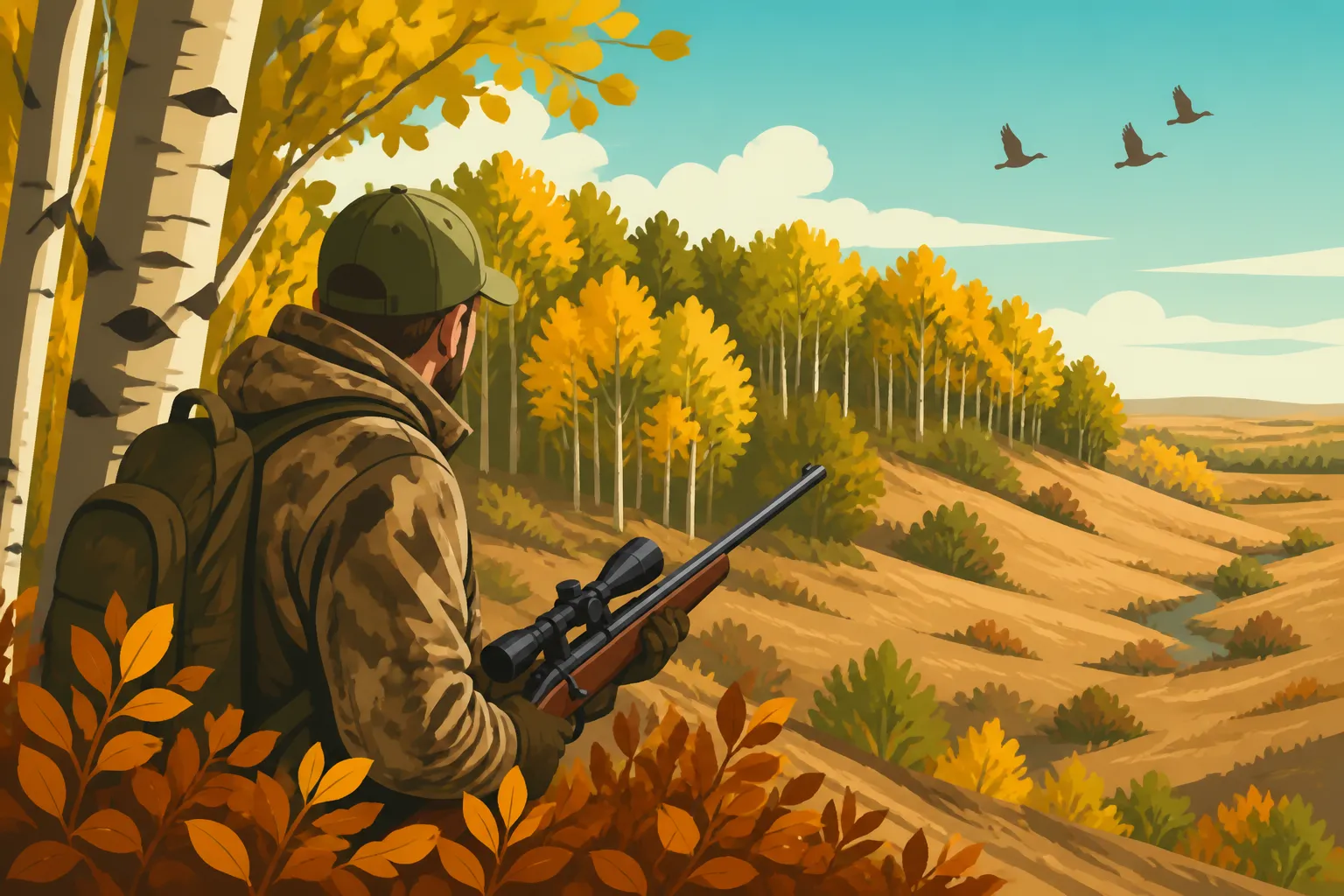
Poplar ridges, often nestled within the transition zone known as the aspen parkland, are veritable magnets for whitetail deer, moose, and even elk. They represent islands of dense cover, shelter, and food sources in an otherwise more open landscape. Understanding why game animals favor these areas is the first step to hunting them effectively, but it's equally important to acknowledge the unique challenges they present.
Why Game Animals Love Poplar Ridges
These ridges aren't just random clumps of trees; they offer a complex ecosystem that provides essential resources throughout the year. For whitetails, in particular, a poplar ridge often serves as a primary bedding area. The dense canopy and underbrush provide excellent thermal cover from harsh winds and snow in winter, and relief from summer heat and biting insects. Imagine a strong north wind whipping across open fields – a deer can tuck into the leeward side of a poplar ridge and be completely sheltered. The mixed vegetation within these ridges, including young poplar shoots, various shrubs, and scattered berry bushes, provides a diverse food pantry. Furthermore, these elevated sections often offer animals a slight advantage in terms of visibility, allowing them to survey their surroundings while remaining concealed. They act as natural travel corridors, funnelling game between feeding areas in adjacent fields and other pockets of cover. In an otherwise fragmented landscape, these ridges become vital arteries of wildlife movement. You might find deer moving into these areas from agricultural fields to bed, only to emerge again at dusk.
Unique Hunting Challenges of This Habitat
While attractive to game, poplar ridges also pose specific challenges for hunters. Visibility can be extremely limited, especially in the early archery season before leaves drop, or in dense stands of young regeneration. This means shooting lanes are often tight, and getting a clear shot at a moving animal can be difficult. The rolling topography, while subtle, can create unpredictable wind currents, making scent control even more critical. A seemingly steady breeze can swirl unexpectedly within the breaks and dips of the ridge. Moreover, the ground can be noisy with fallen leaves and brittle twigs, making a quiet approach difficult for still-hunters. These areas can also be harder to scout thoroughly without disturbing animals, as the dense cover means you often need to penetrate deep into the bedding areas to find meaningful sign. It's a double-edged sword: the thick cover that attracts deer also makes them incredibly hard to detect and approach silently.
Deciphering the Ridge: Advanced Scouting Techniques
Effective scouting is paramount when targeting poplar ridges. You can't just walk in and expect to find deer; you need to understand their patterns of movement and usage. This requires a combination of modern tools and old-fashioned boots-on-the-ground detective work. Utilizing satellite imagery and then verifying with physical scouting will dramatically increase your odds of success.
Utilizing Satellite Imagery and Topographical Maps
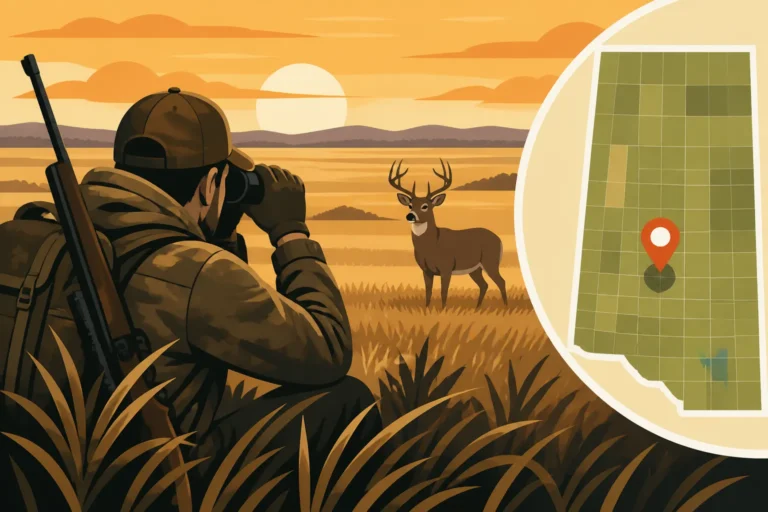
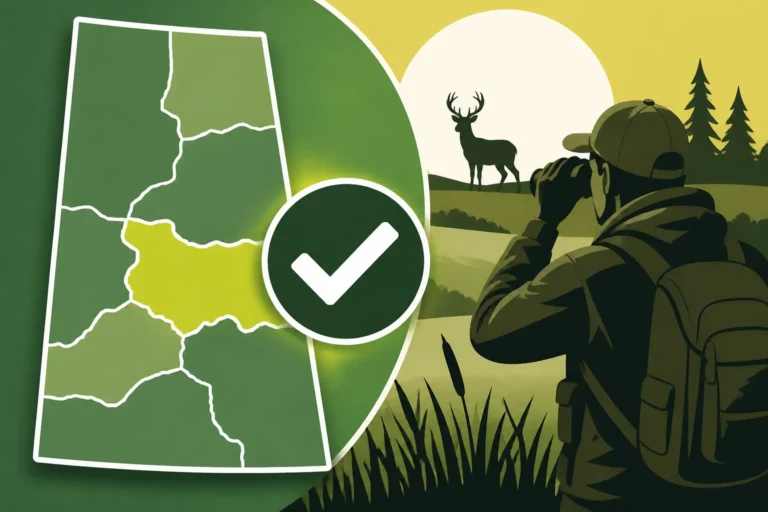
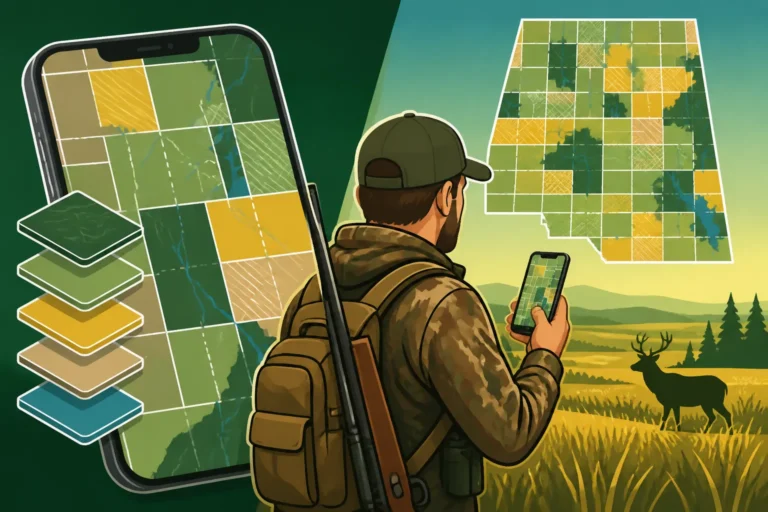
Before you even set foot on the ground, high-quality mapping applications like onX Hunt or GoHunt can be invaluable. Start by layering satellite imagery with topographical maps. Look for the actual "ridge" contours – even a slight elevation change of a few meters can be significant to deer seeking thermal advantages or windbreaks. Identify denser pockets of cover within the ridge itself, which are prime candidates for bedding. Pinpoint any natural funnels or pinch points created by the ridge's shape, adjacent fields, or open areas. Pay attention to how the ridge connects to other cover, such as shelterbelts, larger bush blocks, or even treelines along a creek bottom. These connections are likely travel corridors. Scouting With Satellite Imagery in Saskatchewan allows you to identify access points that offer a quiet approach and potential stand locations that capitalize on prevailing winds. You can mark potential rub lines, scrapes, or primary trails even before your first boots-on-the-ground visit, creating a strategic plan.
Ground Scouting for Key Sign and Entry/Exit Points
Once you have a general understanding from your maps, it's time to hit the ground. Focus your ground scouting efforts on the edges and lower flanks of the ridge first, to avoid disturbing potential bedding areas too early. Look for fresh deer sign: well-worn trails leading into or out of the ridge, fresh rubs on saplings, and active scrapes along the edges, especially during the pre-rut and rut. Pay close attention to trails that appear to be major highways versus smaller, less-used paths. During the rut, Reading Whitetail Sign in Saskatchewan Bluffs can tell you a lot about buck activity and travel patterns. Examine the droppings to get a sense of how recently deer have been using the area and what they might be eating. Track crossings along the edges of the ridge where deer enter and exit fields. These entry and exit points are critical for stand placement. Also, look for distinct "escape routes" – trails animals might use to quickly flee deeper into cover when disturbed. A good example might be a faint trail leading directly into the thickest part of the ridge from a field edge. Identifying these routes will help you anticipate their movements and avoid bumping them on your approach.
Strategic Hunting Approaches for Poplar Ridges
Once you've done your homework and understand the lay of the land, it's time to choose your hunting strategy. Poplar ridges lend themselves well to a mix of stand hunting and still-hunting, each with its own advantages and best applications. The key is to match your tactic to the specific conditions and the behavior of the deer you're pursuing.
Stand Hunting: Placement and Wind Considerations
Stand hunting from a treestand or ground blind is often the most effective method, particularly when you've identified consistent travel patterns or bedding areas. When selecting a stand location, focus on the downwind side of known travel corridors between feeding and bedding areas. The edges of the poplar ridge, especially where it meets a field, creek bottom, or another type of cover, are prime spots. Look for pinch points or funnels where deer movement is concentrated. For example, a small dip or saddle within the ridge that deer naturally cross. When hanging a stand, consider the prevailing wind direction for your chosen hunting period. For late October and November, winds are often from the north or west. Plan your approach and exit routes carefully to avoid contaminating the area with your scent or spooking deer. Sometimes, setting up on an adjacent smaller bluff or Hunting a Bluff Between Two Fields that overlooks a poplar ridge can give you a better view and wind advantage. Remember to clear shooting lanes but minimize disturbance. Ground blinds can be effective within the ridge if you can find a natural clearing or a spot with adequate cover to conceal the blind. Blinds are also good options for Sitting All Day in a Saskatchewan Blind during the rut.
Still-Hunting and Calling Tactics
Still-hunting involves moving slowly and deliberately through the ridge, taking a few steps, then pausing to scan and listen. This method is particularly effective in larger poplar ridge systems or when deer activity isn't concentrated in a single spot. It allows you to cover more ground and react to fresh sign. Move into the wind, paying close attention to thickets where deer might be bedded. Use the terrain and vegetation to your advantage for concealment. This is where a good pair of binoculars comes in handy, allowing you to pick apart cover ahead of you. Hunting the Forest Fringe for Big Bucks often employs a similar still-hunting strategy. When still-hunting, think like a predator: slow, silent, and constantly observing. In terms of calling, rattling and grunt calls can be highly effective in poplar ridges, especially during the rut. The dense cover often means deer are closer than you think, and the calls can draw them out of their hiding spots. Start with soft grunts or light rattling, then increase volume as needed. If you hear a response, be ready, as bucks can close the distance quickly in thick cover. Understanding Grunt Calls Late in Saskatchewan's Rut can really make a difference.
Maximizing Your Time: When and How to Hunt Poplar Ridges
Knowing where and how to hunt is crucial, but knowing when to dedicate your efforts to a poplar ridge can be the difference between seeing a lot of deer and seeing nothing. Deer behavior changes with the time of day, season, and even the weather, so tailoring your hunt to these factors is essential.
Best Times of Day and Seasonal Considerations
The early morning and late evening hours are almost always the most productive for hunting poplar ridges. In the morning, deer will be filtering back into the ridge from adjacent feeding areas to bed down. Setting up on the downwind side of a major trail leading into the ridge before first light can yield opportunities. Conversely, in the late afternoon, deer will begin to stir and move out of their bedding areas to feed, offering excellent chances along the ridge's edges. Hunting a Poplar Bluff at First Light is a classic strategy. Seasonally, the rut (typically late October to mid-November in Saskatchewan) is a prime time to hunt these areas. Bucks will be actively cruising the ridges, checking for does, and often using the dense cover for security and to escape pressure. During this period, does will also seek out the safety of the ridges, knowing bucks will find them. Early archery season can be tough with full foliage, but late season, after leaf fall and with snow on the ground, can simplify tracking and increase visibility, making game much easier to spot against a white backdrop.
Weather Patterns and Their Influence
Weather plays a significant role in how deer use poplar ridges. Cold snaps, especially those bringing snow, will often push deer into the thermal cover these ridges provide. The dense poplars offer insulation from frigid winds, making them preferred bedding locations. On extremely windy days, deer will often bed on the leeward side of the ridge, out of the direct blast. Hunting these specific areas downwind of the sheltered side can be highly effective. A light snowfall can be a hunter's best friend, as it quiets the forest floor, making silent movement much easier for still-hunting, and also reveals fresh tracks, allowing you to Reading Sign After Fresh Saskatchewan Snow. Conversely, during mild, calm weather, deer might be more spread out or utilize less dense cover, making them harder to pinpoint. Heavy rain or strong storms can temporarily suppress deer movement, but often, the period immediately following such weather can be incredibly productive as deer emerge to feed and resume activity.
Common Signs to Look For on a Poplar Ridge
When you're out scouting or hunting a poplar ridge, knowing what specific signs to look for can significantly improve your chances of success. These clues tell a story about the deer activity in the area and where best to focus your efforts.
| Sign Category | Specific Examples | What it Tells You | Best Time to Look |
|---|---|---|---|
| Travel | Well-worn trails | Frequent use, travel corridors | Year-round, especially after rain/snow |
| Track crossings | Entry/exit points to/from fields | Post-snow, muddy areas | |
| Feeding | Browsed vegetation | Preferred food sources, active feeding | Year-round, fresh browsing is key |
| Droppings | Recent presence, deer diet | Fresh, soft droppings indicate recent activity | |
| Bedding | Deer beds (oval depressions) | Bedding locations, escape routes nearby | Winter, snow-covered ground |
| Rubs on small trees | Buck activity, territorial marking | Pre-rut, rut (late Oct – Nov) | |
| Breeding | Scrapes (pawed ground, licking branch) | Buck activity, communication hub | Pre-rut, rut (late Oct – Nov) |
| Fresher, larger rubs | More mature buck activity | Peak rut | |
| Rub Lines | Series of rubs | Buck travel corridors or staging areas | Pre-rut, rut |
This table provides a quick reference for interpreting the signs you find. Fresh sign, of course, is always the most valuable. A large, recently freshened scrape with a low-hanging licking branch over it, coupled with big rubs nearby, is a strong indicator of a mature buck's presence during the rut. Don't just look for one sign; try to connect them into a comprehensive picture of deer movement and behavior within and around the poplar ridge.
Final Thoughts on Hunting Poplar Ridges
Hunting a poplar ridge in Saskatchewan's parkland is a rewarding challenge that offers incredible opportunities for various game species, particularly whitetail deer. It demands patience, meticulous scouting, and an understanding of how animals interact with this unique habitat. Don't be discouraged by the thick cover or the often subtle terrain features. With careful planning, smart use of technology like onX Hunt, and a willingness to learn from every trip, you'll uncover the secrets these ridges hold. Remember that game animals prioritize security and access to food and water, and a good poplar ridge provides all three. By focusing on understanding their needs and adapting your tactics accordingly, you'll be well on your way to a successful hunt. Whether you're patiently waiting in a well-placed stand or silently slipping through the timber, the reward of an animal taken from a poplar ridge is hard to beat. Hunting Whitetail in Saskatchewan's Forest Fringe and Why Saskatchewan Bucks Grow So Large are topics closely related to the success found in these rich environments.
Disclaimer
This article is for general informational purposes only and does not constitute professional advice. Laws, prices and regulations vary by location and change over time. Consult a qualified professional for guidance on your specific situation.