Hunting a Federal Pasture Section
Many hunters in Saskatchewan spend countless hours driving past potentially prime hunting spots, unsure of who owns the land or how to gain access. Federal pasture sections, in particular, can be a bit of a mystery, leading many to overlook these often productive areas. This guide is here to unravel that mystery, providing a clear roadmap on how to identify, access, and successfully hunt a federal pasture section in Saskatchewan.
Understanding Federal Community Pastures in Saskatchewan
Hunting in Saskatchewan offers a diverse landscape, from expansive grain fields to dense boreal forest. Amidst all this, you'll find various types of land ownership, each with its own set of rules and access protocols. Federal community pastures are a unique subset of these lands, and understanding their history and how they operate is the first step to unlocking their hunting potential. It's not always as simple as seeing an unposted piece of land and assuming it's fair game.
A Brief History and Purpose
These federal pastures have a rich history, originally established under the Prairie Farm Rehabilitation Administration (PFRA) during the Dust Bowl era. Their primary purpose was to rehabilitate drought-stricken land and provide community grazing for local farmers. While the PFRA program has undergone significant changes over the years, many of these pastures remain as large blocks of native and improved grassland, often with significant portions of bush, sloughs, and coulees. They are still managed primarily for grazing livestock, often through local patron groups who lease the land from Agriculture and Agri-Food Canada (AAFC). This management structure is crucial to understanding how to gain access for hunting, as it's not direct federal management in the same way a national park might be.
Because these lands are managed for livestock, their ecological integrity is often quite high. The grazing patterns can create diverse habitats, and the sheer size of many of these parcels means they can support robust populations of various game animals. These aren't just empty fields; they're dynamic ecosystems with unique hunting opportunities, often holding pockets of cover that extend for miles, providing sanctuary and excellent forage for wildlife.
Distinguishing Federal Pastures from Other Land Types
It's easy to get confused with the myriad of land classifications across Saskatchewan. You have your traditional private land, Crown land managed by the province, and then these federal pastures. The biggest difference lies in management and access. General Crown land, often identified by specific mapping layers, might be accessible for hunting if not legally posted as "No Hunting" or "No Trespassing." Provincial community pastures, while also for grazing, are managed by the Saskatchewan government, and typically have a clear process for hunter access, often involving an annual permit or specific contact points.
Federal pastures, however, fall under federal jurisdiction but are often managed locally. This often means they don't operate under the same open-access rules as some provincial Crown lands, nor are they simply private land where you knock on one farmer's door. Instead, there's a specific chain of command for permission. Driving past a large, seemingly wild block of land and assuming it's Crown land or simply looking for "No Hunting" signs isn't enough; you need to know who manages it to even begin the conversation about access. This distinction is vital for avoiding potential trespass issues and ensuring a legal hunt.
Identifying and Accessing Federal Pasture Sections for Hunting
Now that we understand what federal pastures are, the next big hurdle is actually finding them and, more importantly, gaining lawful access. This isn't always straightforward, but with the right tools and approach, it's absolutely achievable. The key is to be diligent and respectful in your pursuit of permission. Many hunters find success on these lands precisely because others don't take the time to figure out the access.
Tools for Locating Federal Pastures
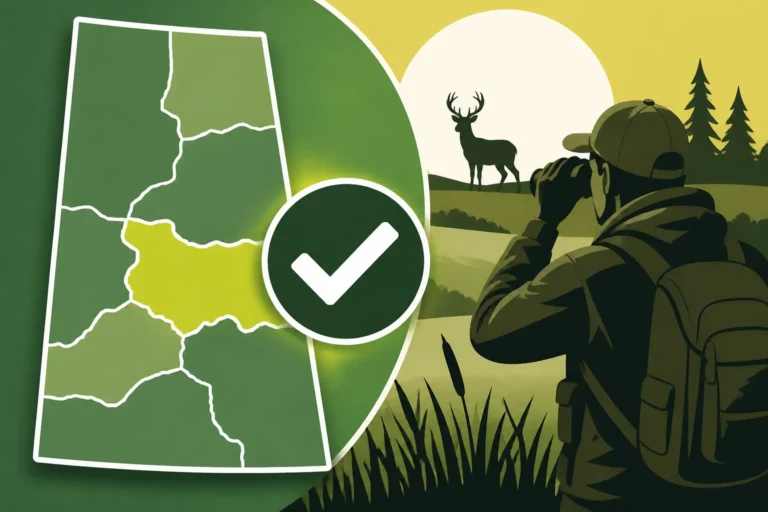
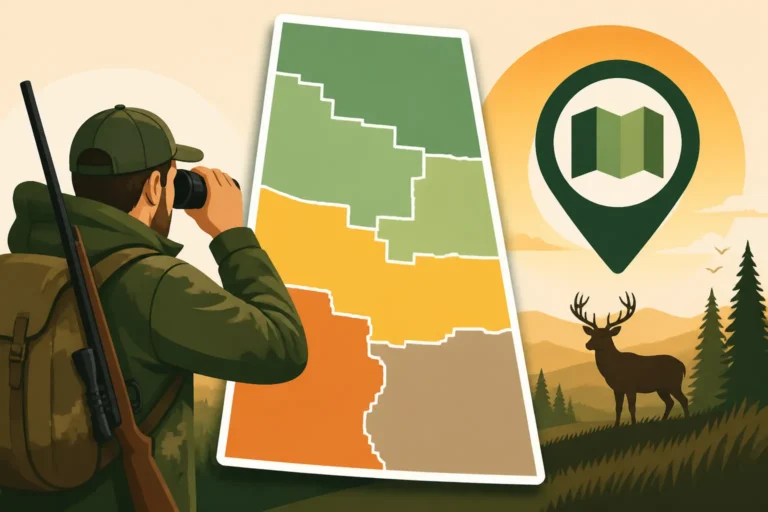
In today's hunting world, digital mapping applications are your best friend, especially when dealing with complex land ownership. Tools like onX Hunt and GoHunt offer detailed land ownership layers that can clearly delineate federal lands, provincial Crown lands, and private parcels. You'll often see these federal pastures marked as "Federal" or sometimes with a specific land code indicating their status. These apps are invaluable for Reading Saskatchewan Crown Land Layers on onX and determining where one type of land ends and another begins. Before you even leave your living room, you can scroll through your desired Wildlife Management Zone and pinpoint these large blocks.
Beyond mapping apps, traditional paper maps, particularly those from Saskatchewan Environment, can also be helpful, though they might not always be as up-to-date with current management structures. Cross-referencing what you see on a digital map with a WMZ map is always a good practice. Once you've identified a federal pasture, the next step isn't to just show up. You need to know who to call. Some provincial government websites might also have general information or point you towards resources for contacting pasture managers, but the primary task is to find the local group responsible for the day-to-day operations. This takes a bit of detective work but is absolutely essential.
The Access Process: Who to Contact
This is where many hunters hit a wall. Unlike general Crown land, where access is often implied if not posted, federal pastures require direct permission. You cannot just walk onto a federal pasture and start hunting without speaking to the management. The key contact is typically the local pasture manager or the patron group that leases the land from Agriculture and Agri-Food Canada. These are the individuals responsible for the livestock, fences, and general operations of that specific pasture.
To find the contact information, you might need to make a few calls. Start by contacting the local RM (Rural Municipality) office, as they often know who manages these pastures in their area. Alternatively, reaching out to the provincial Ministry of Agriculture or even the Saskatchewan Wildlife Federation might yield results, as they often have connections or lists of pasture contacts. When you do get in touch, be polite, state your intentions clearly, and be prepared to be flexible. They may have specific rules about hunting seasons, areas to avoid (especially near active grazing or calving areas), or require you to sign a liability waiver. Remember, Getting Private Land Permission in Saskatchewan often involves building a relationship, and the same principle applies here. Always respect their property, follow their rules, and report back if you see anything amiss.
| Land Type | Management Body | Typical Access Requirements | Common Game Species |
|---|---|---|---|
| Federal Pasture Section | Local Patron Group (lease from AAFC) | Direct permission from pasture manager/group is mandatory. | Whitetail, Mule Deer, Elk, Moose, Waterfowl, Upland Birds |
| Provincial Community Pasture | Saskatchewan Ministry of Agriculture | Often requires annual permit or specific contact for permission. | Whitetail, Mule Deer, Elk, Moose, Waterfowl, Upland Birds |
| General Crown Land | Saskatchewan Ministry of Environment | Generally open access if not posted; check WMZ regulations. | Varies widely by zone: Deer, Moose, Elk, Bear, Birds, etc. |
| Private Land | Individual Landowner | Direct, explicit permission from landowner is mandatory. | Whitetail, Mule Deer, Waterfowl, Upland Birds, Predators |
Hunting Strategies and Considerations on Federal Pastures
Once you've secured permission, the real fun begins. Federal pastures offer a unique blend of habitat and challenges that can lead to some incredibly rewarding hunts. However, like any new hunting ground, a bit of strategic thinking and respect for the land's primary use will go a long way. These are working lands, first and foremost, so adapting your approach is key.
Common Game Species and Habitat
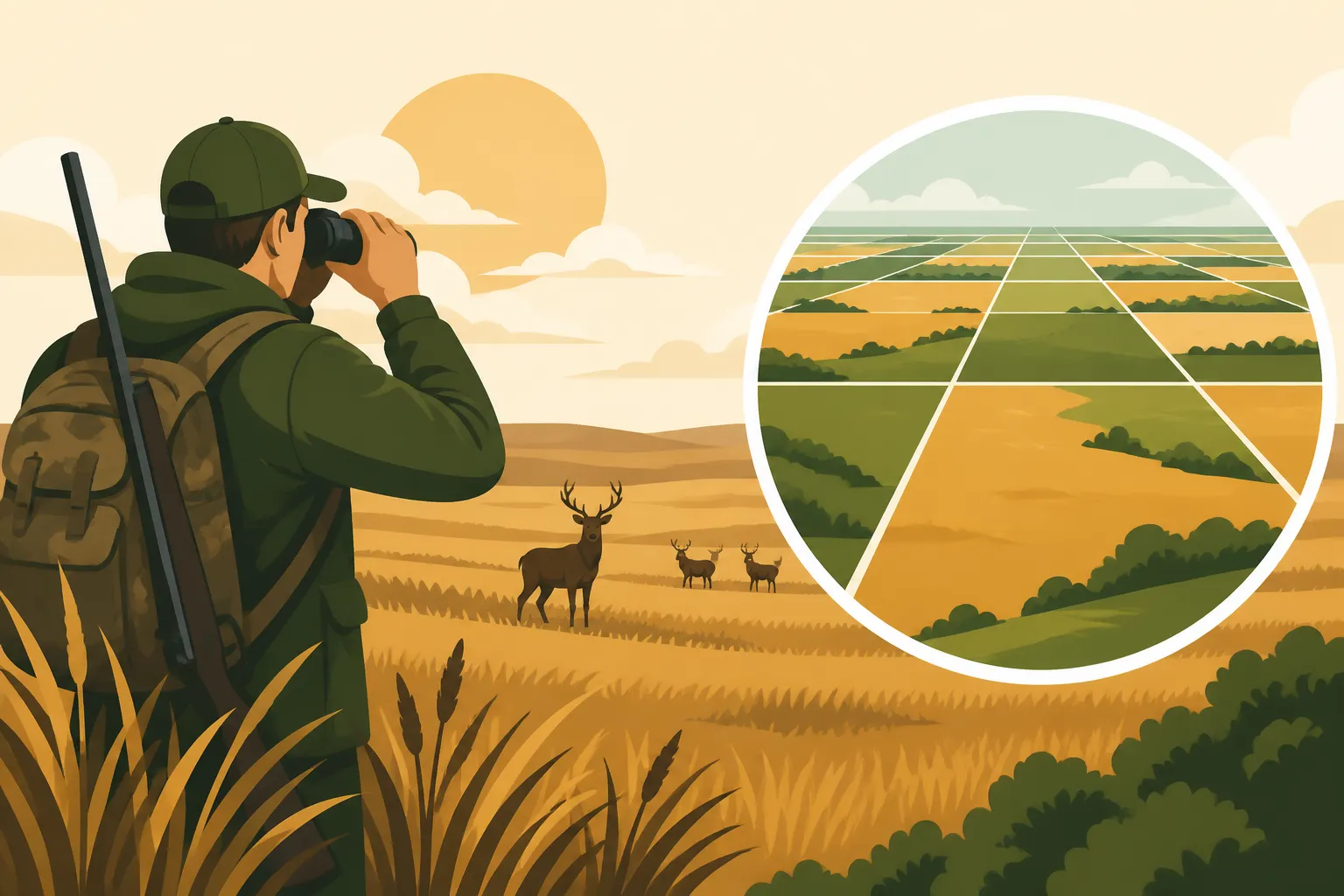
Due to their size and the mix of grassland, bluffs, coulees, and sloughs, federal pastures can be incredibly diverse ecosystems. You'll often find excellent populations of White-Tailed Deer, Saskatchewan's Signature Animal, especially in the aspen parkland and forest fringe areas. Many of these pastures also hold good numbers of Mule Deer Across Saskatchewan's Prairie, particularly in the more rugged, coulee-laden southwestern regions. It's not uncommon for Moose in Saskatchewan's Farmland and Forest to frequent the bushier sections, especially near wetlands or river systems, and in some areas, you might even encounter Where Saskatchewan's Elk Herds Live Today moving through.
The varied habitat means that scouting is paramount. Look for natural travel corridors, water sources (especially dugouts and sloughs that hold water), and dense cover where animals can bed down. The edges where brush meets open grazing land are often high-traffic areas. Don't forget the small game and birds! Many federal pastures are absolute goldmines for Saskatchewan's Upland Birds like sharp-tailed grouse and Hungarian partridge, and given the abundance of potholes and low-lying areas, excellent Saskatchewan's Ducks and Geese hunting opportunities often present themselves. Using satellite imagery for Scouting With Satellite Imagery in Saskatchewan can help you pinpoint these key habitat features before you even step foot on the ground.
Navigating Regulations and Respecting Operations
Hunting on federal pastures requires an extra layer of awareness. Always double-check the specific rules and regulations of the Wildlife Management Zone (WMZ) you're in, as well as any specific requirements from the pasture manager. Remember that Saskatchewan Hunter Education Requirements are a prerequisite for all hunters, and knowing your stuff is crucial. Be absolutely certain about your target. Make sure you can clearly identify your game and have a safe backdrop before taking any shot.
Beyond official regulations, respecting the pasture's operational needs is paramount. This means being acutely aware of livestock. Cattle are often present, sometimes in large numbers, and hunters must ensure their safety and not disturb them. Close gates, avoid driving off established trails (unless explicitly permitted), and be mindful of fence lines. If you're hunting during an active grazing period, plan your movements to minimize disturbance to the animals. This might mean hunting early or late in the day when livestock are less active, or sticking to areas away from the main herds. If you happen to be Hunting Saskatchewan Winter Weather Safely, ensure your vehicle is properly equipped for potentially difficult access roads and that you're prepared for rapidly changing conditions. By demonstrating respect for the land and its primary purpose, you not only ensure a safe and ethical hunt but also increase the likelihood of future access to these fantastic hunting grounds.
Disclaimer
This article is for general informational purposes only and does not constitute professional advice. Laws, prices and regulations vary by location and change over time. Consult a qualified professional for guidance on your specific situation.